
Reviewed · HISTORICAL TOURS
Hanoi: Make 6 Iconic Coffees in a Heritage Home with Locals
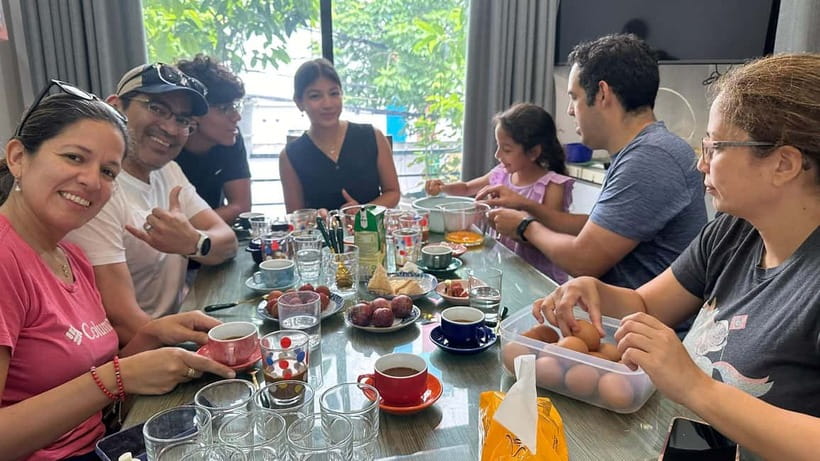
Coffee is Hanoi’s edible welcome mat. This small-group workshop brings you into a 100-year-old French colonial home in the Old Quarter, where local instructors explain six Vietnamese coffee styles and guide you through making each one. I like the personal setting, and I like that you leave with full recipes rather than a few pretty photos. The main consideration is that the pace and number of coffees can vary, so confirm the exact session plan when you arrive.
The best part is the relaxed open-bar format. You can watch, ask questions, adjust each cup, and learn why egg coffee needs a careful balance instead of simply copying a recipe. It is also a good indoor choice when Hanoi is hot or wet. Jade, Jennifer, Jenny, and Mint have all received especially warm praise for clear teaching and friendly conversation, though this is a coffee workshop rather than a full Old Quarter sightseeing tour.
In This Review
- Key points at a glance
- Entering a quiet Old Quarter home
- Making six cups, one technique at a time
- Learning from Jade, Jennifer, Jenny, and Mint
- Tasting beans with all five senses
- A hands-on class with a personal feel
- What the $22 price really covers
- Who will enjoy this workshop most
- Practical details before you book
- Should you book Hanoi’s six-coffee workshop?
- FAQ
- How many coffees will I make?
- How long does the workshop last?
- Do I need previous coffee-making experience?
- Where does the workshop take place?
- What languages are available?
- How many people can join?
- Are recipes included?
Key points at a glance
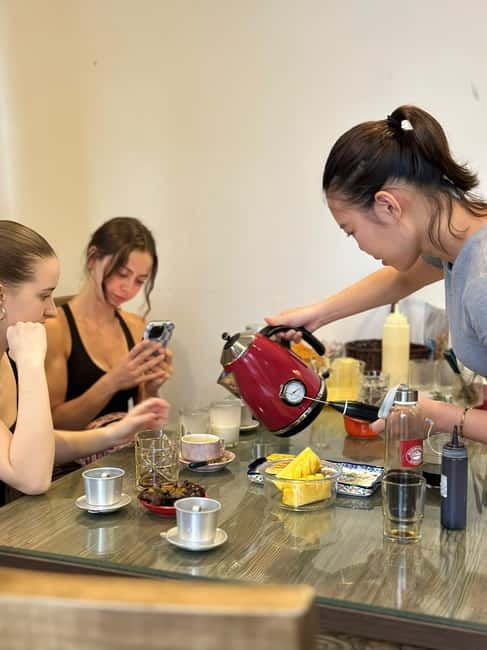
- A family home, not a standard cooking studio: The workshop takes place in a century-old Old Quarter house filled with family art, traditional objects, and a quiet balcony.
- Six classic Vietnamese coffee styles: You may make egg coffee, coconut coffee, salty coffee, and other local preparations by hand.
- Recipes you can recreate: Detailed instructions give you a practical skill to use after returning home.
- Small groups of up to 10: The limited size allows close guidance, tasting, and adjustments to suit your palate.
- A local view of coffee culture: Instructors raised with Hanoi’s coffee traditions explain how each style developed and how locals taste it.
- A comfortable indoor activity: Air conditioning, clean restrooms, sterilized utensils, and a pet-friendly garden space make the visit easy for families and mixed-age groups.
Entering a quiet Old Quarter home
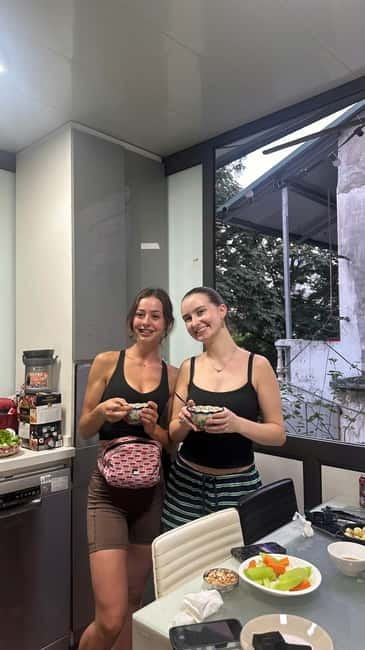
The meeting point is tucked inside Hanoi’s Old Quarter, but the setting is described as remarkably peaceful. That contrast matters. Outside, Hanoi can feel loud and tightly packed. Inside, you get a calm room where the coffee is the main event.
The house is about 100 years old and built in the French colonial style. It is also a lived-in family space, filled with objects and art collected and preserved by the family over several generations. You are encouraged to look around rather than sit in a fixed classroom seat. The balcony gives you another place to pause between cups.
I like this arrangement because it gives the workshop a sense of daily Hanoi life. You are not only learning how to froth an egg or layer coconut cream. You are seeing the setting where family memories, household objects, and coffee can share the same room.
The open bar remains available during the workshop. That makes the session feel less formal and gives you room to observe before trying a technique yourself. If you prefer a tidy, highly structured class with every minute mapped out, this relaxed format may feel loose. If you like conversation and hands-on practice, it is a strong match.
More Historical Tours in Hanoi
- Ninh Binh Heritage Full Day Tour with Buffet Lunch and Limousine
★ 5.0 · 2,692 reviews - Hanoi Heritage Premium Daily Tour
★ 5.0 · 914 reviews - Halong Heritage Luxury Day Cruise-Buffet lunch&Limousine transfer
★ 5.0 · 846 reviews
Making six cups, one technique at a time
The central activity lasts roughly two hours, although the stated duration is one to two hours. Each participant is expected to craft six iconic Vietnamese coffees by hand. Egg coffee, coconut coffee, and salty coffee are specifically included, along with other Vietnamese styles.
The process is not presented as a race through six drinks. Each step is explained, then you make the cup yourself. You can adjust the flavor to your taste while keeping the basic traditional balance. That point is important. Vietnamese coffee is not just about adding a sweet topping to strong coffee. Texture, temperature, sweetness, bitterness, and salt all need to work together.
Egg coffee is likely to be the most memorable preparation for many people. It is also the one where technique matters most. You learn how the creamy egg mixture works with the coffee rather than treating it as a dessert topping that can be thrown together at random.
Coconut coffee offers a different lesson in texture and sweetness. Salty coffee may sound odd before you try it, but the salt is used to shape the bitterness and bring out the coffee’s flavor. The value of making these drinks yourself is that you can compare small changes from one cup to the next.
The supplied information names six coffees, but several recent session descriptions refer to making four or five. That could reflect shorter sessions, differences in wording, or a changing workshop format. If making all six is important to you, ask the host to confirm the current lineup before starting.
Learning from Jade, Jennifer, Jenny, and Mint
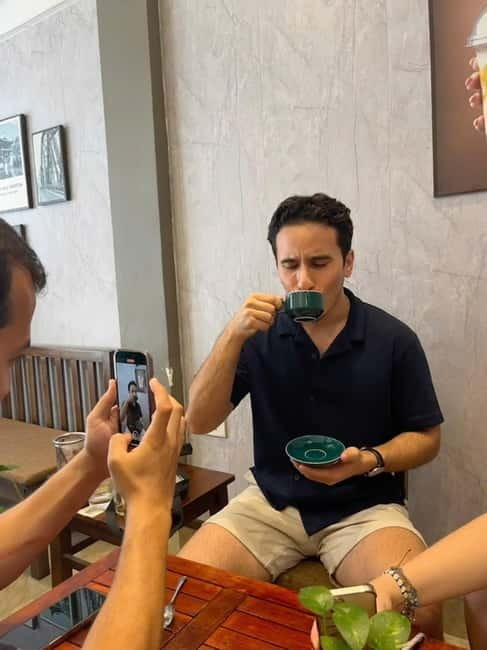
The instructors are Vietnamese and English-speaking locals who grew up around Hanoi’s coffee culture. Their role goes beyond measuring ingredients. They explain the stories behind the drinks and share methods shaped by family recipes and everyday practice.
Jade is praised for being welcoming and for explaining each coffee clearly. Jennifer receives repeated praise for friendly teaching, strong English, local advice, and a warm home atmosphere. Jenny is described as particularly helpful when explaining coffee traditions, while Mint is praised for being organized, patient, and willing to start from the basics without rushing.
That consistency is encouraging, especially if you are new to coffee preparation. You do not need prior brewing experience, and all ingredients and equipment are provided. The instructors are expected to guide you through each stage rather than assume you already know how to use Vietnamese coffee tools.
The workshop also leaves room for questions about Vietnam beyond the cup. Jennifer has given practical advice about enjoying the country, and other instructors connect coffee with local customs and daily life. This is useful if you want conversation with a local rather than a short demonstration followed by a tasting.
Still, instructor style can differ. One person may focus more on recipes, another on cultural background, and another on casual conversation. The named instructors have all been well received, but your exact experience depends on who leads your session.
Tasting beans with all five senses
The workshop includes Vietnamese specialty coffee beans that the hosts have collected and refined over time. You taste the beans along the way and share your impressions.
This turns the activity into more than a sweet-drink class. You can pay attention to aroma, bitterness, body, sweetness, temperature, and texture. The instructors also encourage you to taste coffee like a local, which means noticing how the coffee changes when combined with egg, coconut, salt, or other ingredients.
I find this especially useful for people who normally order coffee without thinking about its ingredients. By preparing several styles in one sitting, you can see how the same base drink takes on different personalities. You also gain a better idea of what to order at Hanoi cafés later.
The tasting element may be less appealing if you dislike strong coffee, sweet drinks, or repeated sampling. Six preparations in two hours can be a lot, especially if you drink every cup in full. You can ask questions about portion sizes and pacing at the start.
More Historical Tours:
- Heritage Binh Chuan 2 Days 1 Night discovery in Lan Ha Bay
★ 5.0 · 470 reviews - Old Quarter Hanoi Street Foods and Heritage Road Tour by Walking
★ 5.0 · 117 reviews - Discover Trang An Natural World Heritage, Bich Dong Pagoda, Cycling Day Tour
★ 5.0 · 82 reviews - Coffee, History, and Architecture of the French Quarter
★ 4.9 · 71 reviews
A hands-on class with a personal feel
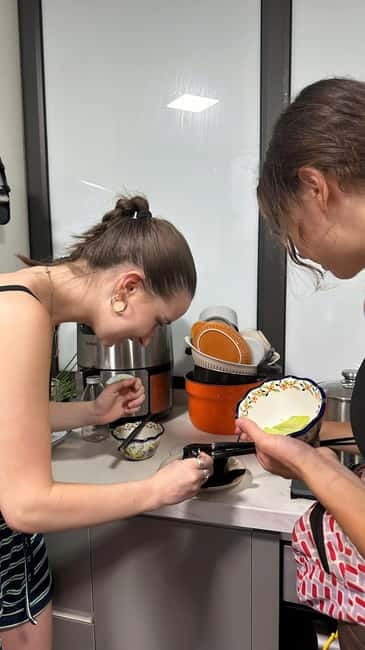
The group is limited to 10 people. That is small enough for close help, but it is not necessarily a private lesson. If the session is full, you will share the bar and workspace with other participants.
The open setup helps. You can see what other people are doing, compare your results, and learn from their questions. The small size also gives the instructor more time to correct technique or help you adjust a drink.
Families may find the setting easy to manage. Childcare is available, and there is a pet-friendly garden space. Air conditioning is provided, along with clean restrooms, a dishwasher, and sterilized utensils. These details may sound ordinary, but they matter during a hands-on food activity in Hanoi’s warm climate.
The activity takes place indoors, so it is a dependable plan during rain or intense heat. It also works well as a slower break between more active sightseeing. You will not spend the session walking through monuments, so plan it as a focused cultural activity rather than a substitute for seeing the Old Quarter.
The house itself rewards curiosity. You might take time to examine the traditional art and household objects, but the supplied details do not promise a formal house tour. Think of the surroundings as part of the atmosphere, not a separate museum visit.
What the $22 price really covers
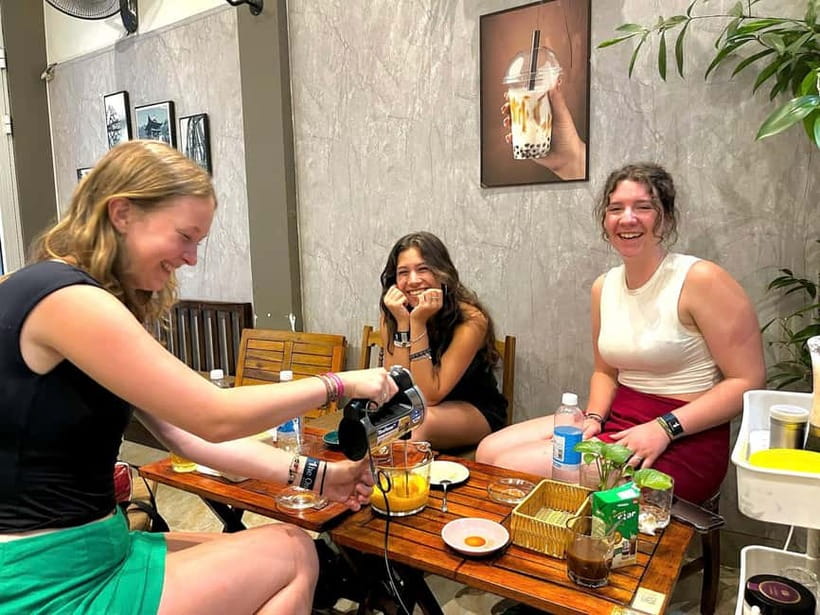
At $22 per person, this is priced above the cost of simply buying one Vietnamese coffee. That comparison is not quite fair, since the fee includes the ingredients and equipment for multiple drinks, instruction, cultural context, a small-group setting, and full recipes to take home.
The stronger value is the repeatability. After the workshop, you can try making the drinks again instead of remembering only that egg coffee tasted good in Hanoi. The recipe sheets and practical instruction give you something useful for your own kitchen.
The price also pays for access to a private family home and a local instructor’s time. You are not just buying six beverages. You are paying for guidance, tasting, conversation, and the chance to understand how the drinks are balanced.
I would book it if you enjoy food activities and want a quieter Hanoi experience. I would skip it if your main goal is sightseeing, if you rarely drink coffee, or if you prefer to spend $22 on several café visits around the city.
Who will enjoy this workshop most
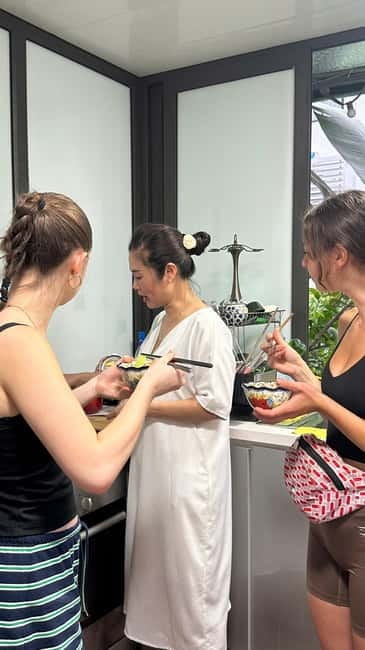
This experience suits first-time visitors who want a gentle introduction to Vietnamese coffee culture. It also works for repeat visitors who have already seen the main Old Quarter sights and want a more personal activity.
Families can benefit from the indoor setting, childcare availability, and pet-friendly garden. Coffee fans will appreciate comparing several styles and learning how ingredients affect the final cup. People who enjoy meeting locals will value the family home and the chance to ask questions in English.
The workshop is less suitable for anyone looking for a formal history lecture, a walking tour, or a highly polished commercial demonstration. The charm comes from the home setting and personal instruction. That also means the format may feel more informal than a professional culinary school.
Because the group can reach 10 people, check whether your booking is shared or especially small if personal attention is your top priority. The group limit is still modest, but it does not guarantee a one-to-one lesson.
Practical details before you book
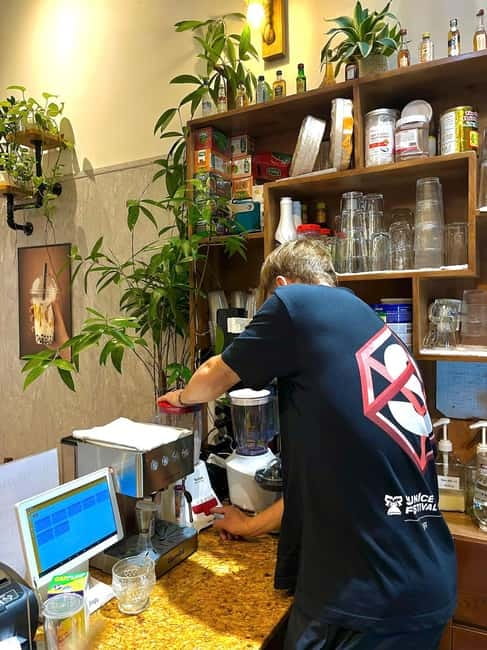
The activity lasts one to two hours, with starting times available according to the date you choose. It is conducted indoors, and all ingredients and equipment are supplied. No previous coffee-making experience is required.
Instruction is available in Vietnamese and English. The activity is wheelchair accessible, and basic comfort facilities include air conditioning and clean restrooms.
Cancellation is free up to 24 hours in advance for a full refund. You can also reserve now and pay later, which helps if your Hanoi schedule is still changing.
The experience is offered by VietnamXperience. Its current score is 5 out of 5 from 32 ratings, with repeated praise for friendly hosts, clear explanations, good English, tasty coffee, and the welcoming home setting. Those are the aspects I would treat as the strongest reasons to book.
Should you book Hanoi’s six-coffee workshop?
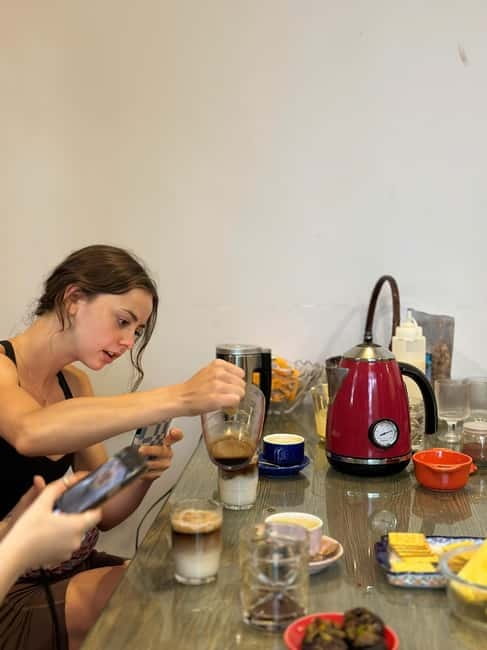
Yes, if you want to understand Vietnamese coffee by making it yourself. The century-old home, open bar, local instructors, and take-home recipes give this activity more substance than a quick café tasting.
Book with one small question in mind: does your chosen session include all six coffees? The main description promises six, while some recent session accounts describe four or five. Once that is confirmed, the $22 price is fair for a two-hour, hands-on experience with ingredients, instruction, tasting, and recipes.
I would place it high on a Hanoi itinerary for couples, families, food lovers, and anyone who prefers conversation to crowds. It is a quiet, useful way to meet local people and take a piece of Hanoi’s coffee culture home.
FAQ
How many coffees will I make?
The experience is designed around making six iconic Vietnamese coffees, including egg, coconut, salty coffee, and other styles. Some session descriptions refer to four or five coffees, so confirm the exact lineup when you arrive.
How long does the workshop last?
The activity lasts between one and two hours. The main workshop is described as a relaxed two-hour session.
Do I need previous coffee-making experience?
No. No prior coffee brewing experience is required, and all necessary ingredients and equipment are provided.
Where does the workshop take place?
It takes place in a century-old French colonial home tucked inside Hanoi’s Old Quarter. The house contains family-collected art and traditional objects and includes an open bar and balcony.
What languages are available?
The workshop is offered in Vietnamese and English.
How many people can join?
It is a small-group activity limited to 10 participants.
Are recipes included?
Yes. You receive full, detailed recipes for the coffees made during the workshop, along with practical skills you can recreate at home.
Just added around Hanoi
- Private Ninh Binh Full Day (Bich Dong -Tam coc -Mua cave- Biking)★ 5.0 · 32 reviews
- 15-Day Vietnam Itinerary All in One | Travel Package 2026-2027★ 5.0 · 32 reviews
- Retro Hop-on-hop-off Bonbon City Tour: Classic Package★ 4.0 · 32 reviews
- 10-Day Vietnam Discovery from North to South | Best Packages★ 5.0 · 32 reviews
- Verdure Lotus Classic Cruise in Halong Bay & Lan Ha Bay (2D1N)★ 4.0 · 32 reviews
- Full-day Guided Meditation Experience in Ha Noi★ 5.0 · 33 reviews
- Private Transfers Hanoi <=> Halong One Way by Limousine Vehicles★ 5.0 · 33 reviews
- Hanoi On the Tracks Photo Tour★ 5.0 · 33 reviews
Historical Tours, compared.

Ninh Binh Heritage Full Day Tour with Buffet Lunch and Limousine
Read our review →

Halong Heritage Luxury Day Cruise-Buffet lunch&Limousine transfer
Read our review →
From Ho Chi Minh: Cu Chi Tunnels Half-Day History Tour with Guide
Read our review →
Heritage Binh Chuan 2 Days 1 Night discovery in Lan Ha Bay
Read our review →
Saigon Afternoon City Historical Scooter Tour |Opt: Ao Dai Riders
Read our review →
Saigon Unseen, History, & Hidden Gems Sightseeing Motorbike Tour
Read our review →
Saigon Morning City Historical Scooter Tour w Ao Dai Rider option
Read our review →Browse the lists this tour appears in