
Reviewed · WALKING TOURS
Hoi An Ancient Town – Walking Tour with Local Guide
Hoi An rewards slow feet. This 150-minute walking tour takes you through the old town’s key sights with a local English-speaking guide, keeping the group to 10 people or fewer. I like the compact route and the way it combines famous landmarks with quieter alleys, indoor heritage buildings, and useful local advice.
I also like the included tea or traditional dessert, a small touch that gives the walk a pleasant finish. Guides such as Trung and Duy are praised for clear English, humor, local insight, and practical tips on food, coffee, tailoring, and other things to do. The main drawback is that the 120,000 VND cash entrance ticket is not included, and Hoi An’s narrow streets can become crowded during festivals such as Tet.
In This Review
- Key points before you book
- Why this Hoi An walking tour works so well
- Starting at 95 Phan Chu Trinh Street
- Ba Mu Temple Gate: a memorable opening
- Assembly halls and Hoi An’s overseas connections
- Japanese Covered Bridge: Hoi An’s best-known landmark
- Kazik Park and the town’s public spaces
- Tan Ky Heritage House: old architecture you can read
- Traditional art and folk culture
- Hoi An Market: finish where daily life is happening
- Tea, dessert, and practical advice at the finish
- Is $14 good value?
- Group size, pace, and weather
- Who should book this experience?
- Should you book the Hoi An Ancient Town walking tour?
- FAQ
- How long does the Hoi An walking tour last?
- What is the tour price?
- Is the entrance ticket included?
- Where does the tour meet?
- What language is the tour conducted in?
- How many people are in the group?
- Is the tour suitable for babies or strollers?
Key points before you book

- A strong first-day introduction: The route covers major landmarks, historic houses, temples, museums, and the market, helping you understand the old town before exploring alone.
- Small groups make a real difference: With no more than 10 participants, it is easier to hear the guide, ask questions, and stay together in busy streets.
- Several indoor stops: Heritage houses, assembly halls, museums, and performance spaces offer shade or shelter during hot or wet weather.
- The guide adds the meaning: You see far more than old buildings. The tour explains Hoi An’s architecture, trade connections, customs, and modern life.
- Useful local recommendations: Expect suggestions for Vietnamese dishes, cafes, tailor shops, and other activities.
- Budget-friendly, with one extra cost: The $14 price is reasonable, but you need 120,000 VND in cash for the old town entrance ticket.
Why this Hoi An walking tour works so well
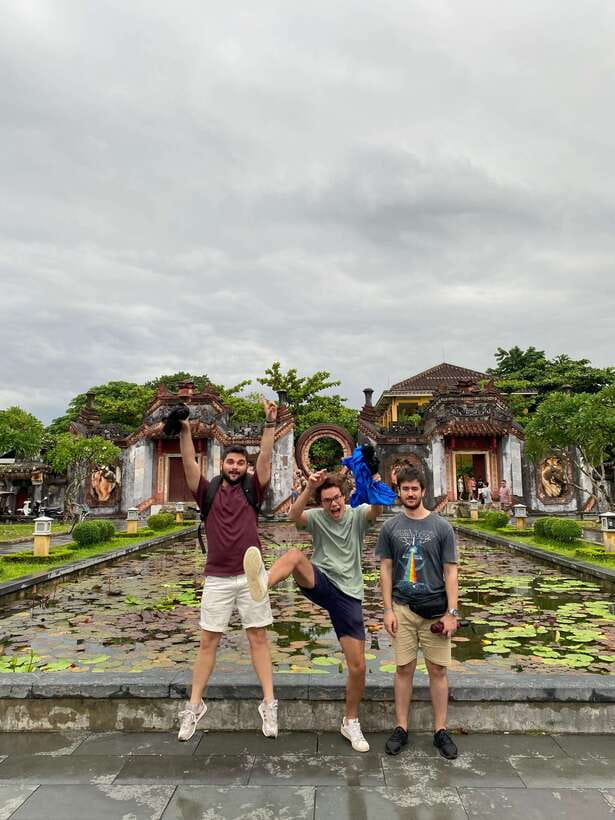
Hoi An Ancient Town is easy to admire and surprisingly easy to misunderstand. You can wander among yellow walls, wooden doors, lanterns, and souvenir shops without knowing why the buildings look the way they do or how the town became an important trading port.
A local guide gives the streets a human story. Instead of simply pointing at a temple or an old house, the guide connects the architecture to Hoi An’s past, cultural mix, and daily life. Several guides used for this experience, including Trung, Duy, Tom, Tin, Trang, and Yui, receive praise for their English, humor, patience, and ability to answer questions.
The walk is especially useful at the start of your stay. You get your bearings between Hoi An’s old town and newer areas, see the main landmarks, and collect ideas for the rest of your visit. One practical approach is to book this on your first day, then return later to the places that caught your attention.
The route is not designed as a slow, single-building study. It is an overview. You move through several sites in one outing, with time for explanations and photographs. If you want a detailed architectural lecture or a long food tour, this is not the right format. If you want to understand the town quickly, it makes good sense.
More Walking Tours in Hoi An
- Evening Walking Food Tour, folk game and lantern boat
★ 5.0 · 665 reviews - Hoi An Ancient Town Walking Tour with a Local
★ 5.0 · 517 reviews - Hoi An Street Food Walking Tour with Tastings
★ 5.0 · 317 reviews
Starting at 95 Phan Chu Trinh Street
The meeting point is at 95 Phan Chu Trinh Street, in front of a tailor shop at the corner of an intersection. This is outside the main old town area, so give yourself enough time to arrive without rushing.
The location is practical rather than scenic. That is fine. A clear meeting point matters in Hoi An, where lanes can look similar and pedestrian traffic can become thick. Your guide waits there before leading the group toward the heritage area.
You do not receive hotel pickup or drop-off, so you must make your own way to and from the tour. Wear comfortable clothing and shoes suitable for walking. Baby strollers are not allowed, and the activity is not suitable for babies under one year old.
The tour is advertised at 150 minutes. The route can take around two and a half hours, depending on the pace of the group, questions, crowds, and time spent at each stop. The supplied itinerary also describes the old town visit as three hours, so allow a little flexibility rather than scheduling a tight appointment immediately afterward.
Ba Mu Temple Gate: a memorable opening

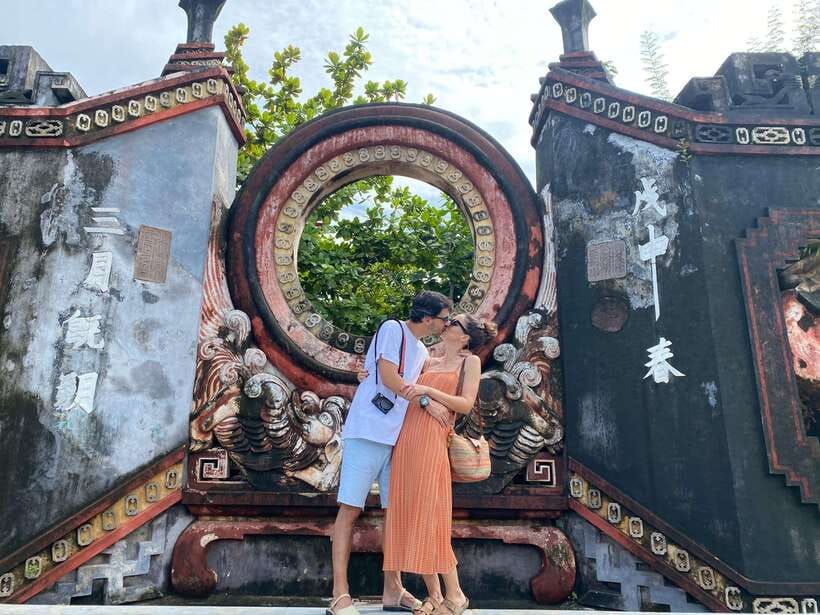
Ba Mu Temple Gate is one of the first visual highlights. Its decorative entrance makes a strong photo stop and introduces you to the way religious buildings in Hoi An use color, symmetry, carved details, and layered gateways.
A guide helps you look past the surface. The value here is not only the photograph. You begin to see how an entrance frames a sacred space and how local design mixes practical structure with ornament.
This is also a good place to settle into the group. The guide can explain the route, establish the pace, and answer early questions. If you arrive expecting a long stop at every landmark, adjust your expectations. The tour covers many places, so some visits are brief but purposeful.
Assembly halls and Hoi An’s overseas connections
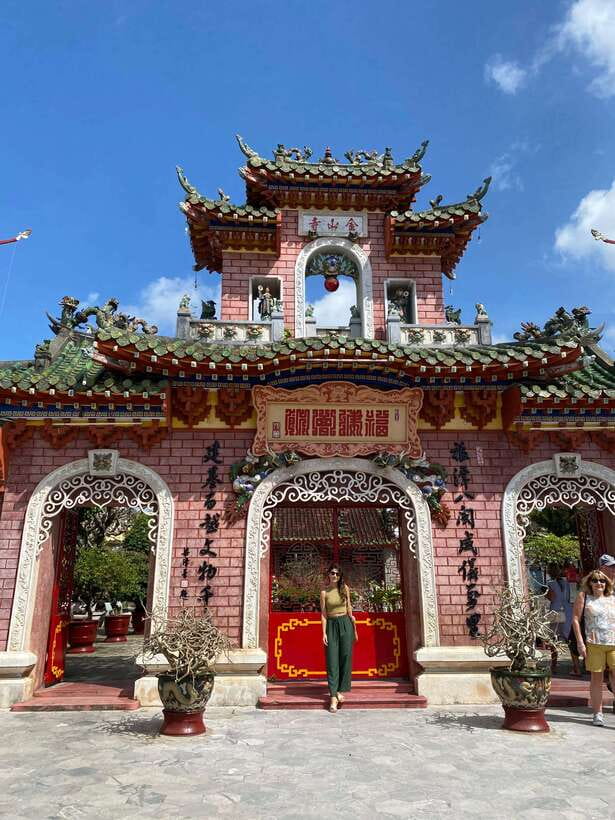
The Fujian or Cantonese Assembly Hall introduces one of Hoi An’s most important themes: the town’s links with overseas Chinese communities and maritime trade.
These halls served social, religious, and community purposes. Their courtyards, altars, roof decoration, and carved details show how immigrant communities preserved traditions while becoming part of Hoi An’s wider life.
This stop is more rewarding with a guide because the visual details can be easy to pass without context. You might notice a carved figure or colorful shrine, but the explanation helps you understand why the building matters and how it fits into the town’s past.
The indoor setting is another advantage. Hoi An can be hot, humid, or wet, and several interior stops break up the walk. I would still bring water, but the route does not leave you exposed to the street for the entire time.
More Walking Tours:
- Hoi An Walking Tour
★ 5.0 · 269 reviews - Cham Island: Underwater Walking & Snorkeling Tour
★ 4.4 · 112 reviews - Hoi An Street Walking Food Tours
★ 5.0 · 59 reviews - Hoi An Walking Street Food – Private Tour
★ 5.0 · 57 reviews
Japanese Covered Bridge: Hoi An’s best-known landmark
The Japanese Covered Bridge is the stop most first-time visitors expect to see. Its covered passage and distinctive design make it one of Hoi An’s defining sights.
The bridge is more than a pretty crossing. It reflects the town’s old international character and the presence of Japanese merchants in its trading period. Your guide provides the background that turns a quick photograph into a useful lesson about Hoi An’s connections with Japan, China, and other trading communities.
Crowds are the issue here. The bridge is a central landmark, and busy periods can make it difficult to pause or take an unhurried picture. A small group helps because the guide can keep everyone close and move the group through without losing people.
Several accounts of this tour praise guides for managing crowded streets carefully. During Tet, one guide reportedly kept the group together closely and changed choices when conditions became hectic. That kind of practical leadership matters more than a polished speech when the old town is packed.
Kazik Park and the town’s public spaces
Kazik Park offers a change of mood. After temples, assembly halls, and a famous bridge, a public open space lets you observe how the old town works as a living place rather than a collection of preserved buildings.
The park also provides a useful pause for photographs and orientation. You can look around, listen to the guide, and see how historic structures sit beside present-day shops and streets.
Do not expect a large park or a long rest stop. It is part of the walking route, not a destination that requires extended time. Its value comes from the contrast with the enclosed heritage buildings nearby.
Tan Ky Heritage House: old architecture you can read
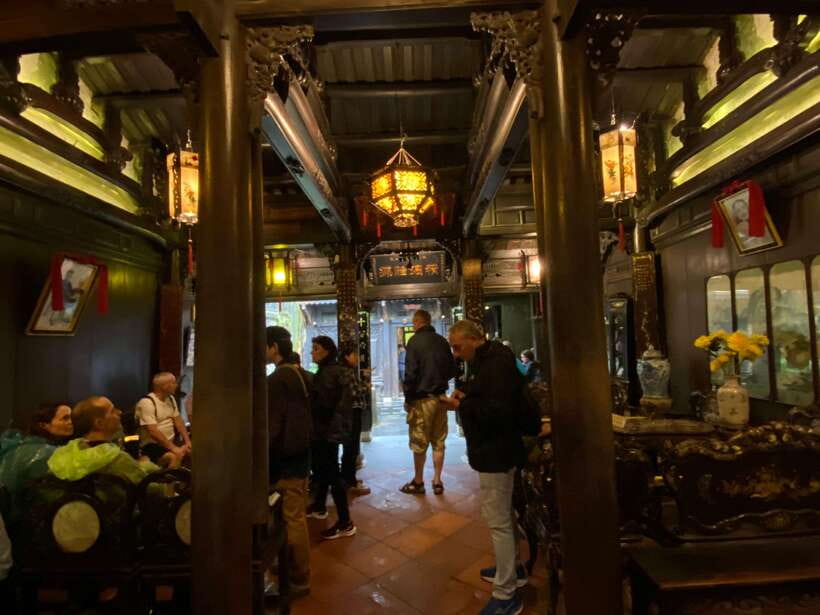
Tan Ky Heritage House is among the most worthwhile stops for anyone interested in Hoi An’s domestic architecture.
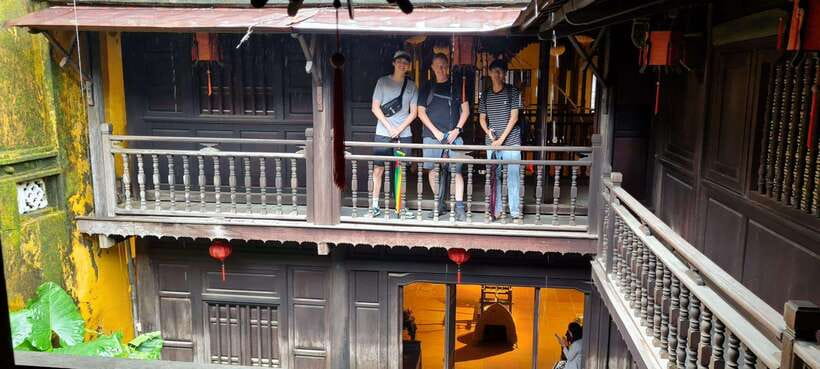
The house shows how local buildings were shaped by trade, climate, family life, and outside influence. Details inside can reveal more than the decorated street fronts. You get a sense of how a prosperous historic home was organized and why narrow, deep buildings became common in the old town.
This is where a guide’s explanation earns much of the tour price. Without help, you may see timber, courtyards, carved panels, and old furnishings as attractive decoration. With context, you can connect those pieces to the people who lived and worked there.
The drawback is that heritage houses can feel tight when several groups arrive at once. You may need to wait for space or listen while standing. Still, the indoor setting is welcome in bad weather, and the stop gives the tour more substance than a simple street walk.
Traditional art and folk culture
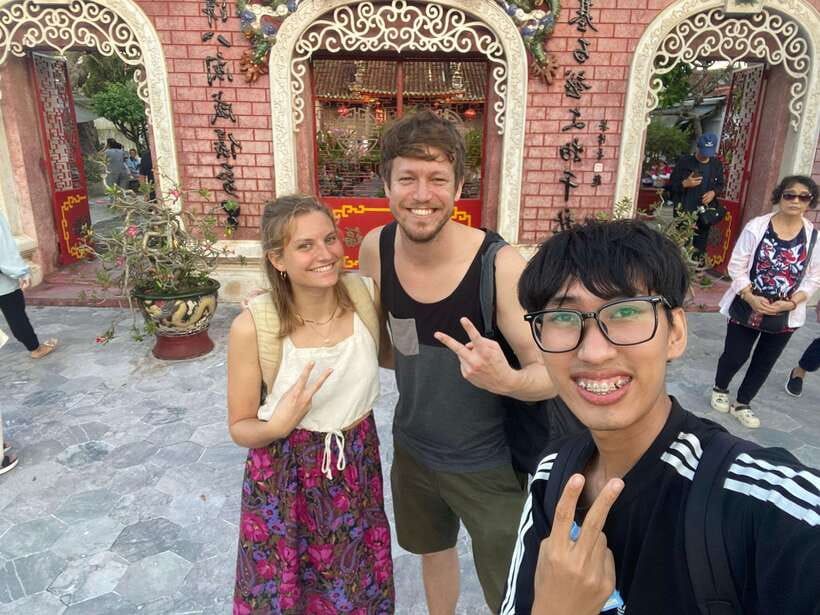
The Hoi An Traditional Art Performance House and the Museum of Folk Culture add local customs and creative life to the route.
The performance house gives you a look at traditional artistic practice. The museum broadens the picture with displays tied to folk culture and everyday life. Together, these stops keep the tour from focusing only on architecture.
I find this balance important. Hoi An is often presented through lanterns, old houses, and riverside photographs, but a town’s culture also lives in music, craft, ceremony, clothing, and ordinary household objects. These indoor visits offer a short introduction without requiring you to commit to a full evening show.
One participant found that taking this walking tour before seeing a larger cultural performance made the show easier to understand. That is a useful reason to schedule the walk early if you plan to attend another cultural attraction.
Hoi An Market: finish where daily life is happening

The market brings you back to the practical side of Hoi An. Here, the focus shifts from protected monuments to food, shopping, and the town’s everyday rhythm.
Your guide can help you make sense of what you are seeing and may point you toward local dishes or places to eat afterward. This is also the moment to ask specific questions. If you want a cafe, tailor shop, restaurant, or another activity, ask before the tour ends.
The market can be crowded and noisy, so keep personal belongings secure and stay close to the guide. The small group format helps, but you still need to pay attention at crossings and narrow passages.
The market is a sensible final major stop because it leaves you near many options for lunch, dinner, coffee, and shopping. You are not simply dropped at a landmark and left to work out the rest of your day.
Tea, dessert, and practical advice at the finish
A local tea, dessert, or herbal drink provides a relaxed ending. Some participants specifically enjoyed finishing with a refreshing drink at Mot, a well-known local stop included in the experience.
This is not a full meal, so do not book the walk expecting a food tour. The refreshment is a modest treat after several hours on foot. Its bigger value is the chance to sit or pause while asking the guide about the rest of your Hoi An visit.
The recommendations may be the most useful part for some people. Guides have offered suggestions for local restaurants, cafes, tailor shops, and other activities. Trung was also praised for following up with recommendations after the tour through WhatsApp, though you should not assume every guide will provide the same follow-up.
Take notes on your phone. Hoi An offers many choices, and a useful recommendation can save you from choosing a restaurant or tailor solely because it is on the busiest street.
Is $14 good value?
At $14 per person, this is a low-cost way to see a large share of central Hoi An. The price includes an English-speaking local guide, a small walking group, visits to key heritage sites, hidden lanes and photo spots, plus tea or a local dessert.
The extra heritage entrance ticket costs 120,000 VND per person and must be paid in cash. That raises the total cost, but the overall package remains good value if you would otherwise pay entrance fees separately and wander without much context.
The value comes from the number of stops and the local orientation. You see the Japanese Covered Bridge, Tan Ky Heritage House, assembly hall, cultural sites, market, and other landmarks in one organized route. You also receive advice that can shape the rest of your stay.
The tour is less valuable if you already know Hoi An well, have visited all these sites, or prefer to explore at your own pace. It also may feel quick if you want long photography sessions at every stop. Think of it as a guided foundation, not a complete education in Hoi An.
Group size, pace, and weather
The group limit of 10 is one of the strongest features. A small group makes it easier to hear explanations, ask questions, and take photographs without waiting for a large crowd to move.
The pace is generally described as easy and manageable. Guides make time for pictures and keep an eye on the group, which is especially helpful in crowded old-town lanes.
Hoi An’s weather still matters. The tour includes many indoor breaks, but you should wear light, comfortable clothing and bring water. A wet-day walk is possible, though rain may affect the route and the comfort of your shoes.
The old town can become especially crowded during Tet and other busy periods. The guide may need to adjust the order or shorten a stop. That is not a flaw in the tour so much as a fact of visiting a popular historic center.
Who should book this experience?
I would recommend it most strongly to first-time visitors, people with only a day in Hoi An, and anyone who wants cultural context before shopping and eating.
It also suits solo visitors and couples who want some company without joining a large coach group. Families with older children may appreciate the short route and indoor stops, but strollers are not permitted and babies under one year are excluded.
The tour is a good match for you if you enjoy asking questions, learning local stories, and walking at a moderate pace. It is less suitable if you have mobility limitations that make narrow streets and historic interiors difficult, since no special accessibility information is provided.
You can cancel up to 24 hours before the start for a full refund, and the reserve-now, pay-later option keeps your plans flexible. Check the available start times before booking, since the schedule can change by date.
Should you book the Hoi An Ancient Town walking tour?
Yes, if this is your first visit or your time is short. For $14 plus the 120,000 VND entrance fee, you get a sensible route through the old town, several important interiors, a small group, a local English-speaking guide, and advice you can use afterward.
I would book it near the beginning of your stay. Guides such as Trung and Duy have been praised for friendly humor, clear explanations, good photographs, and strong local suggestions. Just bring comfortable clothes, cash for the entrance ticket, and a little patience for crowded streets.
If you already know Hoi An’s main sights, choose a more specialized activity instead. For everyone else, this is an efficient and friendly way to learn what you are looking at before you set off on your own.
FAQ
How long does the Hoi An walking tour last?
The activity is advertised as 150 minutes. The old town visit may take around two and a half hours, so allow some extra flexibility in your schedule.
What is the tour price?
The walking tour costs $14 per person. The 120,000 VND UNESCO heritage entrance ticket is separate.
Is the entrance ticket included?
No. You must pay 120,000 VND per person in cash for the old town heritage site entrance.
Where does the tour meet?
The meeting point is 95 Phan Chu Trinh Street in Hoi An, in front of a tailor shop at the corner of an intersection.
What language is the tour conducted in?
The tour is conducted in English by a live local guide.
How many people are in the group?
The group is limited to a maximum of 10 participants.
Is the tour suitable for babies or strollers?
The activity is not suitable for babies under one year old, and baby strollers are not allowed.
Just added around Hoi An
- Hoi An bicycle tour to beautiful countryside★ 5.0 · 33 reviews
- Hoi An Countryside Discovery Tour By Motorbike – Local food★ 5.0 · 33 reviews
- Hoi An Ghosts, Death, Mystery Unveiled★ 5.0 · 33 reviews
- DaNang Airport Transfer to Hoi An by private car or vice versa★ 5.0 · 33 reviews
- Guided tour of Sampan distillery // Agricultural Rum Medalist★ 5.0 · 35 reviews
- Cooking class for lunch start at 12:00-3:00pm cooking yourself★ 5.0 · 35 reviews
- Hoi An city and Food tour★ 5.0 · 35 reviews
- HoiAn Walking Tours Night market, Colourful Lanterns, Boat Ride★ 4.5 · 36 reviews
Walking Tours, compared.

Private Street Food Evening Walking Tour in Ho Chi Minh City
Read our review →![[HOT] Hanoi Old Quarter Walking Street Food – Small Group Tour](https://5.vietnameseinsider.com/wp-content/uploads/hot-hanoi-old-quarter-walking-street-food-small-group-tour-400x267.jpg)
[HOT] Hanoi Old Quarter Walking Street Food – Small Group Tour
Read our review →
Super Niche Walking Street Food Tour in Ho Chi Minh City
Read our review →

Private Hanoi Street Food Walking Tour With Real Foodie
Read our review →

Hanoi Walking Street Food Tour with Train-Street Visit
Read our review →Browse the lists this tour appears in