
Reviewed · FOOD & DRINK
Hoi An hiden food adventure
Come hungry, leave better oriented. This three-hour walk is a smart introduction to Hoi An food and local life, taking you beyond the lantern-lit center to family homes, small eateries, old buildings, and back lanes that are easy to miss. I especially like the mix of famous dishes such as Cao Lau and Banh My with lesser-known treats like black sesame soup and Hoi An dumplings.
I also like the way the tour connects food with people. You may meet cooks who still use family recipes, visit a century-old dumpling workshop, and hear why local water, wells, and cooking methods matter. The main consideration is that you should arrive very hungry, and the separate Hoi An Old Town entrance ticket is not included.
In This Review
- Key things to know before booking
- Why the first night in Hoi An makes sense
- Starting with Hoi An’s quieter streets
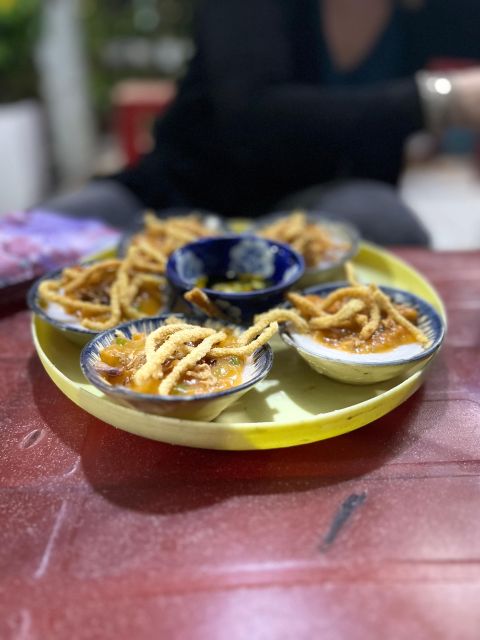
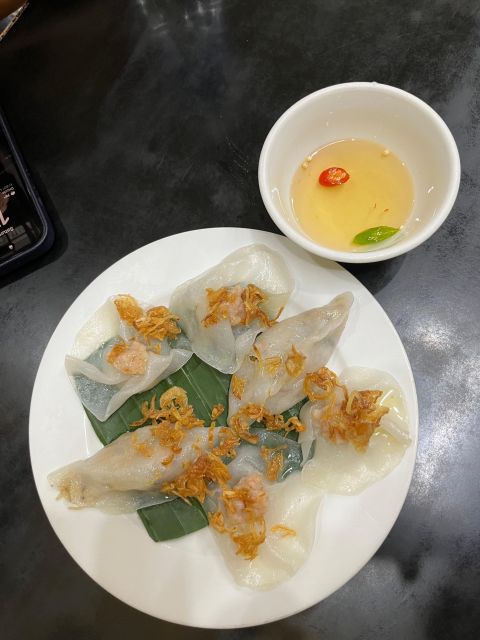
- First tastes: Banh Beo, dumplings, and wontons
- Cao Lau and the old well connection
- Banh My and Hoi An satay
- Black sesame soup and the final drink
- Meeting cooks inside their homes
- Hoi An stories between the meals
- Vegetarian and allergy planning
- Is $23 a fair price?
- Who will enjoy this food walk most?
- FAQ
- How long does the Hoi An Hidden Food Adventure last?
- What foods are included?
- Is a guide included?
- Where does the tour start?
- Where does the tour finish?
- Are vegetarian options available?
- Are drinks included?
- Is the Hoi An Old Town entrance ticket included?
- Can I cancel or pay later?
- Should you book this Hoi An food tour?
Key things to know before booking
- Seven or more food stops: Expect six or seven different foods and drinks, with some groups visiting seven or eight small restaurants and family kitchens.
- A first-night winner: The guide explains Hoi An dishes, history, and places to visit later, giving you useful bearings early in your stay.
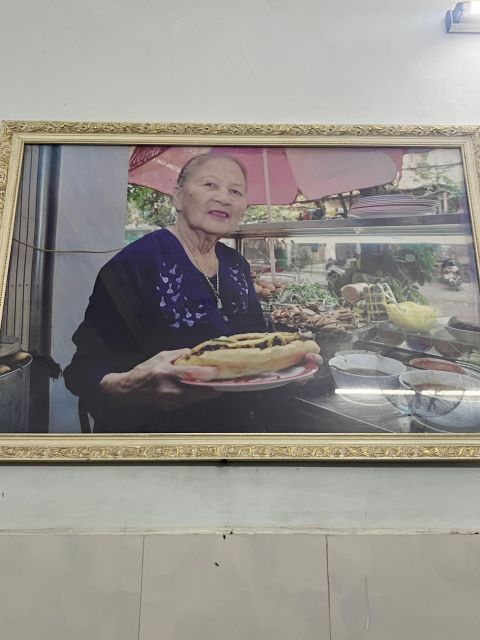
- Family recipes at the source: Some dishes are prepared in private homes or by families who have kept their methods for generations.
- A walking tour with a full meal: You explore back streets and finish near Chua Cau, also called the Japanese Covered Bridge, with plenty of food along the way.
- Vegetarian choices are available: Dietary needs are discussed at the start, and vegetarian alternatives can be arranged at the stops.
- Good value at $23: Food, an English-speaking guide, water, and one final drink are included, though drinks, tips, and the old town ticket cost extra.
Why the first night in Hoi An makes sense
I would schedule this food walk on your first evening in Hoi An. You get a quick introduction to the town, learn the names of dishes you may see on menus, and can ask your guide where to eat or what to do during the rest of your stay.
The tour also helps you understand that Hoi An food is not just a list of dishes. Its cooking traditions are tied to family homes, local ingredients, old wells, and the town’s long trading past. That context gives a bowl of noodles or a small dumpling more meaning.
The meeting point is at the gate of Hoi An Church at 106 Nguyen Truong To Street. Depending on the option booked, the starting point may also be shown as Starbucks Tran Hung Dao Hoi An or the same 106 Nguyen Truong To address, so check your confirmation carefully before setting out.
More Food Tours:
- Hoi An: My Son Sanctuary Early Morning w. Champa Food Brunch
★ 4.9 · 2,750 reviews - Evening Walking Food Tour, folk game and lantern boat
★ 5.0 · 665 reviews - Early Morning My Son Sanctuary Trip w. Champa Food & Coffee
★ 5.0 · 629 reviews
Starting with Hoi An’s quieter streets
The experience begins on foot, with no transport between food stops. That is part of its value. You are not simply dropped at a restaurant, fed, and sent back to your hotel. You move through ordinary streets and side lanes where homes, workshops, and small food businesses sit close together.
The route is designed to show a side of Hoi An that can be missed if you stay only along the main tourist streets. You may pass old buildings, local gathering places, and narrow back roads where daily life continues away from the lantern shops and souvenir stalls.
I would wear comfortable shoes and keep your hands free. The tour lasts about three hours, and the food comes in several rounds, so a small bag and a light meal beforehand are better than a large lunch that leaves you too full.
First tastes: Banh Beo, dumplings, and wontons
One likely early stop is Banh Beo, a small water-fern cake. It is one of the foods that can be hard to order confidently when you are on your own, especially if you do not know which local specialties are worth trying.
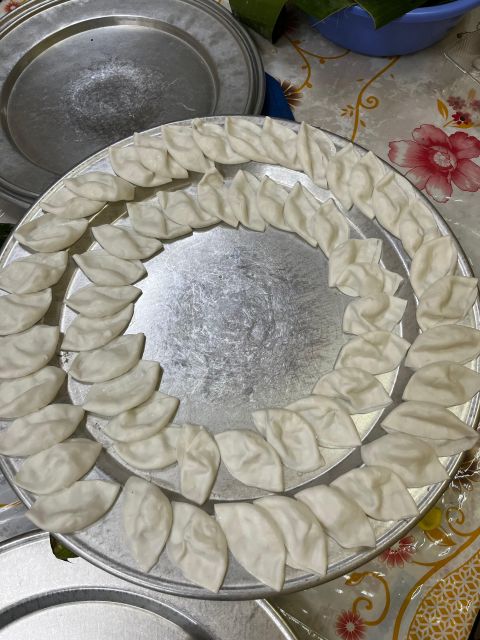
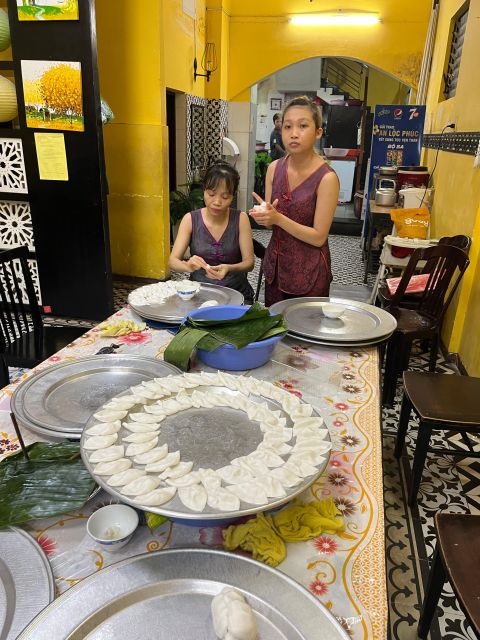
Hoi An dumplings and Hoi An wontons add another useful comparison. Their names may sound familiar, but the local versions have their own appearance, texture, and family methods. The guide explains what you are eating and how each dish fits into Hoi An’s food culture.
A special part of the route may be a visit to a local home or a family-run food stop. The point is not polished restaurant service. You sit close to the people making the food, see how the business fits into the household, and get a glimpse of cooking traditions passed from one generation to the next.
One advertised highlight is a 100-year-old local factory producing Hoi An dumplings. The exact stops can vary, but the family recipe is central to the story. This is the sort of detail that gives the tour its character.
Cao Lau and the old well connection
Cao Lau is probably the most important dish on the route. This famous Hoi An noodle dish is made with thick noodles, greens, herbs, and meat or another topping, depending on the preparation. The tour explains the method behind it rather than treating it as just another bowl of noodles.
The water used in Cao Lau is part of the local story. One stop may include an old well connected with the dish, including Ba Le Well, which appears in the route’s food and history stories. The guide uses this detail to explain why Cao Lau became so closely tied to Hoi An.
You may also hear about a recipe that has been passed down for roughly 300 years. I like this part because it turns a popular dish into a lesson in place. You begin to see why a food can be considered local even when similar noodles or herbs appear elsewhere in Vietnam.
Cao Lau is also a good example of why a guided food walk can be worth paying for. You could find the dish by yourself, but you may not learn which preparation is traditional, why it is connected to Hoi An, or how the local setting shaped it.
A few more Hoi An trips worth weighing up
- Hoi An Countryside Jeep Tour: Food, Culture & Daily Life
★ 5.0 · 414 reviews - Hoi An Countryside Vespa Tour: Food, Culture & Daily Life
★ 5.0 · 406 reviews - Hoi An at Sunset: Authentic Local Street Food Tour
★ 4.5 · 329 reviews - Hoi An Street Food Walking Tour with Tastings
★ 5.0 · 317 reviews
Banh My and Hoi An satay
The route includes Banh My, Vietnam’s famous filled baguette. Hoi An has its own strong reputation for this snack, and having it as one part of a longer tasting menu lets you compare it with the other dishes instead of treating it as the entire meal.
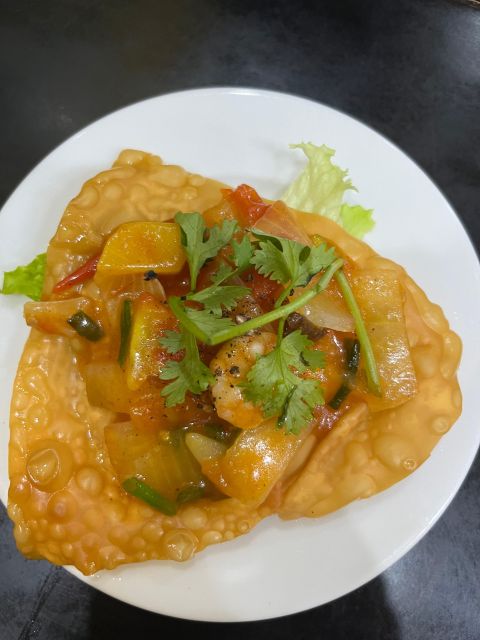
Hoi An satay is another listed stop. The seasoning and preparation add a different note to the evening, giving the menu more range than a series of similar noodles and dumplings.
The useful feature here is variety. You are not visiting one restaurant for a standard set meal. You are trying small portions at different places, each associated with a particular specialty. Several food stops may focus on just one dish, which helps explain why the food tastes and feels distinct from one location to the next.
Black sesame soup and the final drink
Save room for black sesame soup. It has been a favorite part of the experience for several people, and it offers a sweet finish after the savory foods. If you have never tried it, this is exactly the sort of local dessert that is easy to overlook on a short visit.
Water is included, along with one drink at the end of the tour. An iced tea has been a memorable final stop for some visitors, so do not assume the last drink is an afterthought. Other beverages and alcohol are not included, and you pay separately for those if you want them.
The amount of food is substantial. Some groups try seven dishes, while others receive 11 different dishes and snacks across the stops. The exact count can vary, but the practical advice stays the same: arrive hungry and do not plan a large dinner afterward.
Meeting cooks inside their homes
The home visits are the part I find most valuable. Small family kitchens show how food fits into everyday life in Hoi An, rather than presenting cuisine as something made only for visitors.
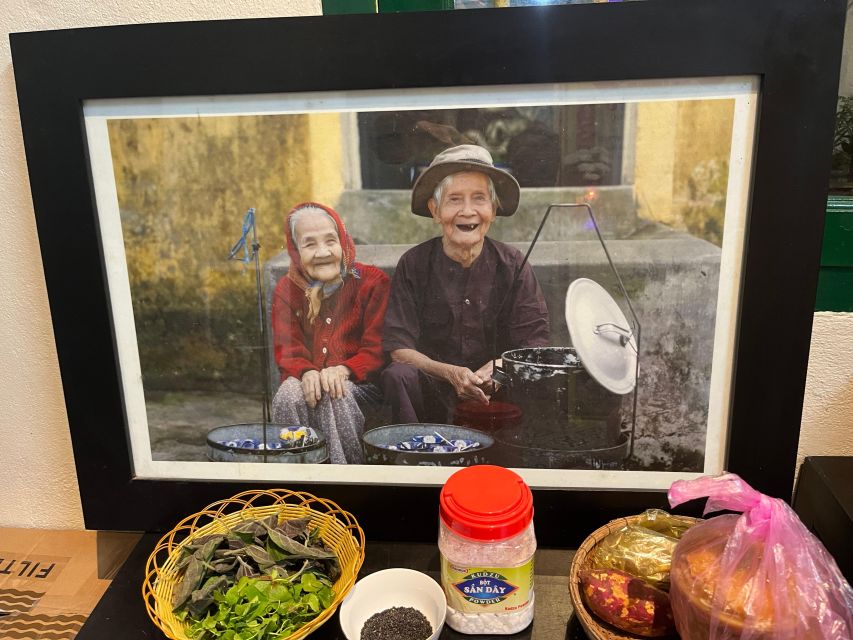
You might meet older cooks who still prepare dishes using their own family recipes. You may also see how several generations of a household are connected to a food business. That human contact makes the walking route feel less like a checklist of dishes.
There is an important distinction here. This is not a formal cooking class, and you should not expect to prepare every dish yourself. It is a guided tasting walk with access to family-run food places and stories about their methods.
For respectful visits, follow your guide’s lead. Ask before taking photographs inside homes, and remember that these are working households, not museum displays.
Hoi An stories between the meals
Your guide is part food host and part town guide. Guides named in recent bookings include Tham, Vu, Uyen, Phi, Danny, Nhuoc, and Viet. The repeated praise is for their warmth, patience, food knowledge, and ability to explain local customs.
Guide quality can vary slightly from person to person, as it does on any walking tour. A few people have needed time to adjust to a guide’s English pronunciation, while others found the explanations clear from start to finish. If you do not understand a food story, ask for it again. The guides are there to answer questions.
Along the way, you learn about old buildings and the people who live in the town. One stop may include an old well, while another brings you to a workshop or family home. These pauses keep the walk from becoming a simple restaurant crawl.
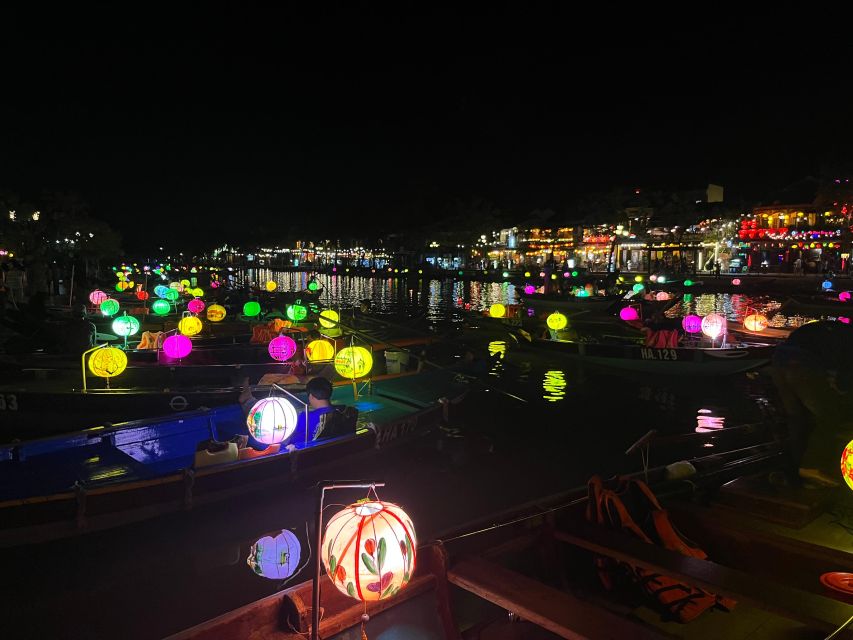
You also finish in the old town near Chua Cau, with the Hoai River nearby. The ending provides a pleasant change of pace after the food stops, especially if the walk takes place in the evening when the riverside is lit.
Vegetarian and allergy planning
Vegetarian food is available, and this is handled more thoughtfully than simply removing meat from a dish. At the beginning, tell your guide exactly what you eat and what you avoid.
Vegetarian participants have been offered alternatives at the stops, including groups where one person ate meat and another chose vegetarian dishes. The food route can still work well for mixed groups.
Allergies deserve a direct conversation before the first bite. Peanut and shrimp allergies have been accommodated by checking ingredients and adjusting dishes. Still, you should state the allergy clearly when booking and repeat it to the guide at the meeting point. A food tour crosses several small kitchens, so careful communication matters.
Is $23 a fair price?
At $23 per person, the tour is good value if you want a full dinner and a local introduction in one package. The fee includes the English-speaking guide, all food in the planned tastings, water, and one drink at the end.
The price also covers the work of finding small family-run places that you might not locate on your own. You are paying for the guide’s route, explanations, introductions, and food, not just for individual snacks.
Budget for a few extras. Tips for the local guide, alcohol and other drinks, and the Hoi An Old Town entrance ticket are not included. A $37 surcharge applies on Vietnamese public holidays, with the exact amount tied to the option booked, so check the total before paying.
The free cancellation policy allows cancellation up to 24 hours before the start for a full refund. You can also reserve now and pay later, which is useful if your arrival plans are still shifting.
Who will enjoy this food walk most?
I would choose this for first-time visitors who want help ordering local dishes and understanding what they are eating. It also suits couples, families, and small groups who prefer a private group option rather than a large organized outing.
Food lovers will appreciate the number of stops and the focus on specialties. History-minded visitors will like the old buildings, local stories, family recipes, and Cao Lau explanation.
It is less suitable if you want to sit down for one long, quiet meal. The evening involves walking, several short tastings, and visits to modest local eateries. You should also be comfortable with food served in homes or small family businesses rather than in formal dining rooms.
The route is a good fit for vegetarians, but anyone with serious dietary restrictions should confirm details in advance. Exact dishes and stops can change, so treat the published menu as a guide to the food style rather than an absolute promise of every item.
FAQ
How long does the Hoi An Hidden Food Adventure last?
The tour lasts three hours, including walking, guided sightseeing, and food tastings around Hoi An.
What foods are included?
The listed foods include Banh Beo, Hoi An dumplings, Hoi An wontons, Banh My, Hoi An satay, Cao Lau noodles, and black sesame soup. The tour includes six or seven different foods and drinks, though some groups visit more stops.
Is a guide included?
Yes. An English-speaking live tour guide is included.
Where does the tour start?
The meeting point may be at the gate of Hoi An Church at 106 Nguyen Truong To Street. Some booking options also show Starbucks Tran Hung Dao Hoi An, so check the meeting point for your selected option.
Where does the tour finish?
The tour finishes at Chua Cau, also known as the Japanese Covered Bridge, in Hoi An’s old town.
Are vegetarian options available?
Yes. Vegetarian options are available, and you should tell the guide about your dietary needs at the start.
Are drinks included?
Water and one drink at the end of the tour are included. Other beverages and alcohol are not included.
Is the Hoi An Old Town entrance ticket included?
No. The Hoi An Old Town entrance ticket is not included in the tour price.
Can I cancel or pay later?
You can cancel up to 24 hours in advance for a full refund. Reserve-now, pay-later booking is also available.
Should you book this Hoi An food tour?
Book it if you want more than a list of dishes. The best parts are the family kitchens, the back streets, the Cao Lau story, and the chance to ask a local guide what to do next in Hoi An.
I would book it for the first night, arrive very hungry, list every allergy clearly, and confirm the meeting point and public holiday surcharge. If you prefer one refined restaurant meal or dislike walking between several casual food stops, choose a different dinner. For most visitors seeking a friendly, filling, and genuinely local introduction to Hoi An, $23 is a sensible buy.
Just added around Hoi An
- Hoi An bicycle tour to beautiful countryside★ 5.0 · 33 reviews
- Hoi An Countryside Discovery Tour By Motorbike – Local food★ 5.0 · 33 reviews
- Hoi An Ghosts, Death, Mystery Unveiled★ 5.0 · 33 reviews
- DaNang Airport Transfer to Hoi An by private car or vice versa★ 5.0 · 33 reviews
- Guided tour of Sampan distillery // Agricultural Rum Medalist★ 5.0 · 35 reviews
- Cooking class for lunch start at 12:00-3:00pm cooking yourself★ 5.0 · 35 reviews
- Hoi An city and Food tour★ 5.0 · 35 reviews
- HoiAn Walking Tours Night market, Colourful Lanterns, Boat Ride★ 4.5 · 36 reviews
Food & Drink, compared.

Hanoi Jeep Tour: Food, Culture and Fun by Vietnam Army Jeep
Read our review →
Ho Chi Minh City Street Food Tour & Sightseeing By Motorbike
Read our review →
Hanoi Motorbike Tour: Food, Culture and Fun by Vintage Motorbike
Read our review →
Small Group Hanoi Street Food Tour with a Real Foodie
Read our review →
Saigon By Night and Street Food By Motorbike | Opt: Ao Dai Riders
Read our review →
Private Street Food Tour by Motorbike/Car with Local Students
Read our review →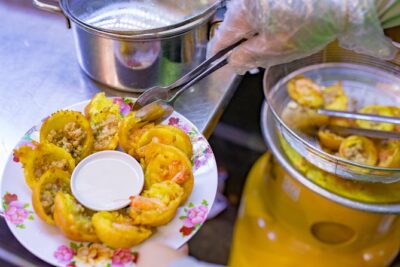
Private Street Food Evening Walking Tour in Ho Chi Minh City
Read our review →Browse the lists this tour appears in