
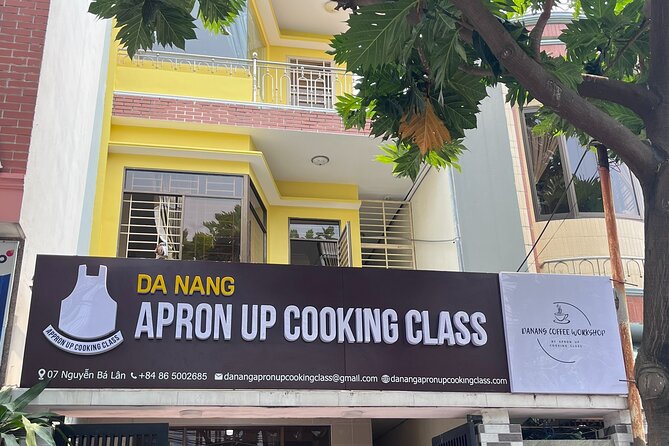
Reviewed · COOKING CLASSES
5 traditional dishes Da Nang cooking class with market trip
Da Nang tastes better from a market basket. This four-hour class links a visit to Chợ Bắc Mỹ An with five Central Vietnamese dishes, giving you more than a recipe lesson. I like the market stop, where you see the produce before it reaches the cooking table, and I like the broad menu, from Bún Bò Huế and Bánh Xèo to young jackfruit salad and avocado ice cream. The one point to consider is that some preparation and plating may be shared, especially in a larger group.
The class costs $39 per person and ends back at its starting point on Nguyễn Bá Lân Street. Instructors such as Blue, Bora, and Chi have been praised for their patience, humor, clear demonstrations, and work with children. With a maximum of 30 people, the feel may change from a small group of six to a fuller session, so do not expect the same level of personal attention every time.
In This Review
- Key points at a glance
- Why this Da Nang class earns its five-star reputation
- Meeting on Nguyễn Bá Lân Street
- Chợ Bắc Mỹ An: the best part for curious eaters
- Five dishes, five different lessons
- What the hands-on cooking is really like
- Sitting down to eat your own work
- The instructors are part of the value
- What you take home besides a full stomach
- Who should book this experience?
- Should you book the Da Nang cooking class?
- FAQ
- Where does the cooking class begin?
- Does the class visit a local market?
- How long does the experience last?
- What dishes are included?
- Is food included in the price?
- What do I receive at the end?
- Can I cancel for a full refund?
Key points at a glance
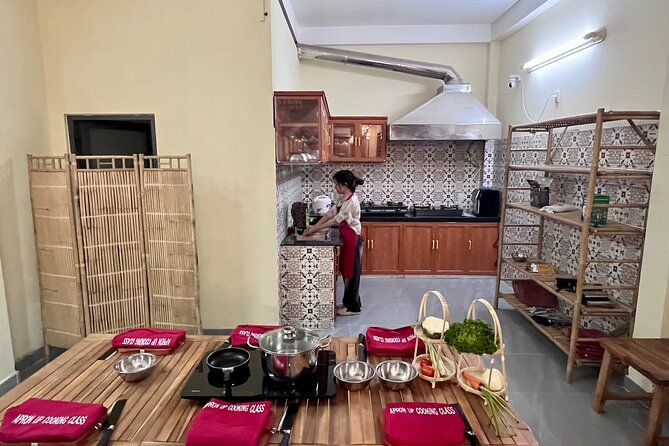
- Chợ Bắc Mỹ An comes first: You shop for ingredients at a nearby local market before cooking.
- Five dishes cover several styles: The menu includes noodle soup, savory pancake, fresh rolls, salad, and dessert.
- Central Vietnam is the focus: Bún Bò Huế and Bánh Xèo give the class a strong regional identity.
- Instructors make the difference: Blue, Bora, and Chi are noted for patient teaching, humor, and clear English.
- You eat what the class prepares: Lunch or dinner, fruit, rice vodka, and drinks are included.
- You leave with useful takeaways: A cookbook and certificate are provided at the end.
Why this Da Nang class earns its five-star reputation
A good cooking class should help you understand a place, not just keep your hands busy for an afternoon. Apron Up Cooking Class gets the order right: market first, kitchen second, meal last. That simple pattern gives the food a story.
The class has a 5.0 rating from 331 reviews, with 100 percent recommending it. That high score makes sense when you look at the parts people praise most: the friendly instructors, the market visit, the food itself, and the chance to cook with your own hands.
I especially like the balance of the menu. You are not making five versions of the same spring roll. You work with soup, a crisp pancake, a fresh roll, a salad, and a cold dessert. That gives you a better feel for the range of Vietnamese cooking and keeps the four hours from becoming repetitive.
The price is $39. That is fair value for a four-hour activity with a guided market visit, cooking tools, food, coffee or tea, fruit, rice vodka, a cookbook, and a certificate. You are also paying for instruction and a local introduction to ingredients, not just a restaurant meal. If you only want to eat, cheaper options are easy to find in Da Nang. If you want skills and context to take home, this is a stronger use of your money.
More Cooking Classes in Da Nang
- 5 Dishes Cooking Class with Market Trip in Da Nang
★ 5.0 · 466 reviews - Da Nang Authentic Home Cooking Class
★ 5.0 · 354 reviews - Da Nang Cooking Class with Coffee Tasting and Market Visit
★ 5.0 · 310 reviews
Meeting on Nguyễn Bá Lân Street
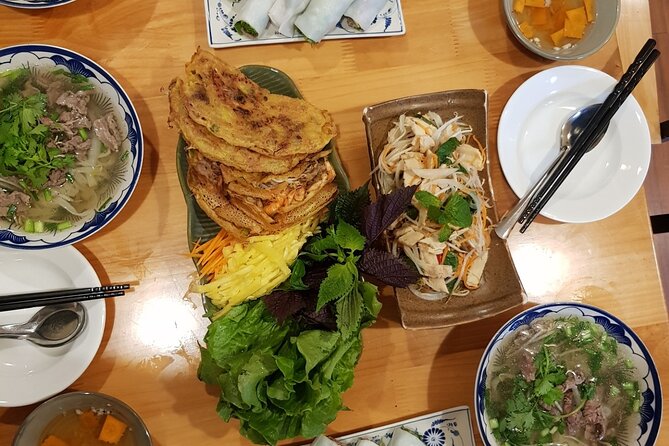
You meet at 07 Nguyễn Bá Lân Street in Bắc Mỹ An, Ngũ Hành Sơn, Da Nang. Arrive 10 minutes before the start time. The class begins and ends at this address, so you do not need to arrange a separate ride back after eating.
The meeting point is near public transportation, and mobile tickets are accepted. Confirmation arrives when you book. Since the class requires a minimum number of participants, a cancellation is possible if that minimum is not reached. In that case, you receive another date or experience, or a full refund.
The four-hour length matters. This is not a rushed demonstration squeezed between sightseeing stops. You have time to visit the market, return to the kitchen, prepare several dishes, sit down to eat, and talk with the instructor about local life.
Chợ Bắc Mỹ An: the best part for curious eaters
The first stop is Chợ Bắc Mỹ An, a nearby market where you learn about local produce and help shop for the ingredients needed in class. This is more useful than simply walking through a market with a camera. You see the food selected for a purpose, then watch it become part of your meal.
A local guide helps explain the products and the stories behind the dishes. That matters in Vietnam, where ingredients can look unfamiliar and their role in a recipe is not always obvious from a quick glance. The market gives you a chance to connect names, colors, smells, and cooking methods before the lesson begins.
You also get a more ordinary view of Da Nang. The market visit is not presented as a grand attraction. Its value comes from seeing where everyday ingredients are bought and learning how the class menu fits into local food culture.
Bring comfortable shoes and expect a working market rather than a polished food hall. The tour data does not specify the exact market duration or every ingredient purchased, so the pace can vary. Still, this opening stop is one of the strongest reasons to choose this class over a kitchen-only session.
Five dishes, five different lessons
Back at the cooking school, you prepare a menu built around familiar Central Vietnamese favorites. The exact amount of individual preparation can vary, but the listed menu includes:
- Bún Bò Huế: A beef noodle soup associated with Huế, a city known for powerful, carefully balanced flavors.
- Bánh Xèo: A crisp Vietnamese savory pancake, one of the class favorites according to the feedback provided.
- Tam Hữu fresh roll: A fresh rice-paper roll that introduces a lighter style of Vietnamese cooking.
- Young jackfruit salad: A regional-style salad with a less familiar main ingredient.
- Da Nang avocado ice cream: A sweet local-style finish, with a vegetarian version of the menu available for vegetarians.
This is a smart menu for a short class. The noodle soup shows how a dish is built in a group setting. The pancake teaches texture and timing. The roll requires careful handling. The salad introduces a fruit often overlooked by first-time visitors, and the avocado dessert gives you an unusual ending.
The class also mentions flexibility for dietary requirements. Vegetarians can receive a vegetarian version, but you should explain your needs when booking rather than waiting until the lesson begins. The supplied information does not list every possible substitution, so ask in advance if you have allergies or strict dietary rules.
A few more Da Nang trips worth weighing up
- Hoi An: Lantern Making, Basket Boat, and Cooking Class
★ 4.9 · 233 reviews - RICE PAPER Noodle Making Experience & Hoi An Cooking Class Class
★ 5.0 · 164 reviews - DaNang Farm-to-Table Cooking Class with Market and Coffee Tasting
★ 5.0 · 131 reviews - Market Tour, Basket Boat Ride & Cooking Class by Hangcoconut
★ 4.8 · 95 reviews
What the hands-on cooking is really like
The instructors demonstrate techniques, explain the steps, and guide you through the recipes. Blue is described as warm and well prepared, Bora as easy to connect with, and Chi as a strong teacher who explains methods clearly. Their friendly style seems to be a major part of the experience, especially for families.
Children aged 10 and 13 were specifically supported during one class, which suggests the activity can work well for families with older children. The lesson also suits beginners. You do not need to arrive with professional knife skills or a large collection of Vietnamese cooking experience.
Keep your expectations realistic about personal workspace. The maximum group size is 30, although one reported session had six people. That is a big difference. A small class can give you more direct help and more control over each dish. A full class may feel more social but can mean shared preparation or less individual plating time.
One point deserves attention: not every person necessarily prepares every dish alone. The soup may be made as a group recipe, and other dishes may involve shared plating. If you want five completely independent dishes assembled by you from start to finish, this may feel less hands-on than expected.
That is not necessarily a flaw. Group cooking can make the class social and practical, especially when a recipe requires a large pot or several stages. But it is worth knowing before you book.
Sitting down to eat your own work
After cooking, you enjoy the meal together with fruit, coffee or tea, and rice vodka. The experience includes lunch and dinner in the package description, though the exact meal period depends on the scheduled class time.
Eating at the end is more than a reward. It lets you taste the results while the techniques are still fresh. You can compare the crispness of the Bánh Xèo, the texture of the rolls, the balance of the soup, and the flavor of the jackfruit salad.
The shared meal also gives you time to talk with the instructor about local life. That informal conversation is often where a cooking class becomes more personal. You are not only copying instructions. You are learning how food fits into daily routines and regional identity.
The food receives consistent praise, but one honest caution is useful. Not every dish will suit every palate, and one participant found the lettuce and beef rice-paper roll difficult to assemble and lacking flavor. Fresh rolls can be fiddly, especially when the rice paper softens too quickly. Listen carefully during that step, and do not overfill the wrapper.
The instructors are part of the value
The names Blue, Bora, and Chi appear in the class feedback, but the larger pattern is more important than any single teacher. The instructors are praised for clear language, patience, humor, and an ability to help beginners.
That matters because Vietnamese recipes often depend on feel. A pancake can be too soft, a roll can split, and a salad can lose its texture if ingredients are treated too roughly. A good teacher notices these problems as they happen and shows you how to correct them.
The class also received strong marks for working with children. If you are booking as a family, the friendly teaching style may be more valuable than a highly technical lesson. Younger participants get a real role rather than simply watching a chef work.
Still, instructor style can vary from session to session. You may have Blue, Bora, Chi, or another member of the team. The experience appears to depend partly on who leads your class and how large the group is.
What you take home besides a full stomach
At the end, you receive a cookbook and a certificate. The cookbook includes the dishes prepared in class and a few additional recipes, giving the activity some value after your holiday ends.
That recipe book is important because a cooking class can fade quickly once you return home. Written instructions help you remember the order of preparation and give you a chance to repeat the meal while the market visit and lesson are still fresh in your mind.
The certificate is a small souvenir rather than a serious qualification. I would treat it as a pleasant reminder of the afternoon, not as proof of professional culinary training.
Who should book this experience?
I would recommend this class to you if you want a food activity with local context, not just a restaurant tasting. It suits first-time cooks, couples, solo visitors who want to meet people, and families with older children.
You will get the most from it if you enjoy asking questions, trying unfamiliar ingredients, and eating a shared meal. The market visit is a strong fit for anyone interested in ordinary Da Nang life, while the menu works well for people who want to understand several Vietnamese cooking styles in one session.
You may want to skip it if you dislike group cooking or need complete control over every dish. A larger class can limit personal attention, and some recipes may be prepared collectively. People with serious allergies should also confirm possible adjustments ahead of time.
The class is near public transportation, service animals are allowed, and the activity is limited to a maximum of 30 participants. Free cancellation is available if you cancel at least 24 hours before the start time. Cancellations or changes inside that window are not refunded or accepted.
Should you book the Da Nang cooking class?
Yes, if you want a practical introduction to Central Vietnamese food and a market visit that adds real context. The strongest features are the varied five-dish menu, friendly teaching, hands-on work, and meal at the end.
At $39, the package offers good value for four hours, especially with food, tools, drinks, a cookbook, and a certificate included. Book it for the market connection and the chance to repeat the recipes at home, not simply for a guaranteed private cooking station.
Before paying, confirm your dietary needs and remember that the maximum group size is 30. If you are comfortable sharing some preparation, this is an enjoyable and useful choice. If you want a quiet, highly private lesson, look for a smaller class instead.
FAQ
Where does the cooking class begin?
It begins at 07 Nguyễn Bá Lân Street, Bắc Mỹ An, Ngũ Hành Sơn, Da Nang 550000, Vietnam. You should arrive 10 minutes before the start time.
Does the class visit a local market?
Yes. The group visits Chợ Bắc Mỹ An to learn about local produce and buy ingredients for the cooking lesson.
How long does the experience last?
The activity lasts approximately four hours, including the market visit, cooking lesson, meal, and closing activities.
What dishes are included?
The listed menu includes Bún Bò Huế, Bánh Xèo, Tam Hữu fresh roll, young jackfruit salad, and Da Nang avocado ice cream. Vegetarians can receive a vegetarian version.
Is food included in the price?
Yes. The experience includes lunch or dinner, coffee or tea, fruit, and rice vodka, along with the ingredients and cooking tools needed for the class.
What do I receive at the end?
You receive a cookbook and a certificate after eating the food prepared during the class.
Can I cancel for a full refund?
Yes, if you cancel at least 24 hours before the experience start time. Cancellations and changes made less than 24 hours before the start are not refunded or accepted.
More Market Visits
- Guided Tour to Marble Mountains & Hoi An Walking Tour , Night Market, Boat Ride
★ 5.0 · 218 reviews - Hoi An Night Market with Hoi an walking Tour , Colourful Lanterns, Boat Ride
★ 5.0 · 142 reviews - Marble Mountain – Hoi An Colour Lanterns & Night Market from DN
★ 5.0 · 67 reviews - Da Nang By Night: Seafood dinner, night market and cruise trip
★ 5.0 · 38 reviews
More Cooking Classes
- Home Cooking Class: Market, Garden and cooking 4 dishes
★ 5.0 · 61 reviews - Cook 5 Dishes Authentic Vietnam Food and Market Adventure
★ 5.0 · 56 reviews - Hanoi Cooking Class: Culture, Local Market & Meaning CSR Impact
★ 5.0 · 5,147 reviews - 5 Traditional Dishes Hanoi Cooking Class with Market Trip
★ 5.0 · 4,890 reviews
Just added around Da Nang
- Bach Ma National Park trekking daily tour from Da Nang, Hoi An★ 5.0 · 33 reviews
- Da Nang and Hoi An city Private Tour ( 10 Hours)★ 5.0 · 33 reviews
- Ba Na Hills and Golden Bridge Full-day Tour from Da Nang★ 4.5 · 34 reviews
- Cham island snorkeling tour★ 5.0 · 34 reviews
- Ba Na Hills & Golden Bridge with Fantasy Park Tour-Optional Lunch★ 5.0 · 35 reviews
- Group Tour: Visit Hue Imperial From Da Nang – Full Day Trip★ 5.0 · 35 reviews
- Lady Buddha, Monkey Mountain, Marble Mountain, Hoi An PrivateTour★ 5.0 · 35 reviews
- Early My Son tour/transfer to avoid crowd and the heat★ 4.8 · 35 reviews
Cooking Classes, compared.
Hanoi Cooking Class: Culture, Local Market & Meaning CSR Impact
Read our review →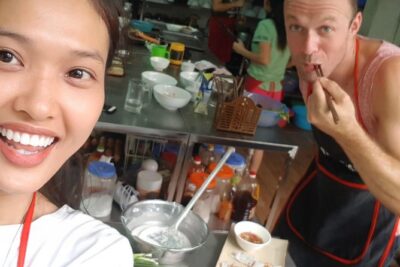
5 Traditional Dishes Hanoi Cooking Class with Market Trip
Read our review →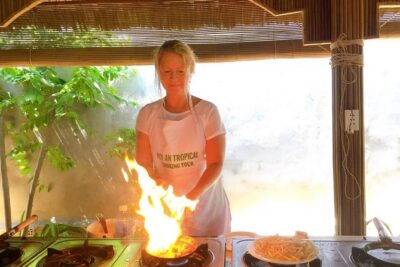
Cooking Class Hoi An:Local Market, Basket Boat, Fishing & Cooking
Read our review →
Hoi An Cooking Class(Market,BasketBoat Crabfishing&Cooking Class)
Read our review →
Mekong Delta Boat,Khotcake cooking Coconut Village,SmallGroup
Read our review →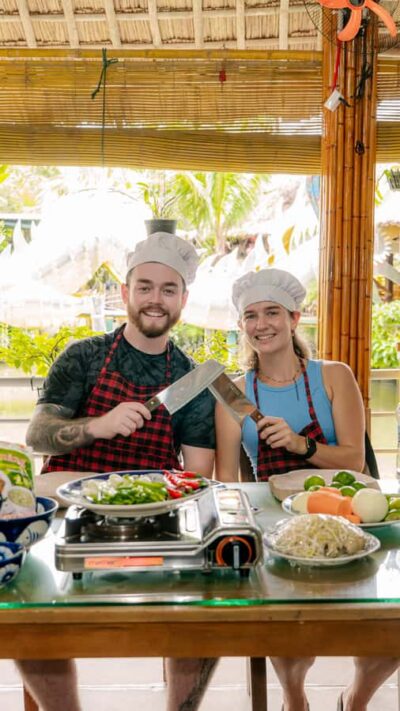
Market Tour, Basket Boat Ride and Cooking Class
Read our review →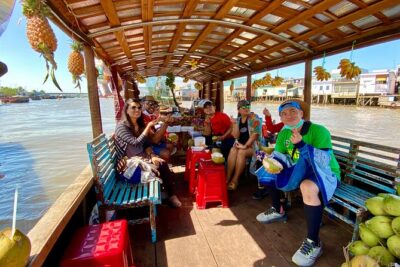
Cai Be Mekong Delta Tour: Cooking Class, Cycling & Craft Villages
Read our review →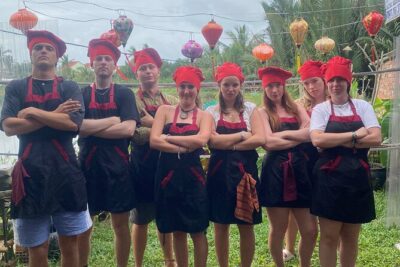
Hoi An Cooking Class(Local market,Basket Boat,Fishing & Cooking)
Read our review →Browse the lists this tour appears in