
Reviewed · COUNTRYSIDE AND VILLAGE TOURS
Discover Traditional Silk Process in Hoi An Silk Village
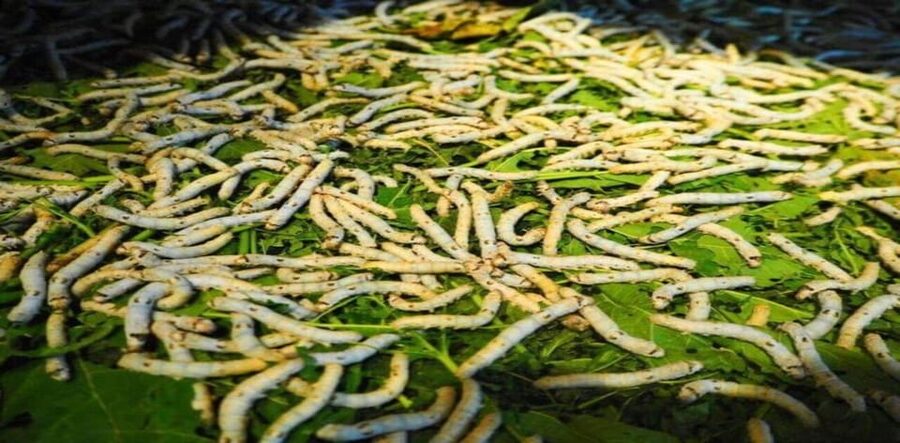
Silk begins with a very small, busy creature. At Hoi An Silk Village, you follow the process from mulberry garden and silkworm house to cocoon, thread, loom, and finished cloth. I like the clear hands-on demonstrations and the chance to see older Champa and Dai Viet methods still used today. The main drawback is the short 50-minute format, which keeps the visit brisk, and the shop’s fabric selection may not suit every taste.
This is a good stop when you want a cultural activity without giving up half your day. I also like the low $11 price, English-speaking guides, and the chance to ask questions directly while workers spin and weave. Bring comfortable shoes and leave large bags behind, since some rooms are small and the site is not suitable for wheelchair users or people with mobility limitations.
In This Review
- Key points to know before you go
- Why a short silk tour works in Hoi An
- Starting at the Quang Nam traditional house
- Seeing the mulberry garden and silkworm house
- The cocoon-to-thread process at the Unraveling House
- Handwoven cloth and Champa textile traditions
- The exhibition and silk shop
- Guides, group size, and the pace
- Planning your visit at 28 Nguyen Tat Thanh
- Who will enjoy this silk village visit
- Is the Hoi An Silk Village tour worth $11?
- FAQ
- How long does the Hoi An Silk Village tour last?
- What does the $11 price include?
- Where do I meet the guide?
- Can I see the full silk-making process?
- Can I buy silk products after the tour?
- Is the tour suitable for wheelchair users?
Key points to know before you go
- The full silk process fits into 50 minutes: You see mulberry growing, silkworm care, cocoon unwinding, spinning, weaving, and finished products.
- Traditional methods are the focus: The village protects mulberry varieties and handmade silk techniques linked to the Champa and Dai Viet eras.
- The cocoon stage is memorable: You can watch silk thread being drawn from cocoons, a process that unfortunately kills the silkworm.
- Guides make a big difference: Thu and Tsu have received praise for clear English, patience, and helpful explanations.
- The final shop visit is useful but selective: You learn to tell pure silk from imitation fabric, though the print selection may feel limited or visually busy.
- The location is easy to plan around: Meet at 28 Nguyen Tat Thanh in Hoi An, with no hotel pickup or drop-off included.
Why a short silk tour works in Hoi An
Hoi An offers plenty of food, architecture, and tailor shops. Silk production gives you a different way to understand the area. Instead of simply seeing finished shirts, scarves, or dresses, you learn how much work sits behind the cloth.
The visit connects agriculture, animal care, handcraft, and trade. Mulberry trees feed the silkworms. The cocoons provide the thread. Workers then spin, dye, and weave that thread into fabric. Each step depends on the one before it, so the finished product feels less like a shop item and more like the last stage of a long chain.
At $11 per person, I consider this good value if you are curious about local craft. The price includes admission, an English-speaking guide, and a bottle of water. You do not pay for a meal, transport, or personal purchases, but the low entry price makes those exclusions reasonable.
The 50-minute length is both a strength and a limit. You can fit it between Hoi An’s old town, lunch, or a tailoring appointment. You will not get a long workshop or a full afternoon with the weavers, so keep your expectations focused. Think of it as a compact introduction rather than a full silk-making course.
More Countryside and Village Tours in Hoi An
- HOI AN Hidden Gems in Rural Villages & River Islands PRIVATE TOUR
★ 5.0 · 494 reviews - Hoi An Countryside Jeep Tour: Food, Culture & Daily Life
★ 5.0 · 414 reviews - Hoi An Countryside Vespa Tour: Food, Culture & Daily Life
★ 5.0 · 406 reviews
Starting at the Quang Nam traditional house
The visit begins with a welcome drink and an introduction inside a traditional house connected with Quang Nam’s sericulture traditions. Here, you hear how people grew mulberry trees, raised silkworms, and built a local silk trade.
This opening matters because it places the craft in its setting. Silk is not just a decorative product. It depends on land, water, plant cultivation, careful timing, and skilled labor. The discussion also links the village to older Champa and Dai Viet practices, giving you useful context before you see the tools and workers.
The explanation may move quickly because the whole tour lasts less than an hour. If you have a specific question about mulberry growing or traditional garments, ask early. Guides such as Thu and Tsu have been praised for clear English and patient answers, so this is a good place to make use of the live guide rather than simply walking from room to room.
The group can sometimes be small. One recent visit had only five people, which helped in the tighter rooms. At other times, school groups may be present, and this can delay the scheduled start. Staff have been described as keeping people informed when that happens. If you have a strict appointment immediately afterward, leave some extra time.
Seeing the mulberry garden and silkworm house
Next, you visit the old mulberry gardens and the silkworm-breeding house. This is one of the most valuable parts of the experience because it shows the first stage, before silk looks like fabric at all.
You learn how mulberry leaves feed the silkworms and how the insects are cultivated. The village is especially important for preserving valuable mulberry genetic sources, so the garden is not simply decoration for the tour. It represents the plant side of the craft and helps explain why silk production needs knowledge of farming as well as weaving.
The breeding house gives you a closer look at the work involved in raising silkworms. Feeding them and keeping the process moving requires regular care. The tour does not present silk as a magical product that appears from nowhere. You see the practical chain from leaf to larva to cocoon.
For younger visitors, this may be the most memorable stop. For some adults, it may also raise a difficult question about the cost of silk. The cocoon must be processed before the moth emerges, and the traditional extraction method kills the silkworm. One visitor called this part a favorite because it was so revealing, while also pointing out the uncomfortable reality. That directness makes the visit more useful than a polished sales pitch.
The cocoon-to-thread process at the Unraveling House
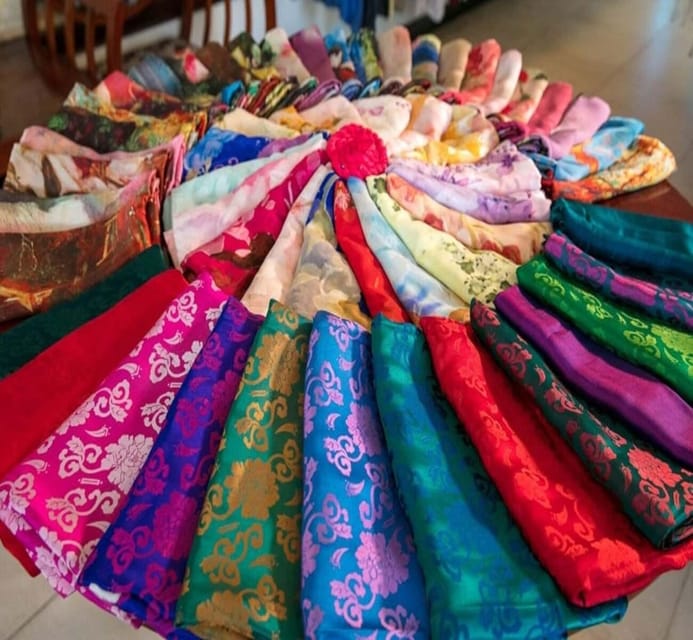
The Unraveling House explains how silk thread comes out of the cocoon. This is the moment when the process becomes easy to follow. You see how workers handle the cocoons and draw out the continuous filaments that can later become thread.
The demonstration of spinning and silk extraction has earned especially strong praise. It is also where the word handmade gains real meaning. A silk shirt in a shop can look simple, but the thread began as a delicate filament that required careful handling.
You may find this station more interesting than the final retail display because it shows a working process rather than a finished object. Watch the hands of the workers. Small movements control the thread’s thickness and continuity, and the demonstration helps you understand why silk is valued for its feel and appearance.
Ask about the difference between the thread and the finished fabric if the timing allows. The guide can help connect the extraction process with weaving, so you are not left with separate demonstrations that never quite join together.
The room may feel tight when several groups arrive. Large bags are not allowed, and that rule makes practical sense here. Travel light, keep your phone or camera ready, and wear shoes that are comfortable for standing and walking between buildings.
More Countryside and Village Tours:
- Hoi An Countryside Bike Cycling Tour with Basket Boat and lunch
★ 5.0 · 325 reviews - Hoi An: Morning Countryside Tour by Bike
★ 4.8 · 303 reviews - Hoi An Morning Countryside Tour by Bike
★ 5.0 · 282 reviews - Hoi An countryside cycling tour
★ 5.0 · 227 reviews
Handwoven cloth and Champa textile traditions
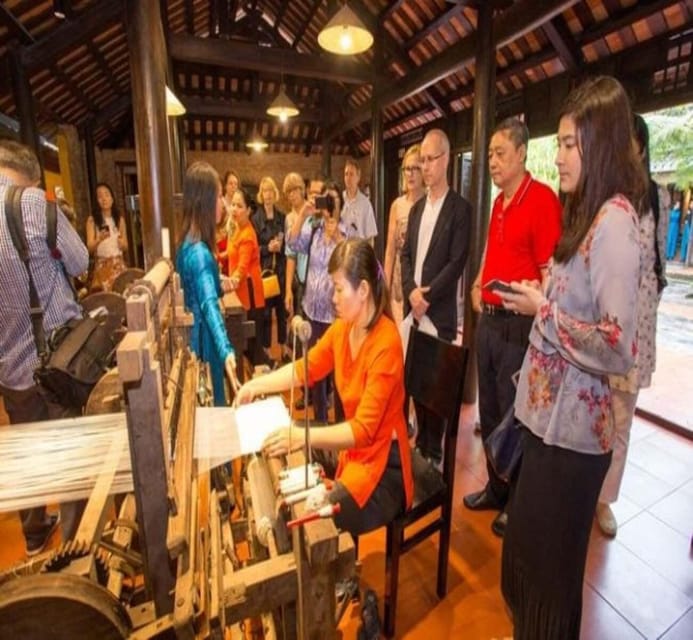
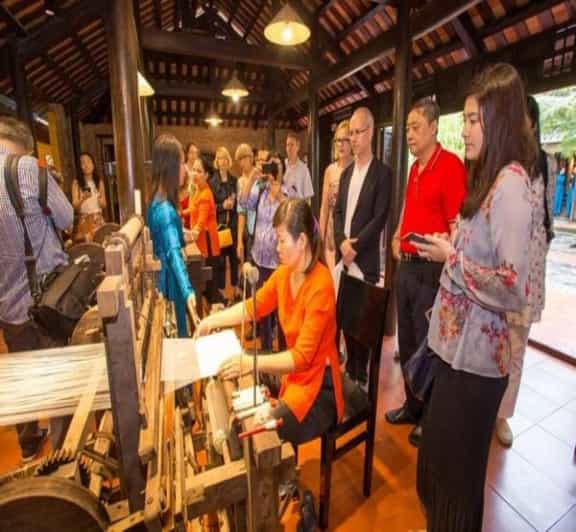
The traditional silk-weaving house takes you from thread to fabric. Here, you see workers using looms to create patterned cloth and learn about Vietnamese silk weaving, including handicrafts associated with the Champ people.
This is a valuable stop for anyone interested in clothing and design. The fabric is not simply about color. The weaving method, the quality of the thread, and the maker’s control of the loom all affect the final result. Seeing the workers at their stations gives you a better way to judge fabric when you later visit Hoi An’s tailor shops.
The tour also helps separate regional traditions from the general idea of Vietnamese silk. Champa and Dai Viet influences are part of the story, and the village presents textile work as a cultural practice rather than only a commercial product.
You should not expect to spend a long time operating a loom yourself. The experience centers on watching, listening, and asking questions. Still, the demonstration is more satisfying than a display of silent machines because you can see the human rhythm behind the cloth.
If you like buying locally made goods, note the construction and texture of the fabric before heading to the exhibition area. You will have a better sense of what you are looking at, and you can ask more precise questions about purity, weave, and use.
The exhibition and silk shop
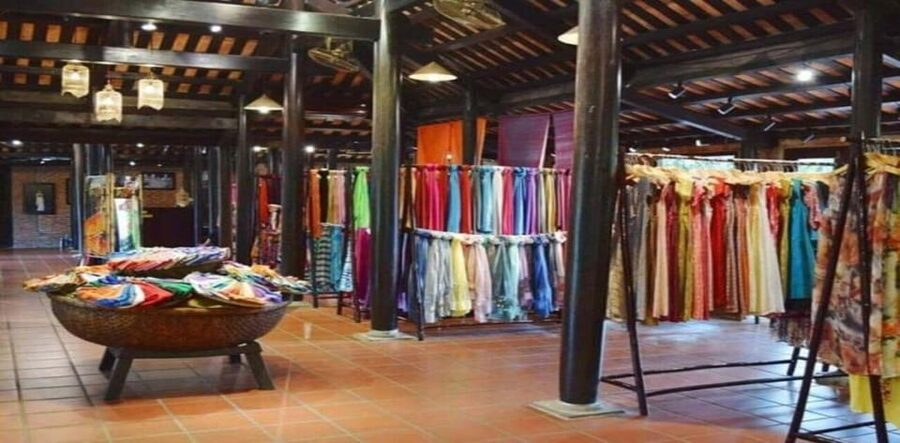
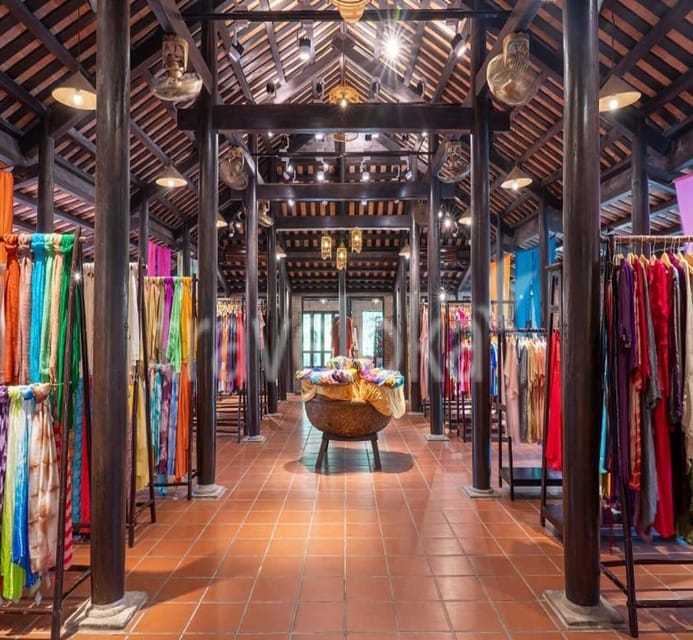
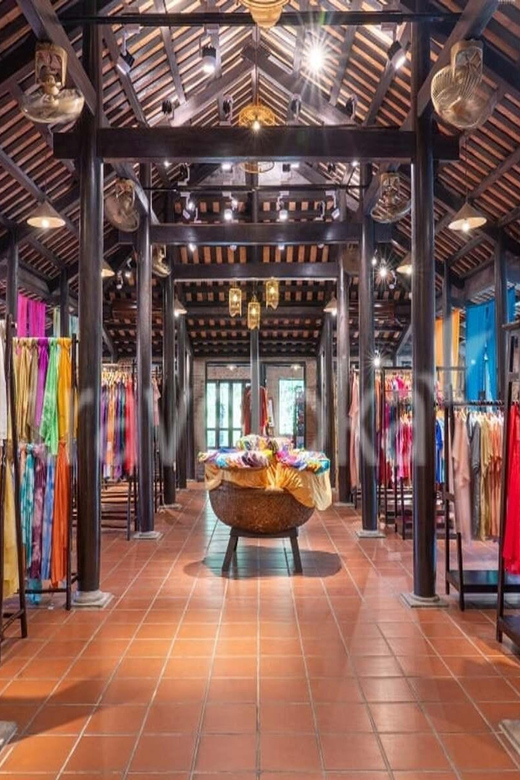
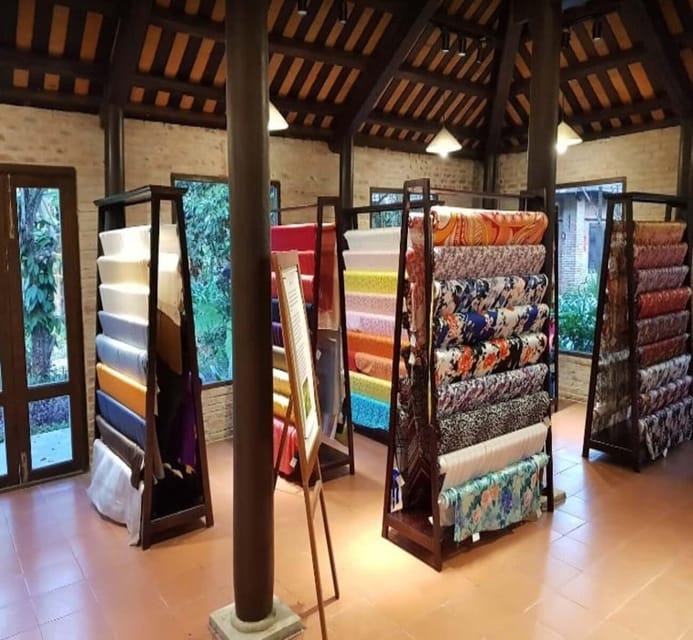
The final stop is the Hoi An Silk Village exhibition. This section explains how to distinguish pure silk from imitation fabric, a useful lesson in a town known for tailoring and clothing purchases.
I would pay attention here even if you do not plan to buy anything. The advice can help you compare fabric in other shops, not just at the village. Since the earlier demonstrations show how genuine silk is produced, the exhibition gives you a practical reason to examine texture, finish, and labeling with care.
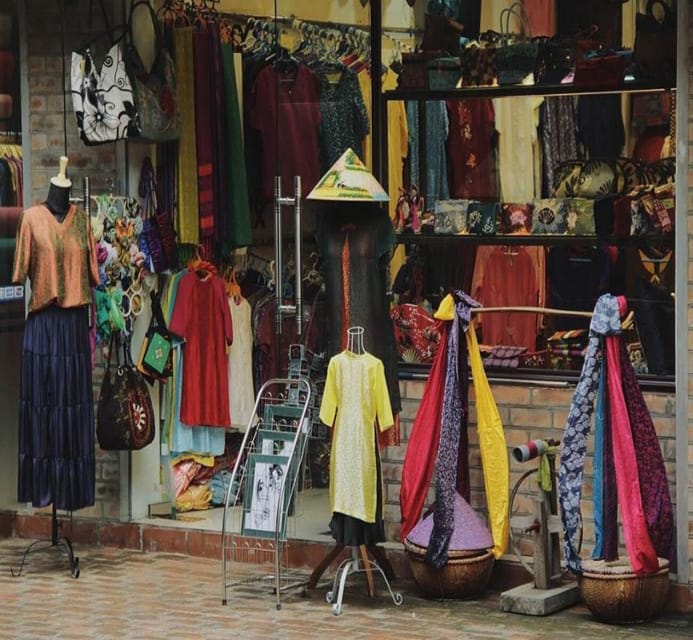
The shop carries silk products suited to shopping and tailoring. Silk shirts have received particularly strong praise for quality, and one visitor who had not planned to purchase one changed their mind after seeing the process. That is a good sign for anyone looking for a wearable souvenir rather than a small keepsake.
The selection may not please everyone. One recent assessment found the prints limited, with color combinations that felt messy. If you want a very specific pattern, color, or modern style, keep your expectations modest. The educational value is stronger than the certainty that you will find the perfect gift.
Do not feel pressured to buy simply because the tour ends in a shop. The purchase is optional, and the best reason to buy is that you now understand more about the material. If you do shop, ask about the percentage of silk and the difference between pure silk and blended or imitation fabric.
Guides, group size, and the pace
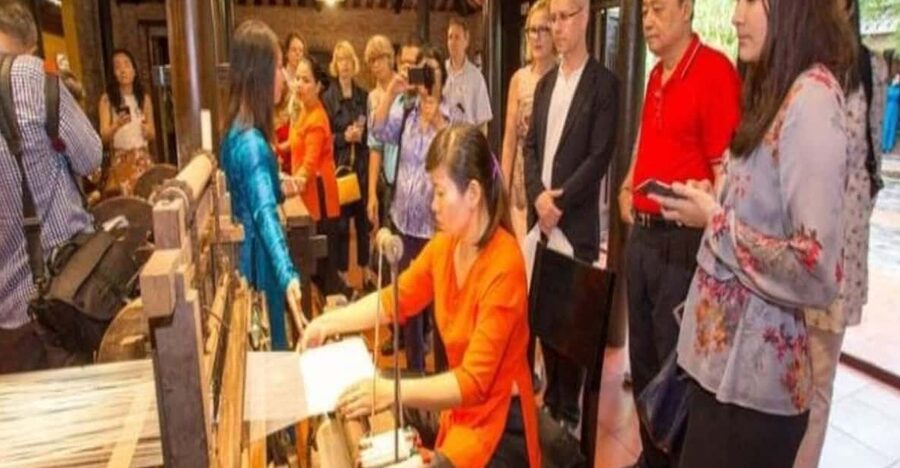
The English guide can shape the whole visit. Thu has been praised for patience with questions, while Tsu has been described as an excellent guide who made a private visit especially enjoyable when no other English speakers were present.
That kind of flexibility matters in a short tour. A good guide keeps the explanation moving but gives you enough time to understand the process. The strongest feedback focuses on clear English, useful history, and informative explanations rather than theatrical presentation. That suits the subject well.
Group size is not fixed. A group of five fits comfortably in the smaller rooms, but school groups can arrive and cause a delayed start. If you prefer quiet conditions, a less crowded time may help, though no starting period is guaranteed in the information provided.
The experience is generally calm and easygoing. One assessment described it as a quick, relaxed activity, with a cafe on site. That makes it a sensible choice after a busy morning in Hoi An, especially if you want an hour indoors and do not need a major attraction to fill the day.
Planning your visit at 28 Nguyen Tat Thanh
You meet at 28 Nguyen Tat Thanh, Hoi An, Quang Nam. On arrival, give your name at reception as confirmation of your booking. Hotel pickup and drop-off are not included, so you need to arrange your own way to the meeting point.
The tour duration is listed as 50 minutes, though I would allow a little more time if you want to browse the shop, have a drink at the cafe, or account for a delayed start. You can check available starting times when booking.
Wear comfortable clothes and shoes. The visit includes several areas, and you may stand while watching demonstrations. Large bags and luggage are not allowed, so this is not a good activity to schedule while carrying airport luggage or a full daypack.
The site is not suitable for wheelchair users or people with mobility impairments. The smaller working rooms and movement between areas are important considerations. If access is a concern, contact the provider before paying rather than assuming the route will be adaptable.
Free cancellation is available up to 24 hours before the activity for a full refund. You can also reserve and pay later, which helps if your Hoi An schedule is still shifting.
Who will enjoy this silk village visit
I would recommend the tour to you if you like seeing how everyday objects are made. It is also a good match for anyone planning to buy silk clothing in Hoi An, since you learn enough about the material to make smarter questions at a tailor or shop.
Families may appreciate the silkworm and cocoon stages, though the fact that the insect dies during traditional extraction should be explained honestly to children. Textile students, photographers interested in craft, and visitors seeking a break from old-town streets should also find plenty to notice.
The tour is less suitable if you want a long workshop, a large museum, or a broad choice of contemporary fabric prints. The pace is compact, and the retail selection may feel narrow or visually untidy if you have a very particular style.
It is also not the right choice for anyone who cannot comfortably walk or stand between working areas. Bring only what you need, and do not count on hotel transportation being part of the booking.
Is the Hoi An Silk Village tour worth $11?
For $11, I think this is a strong short activity. You get a guide, admission, water, several working areas, and a clear look at the process from mulberry cultivation to finished silk. The experience also gives context that you cannot get from looking at shirts in a tailor shop.
The main value is educational. You leave with a better idea of how silk is grown, extracted, spun, woven, and assessed. The purchase opportunity is secondary, and you should judge the shop on the actual fabric and designs available that day.
Book it if you want a focused cultural visit that fits neatly into a Hoi An itinerary. Skip it if your priority is a hands-on class, guaranteed shopping variety, or fully accessible facilities. For most visitors with 50 minutes to spare, the clear demonstrations and friendly English guides make the price easy to justify.
FAQ
How long does the Hoi An Silk Village tour last?
The tour lasts 50 minutes. You may want additional time if you plan to browse the silk exhibition, shop, or visit the cafe on site.
What does the $11 price include?
The price includes an English-speaking guide, entrance fee, and a bottle of water. Hotel transportation, meals, and personal expenses are not included.
Where do I meet the guide?
The meeting point is 28 Nguyen Tat Thanh, Hoi An, Quang Nam, Vietnam. Give your name at reception to confirm your booking.
Can I see the full silk-making process?
The visit covers mulberry gardens, silkworm breeding, feeding, cocoon removal, silk-thread extraction, spinning, weaving, and the difference between pure and imitation silk.
Can I buy silk products after the tour?
Yes. The Hoi An Silk Village exhibition offers silk products for shopping and tailoring needs. The available prints and colors may be limited, so inspect the fabric and ask about purity before buying.
Is the tour suitable for wheelchair users?
No. The activity is not suitable for wheelchair users or people with mobility impairments. Large bags and luggage are also not allowed.
Just added around Hoi An
- Hoi An bicycle tour to beautiful countryside★ 5.0 · 33 reviews
- Hoi An Countryside Discovery Tour By Motorbike – Local food★ 5.0 · 33 reviews
- Hoi An Ghosts, Death, Mystery Unveiled★ 5.0 · 33 reviews
- DaNang Airport Transfer to Hoi An by private car or vice versa★ 5.0 · 33 reviews
- Guided tour of Sampan distillery // Agricultural Rum Medalist★ 5.0 · 35 reviews
- Cooking class for lunch start at 12:00-3:00pm cooking yourself★ 5.0 · 35 reviews
- Hoi An city and Food tour★ 5.0 · 35 reviews
- HoiAn Walking Tours Night market, Colourful Lanterns, Boat Ride★ 4.5 · 36 reviews
Countryside and Village Tours, compared.

Mekong Delta, My Tho & Ben Tre Coconut Village
Read our review →
CuChi Tunnels&Mekong Delta-Boat,TukTuk,Coconut Village SmallGroup
Read our review →
Sapa 2 Days 1 Night From Hanoi – Overnight in Ta Van Village
Read our review →
Mekong Delta Boat,Khotcake cooking Coconut Village,SmallGroup
Read our review →
Da Lat Countryside Minivan Shared Tour (Three Waterfalls)
Read our review →
Cai Be Mekong Delta Tour: Cooking Class, Cycling & Craft Villages
Read our review →
Incense Village, Hat Making & Lacquer Artisan Small Group Hanoi
Read our review →
Incense Village, Conical Hat, Lacquer Art, SMALL GROUP From Hanoi
Read our review →Browse the lists this tour appears in