Reviewed · SAPA TRIPS AND TREKS
Sapa 2 Days 1 Night From Hanoi – Overnight in Ta Van Village
Sapa rewards sturdy shoes and patience. This two-day trip combines terraced mountain walks with an overnight stay in Ta Van Village, making it a useful shortcut for seeing northern Vietnam without arranging buses, meals, guides, and lodging yourself. I especially like the local guides, including Cat, Khu, May, Su, Mu, Chang, and Pang, who explain village life along the trail. I also like the small group size, capped at 15 people. The main drawback is the long bus ride, roughly 12 hours in total, and transport quality can vary.
You will hike through Y Linh Ho, Lao Chai, and Giang Ta Chai, then sleep in a bungalow or shared stilt-house room. That gives you a genuine rural setting, though the word luxury should not enter your expectations. Mud, fog, basic rooms, and changing routes are part of the deal, especially in the wetter months.
In This Review
- Key points to know before booking
- What this $59 Sapa trip really offers
- Leaving Hanoi before breakfast
- Sapa town gives you a quick first look
- The first trek through Y Linh Ho and Lao Chai
- Overnight in Ta Van Village
- Giang Ta Chai and the bamboo forest
- How good are the guides?
- The return to Hanoi is the hard part
- Who should book this Sapa tour?
- My verdict on value and comfort
- FAQ
- How long is the Sapa tour from Hanoi?
- Where does pickup take place in Hanoi?
- What accommodation is provided in Ta Van?
- Are meals included?
- How difficult are the hikes?
- Can I leave my luggage on the bus?
- What happens if bad weather cancels the tour?
Key points to know before booking
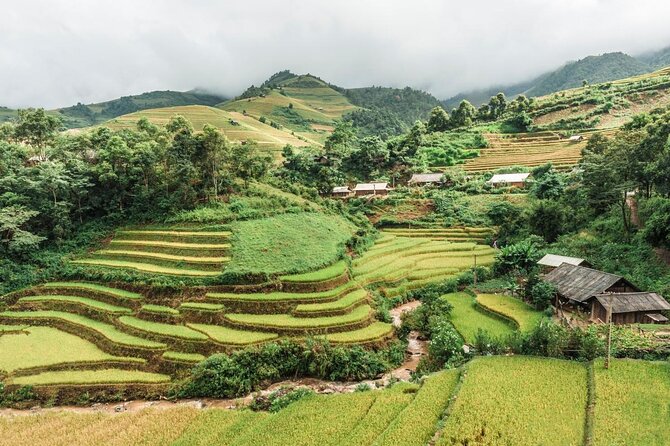
- The first hike links Y Linh Ho, Lao Chai, and Ta Van, with rice terraces and views toward the Hoang Lien Son mountains.
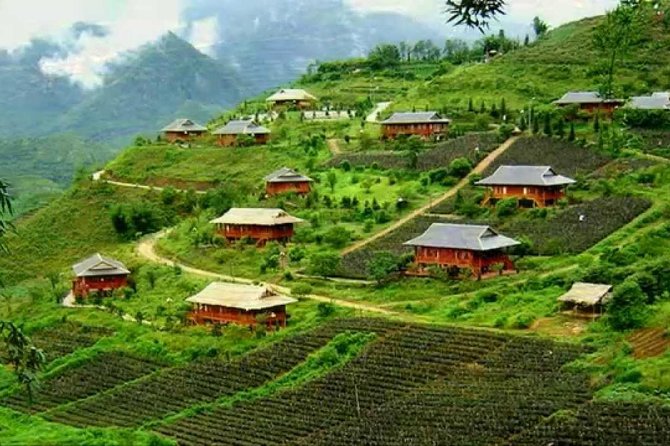
- Ta Van is a real village stay, not a city hotel, so expect dorm-style rooms, simple meals, and a rural setting.
- Local guides make the trip special, with guides such as Cat, Khu, May, Su, Mu, Chang, and Pang praised for cultural explanations and patient pacing.
- The bus journey begins early, usually with pickup in Hanoi’s Old Quarter between 6:00 and 6:20 in the morning.
- The second hike includes a bamboo forest and Giang Ta Chai, often the scenic high point of the trip.
- The $59 price covers a lot, including return bus transport, two lunches, breakfast, dinner, water, guide, accommodation, and bus insurance.
What this $59 Sapa trip really offers
At $59 per person, this is an economical way to reach Sapa from Hanoi. The price includes air-conditioned bus transport, WiFi on board, two bottles of water per person for the return journey, two lunches, dinner, breakfast, a local English-speaking guide, and one night in a bungalow or stilt-house dormitory.
That package matters because Sapa is not a simple day trip from Hanoi. You need transport to the mountains, a way to reach the villages, and a guide who knows the paths. Here, those pieces are bundled together. You can spend your energy walking rather than comparing bus timetables or trying to work out which trail reaches Ta Van.
The tradeoff is comfort. The bus is described as modern and air-conditioned, but the ride is long. One journey may run late, stop at poor locations, or take longer than expected. Another may be cleaner and more punctual. I would treat the bus as functional transport, not as part of the holiday itself.
The group limit is 15. That is small enough for a guide to check on people during slippery sections, but it is not a private walk. The pace and route can be adjusted for the group, particularly if some people find steep or muddy paths difficult.
More Countryside and Village Tours in Hanoi
- Incense Village, Hat Making & Lacquer Artisan Small Group Hanoi
★ 5.0 · 1,266 reviews - Incense Village, Conical Hat, Lacquer Art, SMALL GROUP From Hanoi
★ 5.0 · 1,170 reviews - Hanoi: Incense Village, Hat, and Lacquer Artisanal Tour
★ 4.6 · 1,005 reviews
Leaving Hanoi before breakfast
Pickup normally takes place in Hanoi’s Old Quarter between 6:00 and 6:20. You are transferred to the main bus and begin the journey toward Lao Cai, the gateway city below Sapa.
The route follows the highway, with a comfort break around 9:30 and another stop listed around 11:00. You should not expect a quick hop into the mountains. The journey occupies much of the morning, and delays can reduce your walking time after reaching Sapa.
Bring a small bag with your day’s necessities. You can leave larger luggage on the bus, and a car is available to move bags toward the village while you trek. Still, keep warm clothing, rain protection, medicine, water, and valuables with you rather than burying them in the luggage compartment.
The operator contacts you directly before the trip with the pickup time and final details. Provide your Hanoi hotel name and address in Hoan Kiem, along with a working phone number or email address. Pickup arrangements may change, so check your messages one or two days before departure.
Sapa town gives you a quick first look
The bus is scheduled to reach Sapa around 13:00. Sapa town is a busy mountain base with H’Mong, Dzao, and Tay people often visible in traditional clothing. Your guide meets you at the bus station and takes you to a local restaurant.
Lunch includes Vietnamese dishes, with two lunches covered during the trip. Tell the operator ahead of time if you are vegetarian or have other dietary needs. One person with coeliac disease received suitable food, but advance notice is still the sensible move.
You do not get a long visit in Sapa on arrival. The town is mainly a meeting point, meal stop, and staging area for the walk. On the second day, you return for roughly one hour of free time, usually from about 14:00 to 15:00, before meeting the group for the bus back to Hanoi.
That short town visit is useful for shopping or a quick look around, but it is not enough for a full Sapa experience. If you want to explore Sapa’s streets, markets, or other sights, consider staying an extra night or finishing the tour in Sapa instead of returning to Hanoi.
The first trek through Y Linh Ho and Lao Chai
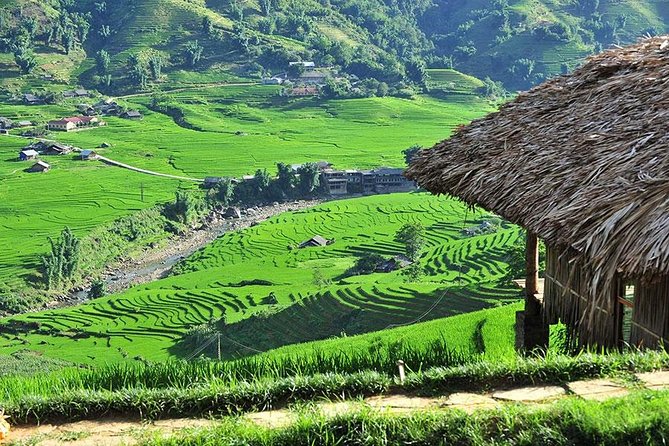
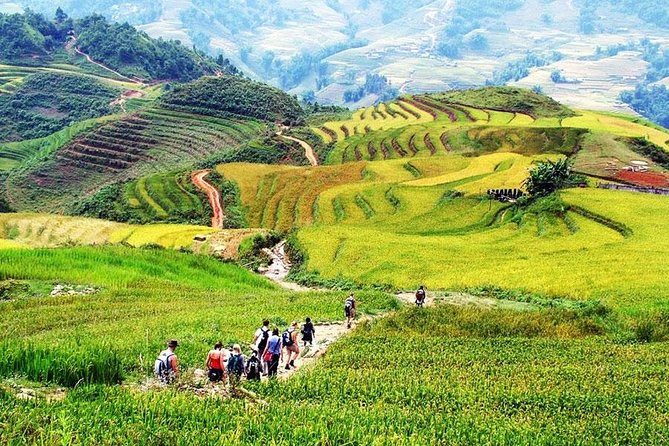
The main walk begins around 14:30. From the Sapa area, you head toward Y Linh Ho, cross rice terraces, and follow the Muong Hoa Stream toward Lao Chai, a Black Hmong village. The route then continues toward Ta Van.
This is the heart of the trip. The rice terraces cut across steep mountain slopes, and the views reach toward the Hoang Lien Son range. Your guide helps you stay on the right path, but the greater value is the explanation of local life, farming, ethnic groups, and village customs.
The exact route is not fixed. Weather, trail conditions, and group ability can change the plan. In wet weather, sections can become muddy and slippery. One guide, Mu, helped people through slick mountain paths, while Khu offered route choices in bad weather. Those are useful qualities here. A guide who watches your footing is worth far more than one who simply points at a view.
The walk is described as easy to moderate by some people, but that label needs context. Sapa trails include steep sections, uneven ground, mud, and slippery descents. Fitness is helpful, but balance and proper shoes matter just as much. Trekking shoes are strongly recommended. Sandals or smooth-soled trainers are a poor match for wet paths.
Some groups may take a shorter or easier route if older participants or difficult conditions make the original plan unsuitable. If your main goal is a long, steep trek, tell the guide early. A smaller or faster group may receive a more demanding route when conditions allow.
More Sapa Trips and Treks in Hanoi
- Hanoi – Sapa 2 Days 1 Night Overnight At Homestay
★ 5.0 · 899 reviews - From Hanoi: 2-Day Sapa Trekking Trip with Homestay & Meals
★ 4.8 · 704 reviews - Sapa 3 Days 2 Nights Trekking Tour (1 Night In Ta Van Village, 1 Night In Hotel)
★ 5.0 · 699 reviews - 3-Day Trekking Adventure of Sapa from Hanoi – Stay Ta Van Village
★ 5.0 · 611 reviews
Overnight in Ta Van Village

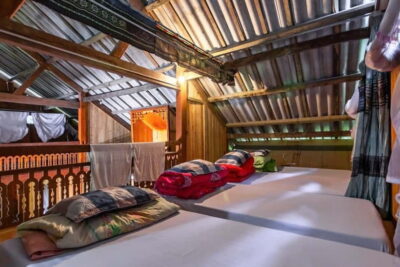
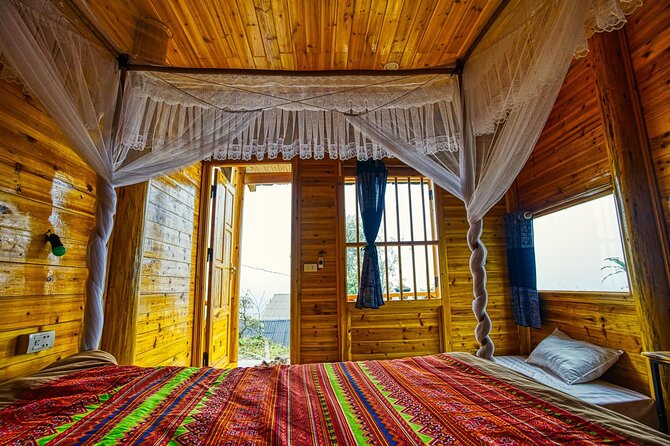
Ta Van is not a polished resort stop. You stay in a bungalow or a shared stilt-house room, with standard room arrangements for two or three people. Some people describe the accommodation as comfortable, clean, and cozy, while others found the advertised upgraded bungalow far less luxurious than expected.
That difference comes down to expectations. You are sleeping in a rural village after a day on the trail. The attraction is the setting and the chance to see village life, not hotel-style facilities. Ask about the exact room category if the booking offers several choices. Paying extra for a so-called luxury option may not deliver much more than the basic arrangement.
Dinner is included and usually consists of simple local food. The meals are generally considered good, though not every dish will impress. Drinks are extra, and service at the homestay restaurant can be slow. Order beverages early if you want them with your meal rather than near the end.
Breakfast is prepared by the host family. There has been some variation in where breakfast is served, and special diets may limit the choices. If allergies are important, explain them before arrival. Staff have made an effort to provide alternatives such as fresh fruit, but it is wiser to arrive prepared than to rely on last-minute substitutions.
The village stay also offers the most personal part of the trip. Guides such as Chang and Khu have shared information about their own communities and local customs. That direct connection helps turn a pretty walk into a better understanding of the people who live among these terraces.
Giang Ta Chai and the bamboo forest
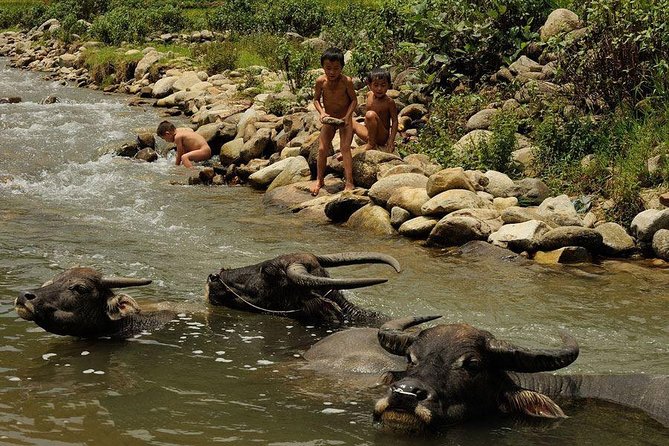
Breakfast begins around 8:00 on the second day. The morning trek heads toward Giang Ta Chai, with rice paddies, broad views, and a bamboo forest. A stop above the forest provides one of the best photo points of the tour.
The second walk lasts about three hours. It is shorter than the previous afternoon but can still include steep ground. You may get wet or muddy, especially during rainy weather. Bring insect repellent, sun protection, sunglasses, and a hat, but also pack a warm layer and rain gear. Sapa weather can change quickly.
Fog is more common from December through March, and the colder months can make the mountain air surprisingly sharp. September through March is generally noted as a period when warm clothing is useful, particularly September, October, November, December, January, February, and March. Conditions may hide distant views, but the village paths and forest can still make a worthwhile walk.
The guide’s role is especially important here. May has been praised for choosing routes and keeping the walk organized. Su has been appreciated for checking on people and explaining cultural details. A good guide can also adjust the distance, steepness, and number of breaks to suit the group.
After the walk, you have lunch, time for a shower, and onward transport back toward Sapa town. The group usually has free time before meeting for the return bus between 15:00 and 15:30.
How good are the guides?

The guides are the strongest part of this experience. Cat, Khu, May, Su, Mu, Chang, Pang, Dao, Pam, and others have received praise for clear English, local knowledge, patience, and personal warmth.
That praise is not just about facts. The best guides help with muddy paths, explain which ethnic communities live in each village, answer questions, offer route choices, and make solo people feel included. Some guides also come from nearby villages, which gives their explanations a personal base.
Guide quality can vary because different local guides lead different departures. You cannot assume you will receive one particular person unless the operator confirms it. Still, the repeated praise for the local guiding team is a strong reason to choose this trip over arranging a walk without support.
If you have a preference for a shorter, longer, flatter, or steeper route, discuss it before the walking begins. Be honest about your ability. The guide can only plan well if you explain what you need.
The return to Hanoi is the hard part
After the free time in Sapa, you return to the bus station and board the bus for Hanoi. The ride can be tiring after two days of walking. It may also take longer than the scheduled journey, depending on traffic, stops, and the driver.
The sleeper bus is part of the experience, but standards are not fully consistent. Some departures have arrived late or made longer stops than expected. Others have followed the planned schedule and used reasonable rest areas. The driver may not speak English, so keep your phone charged and ask the guide about stop lengths before leaving Sapa.
The tour is therefore best viewed as a hiking trip with necessary transport, not a relaxing weekend away. You spend many hours getting to and from the mountains. The reward is access to village trails that would take more planning to reach independently.
Who should book this Sapa tour?
I would recommend it to you if you have only two days, want rural scenery, and prefer a guide to handle the practical details. It suits solo visitors who want a ready-made small group, couples seeking an active overnight trip, and anyone interested in H’Mong, Dzao, and Tay village life.
You should think twice if you dislike long bus journeys, basic accommodation, muddy trails, or changes to the route. It may also disappoint you if you expect a luxury bungalow or a private trek tailored entirely to your pace.
For stronger walkers, ask for the longer route when conditions and group ability permit. For anyone unsure about fitness, bring proper shoes and expect regular breaks rather than a flat country stroll. If you can spare the time, adding a second night in Sapa or Ta Van would make the journey feel less rushed.
The cancellation terms are reasonable: cancel at least 24 hours before the start for a full refund. Poor weather or failure to reach the minimum group size can lead to a new date, another experience, or a full refund.
My verdict on value and comfort
The $59 cost is strong value when you count the return transport, three meals beyond breakfast and dinner arrangements, accommodation, guide, water, and local transfers. You are paying for convenience as well as scenery.
The weak points are the long bus ride and uneven accommodation or transport standards. The strongest points are the village routes, the rice terraces, the bamboo forest, and the local guides who make the walk more than a photo stop.
I would book this tour if my priority were seeing Ta Van and the surrounding villages without spending time planning every connection. I would not book it for luxury, perfect timing, or a guaranteed strenuous trek. Bring warm layers, rain protection, sturdy footwear, cash in Vietnamese dong, and realistic expectations. With those basics in place, this is an affordable and memorable introduction to the Sapa highlands.
FAQ
How long is the Sapa tour from Hanoi?
The experience lasts two days and one night. The first bus normally leaves Hanoi around 6:00 to 6:20, and the return bus usually leaves Sapa after free time in town around 15:00 to 15:30 on the second day.
Where does pickup take place in Hanoi?
Pickup is arranged from hotels in Hanoi’s Hoan Kiem district, especially the Old Quarter. You should provide the hotel name and address when booking and wait for the operator to confirm the exact time.
What accommodation is provided in Ta Van?
You stay in a bungalow or a shared stilt-house dormitory. The standard room policy is two to three people per room. Facilities are basic and rural rather than hotel-style.
Are meals included?
Yes. The package includes breakfast, dinner, and two lunches. Beverages are not included. Vegetarian and other special dietary needs should be reported to the local operator before the trip.
How difficult are the hikes?
The walks can range from easy to moderate, with steep, uneven, muddy, and slippery sections. Routes may change according to weather and group ability. Trekking shoes are recommended.
Can I leave my luggage on the bus?
Yes. You can bring luggage and leave it on the bus. A car is also available to transfer luggage toward the village while you are walking.
What happens if bad weather cancels the tour?
If poor weather causes cancellation, you can receive a different date or a full refund. The same options apply if the minimum number of participants is not reached.
More Countryside and Village Tours
- Hanoi City Tour Highlight, Train Street Combine visit Countryside
★ 5.0 · 925 reviews - Hanoi Countryside Motorbike Tour: Red River Culture & Daily Life
★ 5.0 · 681 reviews - Hanoi Jeep City Highlight, Backstreet, Train Street, Countryside
★ 5.0 · 666 reviews - Incense Village Small Group of 9 Tour From Hanoi to Ninh Binh
★ 5.0 · 626 reviews
More Sapa Trips and Treks
- Sapa 2 Days 1 Night From Hanoi – Overnight in Hotel
★ 5.0 · 440 reviews - 2-Day Sa Pa Ethnic Homestay Tour & Trek with Limousine Bus
★ 4.8 · 440 reviews - Hanoi – Sapa 3 Day 2 Night Trekking With Hotel & Homestay
★ 5.0 · 389 reviews - From Hanoi: 2-Day Sapa Limo Bus Tour & Fansipan Peak Visit
★ 4.6 · 277 reviews
Just added around Hanoi
- Hanoi: Make 6 Iconic Coffees in a Heritage Home with Locals★ 5.0 · 32 reviews
- Private Ninh Binh Full Day (Bich Dong -Tam coc -Mua cave- Biking)★ 5.0 · 32 reviews
- Retro Hop-on-hop-off Bonbon City Tour: Classic Package★ 4.0 · 32 reviews
- 15-Day Vietnam Itinerary All in One | Travel Package 2026-2027★ 5.0 · 32 reviews
- 10-Day Vietnam Discovery from North to South | Best Packages★ 5.0 · 32 reviews
- Verdure Lotus Classic Cruise in Halong Bay & Lan Ha Bay (2D1N)★ 4.0 · 32 reviews
- Full-day Guided Meditation Experience in Ha Noi★ 5.0 · 33 reviews
- Private Transfers Hanoi <=> Halong One Way by Limousine Vehicles★ 5.0 · 33 reviews
Sapa Trips and Treks, compared.


Muong Hoa Valley Trek and Local Ethnic Villages
Read our review →
Fansipan Cable, Cat Cat Village & Moana Instagram Tour
Read our review →

Sapa 3 Days 2 Nights Trekking Tour (1 Night In Ta Van Village, 1 Night In Hotel)
Read our review →
Eco Adventure Terrace Fields and Local Villages Trek
Read our review →
3-Day Trekking Adventure of Sapa from Hanoi – Stay Ta Van Village
Read our review →