
Reviewed · HOI AN TOURS
Hoi An: Experience Pottery Making With Local Craftsmen
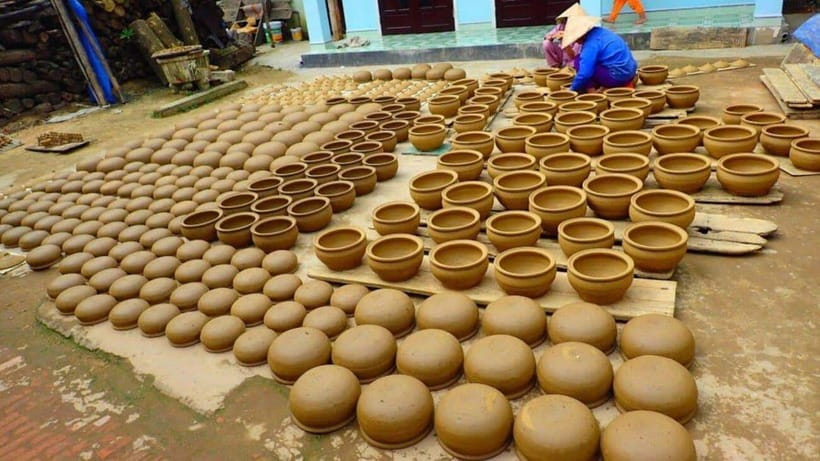
Small hands, local clay, lasting memories. Just outside Hoi An’s ancient town, Thanh Ha pottery village offers a friendly, hands-on look at a craft that has shaped local life for centuries. For $7 per person, you sit with Vietnamese craftsmen, learn basic pottery techniques, make your own pieces, and take home a personal souvenir.
I like the family-home setting, which feels far more personal than a large demonstration hall. I also like the freedom to keep working beyond the advertised 20 minutes, especially if you want to paint your pieces. The main caution is simple: English communication is limited, and the basic class can feel rushed if you expect a long session at the wheel.
In This Review
- Key things to know before you go
- Arriving at Thanh Ha pottery village
- Meeting the craftsmen in their home
- Learning the local pottery technique
- Making more than one souvenir
- Painting your pottery after the wheel
- A quiet break from Hoi An’s old town
- What the $7 price really includes
- Who will enjoy this activity most
- Practical advice for a smoother visit
- Is this pottery workshop worth booking?
- FAQ
- Where does the pottery experience take place?
- How much does the workshop cost?
- How long does the pottery class last?
- What is included in the price?
- Can I make more than one pottery item?
- Can I paint the pottery I make?
- Is English spoken during the activity?
- Is the activity suitable for wheelchair users?
Key things to know before you go
- The workshop takes place in a local family home, giving the activity a quiet, personal feel.
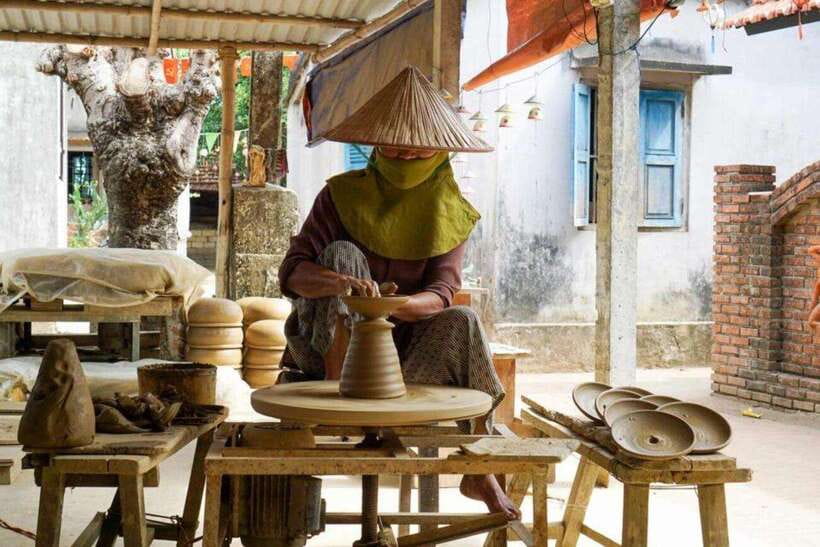
- You use pottery turntables and receive hands-on help, even when spoken English is limited.
- The 20-minute duration is only a starting point, with many people staying 45 to 90 minutes to finish and paint.
- You can make more than one piece, although extra pieces may involve an additional payment.
- Your handmade pottery becomes your souvenir, and some people leave with mugs, bowls, small figures, or painted objects.
- Thanh Ha Village entrance costs 35,000 VND per person, separate from the workshop fee.
Arriving at Thanh Ha pottery village
The meeting point is Nguyen Sau Experience House in Thanh Ha pottery village, a short distance from Hoi An’s old town. You arrange the meeting directly and should provide a WhatsApp number so the local team can contact you more easily.
You do not get hotel pickup or drop-off, so plan your own way to the village. The workshop fee does not include the village entrance ticket, which costs 35,000 VND per person. Keep that separate from the $7 pottery fee when working out your total cost.
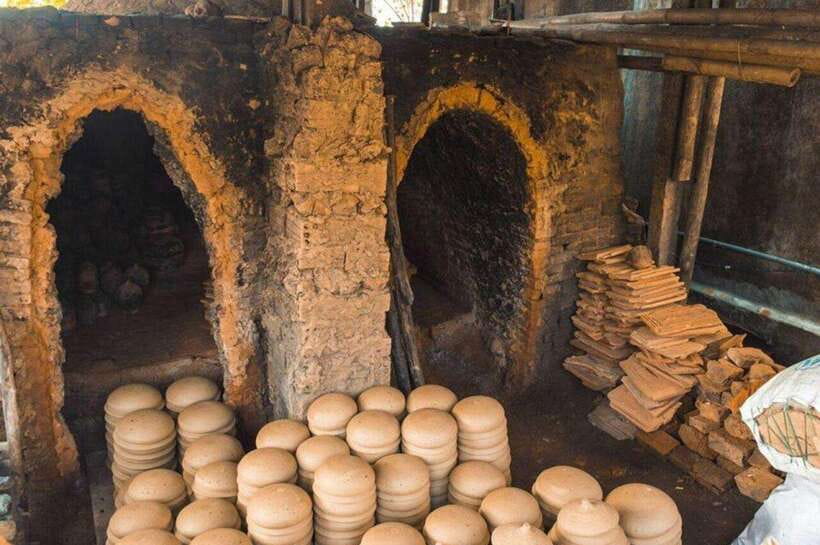
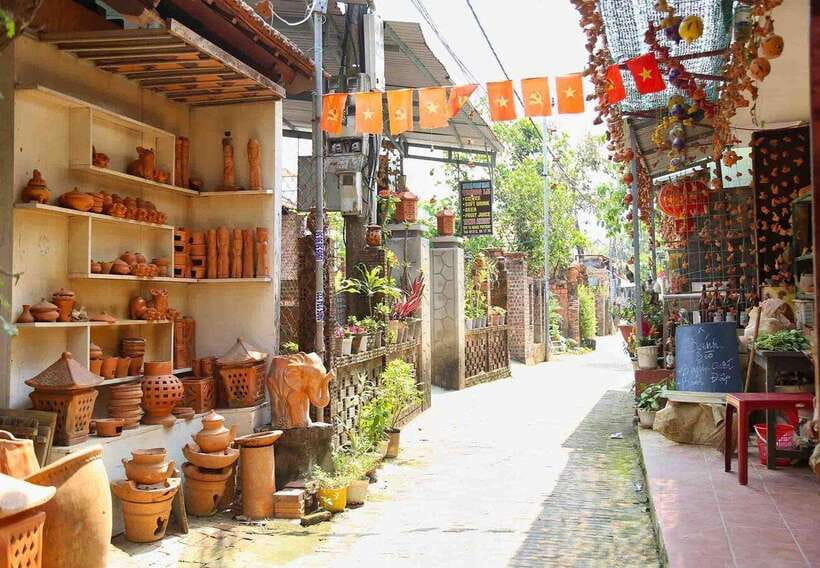
Thanh Ha is not just a place built for a quick tourist activity. Pottery has been made here for centuries, and the village remains connected with traditional craft work. That gives the visit some context before you even sit at the wheel. You are not simply buying a finished bowl from a shop. You are trying to shape clay with guidance from people who make pottery part of everyday local culture.
The activity is provided through Bay Mau Eco Travel, but the actual welcome comes from local craftsmen at the workshop. Expect a small, informal setting rather than a polished classroom. That is part of the appeal, though it also means the experience depends on gestures, demonstrations, and patience more than detailed spoken instruction.
A few more Hoi An trips worth weighing up
- Hoi An: Basket Boat Ride in the Coconut Forest
★ 4.9 · 4,956 reviews - Hoi An: Vietnamese Coffee Culture and Coffee Making Class
★ 4.9 · 4,006 reviews - Hoi An: Vietnamese Foldable Lantern Making Class
★ 4.9 · 3,742 reviews
Meeting the craftsmen in their home
The first part is a greeting from the local family and a short introduction to their pottery products. The hosts are described as an older couple, with several people finding them warm, patient, and amusing as they helped with early attempts.
This personal contact is one of the strongest reasons to choose this activity. You sit close to the people teaching you, see their work, and get help as you try each shape. It can feel like a visit to a working household rather than a formal class.
Do not arrive expecting a long history lecture in English. The instructor language is Vietnamese, and communication is limited. The practical teaching still works because pottery is visual. You can watch the movement of the hands, copy the shape, and receive corrections as you work.
I would treat the language gap as part of the experience, not a serious problem, provided you are comfortable with a less structured class. If you need detailed verbal instruction at every step, you may find it frustrating. If you are happy to watch, try, laugh at a few crooked edges, and accept help, the setup works well.
Learning the local pottery technique
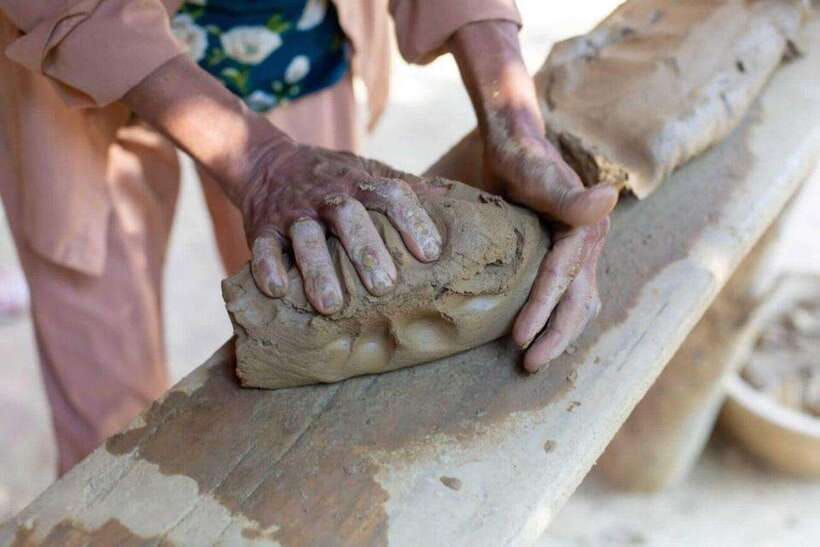
Once you have seen the finished products, you begin making your own. The workshop uses turntables, and the craftspeople show you how to form different shapes. You then choose a design to try, with help available throughout the process.
The goal is not to produce museum-quality pottery in one sitting. It is to understand, with your own hands, how difficult it is to keep clay balanced and symmetrical. A bowl that looks simple on a shelf suddenly becomes a small challenge when you are the one shaping it.
The support matters. Several people have made two or three pieces, including mugs and bowls, because the hosts guide the process rather than leaving you alone with the clay. That help makes the activity suitable for families and first-time makers.
Still, manage your expectations about wheel time. One person felt rushed during the basic session, and that is a fair concern when the advertised class lasts about 20 minutes. If you want to make several objects or take extra care with one piece, tell the hosts that you would like more time and keep your schedule open.
The activity does not require you to finish in exactly 20 minutes. You can extend the session if needed. In practice, some people spend about 45 minutes, while families who make and paint several objects have stayed for around an hour or even 90 minutes.
Making more than one souvenir
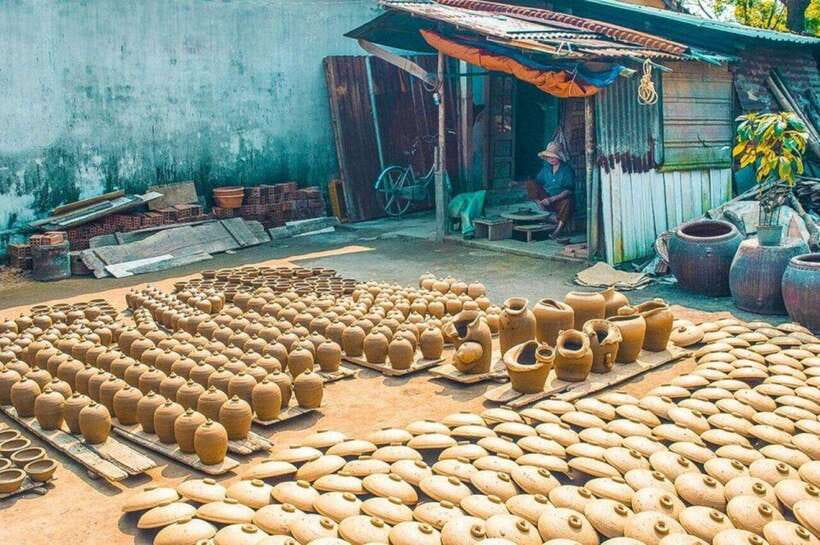
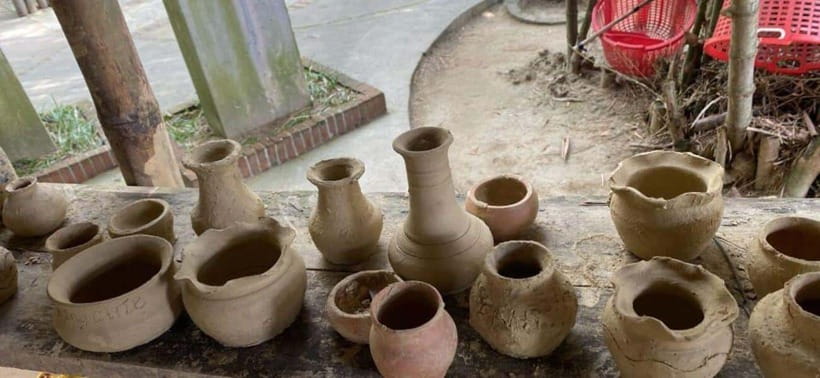
The included benefit is one souvenir made by yourself. The actual amount you produce can vary. Some people make around three pieces and choose which ones to keep, while others leave with two items each.
The extra pieces may require an additional payment, so ask before making more than your included item. This is a useful detail for families, since children often want to keep every attempt, including the lopsided one that somehow becomes the favorite.
The hosts do not appear to pressure people into buying more. The activity is centered on making your own object, not on pushing a shop sale. One person also left with a previously made wind chime, but that should be viewed as an optional purchase or extra item rather than part of the standard package.
I like this flexible approach. You can keep the experience simple and inexpensive, or spend more time making several objects if the mood takes you. The important point is to confirm what is included before you begin.
A completely different sort of day out of Hoi An:
- Cooking Class Hoi An:Local Market, Basket Boat, Fishing & Cooking
★ 5.0 · 3,660 reviews - Hoi An Cooking Class(Market,BasketBoat Crabfishing&Cooking Class)
★ 5.0 · 3,386 reviews - Hoi An: My Son Sanctuary Early Morning w. Champa Food Brunch
★ 4.9 · 2,750 reviews - Hoi An/ Da Nang – Ba Na Hills – Golden Bridge Deluxe Small group
★ 5.0 · 2,613 reviews
Painting your pottery after the wheel
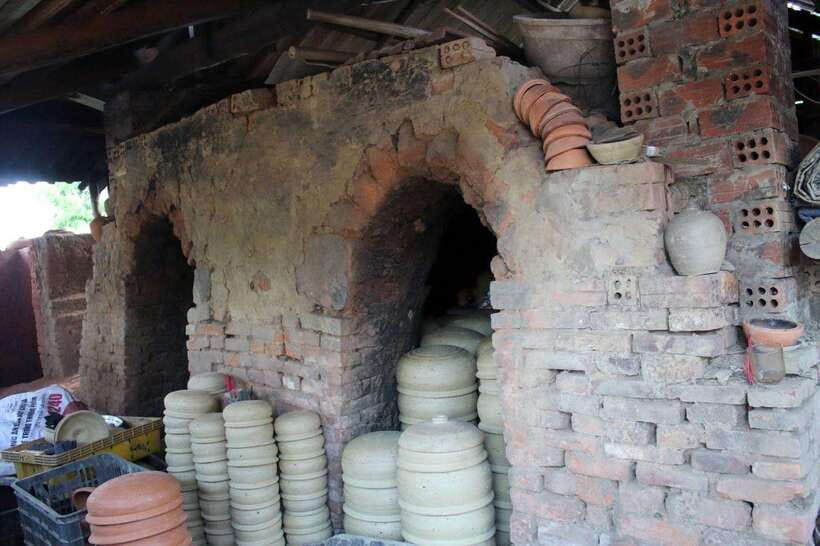
Painting is a major part of the fun, yet it is easy to miss if you treat the advertised 20 minutes as a hard limit. People who left enough time were able to paint their creations after shaping them.
For many visitors, painting turns a plain clay object into a more personal keepsake. You are not just carrying home something you made with assistance. You also get to choose how it looks.
The timing deserves careful attention. One family spent roughly 45 minutes in total, while another group stayed about an hour. A family who had another activity scheduled had to leave before painting, simply because they had not allowed enough time.
My advice is to schedule this as a relaxed hour rather than a quick 20-minute stop. You might finish sooner, but you will not feel hurried. If you are visiting with children, this extra time is especially valuable because they may need several attempts and will likely want to paint every piece.
The supplied information does not promise a separate firing or delivery service, so do not assume that your pottery will be shipped later. The experience is presented as a take-home souvenir activity, and the focus is on what you create during the visit.
A quiet break from Hoi An’s old town
Thanh Ha gives you a change of pace from Hoi An’s busy central streets. The workshop is described as quiet and away from the noise, with a peaceful atmosphere around traditional craft areas.
That setting improves the activity. Pottery is not a good match for rushing from one scheduled stop to another. You need time to sit, watch, try, and adjust. The calmer village surroundings make it easier to slow down.
After the class, you can explore more of Thanh Ha on your own. Two places specifically noted are Xuan My Communal House and Nam Dieu Temple, connected with the founders of the pottery tradition. You can also walk around the village, look at traditional craft work, and enjoy the quieter side of the area.
These visits are self-guided, not part of a guided walking tour. The pottery workshop remains the main activity, while the communal house, temple, and village walk give you a reason to spend more time in Thanh Ha rather than returning immediately to the old town.
What the $7 price really includes
At $7 per person, this is a low-cost activity with a clear practical benefit: you make something yourself and take it home. The fee includes the pottery-making experience and one souvenir made by you.
You still need to pay the 35,000 VND village entrance fee. Food, drinks, transport, hotel pickup, hotel drop-off, and personal expenses are not included.
The value is strongest if you judge the class as a cultural activity rather than a professional pottery lesson. You get contact with local craftspeople, a look at a traditional village, hands-on practice, and a personal object for a modest fee.
It is less compelling if you only want a fast photo opportunity or a perfectly finished souvenir. The class requires participation, and your result will depend partly on how much time you allow and how much help you accept.
I also appreciate that the hosts are not described as pushy about additional purchases. You can make the included item, paint it, and leave. If you want extra pottery, ask about the cost first.
Who will enjoy this activity most
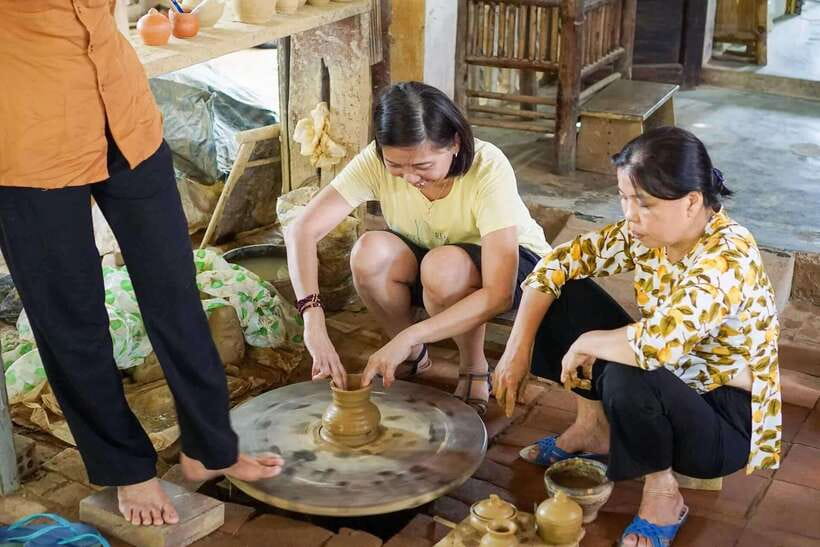
This workshop suits families particularly well. Children aged 12 and 14 enjoyed it, and the patient hosts made the activity accessible even when English was limited. Younger children may also enjoy it, but the available information does not specify a minimum age.
It works for couples, too. A couple made mugs and bowls and found the experience relaxed and easy to locate. You can treat it as a simple shared activity rather than a full-day excursion.
You do not need previous pottery experience. The whole point is to learn by trying, and the hosts help shape the results. People who usually would not choose an arts activity may still enjoy the playful side of it.
You should think twice if you have a tight itinerary. The class may begin as a 20-minute activity but stretch to 45 minutes, an hour, or longer once you start making and painting. Also note that the experience is not suitable for wheelchair users.
Practical advice for a smoother visit
Reserve a generous block of time, even if the listed duration says 20 minutes. I would allow at least an hour if painting matters to you, and more if you are visiting as a family or hope to make several pieces.
Bring your WhatsApp number when booking and check your meeting details at Nguyen Sau Experience House. Since hotel transfers are not included, arrange your own transport to Thanh Ha.
Wear clothes you do not mind getting a little dirty. The supplied details do not specify protective clothing, so sensible casual clothes are the safest choice.
Keep your expectations flexible around language. The instructor is Vietnamese, and English communication is limited. Watch closely, use simple gestures, and ask for help through demonstration. The hosts’ patience appears to matter more than formal language skills.
If you arrive early, you may be welcomed into the workshop before the scheduled time, but do not count on an early start as a guarantee. The key practical lesson is to avoid stacking another activity immediately afterward.
Free cancellation is available up to 24 hours in advance for a full refund, and you can reserve now while paying later. Those options are useful if your Hoi An plans may change.
Is this pottery workshop worth booking?
Yes, if you want an inexpensive, personal activity with a real connection to local craft work. I especially recommend it to families, couples, and anyone who prefers making a souvenir over buying one. The friendly family setting, patient help, and chance to paint your own pieces give the visit more warmth than the short price and duration suggest.
Book it with enough time. The biggest mistake is treating the class as a strict 20-minute appointment and then leaving before painting. If you need a long English lesson, wheelchair access, or a formal studio setup, choose another activity. For a quiet hour in Thanh Ha with local makers and a handmade object in your bag, this is a very good value.
FAQ
Where does the pottery experience take place?
It takes place in Thanh Ha pottery village near Hoi An, at a local craftsman’s home. The meeting point is Nguyen Sau Experience House.
How much does the workshop cost?
The pottery experience costs $7 per person. Entrance to Thanh Ha Village costs an additional 35,000 VND per person.
How long does the pottery class last?
The listed pottery-making duration is about 20 minutes. You can stay longer if you need more time to finish your product, and painting may extend the visit to around 45 minutes, an hour, or longer.
What is included in the price?
The price includes the pottery-making experience and one souvenir made by yourself.
Can I make more than one pottery item?
Yes, you may be able to make several items. Extra pieces may require an additional payment, so confirm the cost with the hosts before making more than the included souvenir.
Can I paint the pottery I make?
Yes. Painting is available after you create your pottery, but you need to allow enough time. A short 20-minute visit may not leave time to paint.
Is English spoken during the activity?
English communication is limited. The instructor language is Vietnamese, so much of the teaching relies on demonstrations, gestures, and hands-on help.
Is the activity suitable for wheelchair users?
No. The experience is not suitable for wheelchair users.
Just added around Hoi An
- Hoi An bicycle tour to beautiful countryside★ 5.0 · 33 reviews
- Hoi An Countryside Discovery Tour By Motorbike – Local food★ 5.0 · 33 reviews
- Hoi An Ghosts, Death, Mystery Unveiled★ 5.0 · 33 reviews
- DaNang Airport Transfer to Hoi An by private car or vice versa★ 5.0 · 33 reviews
- Guided tour of Sampan distillery // Agricultural Rum Medalist★ 5.0 · 35 reviews
- Cooking class for lunch start at 12:00-3:00pm cooking yourself★ 5.0 · 35 reviews
- Hoi An city and Food tour★ 5.0 · 35 reviews
- HoiAn Walking Tours Night market, Colourful Lanterns, Boat Ride★ 4.5 · 36 reviews
Hoi An Tours, compared.


Vietnamese Coffee Culture and Coffee Making Class
Read our review →
Cooking Class Hoi An:Local Market, Basket Boat, Fishing & Cooking
Read our review →
Hoi An Cooking Class(Market,BasketBoat Crabfishing&Cooking Class)
Read our review →
My Son Sanctuary Early Morning w. Champa Food Brunch
Read our review →
Ba Na Hills – Golden Bridge Deluxe Small group
Read our review →
Market Tour, Basket Boat Ride and Cooking Class
Read our review →Browse the lists this tour appears in