

Reviewed · COFFEE EXPERIENCES
Hoi An: Vietnamese Coffee Culture and Coffee Making Class
Coffee is a delicious way to understand Vietnam. This two-hour Hoi An workshop combines hands-on coffee making with stories about Vietnamese café culture, from the coffee crop to the finished cup. I like the friendly family-run setting and the chance to prepare several very different drinks, including egg, coconut, and salt coffee. The $14 price also gives you plenty for your money.
The main consideration is caffeine. You may drink five small coffees in a short time, and some are sweet enough to make it easy to keep sipping. I would eat beforehand and choose a morning or early afternoon session if coffee affects your sleep.
In This Review
- Key points at a glance
- Finding the lantern-filled workshop
- Tea, stories, and the crop-to-cup lesson
- The Phin filter makes the coffee Vietnamese
- Five cups, five very different personalities
- Black coffee
- White or iced condensed milk coffee
- Hue Imperial salt coffee
- Coconut coffee
- Hanoi egg coffee
- Tasting the results with music and a cookie
- What you take home
- Is five coffees too much caffeine?
- Price, group size, and comfort
- Who should book this Hoi An coffee class?
- Should you book it?
- FAQ
- How long does the Hoi An coffee class last?
- How much does the coffee-making class cost?
- How many Vietnamese coffees will I make?
- Is hotel pickup included?
- How do I find the meeting point?
- What is a Phin?
- Are coffee and tea included?
- Is the workshop available in English?
- Is the activity wheelchair accessible?
Key points at a glance
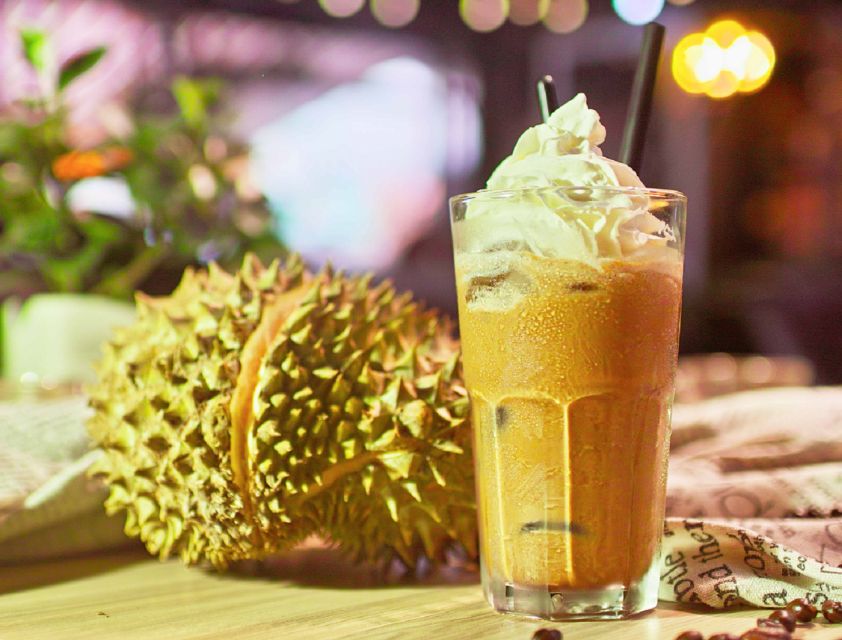
- Five Vietnamese coffee styles: Prepare black coffee, iced coffee with condensed milk, Hue Imperial salt coffee, coconut coffee, and Hanoi egg coffee.
- A family connection: The coffee used in the class comes from the family business, with ties to the grandfather’s farm.
- A lively teaching style: Guides including Tan and Le use humor, music, and easy demonstrations to keep the class relaxed.
- A real takeaway: You receive recipes, and some sessions include a small Phin filter or another gift to help you repeat the drinks at home.
- Small and accessible: The group is limited to 10 people, the workshop is wheelchair accessible, and instruction is available in English and Vietnamese.
- Good value at $14: Ingredients, tools, coffee, Vietnamese tea, cookies, and a local guide are included.
Finding the lantern-filled workshop
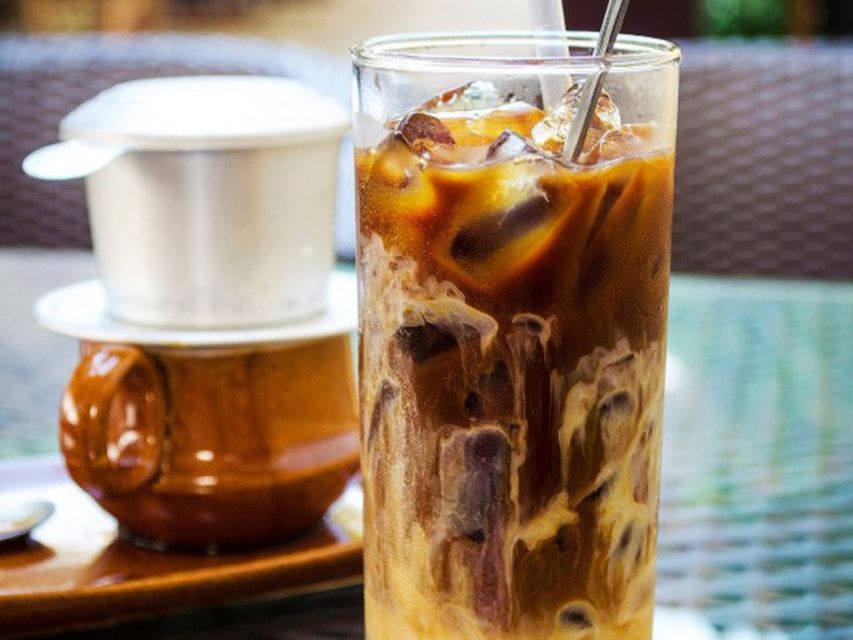
You do not get hotel pickup, so plan to reach the meeting point yourself. Look for a workshop decorated with many silk lanterns and a board marked COFFEE MAKING WORKSHOP.
That simple sign matters in Hoi An, where small businesses often share compact streets and brightly decorated buildings. Give yourself enough time to find the place, especially if you are coming from a hotel outside the central area. The meeting point information does not provide a street address, so checking the exact location after booking is sensible.
The workshop lasts about two hours. Groups are limited to 10 people, which is a useful size for a practical class. You should have enough room to follow the demonstrations, ask questions, and prepare your own drinks without being lost in a crowd.
The atmosphere is part of the appeal. Music plays while the family team teaches, and the guides are known for playful banter. Tan and Le are named by several participants as especially entertaining, with the younger brother often bringing extra comic energy. This is not a silent, formal cooking lesson. It is social and upbeat.
More Coffee Tours in Hoi An
- Early Morning My Son Sanctuary Trip w. Champa Food & Coffee
★ 5.0 · 629 reviews - Vietnamese Culture and Coffee Making Class
★ 5.0 · 497 reviews - Hoi An: My Son Early Morning with Banh My and Coffee 6 am
★ 4.7 · 205 reviews
Tea, stories, and the crop-to-cup lesson
The class begins with a cup of Vietnamese herbal tea. It is a gentle start before the stronger drinks arrive, and it gives the guide time to introduce the workshop and the people behind it.
You then hear how coffee came to Vietnam and how cafés became part of daily life. The class connects coffee to local history and culture rather than treating each drink as just a recipe. That context helps explain why Vietnamese coffee often tastes so different from a standard cup of filtered coffee.
The crop-to-cup section covers the basic chain from growing and harvesting beans through roasting and brewing. You learn why dark roasting is common and how that powerful flavor works with sweet condensed milk.
The family connection adds a personal layer. The coffee is described as coming through the family business, with coffee linked to their grandfather’s farm. You are not simply handling anonymous ingredients in a classroom. You are hearing how coffee fits into one Vietnamese family’s work.
The lesson is kept fairly light. The guides explain the subject in clear English, add jokes, and keep the group involved. An English audio guide is also included, while instruction is available in English and Vietnamese.
The Phin filter makes the coffee Vietnamese
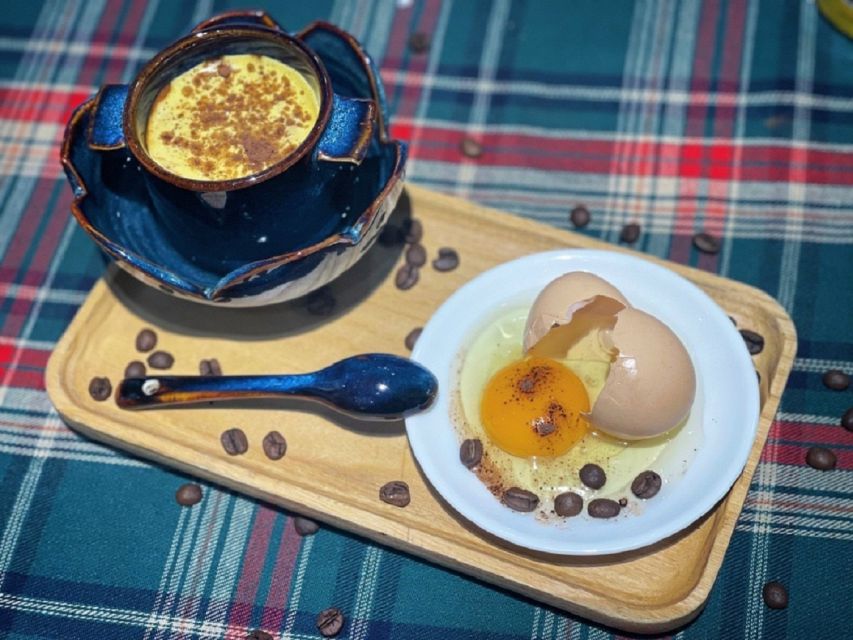
The key piece of equipment is the Phin, a small metal coffee filter placed over a cup. It is sometimes compared with a French press, but it works differently and produces its own slow, concentrated brew.
The guide shows you how to use the filter and how the coffee drips through. This is a small skill, but it is the most useful thing to take home. Once you understand the basic method, you can recreate the coffee without needing a large machine.
The dark beans and condensed milk are a classic pairing. The coffee brings strength and bitterness, while the milk adds sweetness and body. The class lets you see how the balance changes when other ingredients are added.
Pay attention to the timing and proportions. Vietnamese coffee is not simply coffee with a spoonful of milk. The preparation affects texture, strength, and the way each drink tastes. The demonstrations are designed to be easy to follow, so even someone who rarely makes coffee should be able to copy the process.
Five cups, five very different personalities
The detailed class format presents five coffees, although the short activity description refers to four styles in places. The drinks repeatedly described as part of the session are black coffee, white or iced coffee, salt coffee, coconut coffee, and Hanoi egg coffee. If the exact number matters to you, confirm the current format when booking.
A few more Hoi An trips worth weighing up
- Hoi An: Vietnamese Foldable Lantern Making Class
★ 4.9 · 3,742 reviews - Cooking Class Hoi An:Local Market, Basket Boat, Fishing & Cooking
★ 5.0 · 3,660 reviews - Hoi An Cooking Class(Market,BasketBoat Crabfishing&Cooking Class)
★ 5.0 · 3,386 reviews - From Hoi An: Market Tour, Basket Boat Ride and Cooking Class
★ 4.8 · 2,208 reviews
Black coffee
The plain black coffee gives you a reference point. It shows the flavor of the roasted beans without condensed milk, coconut, salt, or egg foam.
This is useful because the later drinks can be very sweet or creamy. Trying the black version first lets you notice what the other ingredients change. It also gives coffee drinkers a chance to judge the base brew on its own.
White or iced condensed milk coffee
The classic white coffee combines strong coffee with sweet condensed milk. In Vietnam, this is often served over ice, making it especially appealing in a hot climate.
You prepare the coffee and see how the slow Phin drip mixes with the milk. The result is much heavier and sweeter than a typical coffee with fresh milk. If you prefer a mild drink, this may taste intense. If you enjoy dessert-like coffee, it is likely to be one of the class favorites.
Hue Imperial salt coffee
Salt coffee sounds odd until you taste the balance. The salt is not meant to make the drink taste salty. Used carefully, it works with the sweetness and softens the bitterness of the coffee.
This drink gives the class a sense of place. It is associated with Hue, the former imperial capital, and offers a different regional style from the Hanoi egg coffee and the more familiar condensed milk version.
The salt coffee is also a good example of why the cultural explanations matter. Without the guide, it is just an unusual recipe. With the explanation, it becomes part of the wider story of how Vietnamese cafés keep adapting coffee.
Coconut coffee
Coconut coffee brings a cooler, smoother character to the strong coffee base. The coconut element changes both the texture and the sweetness, creating a drink that feels closer to a blended treat than a plain morning brew.
It is a good choice for people who find black coffee too forceful. You still taste the coffee, but the coconut makes it softer and more approachable. The recipes also give you a practical way to repeat it at home.
Hanoi egg coffee
Egg coffee is the drink most likely to make you curious. It uses a whipped egg mixture to create a creamy topping over strong coffee, and the class explains why the drink takes time to prepare.
The texture is the main surprise. It can feel like a coffee dessert, but the dark brew underneath prevents it from becoming purely sweet. You learn that the topping needs careful preparation, which explains why ordering egg coffee in a café is not always instant.
If you have never tried egg coffee, this is a useful introduction. You can make it yourself, taste the result, and decide if it deserves another order during your time in Vietnam.
Tasting the results with music and a cookie
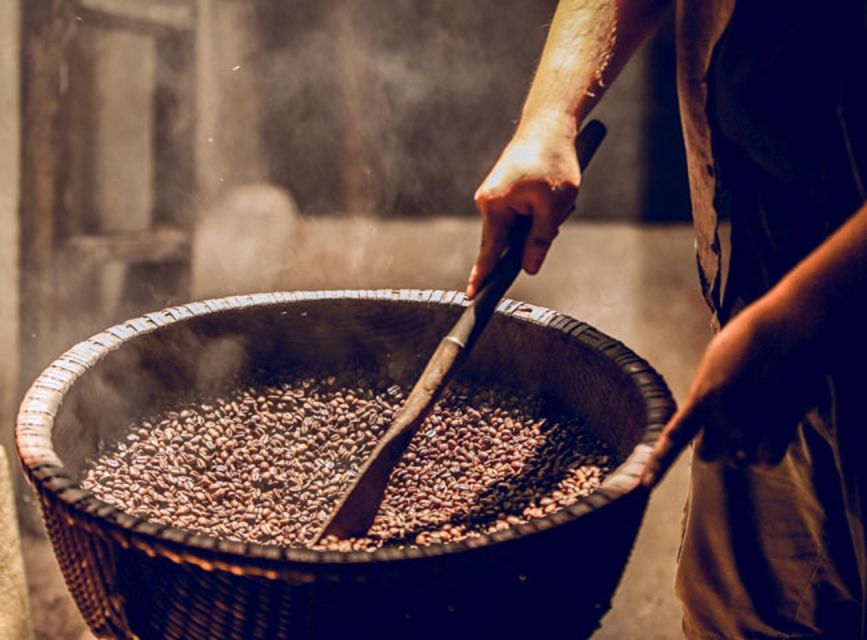
After preparing the drinks, you taste them in the workshop. A cookie is included, which is a small but welcome detail after several strong coffees and sweet flavors.
The tasting is not rushed. The comfortable setting and music help turn the final part into a shared social break. You can compare the drinks with other people in the group, ask about recipes, and take photos.
Bring a camera if you want pictures of the process. Coffee tools, colorful drinks, foam, and lantern décor all make this more photogenic than a standard café stop.
The group format means the class can feel lively rather than private. That is good if you enjoy meeting people and laughing along with the guide. It may feel less appealing if you want a quiet, one-on-one lesson.
What you take home
The biggest practical benefit is that you can repeat the drinks after your holiday. Recipes are provided, and the information can be photographed or taken home for later use.
Several people also received a small gift, including a mini Phin filter. Since the Phin is the central tool for the coffee, this makes the souvenir useful rather than decorative. It gives you a way to practice the basic brewing method at home.
You can also buy coffee afterward. The coffee is tied to the family business and its farm connection, so purchasing some gives you a chance to continue the experience. The activity does not require you to buy anything extra, but coffee lovers may want to take home beans or ground coffee.
Check what is included in your booking before assuming a filter is guaranteed. The class details list ingredients and tools, while the exact take-home gift appears to vary by session or current arrangement.
Is five coffees too much caffeine?
For many people, the tasting portions will be manageable. Still, the class involves a lot of coffee for two hours, particularly if you enjoy finishing every cup.
Several practical choices can make it easier:
- Eat a meal or snack before arriving.
- Choose a morning session if you are sensitive to caffeine.
- Sip slowly instead of treating each cup as a full drink.
- Drink the included Vietnamese tea and water if available.
- Avoid adding another strong coffee immediately afterward.
The class is not a good match for someone who knows that caffeine causes discomfort. It may also be less suitable late in the day. The activity specifically says it is not suitable for people over 95, but its main practical limitation for most adults is the amount of coffee, not the physical work.
Price, group size, and comfort

At $14 per person, this is inexpensive for a two-hour guided activity. You receive the class, ingredients, equipment, coffee, tea, cookies, and instruction. Even without counting the recipes or possible gift, that is strong value compared with paying separately for several specialty coffees in Hoi An.
The value is better if you care about skills rather than only tasting. A café can serve you egg coffee or coconut coffee, but this workshop shows you how the drinks are built and gives you a chance to repeat them.
A group of up to 10 keeps the class fairly personal. It is large enough for a social mood but small enough for demonstrations to remain visible. The activity is wheelchair accessible, which is useful, although hotel transportation is not included.
The cancellation policy is flexible: you can cancel up to 24 hours ahead for a full refund. You can also reserve now and pay later, which helps if your Hoi An plans are still shifting.
Who should book this Hoi An coffee class?
I would recommend it most strongly to:
- Coffee drinkers who want to understand Vietnamese brewing.
- First-time visitors looking for a cultural activity beyond sightseeing.
- Couples, solo visitors, and small groups who enjoy a friendly class.
- People who like bringing home recipes and practical souvenirs.
- Anyone curious about egg coffee, salt coffee, or coconut coffee.
- Visitors with a free morning or afternoon in Hoi An.
It is less suitable for people who dislike sweet drinks, avoid caffeine, or prefer a quiet private experience. It is also not a coffee farm visit. You learn about the crop-to-cup process, but the activity takes place in the workshop rather than on a farm.
Should you book it?
Yes, if you want a low-cost, social activity that gives you something to do and something to recreate at home. The strongest parts are the family connection, the funny teaching style, the range of coffee recipes, and the small Phin filter skill.
Book it earlier in the day if caffeine affects you, and confirm whether your session includes four or five prepared drinks because the published details use both numbers. For most visitors, this is an easy addition to a Hoi An itinerary, especially on a rainy day or when you want a break from walking the old town.
FAQ
How long does the Hoi An coffee class last?
The workshop lasts two hours.
How much does the coffee-making class cost?
The listed price is $14 per person.
How many Vietnamese coffees will I make?
The detailed class description and recent participant accounts describe five drinks: black coffee, white or iced coffee, Hue Imperial salt coffee, coconut coffee, and Hanoi egg coffee. Some activity details refer to four styles, so confirm the exact format when booking.
Is hotel pickup included?
No. Hotel pickup and drop-off are not included, so you need to reach the workshop meeting point yourself.
How do I find the meeting point?
Look for a workshop decorated with many silk lanterns and a board that says COFFEE MAKING WORKSHOP.
What is a Phin?
A Phin is a small metal Vietnamese coffee filter. The class teaches you how to use it to brew strong coffee.
Are coffee and tea included?
Yes. Coffee and Vietnamese tea are included, along with the ingredients and tools used in the class.
Is the workshop available in English?
Yes. The instructors speak English and Vietnamese, and an English audio guide is included.
Is the activity wheelchair accessible?
Yes. The workshop is listed as wheelchair accessible. It is also a small-group activity limited to 10 participants.
More Coffee Tours
- Hoi An: Vietnamese Coffee Making Workshop at Local Roastery
★ 4.8 · 174 reviews - Hoi An: Lantern and Coffee Making Class
★ 5.0 · 154 reviews - My Son Sanctuary Early Morning Tour 6 am w Banh my and Coffee
★ 5.0 · 142 reviews - Hoi An: Hands-on Vietnamese Coffee Making Class with Long
★ 4.8 · 66 reviews
Just added around Hoi An
- Hoi An bicycle tour to beautiful countryside★ 5.0 · 33 reviews
- Hoi An Countryside Discovery Tour By Motorbike – Local food★ 5.0 · 33 reviews
- Hoi An Ghosts, Death, Mystery Unveiled★ 5.0 · 33 reviews
- DaNang Airport Transfer to Hoi An by private car or vice versa★ 5.0 · 33 reviews
- Guided tour of Sampan distillery // Agricultural Rum Medalist★ 5.0 · 35 reviews
- Cooking class for lunch start at 12:00-3:00pm cooking yourself★ 5.0 · 35 reviews
- Hoi An city and Food tour★ 5.0 · 35 reviews
- HoiAn Walking Tours Night market, Colourful Lanterns, Boat Ride★ 4.5 · 36 reviews
Coffee Experiences, compared.
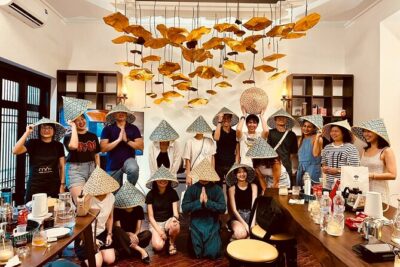
Hanoi Coffee Experience: 6 Brews, 9 Recipes & 3 Liquor Tastings
Read our review →
Hanoi Coffee Workshop: Taste Salt, Coconut and Egg Coffee
Read our review →
Salt Coffee Workshop Awake Your Senses With 6 Brews
Read our review →
Early Morning My Son Sanctuary Trip w. Champa Food & Coffee
Read our review →
Da Nang Cooking Class with Coffee Tasting and Market Visit
Read our review →
Fun & Easy Vietnamese Coffee Workshop in Hồ Chí Minh City
Read our review →Browse the lists this tour appears in