
Reviewed · MEKONG DELTA TOURS
Mekong Delta 2-Day Tour: Floating Markets & Cultural Exploration
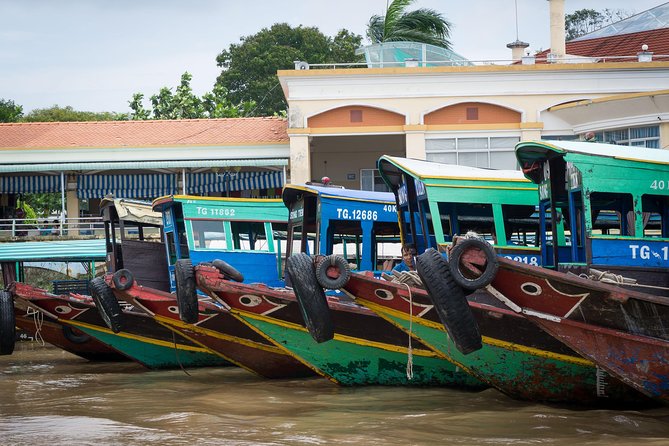
The river wakes before the city does. This two-day trip from Ho Chi Minh City gives you a useful mix of boat rides, village visits, local food, and time in Can Tho. I especially like the Cai Rang Floating Market and the slower visit to Con Son Island, where local families lead food and orchard activities.
I also like the preserved antique house, the noodle workshop, and the chance to cycle through Cai Be’s rural lanes. Guides such as Slim and Tom have received especially strong praise for clear English, warmth, and good historical context. The main drawback is pace: Day 1 is long, and some stops can feel arranged for visitors rather than fully spontaneous.
In This Review
- Key points at a glance
- Why two days work better than a rushed delta trip
- Day 1: From Ho Chi Minh City to Cai Be
- A boat ride on the Tien River
- The antique house and Tan Phong Island
- Lunch, cooking, and a bicycle ride
- Day 2: Cai Rang before the crowds
- Noodles, Khmer culture, and Con Son Island
- The guide makes or breaks the day
- Comfort, pace, and practical limits
- Who should book this Mekong Delta tour?
- Should you book it?
- FAQ
- Where does the tour start?
- Is hotel pickup available?
- How long does the tour last?
- What accommodation is included?
- Are meals included?
- Is Cai Rang Floating Market included?
- What is the maximum group size?
- Is the tour suitable for children?
- Can I cancel for a refund?
Key points at a glance
- Cai Rang before breakfast: Reach one of the Mekong’s best-known floating markets by boat during its morning trading hours.
- A changing river economy: Cai Be’s old wholesale floating market has faded, but fruit orchards and everyday river commerce remain.
- Food is part of the tour: Taste coconut sweets, tropical fruit, honey tea, fresh noodles, and regional dishes, with cooking instruction included.
- Con Son adds a personal touch: Local families guide cake-making and orchard visits through a community-run tourism program.
- Two very different days: Day 1 focuses on Cai Be and Tan Phong Island, while Day 2 centers on Can Tho, Cai Rang, and Khmer culture.
- Good value at $119: Transport, hotel, breakfast, two lunches, boats, water, and an English-speaking guide are included.
Why two days work better than a rushed delta trip
You can visit the Mekong Delta on a day trip from Ho Chi Minh City, but the journey is long and the best morning river activity may be over before you arrive. This tour gives you an overnight in Can Tho, allowing an early start for Cai Rang Floating Market on Day 2.
That overnight matters. The delta is not just a market photo stop. It is a working region of fruit orchards, canals, family workshops, temples, homes, and small farms. Spending two days lets you see several sides of it without trying to squeeze everything into one exhausting outing.
The price is $119 per person. For a two-day guided trip, that is reasonable because it includes an air-conditioned vehicle, boat rides, one night of twin or double accommodation, breakfast, two lunches, mineral water, and an English-speaking guide. You still pay for other meals, personal purchases, insurance, tips, and any pickup surcharge outside District 1.
The group limit needs careful attention. The tour information describes the experience as capped at 15 people in its highlights, while the operating details also give a maximum of 25. I would confirm the expected group size before booking if a small group is important to you.
More Mekong Delta Tours:
- From HCM City: Mekong Delta Tour with Sampan Journey
★ 4.5 · 13,132 reviews - Cu Chi Tunnels and Mekong Delta Signature Tour
★ 5.0 · 7,328 reviews - Mekong Delta Guided Tour from Ho Chi Minh City
★ 4.5 · 7,192 reviews
Day 1: From Ho Chi Minh City to Cai Be
Pickup begins at 7:30 am from 112 Tran Hung Dao in District 1, near Pham Ngu Lao. Pickup is offered, but the arrangements are not equally simple for every hotel. Accommodation outside District 1 may require an added fee, and traffic rules can prevent collection from some central streets, including Nguyen Trai and Nguyen Thi Nghia.
The road journey to Cai Be takes much of the morning. The listed timing allows about six hours for the first transfer and opening stop, so you should expect a full travel day rather than a quick hop into the countryside. Bring water, sun protection, and something comfortable for the road.
Cai Be is useful for understanding how quickly the Mekong is changing. The traditional floating market culture here has declined because of urban growth and changing trade patterns. That means you should not expect a huge permanent market covering the river in the way old photographs suggest.
Still, this is not a wasted stop. You see how river communities continue to use the waterways, and the guide provides context for the shift from boat-based wholesale trade to other forms of commerce. I prefer this honest framing to a tour that pretends the old market remains untouched.
A boat ride on the Tien River
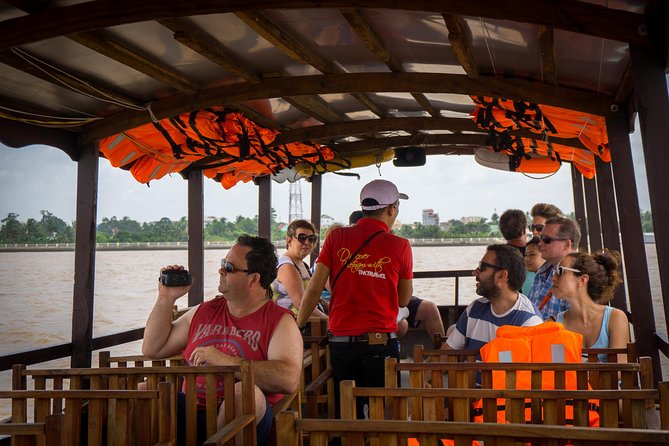
Once in Cai Be, you board a boat on the Tien River. The ride lasts about an hour and brings you past fruit orchards lining the banks. This is one of the tour’s quieter pleasures, especially after the road from Ho Chi Minh City.
Look for the practical details of delta life: homes near the water, boats used for work, and gardens that depend on the region’s fertile soil. The river is not simply scenery. It remains part of how people move goods and connect communities.
The boat ride also puts the market’s decline in context. The Mekong is a living economy, not a museum display. Some old trading patterns have faded, but the river still shapes work, food, transport, and settlement.
The antique house and Tan Phong Island
The visit to Nha Co Ong Kiet lasts around 30 minutes. This preserved home combines Vietnamese, Chinese, and French colonial design. Its wooden construction, central courtyard, family shrines, old furniture, and heirlooms help explain how prosperous merchant families once lived.
The house is worth your attention because it connects architecture to climate. Courtyards improve airflow, while the layout and materials suit a hot, flood-prone region. Your guide can also explain the meaning of the household objects and shrines, which makes the visit more useful than simply walking through an old building.
Next comes a family-run confectionery on Tan Phong Island. You watch coconut sweets and rice popcorn being made, then taste the results. Tropical fruit, honey tea, and Southern Vietnamese folk music are also part of this stop.
This is a pleasant visit, though it has the feel of a traditional tourist stop. You will likely have the chance to buy local products. That does not make it worthless, but you should treat it as a small family workshop and tasting session, not a private look at untouched village life.
A short boat ride through Tan Phong’s narrow canals follows. Water coconut palms and water lilies line the channels, and the pace is calmer than on the broad river. The island’s orchards, flower gardens, and homes show the everyday side of the delta more clearly.
A few more Ho Chi Minh City trips worth weighing up
- From HCM: Mekong Delta & Cai Rang Floating Market 2-Day Tour
★ 4.5 · 1,183 reviews - Cai Rang Floating Market & Mekong Delta 2-Day Tour from HCM City
★ 5.0 · 942 reviews - Mekong Delta & Cai Rang Floating Market 2-Day Tour from HCMC
★ 5.0 · 813 reviews - Mekong Delta 2-Day Tour: Floating Markets, Biking, Amazing Tour
★ 4.5 · 492 reviews
Lunch, cooking, and a bicycle ride
Lunch takes place in a garden setting, using local ingredients, tropical fruit, and herbs. Before eating, you receive instruction in regional cooking, including spring rolls, rice paper, and the use of local herbs and spices.
This is one of the stronger parts of the first day because food gives you a direct connection to the region. You do not just sample a finished dish. You see some of the preparation and learn how family recipes are passed along.
Tell the operator about dietary requirements when booking. The included meals are listed as breakfast and two lunches, but other meals are not covered.
After lunch, you take a bicycle ride lasting about 30 minutes. The route follows dirt lanes through countryside, rice paddies, palms, orchards, and small villages. You may see farmers working, children playing, or local crafts being practiced.
Do not expect a long cycling tour. Thirty minutes is enough for a taste of rural movement, but not enough for a major ride. The benefit is the change in viewpoint. From a bicycle, you notice side roads and homes that a vehicle would pass without stopping.
At the end of the day, a boat takes you back to Cai Be. A private car then transfers you to Can Tho for hotel check-in. The evening is free for a walk beside the river or a meal at your own expense, though the return transfer and the day’s many stops may leave you ready for an early night.
Day 2: Cai Rang before the crowds
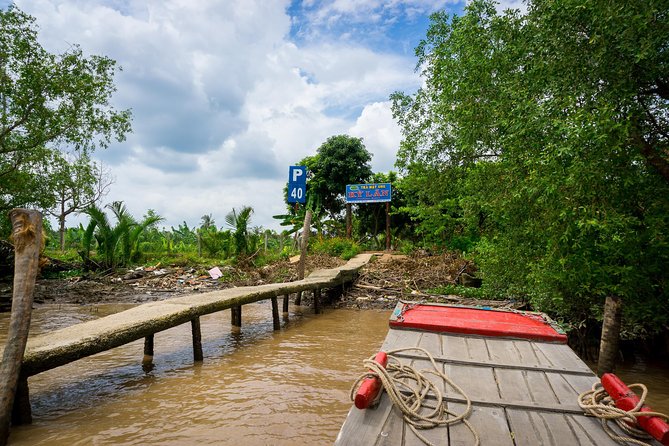
After breakfast, you take a boat along the Bassac River toward Cai Rang Floating Market. The early departure is important. Floating markets are morning places, and arriving late would miss much of the trade.
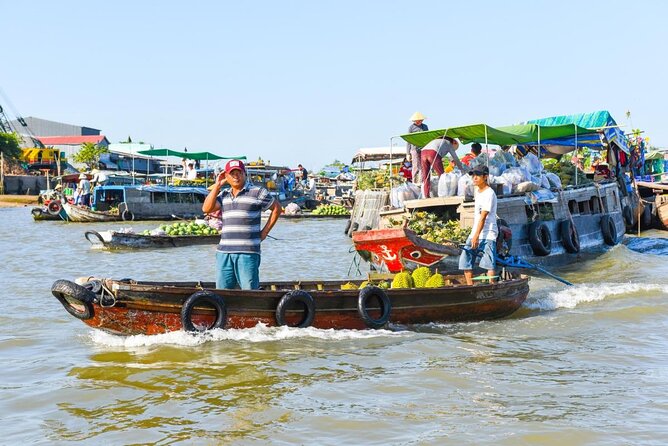
Cai Rang is the tour’s headline stop. Vendors sell produce and household goods from boats, often using tall poles to display samples of what they carry. The market is best understood as a practical trading system rather than a staged performance.
You have about 40 minutes there. That is enough to see the market, take photographs, and listen to your guide, but it is not a slow morning on the river. If you enjoy watching how goods move from producer to buyer, pay attention to the boats and the trading process, not just the colorful fruit.
The market is also busy in a physical sense. Boats operate close together, and boarding or moving around may require care. Keep phones and cameras secure, and remember that this is a workplace for local sellers.
Noodles, Khmer culture, and Con Son Island
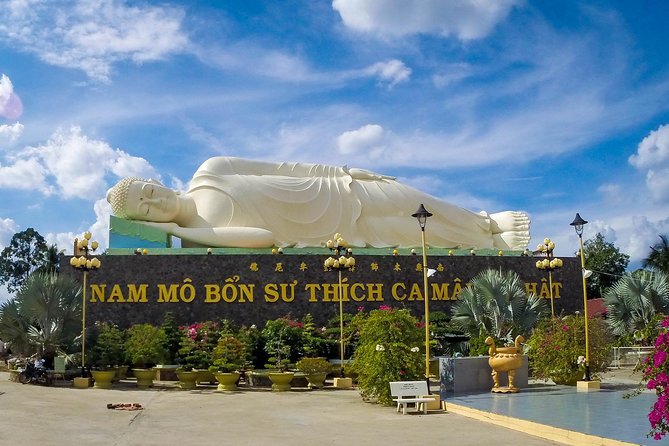
The next stop is a traditional rice noodle factory, where you see the process from raw ingredients to finished noodles. The visit lasts about 20 minutes, so it is a compact demonstration rather than an extended workshop.
It pairs well with the food activities from Day 1. You see both the home-style preparation of regional dishes and the production of a staple food used throughout Vietnam.
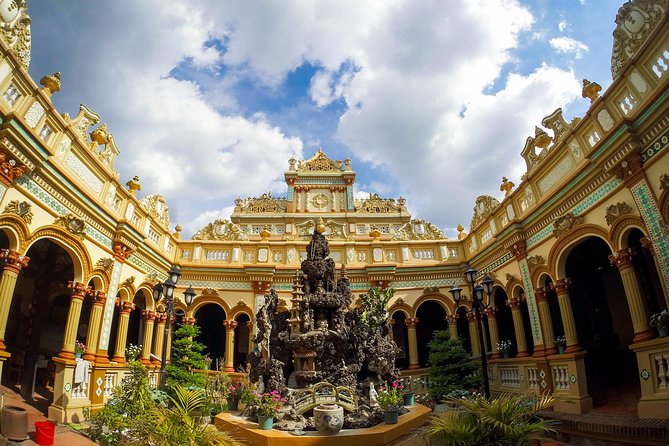
Munir Ansay Pagoda, also known as Munirensay Khmer Buddhist Temple, adds a different cultural layer. This Khmer temple features murals, carved details, decorated columns, and scenes connected to Buddhist stories.
The temple matters because the Mekong Delta is home to Khmer communities as well as Vietnamese communities. Your guide explains the site’s religious and local importance, helping you see the delta as a place with several cultural traditions, not only a rural extension of Ho Chi Minh City.
Dress and behave respectfully at the temple. The visit lasts about 30 minutes, so listen closely to the explanation rather than rushing through for photographs.
The final major stop is Con Son Island, reached by boat. This community-led program focuses on family workshops, local cake-making, and orchard visits. You may encounter seasonal fruit such as durian, mangosteen, longan, and rambutan, depending on the time of year.
This stop received especially strong praise for its local guide and personal feel. I can see why. Con Son is less about ticking off a famous sight and more about seeing how families combine farming, food production, and small-scale tourism.
The tour also presents local efforts to reduce harmful chemicals and conserve water. These details give the orchard visit some substance. You are not only tasting fruit, but also hearing how farming supports both household income and the health of the island.
As with the confectionery stop, some activities are designed for visitors. The difference is that Con Son appears to put more weight on family participation and community control. If you want the most human part of the tour, this is likely it.
The guide makes or breaks the day
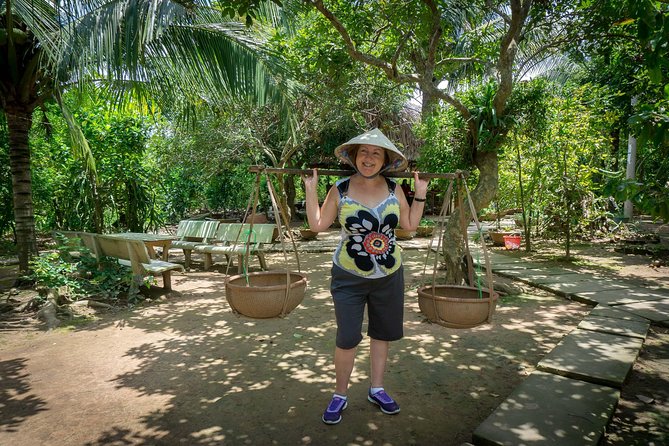
A good guide is important on this trip because the sights are spread out and several stops need explanation. The best feedback has focused on guides such as Slim and Tom, who are praised for friendly service, strong English, and clear information about history and local life.
A guide also helps you read what you are seeing. Without context, an old house is simply an old house, a floating market is only a collection of boats, and an orchard is just a place to taste fruit. With good commentary, each stop explains how people live and work in the delta.
The trip is marketed around personal contact with the guide, but the stated maximum varies between 15 and 25 people. Ask about the group size if you want a more intimate outing. Larger groups can make boats, bikes, and compact workshops feel crowded.
Comfort, pace, and practical limits
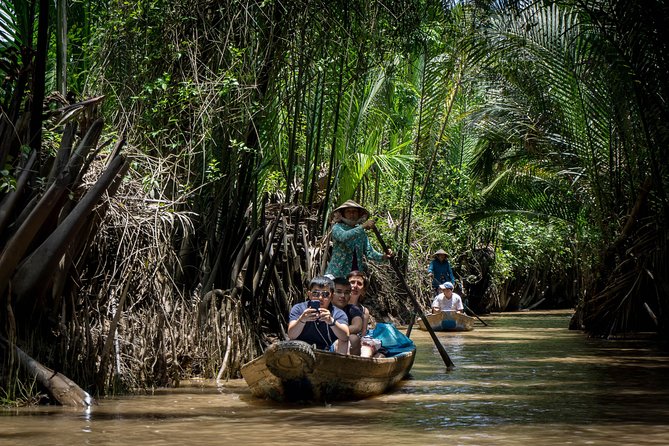
The air-conditioned vehicle is welcome because the road transfers are long. Boats provide the main movement within the delta, and the tour includes mineral water. Accommodation is based on twin or double rooms, with room sharing as the basic arrangement.
The itinerary is active but not physically extreme. You walk through homes, workshops, temples, and orchards, and cycle for about 30 minutes. However, the tour is not available for people with mobility disabilities or heart problems, according to the operating information.
The first day is the more tiring one. It combines road travel, several short stops, boating, lunch, cycling, and another transfer to Can Tho. Some stops last only 30 minutes, so the schedule can feel rushed. The second day is more focused, but the journey back to Ho Chi Minh City can still be affected by traffic.
The end point is back at the original meeting point. The exact return time is not fixed, so avoid scheduling a flight or important appointment immediately afterward.
Cancellation is free up to 24 hours before the 7:30 am start time. The operator may offer another date or a full refund if bad weather or insufficient bookings causes cancellation. A 200,000 Vietnamese dong per-person surcharge applies on certain listed public holiday dates, including April 7, April 30 to May 1, and September 1 to 2, 2025.
Who should book this Mekong Delta tour?
I would choose this tour if you want a broad first look at the Mekong Delta without arranging several separate transfers. It suits you if you like food, short cultural visits, boat rides, simple village activities, and a guide who can explain what you are seeing.
It is also a good fit if Cai Rang Floating Market is high on your list. The overnight in Can Tho gives you a better chance of reaching the market at the right hour than a same-day trip from Ho Chi Minh City.
I would think twice if you want a slow, independent stay in one village. The schedule covers many places, and the confectionery and some other stops may feel visitor-oriented. The conflicting group-size details also deserve clarification before you pay.
Should you book it?
Book this two-day tour if you value convenience and variety. For $119, the included transport, accommodation, meals, boats, guide, and market visit make it a solid package, especially for a first trip to southern Vietnam.
Choose it with realistic expectations. The old Cai Be floating-market culture has declined, the first day moves quickly, and not every stop feels entirely untouched by tourism. Still, the early Cai Rang visit, Con Son Island, the antique home, and the food activities give you a useful, varied picture of Mekong life. Confirm pickup, group size, dietary needs, and holiday surcharges before booking, then let the river set the pace.
FAQ
Where does the tour start?
It starts at 7:30 am from 112 Tran Hung Dao, Pham Ngu Lao Ward, District 1, Ho Chi Minh City.
Is hotel pickup available?
Pickup is offered, but hotels outside District 1 may require an extra charge. Traffic rules may also prevent pickup from some central streets, including Nguyen Trai and Nguyen Thi Nghia.
How long does the tour last?
The tour lasts approximately two days and includes one overnight stay in Can Tho.
What accommodation is included?
Accommodation is based on a twin or double room, with basic room sharing.
Are meals included?
Breakfast and two lunches are included. Other meals are not included.
Is Cai Rang Floating Market included?
Yes. The second day includes a boat trip to Cai Rang Floating Market, with about 40 minutes at the market.
What is the maximum group size?
The operating information states a maximum of 25 people, while the highlights describe the tour as capped at 15. Confirm the expected group size before booking.
Is the tour suitable for children?
Children must be accompanied by an adult. A child rate applies only when the child shares with two paying adults, and a surcharge may apply to bookings with two or more children.
Can I cancel for a refund?
You can cancel up to 24 hours before the start time for a full refund. Changes or cancellations made less than 24 hours before departure are not accepted for a refund.
Just added around Ho Chi Minh City
- Early Riser Walk: Grandma Noodles, Cafe, Exotic Fruits & History★ 5.0 · 33 reviews
- Mekong Delta Tour with Kayaking, Cycling and Cooking★ 5.0 · 33 reviews
- Cu Chi Tunnels – Waterway Trip Half Day Morning Tours★ 5.0 · 33 reviews
- Mekong Day Tour by Car:Cai Be market, Local Island & Cycling★ 4.8 · 33 reviews
- Full-Day Private Ho Chi Minh City Tour★ 5.0 · 34 reviews
- Coffee Workshop in Ho Chi Minh City: Discover the art of coffee★ 5.0 · 35 reviews
- Ho Chi Minh Airport: Vip Fast Track Lane, Private Transfer★ 4.0 · 35 reviews
- Exploring organic farm & Vietnamese Culinary with Master chef★ 5.0 · 35 reviews
Mekong Delta Tours, compared.
Cu Chi Tunnels and Mekong Delta Signature Tour
Read our review →
Mekong Delta Guided Tour from Ho Chi Minh City
Read our review →
Cu Chi Tunnels & Mekong Delta Tour with VIP Limousine Transfer
Read our review →
Cu Chi Tunnels and Mekong Delta Full Day Tour – Max 12
Read our review →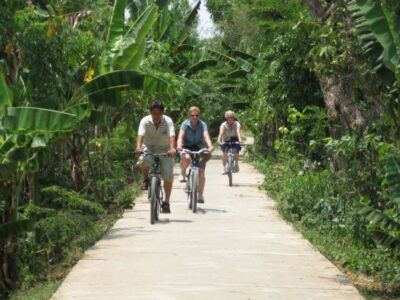
Mekong Delta, My Tho & Ben Tre Coconut Village
Read our review →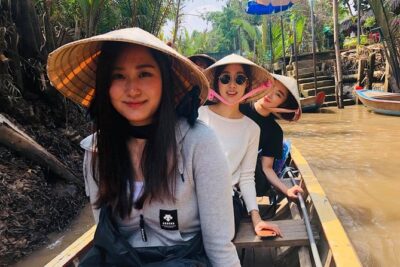
CuChi Tunnels&Mekong Delta-Boat,TukTuk,Coconut Village SmallGroup
Read our review →
Adventure Cu Chi Tunnels and Mekong Delta Tour From HCM
Read our review →Browse the lists this tour appears in