Reviewed · HANOI TOURS
Hanoi: Master the Art of 4-6 Signature Vietnameses Coffees
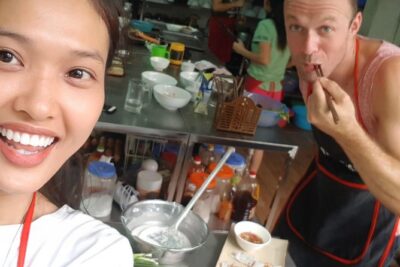
Coffee can tell you a lot about Hanoi. This small workshop turns that daily ritual into a hands-on lesson, taking you from a simple black coffee to egg, coconut, and salted versions in a lived-in local home. I like the small groups and the chance to work with ceramic tools, fresh eggs, milk, and coconut rather than watching a polished demonstration. I also like that you learn how to adjust sweetness and strength at home. The main caution is simple: six coffees in one to two hours can deliver a powerful caffeine hit.
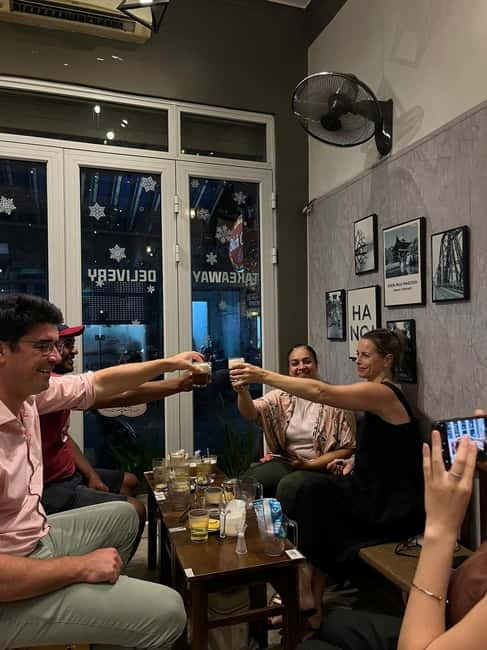
The setting is informal and personal, not a large cooking school with rows of workstations. You meet at a cozy local café in a quiet corner of the Old Quarter, then settle into a space where everyday life carries on around you. That home atmosphere adds charm, though anyone expecting a slick café class may find it more relaxed and less structured.
In This Review
- Six useful things to know before booking
- Starting in a quiet Old Quarter corner
- The first lesson: black and brown coffee
- Egg coffee: Hanoi in a dessert cup
- Coconut and salted coffee bring the surprises
- Why the Central Highlands beans matter
- The instructors make the difference
- A home setting with real advantages and limits
- Is six coffees worth $22?
- Who will enjoy this most?
- Should you book this Hanoi coffee class?
- FAQ
- How many Vietnamese coffees will I make?
- How long does the workshop last?
- How much does the experience cost?
- Where does the workshop meet?
- What languages are available?
- What is the maximum group size?
- Will I receive the recipes?
- Are the ingredients prepared fresh?
- Is the experience wheelchair accessible?
- Can I cancel for a refund?
Six useful things to know before booking
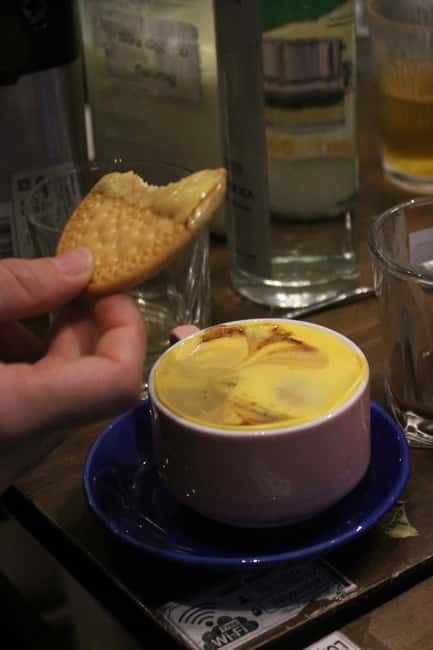
- You make four to six coffees yourself: The styles include black, brown, egg, white or silver, coconut, and salted coffee.
- The class is limited to 10 people: Smaller sessions may feel close to private, and several participants have had one-on-one or very small-group instruction.
- The ingredients are fresh: Eggs, milk, and coconut are prepared daily, and the coffee comes from Vietnam’s Central Highlands.
- The lesson goes beyond recipes: You learn how locals balance bitterness, manage strength, and change a drink to suit personal taste.
- You receive recipes for home use: The instructions include practical substitutes, so you do not need special equipment for every drink.
- Local advice comes with the coffee: Guides such as Jade, Eddie, Daisy, and Tyler have shared suggestions for cafés, food, markets, bars, and restaurants around Hanoi.
Starting in a quiet Old Quarter corner
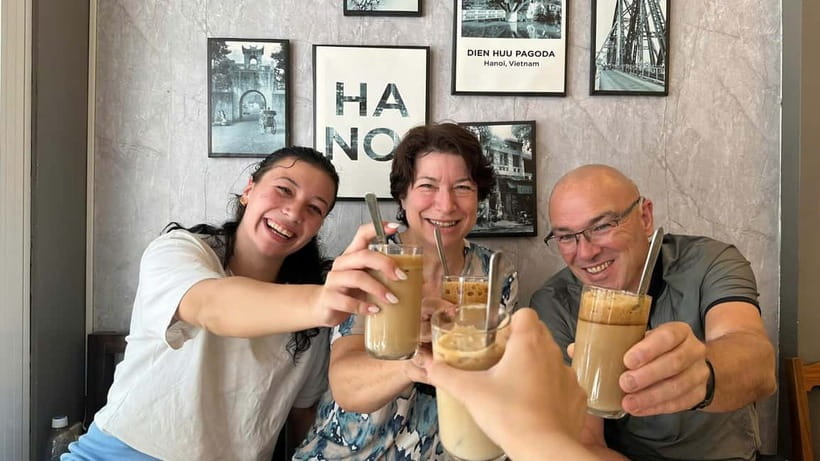
The meeting point is near the Hanoi Opera House, the French Quarter, the Red River, and Vinh Tuy Bridge. It is described as a cozy café tucked into a peaceful part of the Old Quarter, making it handy if you are staying near Hoàn Kiếm Lake or the southern end of the historic center.
The class begins with the kind of transition Hanoi does well. You leave the street noise behind, enter a local space, and watch the room settle into the rhythm of coffee preparation. Voices may drift in from outside, while hands move between grinders, filters, bowls, and cups.
That matters because Vietnamese coffee is not only a drink. It is part of the pace of the city. A café stop can be a morning habit, a meeting place, or a slow pause in a day of crossing streets and dodging scooters. This workshop gives you a clearer sense of that routine than simply ordering an iced coffee and moving on.
The space is a real home, not a staged cultural set. You may see warm-hearted older local residents, a garden area that welcomes pets, and the ordinary signs of daily life. Air conditioning, clean restrooms, a dishwasher, and sterilized utensils keep the relaxed setting practical.
A few more Hanoi trips worth weighing up
- Hanoi Jeep Tour: Food, Culture and Fun by Vietnam Army Jeep
★ 5.0 · 15,222 reviews - Full-Day Ninh Binh Highlights Tour from Hanoi
★ 5.0 · 7,761 reviews - Hanoi: Ha Long Bay Day Cruise – Swimming, Meal, Kayaking
★ 4.7 · 7,415 reviews
The first lesson: black and brown coffee
The basic cups provide the foundation. You grind the beans, prepare the filter, and watch the coffee pass slowly through the Vietnamese phin. This compact metal filter is central to the country’s coffee style, and learning to use it gives you a tool you can take home.
Black coffee shows the beans without milk or sweetener. For some people, this will be the strongest cup of the session. The Central Highlands beans are selected from seasonal Vietnamese harvests, and the coffee may taste bold, earthy, or bitter compared with lighter European-style brews.
You then move to brown coffee, where condensed milk softens the bitterness and adds sweetness. This is a useful lesson in balance. The aim is not to hide the coffee, but to make the thick, forceful brew easier to drink.
I especially like the practical approach here. You are not simply handed a fixed recipe and told to copy it. You taste, adjust, and learn what happens when you make the drink sweeter or stronger. That is much more useful once you are back home with a different brand of coffee or a slightly different filter.
One participant arrived convinced they had been making Vietnamese coffee incorrectly for years. That is a good reminder that the phin looks simple but still rewards careful attention. The amount of coffee, the pressure on the grounds, and the water all affect the result.
Egg coffee: Hanoi in a dessert cup
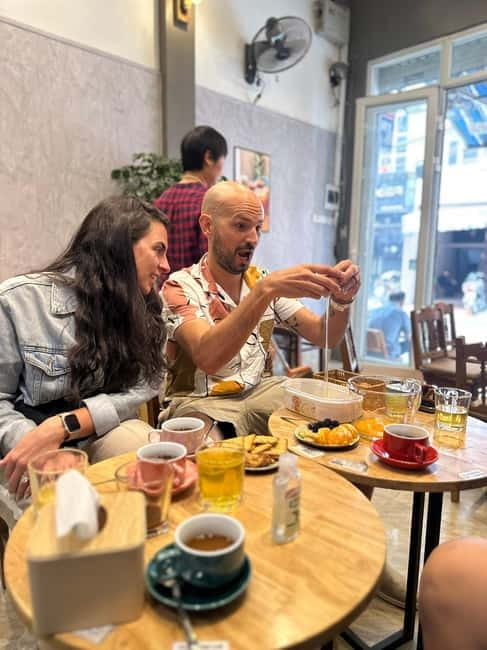
Egg coffee is the workshop’s most famous specialty, and it gives the session its clearest link to Hanoi café culture. You whisk the egg mixture yourself, building the pale foam that sits over strong coffee.
The appeal is partly visual, but the texture is the real point. The creamy topping changes the coffee from a sharp drink into something closer to a soft dessert, while the dark brew below keeps it from becoming merely sweet.
Your instructor explains where the drink fits into the story of Vietnamese coffee and how its popularity grew in Hanoi. The class does not treat the recipe as a museum piece. You learn the process, taste the result, and can adjust it to your preference.
This is one of the better parts of the workshop for people who are unsure about black coffee. One participant who normally avoids it still enjoyed the plain version, while the egg coffee offers an even gentler entry point. If you have already tried egg coffee around Hanoi, making it yourself helps explain why one cup can be airy and balanced while another feels heavy.
Coconut and salted coffee bring the surprises
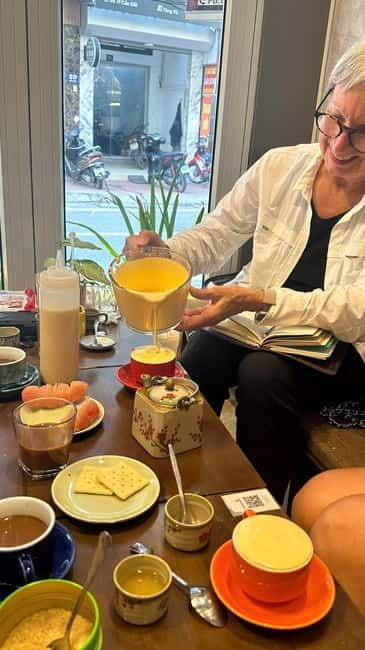
The coconut version is often the favorite in this class. You combine coffee with fresh coconut ingredients to create a drink that is cool, smooth, creamy, and lightly sweet. The result has more body than basic iced coffee, but the coffee still matters.
It is a good example of how local café drinks keep changing. Vietnamese coffee culture has strong traditional roots, yet cafés continue to adapt familiar ingredients into new combinations. Coconut coffee may appeal most to people who find straight robusta too forceful.
Salted coffee works differently. A small amount of salt can soften bitterness and make sweetness feel stronger. The lesson is less about adding a salty taste than using salt as a balancing tool.
The workshop also includes white or silver coffee, along with the black and brown styles. The exact order may vary, and the session can cover four to six drinks depending on timing and the group. That flexibility is useful, but it also means you should not assume every class will run like a minute-by-minute production.
You handle the main steps for every cup: grinding, brewing, whisking, tasting, and adjusting. The host guides your hands without taking the whole task away from you. That makes the class a better fit for anyone who wants skills rather than a series of samples.
A completely different sort of day out of Hanoi:
- Hanoi: Water Puppet Show Tickets
★ 4.6 · 7,029 reviews - Hanoi Motorbike Tour: Food, Culture and Fun by Vintage Motorbike
★ 5.0 · 6,699 reviews - Hanoi: Guided Food Tour with Train Street Visit
★ 4.9 · 6,239 reviews - Hanoi Cooking Class: Culture, Local Market & Meaning CSR Impact
★ 5.0 · 5,147 reviews
Why the Central Highlands beans matter
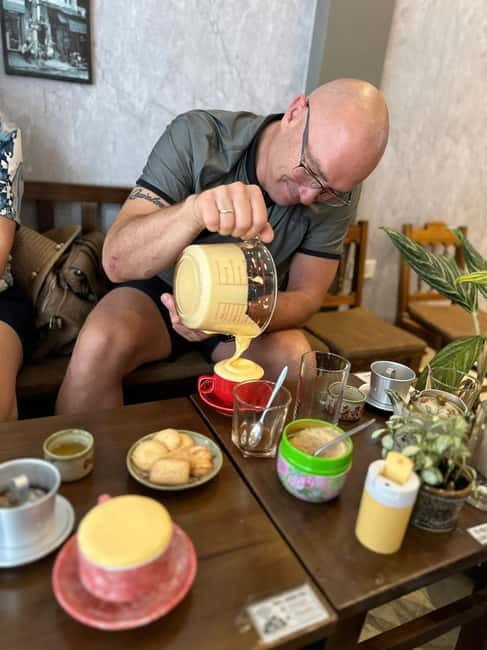
The coffee is sourced from Vietnam’s Central Highlands, an important growing area for the country’s beans. The hosts say they test coffee from seasonal harvests and select what they consider good enough to serve.
You do not need to be a coffee expert to notice the point. The workshop shows how much the bean affects the final drink, especially when the preparation is simple. A strong phin brew leaves little room for poor ingredients to hide.
At the same time, the class is not presented as a specialist tasting course. It focuses on everyday Vietnamese drinks and how people enjoy them. You learn flavor profiles, but you also learn how locals soften bitterness, change the strength, and make a satisfying cup without expensive machines.
Fresh preparation is another plus. The eggs, milk, and coconut are made ready each day, and the class does not rely on artificial premixed products. If you are sensitive to raw ingredients or have dietary restrictions, ask before booking because several of the signature drinks depend on dairy, egg, or coconut.
The instructors make the difference
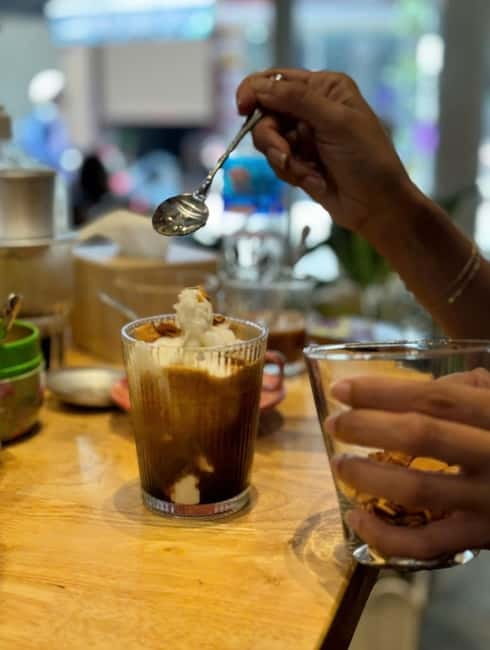
The hosts were born and raised in Hanoi’s Old Quarter and grew up around coffee, grandparents, street cafés, chefs, and family habits. The best sessions depend heavily on the instructor’s ability to explain and encourage, and the available feedback points to a consistently warm teaching style.
Jade is repeatedly praised for clear explanations, patience, and local suggestions. She has helped people understand both the coffee process and the background of each drink. Eddie is also described as attentive and thorough, taking time to explain six types of coffee and answer questions.
Daisy has led sessions on phin brewing, egg coffee, coconut coffee, and salted coffee. Tyler has been praised for warmth and for making the class feel welcoming. Other named instructors include Jessica, Zoey, Ngoc, and Mint.
The instructor for your time slot can vary. That is worth knowing if you see a recommendation for a particular person and hope to book specifically with them. The common strength is the teaching approach: clear English, personal attention, and stories that connect coffee to Hanoi mornings, older cafés, changing tastes, and modern café culture.
The local recommendations are a useful extra. You may receive a map or guide to food, markets, bars, restaurants, and cafés that are less obvious to first-time visitors. I would treat this as a bonus, not the main reason to book, but it can help you plan the rest of your time in the city.
A home setting with real advantages and limits
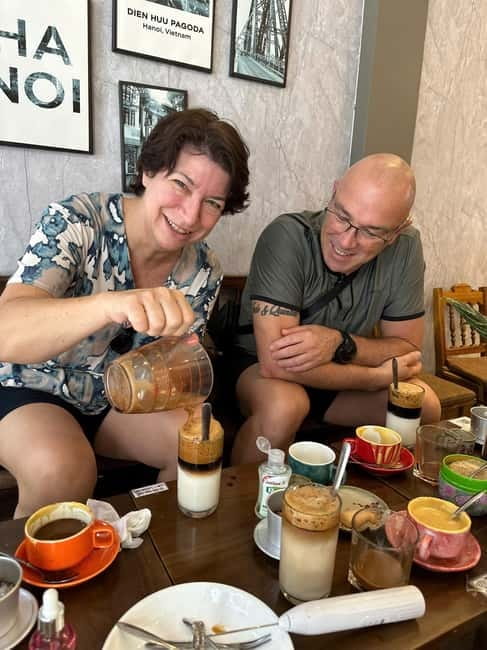
The home atmosphere is one of the most appealing parts of the experience. You work with ceramic tools from local pottery villages, feel the coffee grounds and foam, and hear normal life outside the room.
That setting makes the workshop feel more connected to Hanoi than a generic café demonstration. It also allows the guides to talk about coffee as something people live with every day, not just a product sold to tourists.
There are tradeoffs. A lived-in home is not designed like a large commercial classroom. The pace may feel informal, the layout may be compact, and the session could vary slightly depending on group size. Some people will love that personal quality. Others may prefer a polished culinary studio.
The group limit of 10 helps keep the class manageable. Several sessions have been especially small, including private-feeling classes for couples or solo participants. If the full group attends, you may have less individual time, but the hands-on format still gives everyone a role.
The space is wheelchair accessible. Childcare is available, though babies under one year are not suitable for the activity, and the experience is not suitable for people over 95. Families should confirm childcare details before booking rather than assume it is automatic.
Is six coffees worth $22?
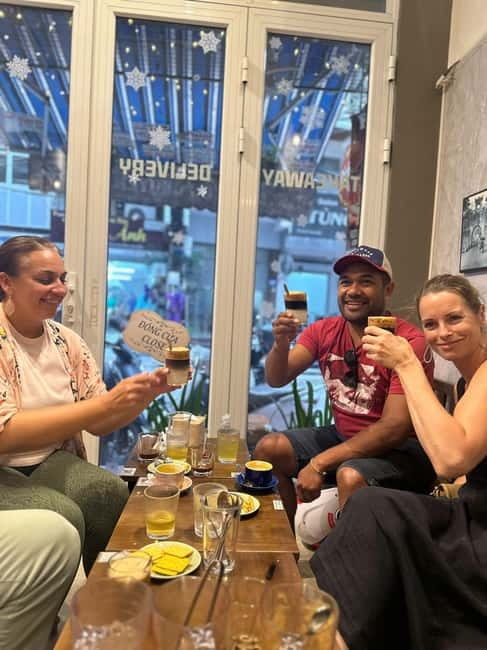
At $22 per person, the value is strong if you plan to drink Vietnamese coffee during your trip or recreate it later. You are paying for the coffee itself, fresh ingredients, instruction, cultural context, recipes, and roughly one to two hours of guided activity.
A normal café visit may cost far less, but it will not teach you how to prepare six styles or send you home with instructions. A formal cooking class can also cost more, especially when it includes a small group and several finished dishes.
The value drops if you dislike coffee, avoid caffeine, or only want to taste one traditional cup. Six drinks can be a lot, even when each serving is small. One participant sensibly suggested booking in the morning, since the session can leave you with a serious amount of caffeine in your system.
You can also buy a phin filter at the venue if you want to continue the habit at home. That turns the workshop into more than a pleasant afternoon. You leave with a method, recipes, and a low-cost piece of equipment that fits in your luggage.
Free cancellation up to 24 hours before the start gives you useful flexibility, and you can reserve now and pay later. Starting times vary, so check availability when choosing your slot.
Who will enjoy this most?
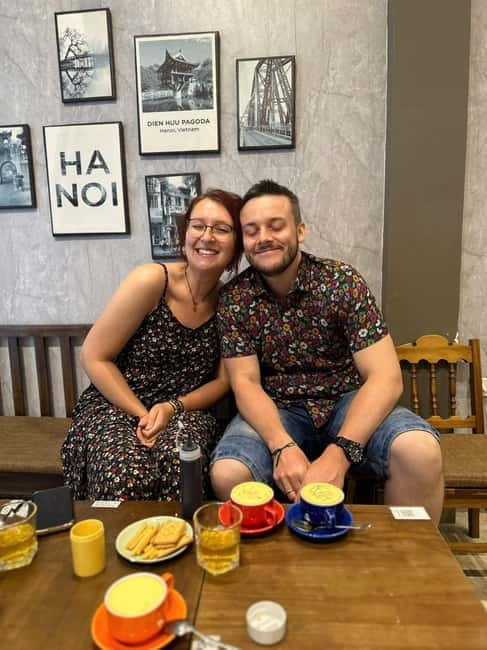
I would choose this for coffee lovers, curious foodies, couples, solo visitors, and anyone who wants a cultural activity that does not take half a day. It works particularly well early in a Hanoi itinerary, since the local café advice can help shape the rest of your visit.
It is also a smart choice for people who have already been drinking egg, coconut, or condensed-milk coffee and want to understand how those cups are made. Beginners are welcome too. The process is explained clearly, and the recipes can be changed for a sweeter, bolder, or stronger result.
You may want to skip it if you are avoiding caffeine, have strict egg or dairy restrictions, or prefer a quiet tasting with no practical work. This is a class, not simply a coffee stop. You will handle ingredients, make mistakes, and drink several cups.
Should you book this Hanoi coffee class?
Yes, if coffee is part of your reason for visiting Vietnam. At a reasonable price, you get six styles, fresh ingredients, a phin brewing lesson, local stories, home recipes, and useful Hanoi recommendations. The strongest feature is the combination of hands-on work and personal guidance.
Book it early in the day if possible, and leave room in your schedule afterward. Go with an open palate, expect a relaxed home setting rather than a formal school, and ask about ingredient substitutions if needed. For most coffee drinkers, this is a tasty and practical way to understand Hanoi one cup at a time.
FAQ
How many Vietnamese coffees will I make?
The session covers four to six styles. The listed coffees are black, brown, egg, white or silver, coconut, and salted coffee.
How long does the workshop last?
The duration is listed as one to two hours. The exact length can depend on the starting time and group.
How much does the experience cost?
The price is $22 per person.
Where does the workshop meet?
You meet at a cozy local café in a quiet corner of Hanoi’s Old Quarter, near the Hanoi Opera House and French Quarter.
What languages are available?
Instruction is available in Vietnamese and English.
What is the maximum group size?
The class is limited to 10 participants.
Will I receive the recipes?
Yes. Full recipes are included, with practical home-friendly substitutes.
Are the ingredients prepared fresh?
Yes. Eggs, milk, and coconut are prepared daily, and the coffee is sourced from Vietnam’s Central Highlands. Nothing is pre-made or artificial.
Is the experience wheelchair accessible?
Yes, the activity is listed as wheelchair accessible.
Can I cancel for a refund?
You can cancel up to 24 hours before the experience for a full refund. You can also reserve and pay later.
Just added around Hanoi
- Hanoi: Make 6 Iconic Coffees in a Heritage Home with Locals★ 5.0 · 32 reviews
- Private Ninh Binh Full Day (Bich Dong -Tam coc -Mua cave- Biking)★ 5.0 · 32 reviews
- 15-Day Vietnam Itinerary All in One | Travel Package 2026-2027★ 5.0 · 32 reviews
- Retro Hop-on-hop-off Bonbon City Tour: Classic Package★ 4.0 · 32 reviews
- 10-Day Vietnam Discovery from North to South | Best Packages★ 5.0 · 32 reviews
- Verdure Lotus Classic Cruise in Halong Bay & Lan Ha Bay (2D1N)★ 4.0 · 32 reviews
- Full-day Guided Meditation Experience in Ha Noi★ 5.0 · 33 reviews
- Private Transfers Hanoi <=> Halong One Way by Limousine Vehicles★ 5.0 · 33 reviews
Hanoi Tours, compared.

Hanoi Jeep Tour: Food, Culture and Fun by Vietnam Army Jeep
Read our review →
Full-Day Ninh Binh Highlights Tour from Hanoi
Read our review →
Ha Long Bay Day Cruise – Swimming, Meal, Kayaking
Read our review →
Hanoi Motorbike Tour: Food, Culture and Fun by Vintage Motorbike
Read our review →
Hanoi Cooking Class: Culture, Local Market & Meaning CSR Impact
Read our review →