
Reviewed · HUE DAY TRIPS
Hue Imperial City and Forbidden City Walking Private Tour
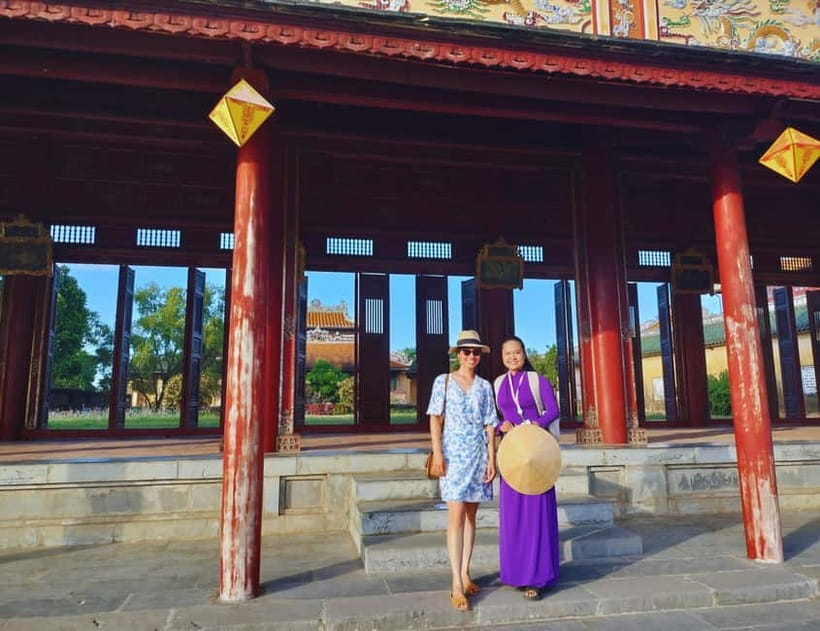
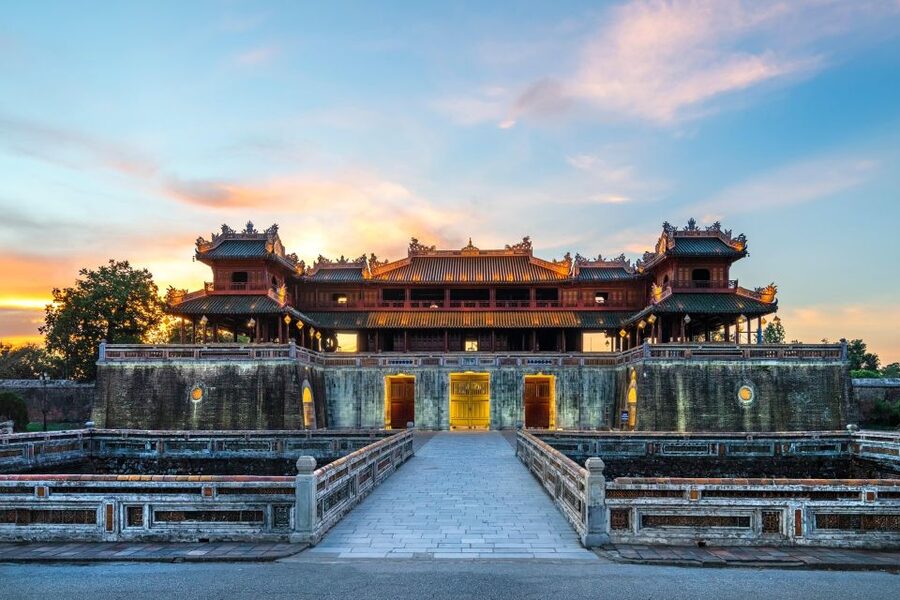
Hue keeps its best stories behind gates. This 150-minute private walk brings the Nguyen Dynasty to life through the Noon Gate, Thai Hoa Palace, and Forbidden Purple City. I like the personal pace and the way guides such as Austin, Ha, Nhi, and Anna explain small details rather than simply naming buildings. I also like the low $23 price per person, especially if you want context instead of wandering through the citadel with a guidebook.
The main consideration is time. Two and a half hours is enough for a strong introduction, but Hue’s Imperial City is large, and several stops receive only 10 or 15 minutes. You must also pay the 200,000 VND entrance fee separately. Still, for a first visit or a short stay in Hue, this is a useful and well-priced way to get oriented.
In This Review
- Why this Hue tour is worth your time
- Meeting the guide beside Hue’s bronze cannons
- The Flag Tower and the royal entrance
- Thai Hoa Palace and the Nguyen emperors
- Duyet Thi Duong, Hue’s oldest preserved theater
- Thiệu Phương Garden and Thai Binh Pavilion
- Kien Trung Palace after its 2024 restoration
- Dien Tho Palace and the women of the court
- Temples, urns, and the dynasty’s memory
- What the guides add to the experience
- Price, pace, and practical value
- Who should book this private Imperial City walk?
- Should you book it?
- FAQ
- How long does the Hue Imperial City walking tour last?
- Is the Imperial City entrance ticket included?
- Where does the tour begin?
- Is hotel pickup included?
- Is this a private tour?
- What language is the tour offered in?
Why this Hue tour is worth your time
- Nine bronze cannons begin the story: Meet near the four bronze cannons by Ngan Gate, part of a larger set cast in 1803.
- The route follows royal power: You move from the Flag Tower and Noon Gate to the coronation hall, inner court, royal gardens, temples, and dynastic urns.
- Recent restoration adds a fresh highlight: Kien Trung Palace collapsed completely and was restored in 2024.
- Private guiding keeps the visit flexible: The guide can answer questions, adjust the pace, and help you find better photo spots.
- The price is modest for a history-focused visit: At $23 per person, the guiding costs less than many private cultural tours, though the entrance ticket is extra.
- English explanations are the main value: Guides explain the final Nguyen emperors, court life, architecture, and local culture in a way the buildings alone cannot.
Meeting the guide beside Hue’s bronze cannons
The tour begins near the Four Bronze Cannons at Cua Ngan, also called Ngan Gate. Your guide waits with an A4 sheet showing your name. The meeting point matters because Hue’s citadel has several gates and large open areas, so confirming the exact spot before you set out is sensible.
The cannons are not just a convenient landmark. The Nine Holy Cannons were cast in 1803, early in the Nguyen Dynasty, and are among the important objects connected with the citadel’s military power. Your guide can use them to set the scene before you enter the royal compound.
Pickup depends on the option you choose. Hotel pickup and drop-off are included only when that option is selected, so check carefully before booking. The walk itself lasts about 2 to 2.5 hours, depending on your chosen start time and pace.
I would arrive with cash in Vietnamese dong. The Imperial City entrance ticket costs 200,000 VND per adult, and the guide can assist you at the ticket counter. Combo tickets may be better value if you also plan to visit royal tombs: the supplied information gives prices of 420,000 VND for the Imperial City plus two tombs, or 530,000 VND for the Imperial City plus three tombs, valid for two days.
More City Tours in Hue
- Hue Customizable Tour with Imperial Citadel & Forbidden City
★ 4.9 · 937 reviews - Imperial City, Hue: Day Tour from Hoi An and Da Nang
★ 4.6 · 830 reviews - Hue: Imperial City Walk, Motorbike Tour & Private Car Options
★ 5.0 · 732 reviews
The Flag Tower and the royal entrance
The first major stop is Hue’s Flag Tower, or Ky Dai. Built during the Nguyen period, it occupies the center of the citadel’s southern face and served as the royal court’s flag-bearing site.
This is a good opening stop because it gives you a sense of scale. The tower connects the fortified citadel with the palace area beyond it. I like beginning here rather than rushing straight to the most famous gate. You get a brief introduction to how the royal center was arranged and why the southern approach mattered.
The official stop lasts about 10 minutes, including photographs and explanation. That is enough for an overview, but not enough for a long architectural discussion. If you enjoy taking pictures, use this early pause to settle into the walking pace.
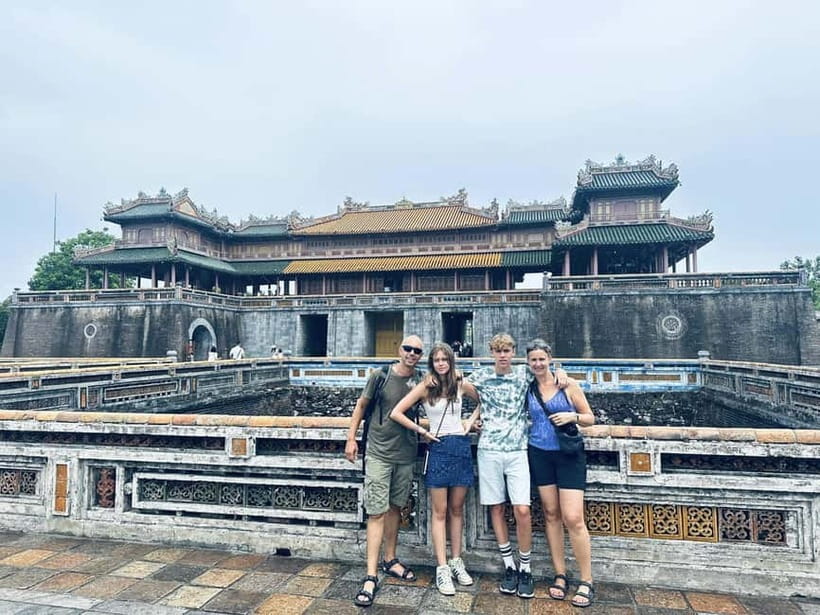
Next comes Cua Ngo Mon, or the Noon Gate, built in 1833. It was reserved for the king and was also used to receive envoys. The gate carries clear ceremonial weight: this was not simply an opening in the wall, but a controlled route into the royal world.
Above it, the Ngu Phung Pavilion has a frame made entirely of ironwood and contains 100 pillars. The pavilion gives the entrance a more elaborate appearance and shows how architecture reinforced rank. Your guide can help you notice details that are easy to miss when you are focused only on the large gate.
Thai Hoa Palace and the Nguyen emperors
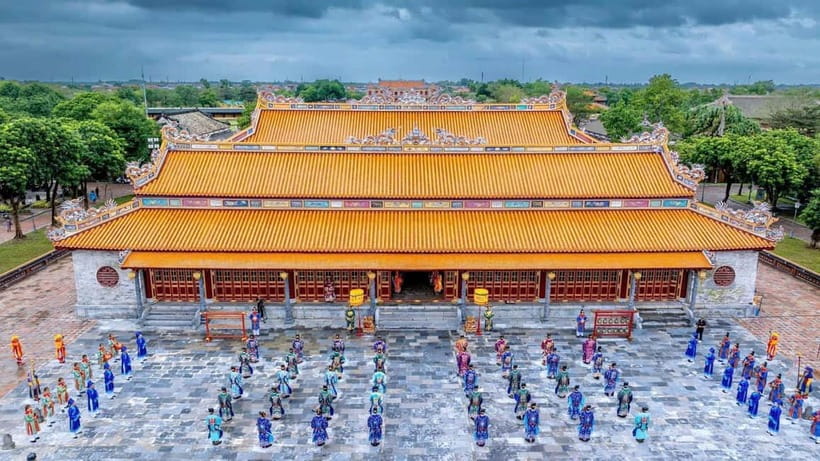
Thai Hoa Palace is one of the essential stops. It was the coronation place of all 13 Nguyen kings, making it a useful point for understanding the dynasty as a whole.
A good guide does more than recite dates here. The building becomes a place to connect rulers, ceremonies, court order, and the eventual decline of imperial power. Several people who took this tour praised guides for explaining the fate of the last Vietnamese emperors and for answering questions clearly. That is exactly the sort of help you need in a site where the names and reigns can blur together.
The scheduled visit is about 15 minutes. That feels short if you want to inspect every detail, so listen closely and ask your most important questions while you are inside or nearby. Guides including Austin, Ha, Duyen, and Quan received especially strong praise for making the setting easier to understand and for bringing in wider details about Hue culture.
You then continue through the Imperial City toward the Forbidden Purple City. The word forbidden was literal in the old court system. This inner area was reserved for the emperor and royal family, while mandarins and civilians were not allowed to come close.
The Forbidden Purple City is one of the places where the guide’s role earns its fee. Ruins and restored structures can be hard to read without a clear explanation of who lived where, what functions belonged to each building, and how access reflected social rank. The tour gives you a framework for seeing the site as a working court, not just a collection of walls.
Duyet Thi Duong, Hue’s oldest preserved theater
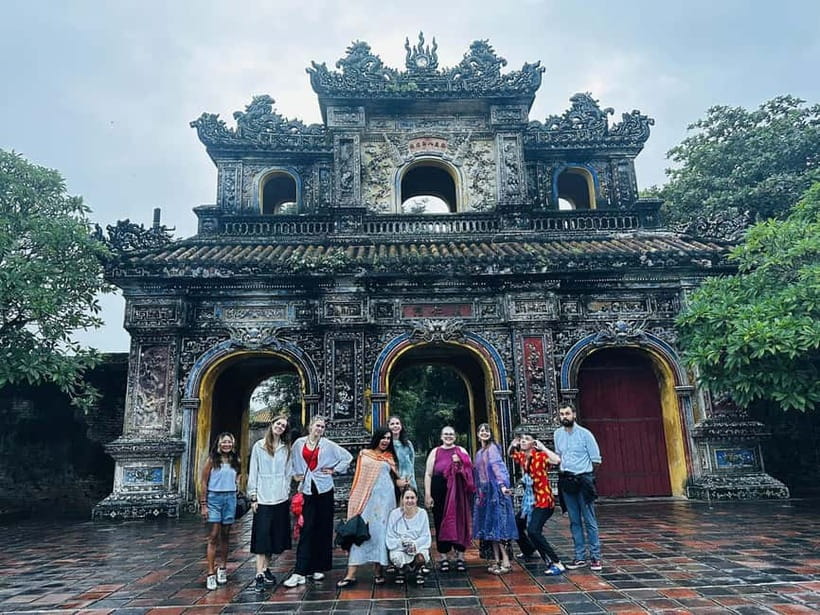
Duyet Thi Duong Royal Theater is one of four theaters built during the Nguyen period and the oldest preserved theater among them. It offers a welcome change from palace halls and ceremonial gates.
The theater helps you think about royal life beyond government business. Court culture included music, performance, and formal entertainment, and this building gives that side of the dynasty a physical setting. The visit lasts around 10 minutes, enough to learn why the theater mattered and to take photographs.
I would not expect a performance as part of this walking tour. The experience is a guided visit to the theater, not a scheduled show. That distinction is worth keeping in mind when you plan your day.
More Walking Tours in Hue
- Hue Imperial Ancient City Walking Tour
★ 4.8 · 308 reviews - Hue Imperial City Walking Tour: Citadel & Forbidden City
★ 5.0 · 280 reviews - Hue Imperial City Walking Tour: Citadel & Forbidden City
★ 4.8 · 245 reviews - Hue Imperial City Walking Tour (Kids Half-Price)
★ 5.0 · 133 reviews
Thiệu Phương Garden and Thai Binh Pavilion
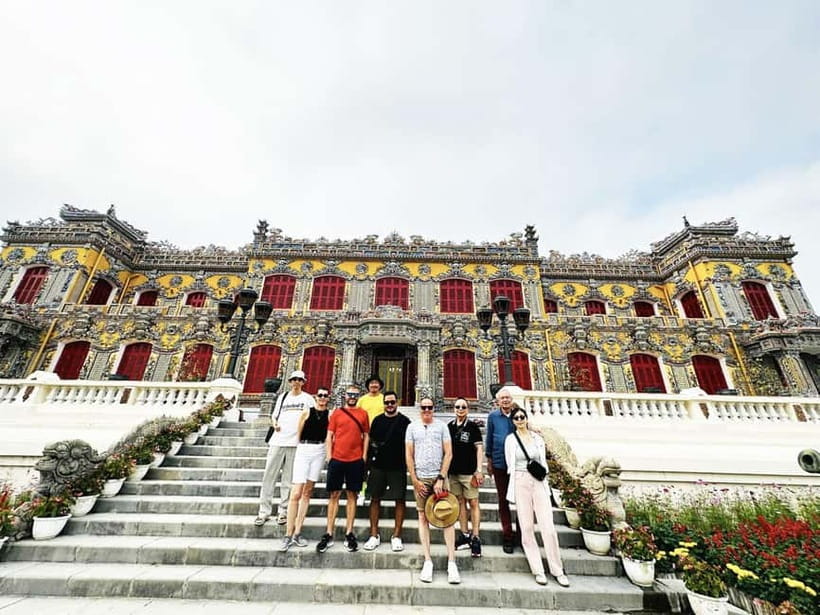
Thiệu Phương Garden was built in 1828 and is described as one of the typical royal gardens of the Nguyen period. After the formal grandeur of the gates and palace, the garden gives the route a quieter mood.
The stop lasts about 10 minutes. Your guide may point out how royal gardens were designed as places for reflection, pleasure, and controlled beauty. The short visit means you will get an introduction rather than a slow garden walk, but it adds balance to the itinerary.
Thai Binh Pavilion was built between 1919 and 1921 as a place for the king to rest and relax. Its purpose makes it interesting because it shows the private side of royal life. Emperors were public figures surrounded by ceremony, yet they also needed spaces away from official duties.
The pavilion receives about 15 minutes. This is one of the more relaxed portions of the route, and it gives you time to appreciate how different parts of the palace compound served different emotional and practical needs. Guides often add the small stories here that make the architecture easier to remember.
Kien Trung Palace after its 2024 restoration
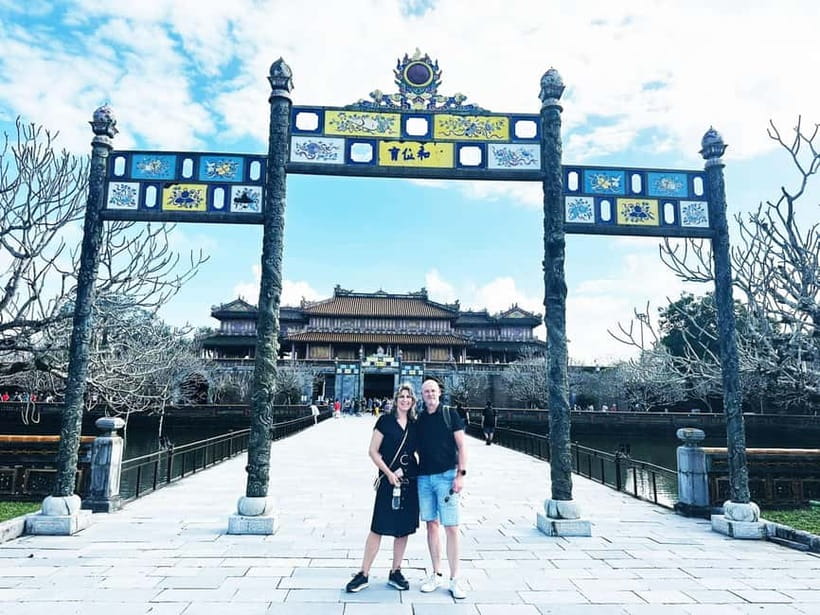
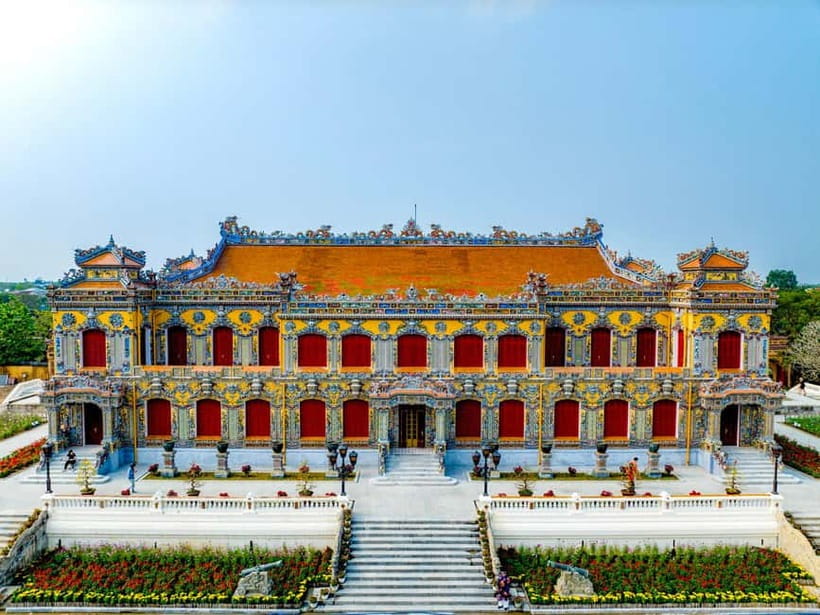
Kien Trung Palace is likely to be one of the most talked-about stops on this route. Built in 1923, it combines Asian and European architectural elements. The palace completely collapsed and was restored in 2024.
That restoration gives you a chance to see a building at a new stage in its long story. It also raises a useful question: how should a damaged historic site be repaired while keeping its connection to the past? A guide can explain why the palace looks the way it does and help you separate original features from renewed work.
The scheduled visit is about 15 minutes. Because the palace is a major highlight, I would ask your guide about its architectural mix and its place in the late Nguyen period. This is also a strong photo stop, especially for visitors interested in the unusual meeting of Asian and European design.
One practical point: restoration means parts of Hue’s Imperial City may look newly finished beside older ruins and weathered structures. If you prefer only untouched remains, the rebuilt palace may feel less atmospheric. If you want to understand how Hue is being repaired, it becomes one of the most useful stops.
Dien Tho Palace and the women of the court
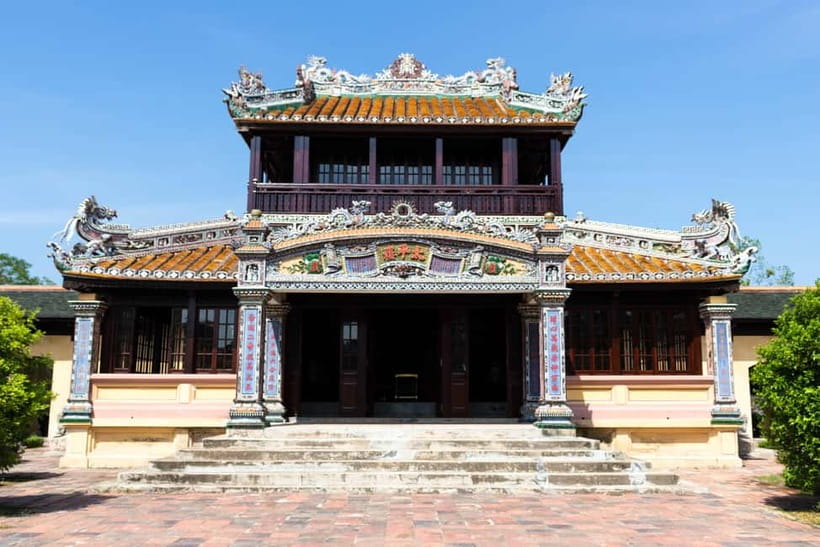
Dien Tho Palace was the residence of the Queen Mother. It is large, finely carved, and more elegant than showy.
This stop adds an important layer to the tour. A palace visit can easily focus only on emperors, coronations, and military power. Dien Tho Palace shifts attention toward the royal women and the household structures that supported the court. Ask your guide how the Queen Mother’s residence differed from the emperor’s working and ceremonial spaces.
The scheduled visit lasts about 10 minutes. That is enough for the main explanation and photographs, but you will need to keep moving. This tour covers a lot of ground in a short time, and the guide’s ability to choose the most useful details matters.
Temples, urns, and the dynasty’s memory
The route continues to Hung To Mieu, then to The Mieu Temple. The Mieu is dedicated to worshiping 10 Nguyen kings. It helps explain how the dynasty presented its own past and honored earlier rulers.
A temple visit can feel quieter than the grand palace areas, but it is central to understanding the Nguyen court’s relationship with ancestry and legitimacy. Look for the shift from government ceremony to remembrance. Your guide can explain why certain emperors were honored and how dynastic worship fitted into royal life.
The Nine Dynastic Urns are another major stop. Emperor Minh Mang commissioned the bronze urns in 1835. Together, the nine urns contain 162 cast and carved images.
These are not merely decorative objects. Their number, placement, and imagery connect the dynasty to ideas of authority, territory, nature, and imperial identity. You receive about 10 minutes here, so I would focus on the guide’s explanation rather than trying to inspect every image.
Hien Lam Pavilion, built between 1821 and 1822, completes the historical portion of the route. It is associated with imperial insight and achievement. The pavilion also works as a final chapter because the tour has moved through the court’s entrance, ceremonies, private spaces, temples, and symbols of dynastic memory.
The walk ends at Cua Hien Nhon. From there, you have time to continue exploring the Imperial City area on your own.
What the guides add to the experience
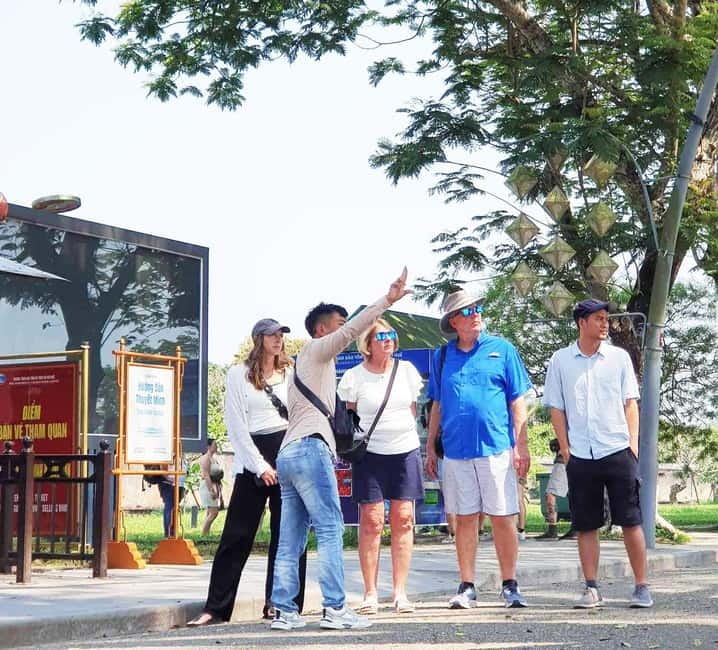
The strongest part of this tour is the human explanation. Austin is praised for making history easy to follow while keeping the mood friendly and fun. Ha is noted for clear explanations and for answering questions about Hue culture. Nhi is praised for thoughtful explanations of the last emperors, while Duyen is described as detailed, gracious, and attentive.
The guides also appear willing to adapt when possible. One guide came early so the group could enter before the busiest period, giving them a quieter visit. Another helped during heavy rain by bringing a poncho and helmet, then offered advice about local food and showed how to eat an authentic Vietnamese meal. These are personal touches, but they matter when weather or unfamiliar customs complicate your day.
English ability may vary from guide to guide. Most feedback is strongly positive, but one visitor found the explanations difficult to understand at times. I would not treat that as a reason to avoid the tour, but if precise historical language is especially important to you, ask questions, slow the pace, and confirm key names and dates.
The private format is helpful here. You do not have to follow a large group or wait while strangers take photographs. You can ask about the Nguyen emperors, architecture, religion, food, or Hue culture as your interests shift.
Price, pace, and practical value
At $23 per person, this is a strong value if you care about history and want a private English-speaking guide. The fee includes bottled water and the 2.5-hour guided walk. Hotel pickup and drop-off are included only with the selected transport option, so the basic price should not be treated as an all-in transportation package.
The Imperial City entrance ticket costs extra. For one person, the total is still reasonable for a private cultural experience, but the value improves when two or more people share the tour while paying per person. If you plan to visit royal tombs, compare the single Imperial City ticket with the combo options before buying.
The route is active but not extreme. You will walk between many sites, and the schedule is fairly tight. Comfortable shoes, sun protection, and water are sensible choices. Hue can also be rainy, so a lightweight rain layer is useful. The guide may help with weather needs, but you should not depend on that.
I would choose an early start if available. One successful visit began early enough for a nearly empty Imperial City, which can make photographs and explanations more pleasant. Start times depend on the option you select, so check availability rather than assuming a fixed departure.
Cancellation is flexible, with a full refund available when you cancel at least 24 hours ahead. You can also reserve and pay later, which helps if your Hue plans are still shifting.
Who should book this private Imperial City walk?
I would recommend it most strongly to first-time visitors, couples, families, and anyone with only a short stay in Hue. It is also a good choice if you want to ask questions freely or prefer a calm private pace over a large organized group.
History fans will appreciate the number of sites covered, especially Thai Hoa Palace, Duyet Thi Duong Theater, the restored Kien Trung Palace, and the Nine Dynastic Urns. The tour also suits people who want cultural guidance beyond dates and architecture, since guides can discuss Hue food and local customs after the formal walk.
I would think twice if you want hours of independent photography at every stop. The schedule gives most locations 10 to 15 minutes, and the tour aims for broad coverage rather than a slow study of one palace. You can continue exploring after the official finish at Cua Hien Nhon, but the guide’s time ends there.
Should you book it?
Yes, if you want a clear introduction to Hue’s Nguyen Dynasty and prefer a private guide who can explain what you are seeing. The $23 price is fair, and the consistently high rating reflects the tour’s strongest quality: friendly guides who make the citadel easier to understand.
Book it with realistic expectations. Bring cash for the 200,000 VND entrance fee, allow 2.5 hours for a brisk route, and consider an early start. If you want a personal account of royal power, court life, restoration, and Hue culture without spending half a day on a formal group excursion, this tour is a smart choice.
FAQ
How long does the Hue Imperial City walking tour last?
The tour lasts 150 minutes, or about 2.5 hours. Depending on the selected option and your requirements, the experience may run from two to two and a half hours.
Is the Imperial City entrance ticket included?
No. The Imperial City entrance ticket costs 200,000 VND per adult and must be paid separately. The guide can assist you with buying it.
Where does the tour begin?
The guide meets you near the four bronze cannons at Cua Ngan, or Ngan Gate. The guide will hold an A4 paper displaying your name.
Is hotel pickup included?
Hotel pickup and drop-off are included only if you select the option that includes them. The standard meeting point is the bronze cannons near Ngan Gate.
Is this a private tour?
Yes. The tour is for a private group with an English-speaking live guide.
What language is the tour offered in?
The tour is offered in English with a live English-speaking guide.
More Walking Tours
- 3-Hours Hue Imperial Walking Tour with Guide with Lunch/ Dinner
★ 5.0 · 125 reviews - Half-Day Guided Street Food Walking Tour at Hue
★ 5.0 · 116 reviews - Hue Imperial City Tip-Based Walking Tour (Group Tour)
★ 5.0 · 59 reviews - Eat like a local with a local – Walking Tour
★ 4.9 · 57 reviews
More Hue Day Trips
- Hue to Hoi An ( Hoi An to Hue) Top Gear with Lefamily Riders Tours ( 1 way)
★ 5.0 · 3,156 reviews - Easy Rider private tour via Hai Van pass from Hue – Da Nang – Hoi An (1Way|Loop)
★ 5.0 · 1,542 reviews - Easy Rider From Hue Da Nang Hoi An Via Hai Van Pass With Mister T
★ 5.0 · 769 reviews - Hue to Dn/Hoi An: Hai Van Pass, beaches & Mt Monkey or vice versa
★ 5.0 · 743 reviews
Just added around Hue
- Hue Morning Countryside Motorbike Tour★ 5.0 · 32 reviews
- 1 Day On 5-Star Halong Cruise With Highest Safety Equipments★ 4.7 · 34 reviews
- Hue Motorbike & Boat Tour to Countryside & Heritage Sites★ 5.0 · 35 reviews
- Hue to Hoi An Motorbike Tour★ 5.0 · 35 reviews
- Hue Bike Tour with Optional Fishing Activities in Local Village★ 5.0 · 36 reviews
- Hue Royal Tombs Tour: Visit Best Pagoda & King’s Mausoleums★ 5.0 · 36 reviews
- Hue city tour with private driver★ 5.0 · 38 reviews
- Hue: Perfume River Dinner Cruise with Traditional Show★ 4.0 · 38 reviews
Hue Day Trips, compared.

Hue to Hoi An ( Hoi An to Hue) Top Gear with Lefamily Riders Tours ( 1 way)
Read our review →
Easy Rider private tour via Hai Van pass from Hue – Da Nang – Hoi An (1Way|Loop)
Read our review →
Hue Customizable Tour with Imperial Citadel & Forbidden City
Read our review →
Imperial City, Hue: Day Tour from Hoi An and Da Nang
Read our review →
Easy Rider From Hue Da Nang Hoi An Via Hai Van Pass With Mister T
Read our review →

Hue to Dn/Hoi An: Hai Van Pass, beaches & Mt Monkey or vice versa
Read our review →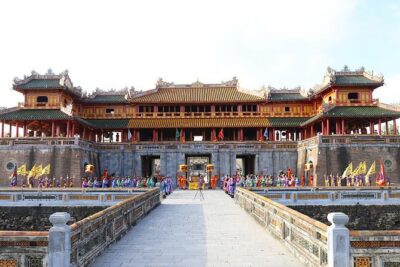
Imperial City Walk, Motorbike Tour & Private Car Options
Read our review →Browse the lists this tour appears in