
Reviewed · BASKET BOAT EXPERIENCES
Hanoi Coffee Workshop: Taste Salt, Coconut and Egg Coffee
Coffee in Hanoi is not just a morning drink. It is a small cultural lesson, served strong and often sweet. This workshop makes that lesson hands-on, with six Vietnamese coffee styles to brew and taste, from classic phin coffee to egg, salt, coconut, and a coffee cocktail. I like the practical format, and I like that the equipment and recipes are included. The main consideration is the location outside Hanoi’s central Old Quarter, though pickup is offered there.
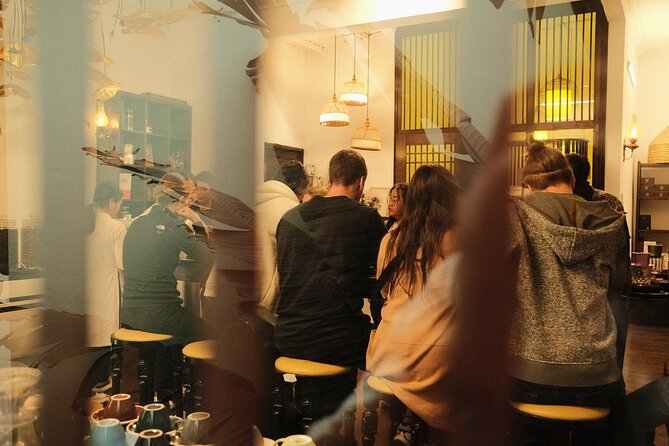
You’ll spend about three and a half hours at Local Beans Roastery with instructors such as Val, Lin, Luka, Giang, and Valerie. They explain coffee farming, roasting, and local customs in a friendly way. The workshop suits solo visitors well, but coffee fans should note that the tasting can be quite filling and strong.
In This Review
- Key points to know before booking
- Why Hanoi coffee deserves three and a half hours
- Starting with tea, coffee history, and Vietnamese beans
- Learning how roast level changes the cup
- Brewing the classic phin coffee
- Salt coffee, egg coffee, and coconut coffee
- Ending with a coffee cocktail and rice wine
- What you take home after the last cup
- Is $16 good value for Hanoi?
- Who will enjoy this workshop most?
- Timing, pickup, and other practical details
- Should you book the Local Beans Roastery workshop?
- FAQ
- Where does the Hanoi Coffee Workshop begin?
- Where does the activity end?
- Is hotel pickup available?
- How long does the workshop last?
- What coffees will I make?
- Is equipment provided?
- Can vegan visitors or people with dietary restrictions join?
- What is included in the price?
Key points to know before booking
- Six drinks, not just one demonstration: You prepare classic phin coffee, brown coffee, salt coffee, egg coffee, coconut coffee, and a coffee cocktail.
- A farm-to-cup lesson: The workshop connects Vietnam’s coffee-growing tradition with roast levels, brewing methods, and daily habits.
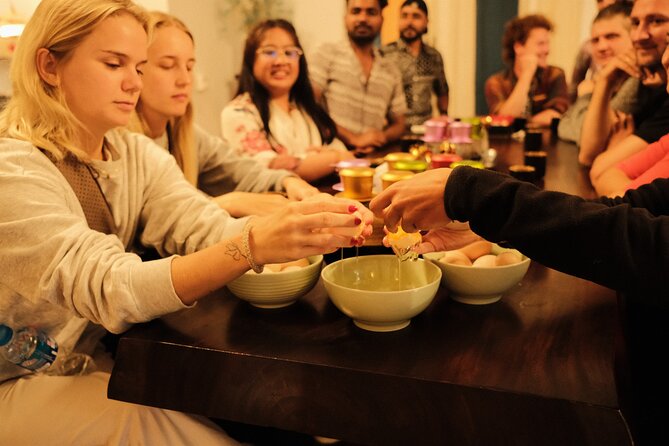
- Egg and salt coffee are hands-on: You do more than taste Hanoi specialties. You learn how they are made.
- Useful take-home material: A recipe book, digital coffee books, and digital recipes help you repeat the drinks at home.
- Old Quarter pickup is available: Hotel pickup and drop-off are offered within the Old Quarter, while the workshop itself begins at Local Beans Roastery.
- Strong value at $16: For three and a half hours of instruction, tastings, snacks, equipment, and recipes, the price is modest.
Why Hanoi coffee deserves three and a half hours
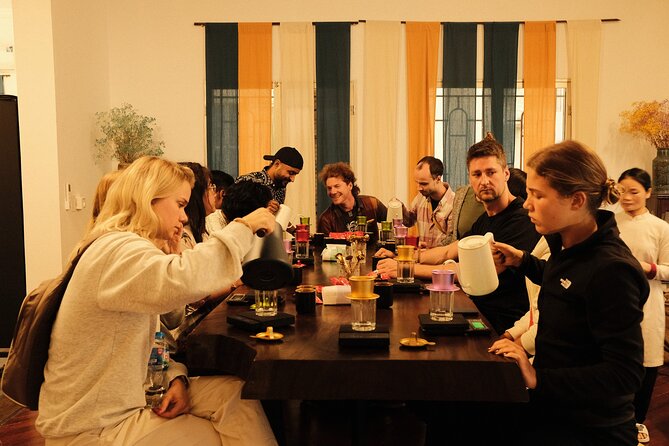
Hanoi’s coffee culture rewards patience. A Vietnamese phin filter drips slowly into a glass or cup, usually over condensed milk. The wait is part of the ritual, not a flaw to be fixed.
This workshop gives you time to see how that ritual changes when local ingredients are added. Egg coffee becomes creamy and dessert-like. Salt coffee brings a gentle savory edge. Coconut coffee turns colder, sweeter, and more refreshing. These are not minor variations on the same drink. Each has its own texture, balance, and place in Vietnamese café life.
I like this approach because it moves beyond simply ordering a famous Hanoi drink and taking a photo. You learn what is in the cup and why it tastes that way. You also get a chance to decide which style suits you.
The setting is Local Beans Roastery at No. 75/173 Hoang Hoa Tham Street in Ba Dinh District. That is not the same as meeting at a café in the Old Quarter, so check the transport plan before setting out. If your hotel is within the Old Quarter, pickup and drop-off are available. If not, you should plan for your own way to the meeting point.
More Coffee Tours in Hanoi
- Hanoi Coffee Experience: 6 Brews, 9 Recipes & 3 Liquor Tastings
★ 5.0 · 2,945 reviews - Hanoi: Salt Coffee Workshop Awake Your Senses With 6 Brews
★ 5.0 · 792 reviews - Hanoi: Vietnamese Street Food Tour with Egg Coffee
★ 4.9 · 315 reviews
Starting with tea, coffee history, and Vietnamese beans
The workshop begins with welcome drinks, including herbal ginger root tea and peach tea, plus snacks. That small opening matters. You are not asked to start a long tasting session with a strong coffee on an empty stomach.
The introduction covers how coffee became part of Vietnam’s daily life. The class also explains the connection between coffee and farming, including the role of the robusta bean in Vietnam’s coffee trade and drinking culture.
This is one place where the workshop appears to take a useful, grounded approach. Robusta is presented as important to Vietnam’s coffee identity, but that does not mean it is automatically better than arabica or other beans. One piece of feedback specifically questioned the way robusta was promoted. The provider’s response clarified that the goal is to explain its cultural and commercial importance, not call it the finest coffee in every sense.
That distinction is worth keeping in mind. Coffee quality depends on more than the bean name. Roast, freshness, grind size, brewing time, milk, sugar, and technique all shape the final cup.
Learning how roast level changes the cup
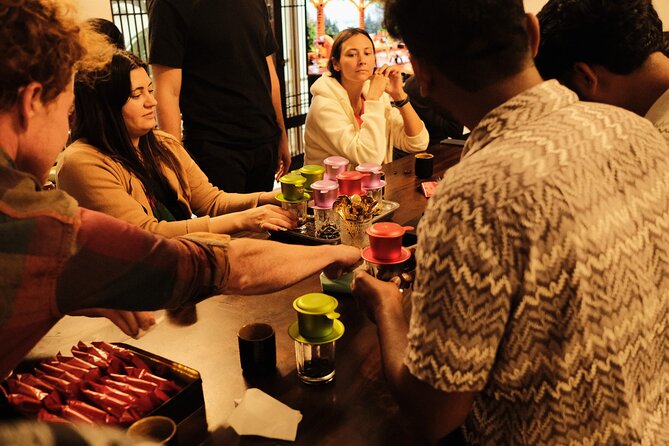
Before you begin brewing, the instructor explains roast levels and their effect on aroma and taste. You learn to compare a cup that is properly brewed with one that is ordinary or poorly balanced.
This is a useful part of the class for beginners because it gives you a simple way to pay attention. You are not expected to use complicated tasting language. Instead, you can notice whether the coffee feels bitter, sweet, smooth, sharp, heavy, or light.
The baristas also connect roasting with the way Vietnamese coffee is commonly served. Strong coffee often works well with condensed milk, egg foam, salt, coconut, or other sweet ingredients. The additions are not random. They help balance a bold roast and create drinks that are almost part coffee, part dessert.
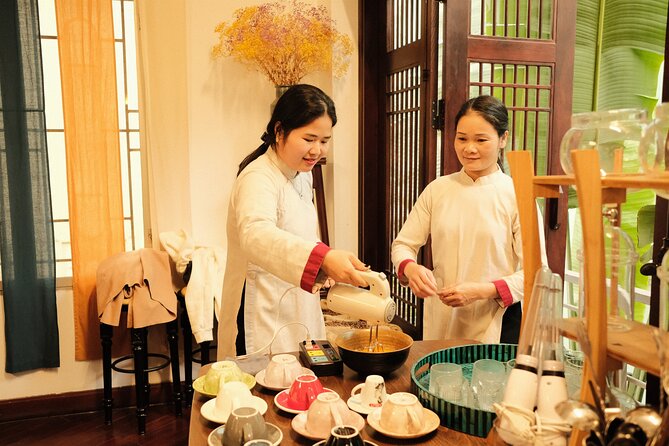
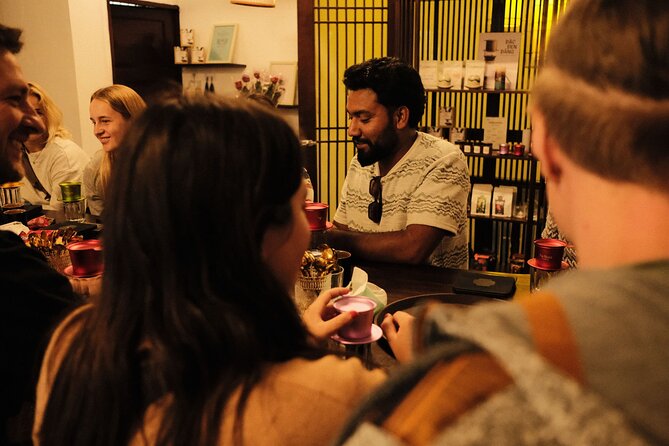
The instructors are central to the experience. Val is praised for being funny and for explaining coffee growing and the background of famous drinks. Lin is described as engaging and inclusive, especially for solo participants, and encourages questions from everyone. Luka receives strong praise for making the class organized, helpful, and enjoyable. Giang and Valerie are noted for their patient assistance.
The exact instructor may vary. Still, the repeated strength of the teaching is important. This is not simply a tray of prepared drinks placed in front of you.
Brewing the classic phin coffee
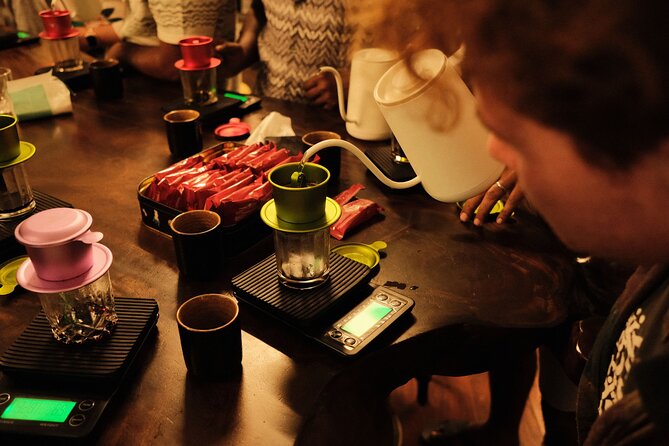
The first major drink is traditional Vietnamese phin coffee. The phin is a compact metal filter that sits directly over your cup. Ground coffee goes inside, a small press rests on top, and hot water passes through slowly.
The method looks simple, but the details matter. The amount of coffee, the grind, the water, and the waiting time all affect the result. The workshop provides the filters, grinders, and other special equipment, so you do not need to bring anything.
This is likely the most useful recipe to take home. Egg coffee is fun, but a phin is the tool you can use again and again. The included recipe material gives you a reference after the workshop, which is more helpful than trying to remember measurements after six tastings.
You also learn the difference between drinking the coffee black and combining it with condensed milk. Brown coffee is the sweetened version many people associate with Vietnamese café culture. It is a good benchmark for comparing the later drinks.
More Basket Boat Experiences:
- Hanoi Coffee Class with Egg, Coconut, Salt, and Dripping Coffee
★ 5.0 · 106 reviews - Hanoi Egg Coffee & Coconut Coffee Making Class with Free Banh Mi
★ 5.0 · 41 reviews - Hoi An: Basket Boat Ride in the Coconut Forest
★ 4.9 · 4,956 reviews - Cooking Class Hoi An:Local Market, Basket Boat, Fishing & Cooking
★ 5.0 · 3,660 reviews
Salt coffee, egg coffee, and coconut coffee
The salt coffee is one of the most interesting stops in the tasting. A little salt can soften bitterness and bring out sweetness. Too much would ruin the drink, so this recipe gives you a practical lesson in balance.
One participant who did not normally enjoy coffee found the workshop fun and ended up especially liking salt coffee. That is a useful clue for non-coffee drinkers. You may not love a strong black brew, but a coffee mixed with salt, egg, coconut, or condensed milk can feel like a different category of drink.
Egg coffee is the Hanoi classic. A whipped egg mixture sits over strong coffee, creating a thick, creamy top. It is rich and sweet, so you should expect something closer to a liquid custard than a simple latte.
The workshop explains the origin and role of each drink in daily life. That context makes the tasting more memorable. You are not only asking if you like egg coffee. You are also seeing how local ingredients transformed a practical beverage into a signature Hanoi specialty.
Coconut coffee brings another change in texture and flavor. Coconut adds sweetness and a tropical note, creating a drink that can feel lighter than egg coffee even when it remains rich. Since the session includes several sweetened recipes, pacing helps. Small sips and the provided snacks will make the three-hour tasting easier.
Ending with a coffee cocktail and rice wine
The final coffee is a creative cocktail made with local jam and wine. It is the least traditional drink in the group, but it gives the session a playful finish and shows how Vietnamese coffee can be adapted beyond the café menu.
A bonus tasting of homemade rice wine follows. This is a small but distinctive local touch. It links the coffee class to another part of Vietnamese food and drink culture without turning the activity into a full alcohol tour.
You should remember that alcohol is included only as a tasting element. The provided information does not promise a large serving or a separate wine lesson. If you avoid alcohol, mention your preference when booking or at the start of the session.
What you take home after the last cup
The workshop’s strongest practical feature is the material you receive afterward. A recipe book is provided, along with digital recipes and free digital copies of coffee books related to the class.
That makes the $16 price easier to justify. You are not paying only for a few samples. You receive instruction, access to grinders and filters, snacks, welcome tea, six drinks, and reference material for later.
A professional certificate is also available if requested. For most people, the recipes will be more useful than the certificate. Still, the certificate may be worthwhile if you enjoy collecting proof of workshops or want a small record of the activity.
Products are also available for purchase at the company. This may be convenient if you want to recreate the drinks at home, but buying anything extra is a personal expense and is not part of the advertised price.
Is $16 good value for Hanoi?
At $16 per person, this is a strong-value half-day activity. The session lasts about three hours and thirty minutes, which is much longer than a normal café stop. You get guided preparation, tasting, equipment, snacks, tea, recipes, and digital reading material.
The value is highest if you want to understand Vietnamese coffee rather than simply drink it. A person who already knows the drinks and only wants a quick tasting may find the session longer than necessary.
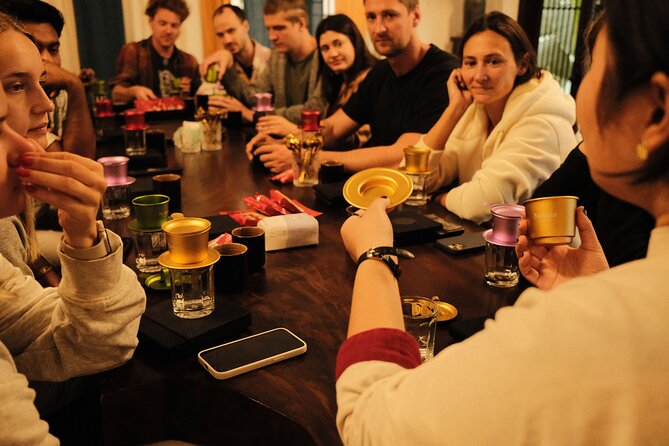
The price also works well for solo visitors. One participant found the group open and easy to join, with Lin involving each person in the process. Group discounts are available, so the experience may make particular sense for couples, families, or friends.
The maximum listed capacity is 100 people. That is a large possible group, and the actual class size is not specified. If you prefer a quiet, small lesson, ask about the expected group size before booking. The positive comments about personal instruction suggest that the teaching can be engaging, but class atmosphere may depend on the date and attendance.
Who will enjoy this workshop most?
I would recommend this activity to you if you fit one or more of these descriptions:
- You want a cultural activity that is indoors and suitable for a rainy Hanoi day.
- You like coffee, cooking, local food traditions, or hands-on classes.
- You want to learn egg coffee and salt coffee instead of merely ordering them.
- You are traveling alone and would like an easy group activity.
- You want recipes and equipment guidance for making Vietnamese drinks at home.
- You are curious about how farming, roasting, and café customs connect.
It also works for people who are not serious coffee drinkers. The different recipes let you compare sweet, creamy, savory, and coconut-based styles. Still, you should be comfortable tasting several coffee drinks over one session.
Vegan visitors and people with dietary restrictions can be accommodated. Tell the provider in advance so the recipes can be adjusted where possible. Since egg, dairy, condensed milk, and alcohol appear in parts of the program, clear communication is important.
Timing, pickup, and other practical details
The workshop begins and ends at Local Beans Roastery unless you use the available hotel pickup and drop-off service. That service applies within the Old Quarter area. The meeting point is near public transportation, and service animals are allowed.
Confirmation is provided when you book. Mobile tickets make it easy to keep the booking on your phone.
Free cancellation is available if you cancel at least 24 hours before the start time. Cancellations made within 24 hours are not refunded, and changes inside that window are not accepted. The cutoff follows Hanoi local time, so check the clock carefully if your plans are changing.
Tips and personal expenses are not included. Everything else listed for the workshop, including equipment, snacks, tea, guidance, and recipes, is covered in the advertised cost.
The activity has a perfect 5 rating from 1,286 ratings and a 100 percent recommendation rate at the time of writing. The most consistent praise goes to the instructors, especially their humor, clear explanations, organization, and willingness to involve each person.
Should you book the Local Beans Roastery workshop?
Book it if you want more than a famous cup of Hanoi coffee. The combination of farm and roast background, hands-on brewing, six different recipes, and useful take-home instructions gives you a real sense of how Vietnamese coffee works.
I especially like it for a rainy morning, a solo itinerary, or a food-focused trip. The $16 cost is modest for three and a half hours of activity. Just confirm pickup, check the location outside the Old Quarter, and tell the provider about vegan or dietary needs.
Skip it if you want a short café visit, dislike sweet drinks, or prefer not to taste multiple coffees and a little rice wine. For everyone else, this is a practical, sociable way to bring part of Hanoi’s café culture home.
FAQ
Where does the Hanoi Coffee Workshop begin?
The workshop begins at Local Beans Roastery, No. 75/173 Hoang Hoa Tham Street, Ngoc Ha Ward, Ba Dinh, Hanoi.
Where does the activity end?
The workshop ends back at the Local Beans Roastery meeting point.
Is hotel pickup available?
Yes. Hotel pickup and drop-off are available within Hanoi’s Old Quarter area.
How long does the workshop last?
The activity lasts approximately three hours and thirty minutes.
What coffees will I make?
You will prepare six styles: classic phin coffee, brown coffee, salt coffee, egg coffee, coconut coffee, and a coffee cocktail made with local jam and wine.
Is equipment provided?
Yes. Filters, grinders, and other special coffee-making equipment are provided during the workshop.
Can vegan visitors or people with dietary restrictions join?
Yes. Vegan visitors and people with dietary restrictions can be accommodated. Share your needs when booking or before the class.
What is included in the price?
The price includes snacks, welcome herbal ginger root and peach tea, coffee-making equipment, guidance from coffee instructors, a recipe book, digital coffee books, digital recipes, and a professional certificate if requested. Tips and personal expenses are not included.
More Coffee Tours
- Hanoi Cooking Class: Pho/Bun Cha/Banh Xeo…+Free Egg/Salt Coffee
★ 5.0 · 267 reviews - Ha Noi Egg Coffee Class
★ 5.0 · 227 reviews - Hanoi Coffee Workshop: Master 6 Signature Vietnamese Coffee
★ 5.0 · 171 reviews - Hanoi French Quarter: Coffee and Stories
★ 5.0 · 170 reviews
More Workshops
- Hanoi Cooking Class: Culture, Local Market & Meaning CSR Impact
★ 5.0 · 5,147 reviews - 5 Traditional Dishes Hanoi Cooking Class with Market Trip
★ 5.0 · 4,890 reviews - Vietnamese Food Cooking Class in Hanoi with Market Experience
★ 5.0 · 778 reviews - Hanoi: Handcrafted Wood Carving Workshop with Local Artisan
★ 5.0 · 733 reviews
Just added around Hanoi
- Hanoi: Make 6 Iconic Coffees in a Heritage Home with Locals★ 5.0 · 32 reviews
- Private Ninh Binh Full Day (Bich Dong -Tam coc -Mua cave- Biking)★ 5.0 · 32 reviews
- 15-Day Vietnam Itinerary All in One | Travel Package 2026-2027★ 5.0 · 32 reviews
- Retro Hop-on-hop-off Bonbon City Tour: Classic Package★ 4.0 · 32 reviews
- 10-Day Vietnam Discovery from North to South | Best Packages★ 5.0 · 32 reviews
- Verdure Lotus Classic Cruise in Halong Bay & Lan Ha Bay (2D1N)★ 4.0 · 32 reviews
- Full-day Guided Meditation Experience in Ha Noi★ 5.0 · 33 reviews
- Private Transfers Hanoi <=> Halong One Way by Limousine Vehicles★ 5.0 · 33 reviews
Basket Boat Experiences, compared.

Cooking Class Hoi An:Local Market, Basket Boat, Fishing & Cooking
Read our review →
Mekong Delta, My Tho & Ben Tre Coconut Village
Read our review →
CuChi Tunnels&Mekong Delta-Boat,TukTuk,Coconut Village SmallGroup
Read our review →
Mekong Delta Boat,Khotcake cooking Coconut Village,SmallGroup
Read our review →
Market Tour, Basket Boat Ride and Cooking Class
Read our review →
Hoi An Cooking Class(Local market,Basket Boat,Fishing & Cooking)
Read our review →Browse the lists this tour appears in