
Reviewed · COFFEE EXPERIENCES
Hanoi Coffee Workshop: Master 6 Signature Vietnamese Coffee
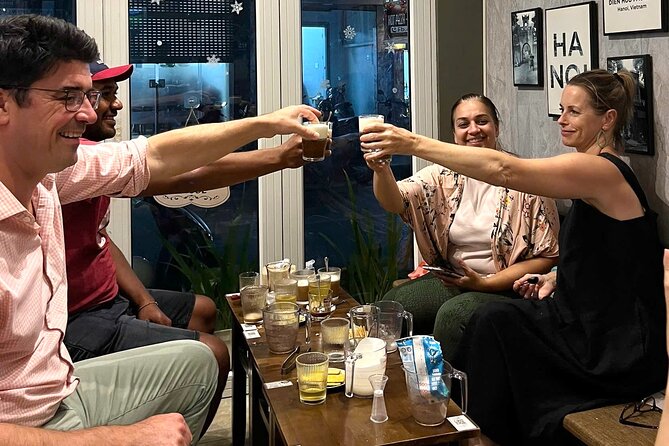
Coffee is Hanoi in a small cup. This two-hour workshop turns that cup into a lesson in local life, with hands-on practice making four to six classic Vietnamese coffees, including black, brown, egg, white, coconut, and salted styles. I like the small group limit of eight and the way the session teaches you to taste and adjust, not simply follow a recipe.
I also like the lived-in setting, ceramic tools, fresh eggs, milk, and coconut, plus the chance to learn from local instructors such as Jade and Jennifer. The main caution is practical: one participant had trouble after the meeting location changed during a storm and found the location hard to reach. Confirm the meeting point before setting out, especially in poor weather.
In This Review
- Key points at a glance
- Six Vietnamese coffees in one Hanoi morning
- The bar is your classroom
- Black, brown, white, and salted coffee
- Egg and coconut coffee bring the fun
- Local instructors make the difference
- A small, comfortable setting
- What the $18.20 price gives you
- Who should book this workshop
- Meeting point and timing advice
- What the class leaves you with
- Should you book the Hanoi Coffee Workshop?
- FAQ
- Where does the Hanoi Coffee Workshop take place?
- How long does the workshop last?
- Where does the activity end?
- How many people can join the workshop?
- Which Vietnamese coffees might I make?
- Are the ingredients fresh?
- Will I receive the recipes?
- Is the workshop suitable for service animals?
- Is the meeting point near public transportation?
- Can I cancel for a full refund?
Key points at a glance
- Six coffees in two hours: You may prepare black, brown, egg, white, coconut, and salted coffee, with the exact number depending on the pace of the group.
- A maximum of eight people: The small class makes it easier to ask questions, adjust recipes, and get direct help at the bar.
- Fresh ingredients prepared daily: Eggs, milk, and coconut are used fresh rather than coming from pre-made mixes or artificial products.
- Useful home techniques: You learn how to balance bitterness and improve flavor without expensive equipment.
- Local stories with your coffee: The lesson connects each drink to Hanoi cafe life and everyday Vietnamese habits.
- Recipes sent afterward: You leave with the formulas and tips needed to repeat the drinks at home.
Six Vietnamese coffees in one Hanoi morning
The workshop lasts about two hours and takes place at 34 P. Cầu Đất, Chương Dương Độ, in Hanoi’s Hoàn Kiếm area. You return to the same meeting point at the end, so there is no second location to find and no complicated transfer during the class.
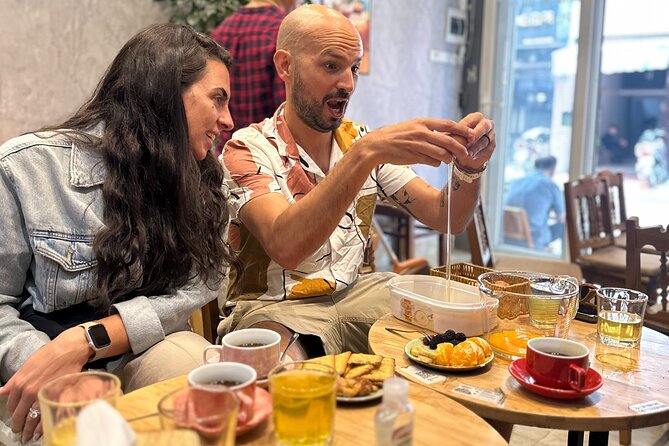
The session is designed around making coffee rather than watching someone else do it. You brew, whisk, taste, and adjust. That matters because Vietnamese coffee is not one fixed recipe. A drink can become sweeter, stronger, creamier, or more bitter depending on the balance of coffee, milk, egg, coconut, salt, and other ingredients.
You may make four to six styles during the class. The six named options are:
- Black coffee
- Brown coffee
- Egg coffee
- White coffee
- Coconut coffee
- Salted coffee
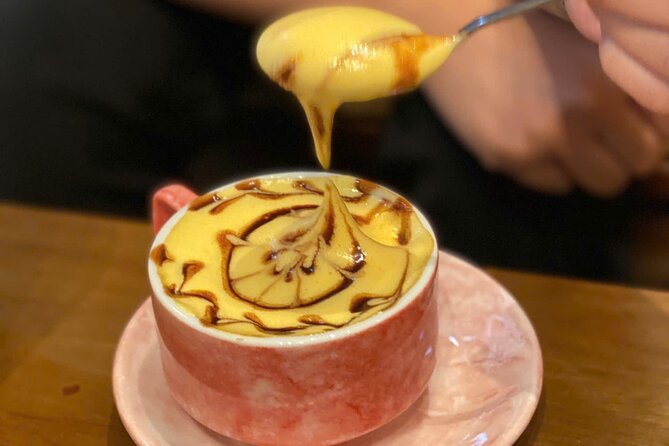
The names are simple, but the drinks cover a useful range. Black coffee gives you the basic brewed flavor. Brown coffee adds sweetened milk. Egg coffee brings a whipped, dessert-like texture. White coffee offers another milk-based variation, while coconut and salted coffee show how Vietnamese cafes play with sweetness, creaminess, and contrast.
The workshop does not treat these drinks as museum pieces. You are encouraged to adjust the recipes to your taste while keeping their original character. If you prefer coffee sweeter or bolder, the instructor can help you change the balance instead of insisting on one rigid formula.
More Coffee Tours in Hanoi
- Hanoi Coffee Experience: 6 Brews, 9 Recipes & 3 Liquor Tastings
★ 5.0 · 2,945 reviews - Hanoi Coffee Workshop: Taste Salt, Coconut and Egg Coffee
★ 5.0 · 1,286 reviews - Hanoi: Salt Coffee Workshop Awake Your Senses With 6 Brews
★ 5.0 · 792 reviews
The bar is your classroom
The strongest part of this experience is the hands-on format. You are not just handed a finished egg coffee and given a short explanation. You work with the tools, try the mixtures, and learn what happens when the balance changes.
The bar has ceramic equipment and the tools needed for the recipes. You can explore those tools during the session, which is useful if you want to understand how the coffee is prepared rather than simply memorize ingredients. The workshop also includes dishwasher-cleaned and sterilized utensils, a small but welcome point for anyone who pays attention to food handling.
Your instructor explains how locals taste and adjust coffee. The useful lesson is not only how to make a drink taste sweet. It is how to soften bitterness, control the strength, and make the final cup work with the equipment you already have at home.
That home focus gives the class real value. You do not need a professional cafe setup to repeat the recipes. The ingredients are explained with substitutes that make sense for a home kitchen, though the workshop uses Vietnamese specialty coffee selected from the Central Highlands.
The coffee itself changes with seasonal harvests. That means the beans may not taste exactly the same at every visit, since the selection depends on what is good at the time. For someone interested in coffee, that is a plus. You get a clearer sense that coffee flavor is shaped by the beans, not just by sugar or condensed milk.
Black, brown, white, and salted coffee
The simpler styles provide the foundation for the session. Black coffee lets you focus on the brewed bean without the extra texture of egg or coconut. It is the best point of comparison for noticing how later additions change the drink.
Brown coffee brings in sweetness and milk. This is a familiar Vietnamese cafe style and an easy one to understand at home. The instructor’s guidance is useful here because small changes in coffee strength and sweetness can make a cup taste balanced or heavy.
White coffee gives you another chance to explore the role of milk. Since the workshop emphasizes personal adjustments, you can compare the creamy version with the black base and see how much coffee strength you want to preserve.
Salted coffee is the more unusual stop. Salt can sharpen flavor in a very small amount, while too much will overwhelm the coffee. This is exactly the kind of recipe where tasting and adjusting teaches more than a printed list of measurements.
The order of the drinks is not specified, so you should not expect a fixed performance with every cup presented in the same sequence. The session is built around the pace of the small group and the choices made at the bar.
Egg and coconut coffee bring the fun
Egg coffee is likely to be the most memorable drink for many people. The key work is in the whisking, since the texture needs attention as well as flavor. You get to make the mixture yourself and learn how the instructor balances the ingredients.
This is also where the workshop feels more like a cultural lesson than a basic cooking class. Egg coffee is tied to Hanoi cafe culture, old cafes, and the city’s fondness for turning a simple coffee into something rich and spoonable. The instructor shares the reason the drink tastes the way it does and what it says about local habits.
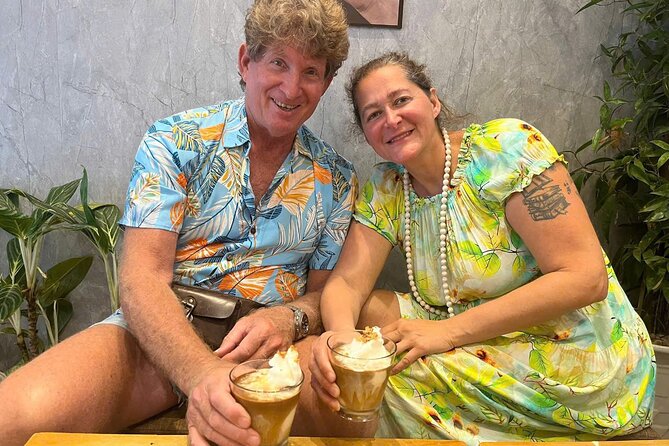
Coconut coffee shifts the flavor in another direction. Fresh coconut is prepared daily, and the ingredient explanation helps you understand the difference between using a real ingredient and relying on an artificial flavoring. If you like sweeter drinks or dessert-style coffee, this may be one of your favorites.
The class does not promise that every person will make all six drinks. The description says four to six, so the final number can depend on timing and group pace. That is a sensible arrangement for a two-hour lesson. Rushing through six recipes would make the class less useful than making four or five with enough time to taste and correct them.
A few more Hanoi trips worth weighing up
- Hanoi Cooking Class: Culture, Local Market & Meaning CSR Impact
★ 5.0 · 5,147 reviews - 5 Traditional Dishes Hanoi Cooking Class with Market Trip
★ 5.0 · 4,890 reviews - Vietnamese Food Cooking Class in Hanoi with Market Experience
★ 5.0 · 778 reviews - Hanoi: Handcrafted Wood Carving Workshop with Local Artisan
★ 5.0 · 733 reviews
Local instructors make the difference

The experience is led by people raised in Vietnamese coffee culture. Jade and Jennifer are specifically mentioned by participants as instructors who brought warmth, clear teaching, and enthusiasm to the class.
Jennifer guided a session that covered the background and techniques behind black, brown, white, and egg coffee. Jade helped turn a difficult weather day into a worthwhile class and taught five different coffee types with patience and friendliness.
Those details point to an important strength: the instructors do more than operate the bar. They explain why a coffee tastes a certain way and how it connects to daily life in Hanoi. Stories about old cafes and city culture flow alongside the recipes, rather than appearing as a separate lecture.
The class also includes a photographer, with the instructor taking the photos. That is a practical extra if you want a record of the workshop without spending the whole time trying to photograph your own hands, whisk, and coffee.
Warm-hearted local elders are also listed as part of the welcome. The exact role they play is not described in detail, so I would treat this as part of the atmosphere rather than expect a separate formal presentation.
A small, comfortable setting
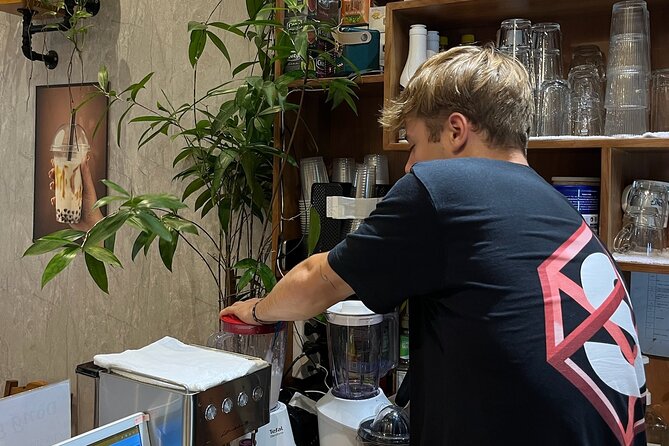
The workshop takes place in a local space with air conditioning. In Hanoi’s heat and humidity, that can make a real difference during a two-hour coffee session, especially when you are whisking ingredients and moving between several recipes.
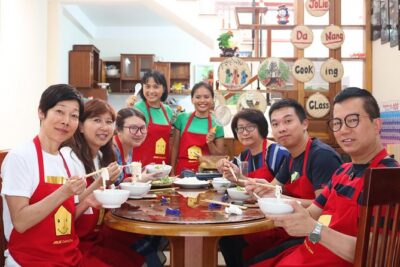
The group maximum is eight people. This is small enough for direct help and large enough to create a social class rather than a private lesson. If you want to ask why a coffee is bitter, how to make it sweeter, or what substitute to use at home, you should have a reasonable chance to get an answer.
The space also includes a pet-friendly garden area. That may appeal if you enjoy a relaxed setting, although the available information does not promise that pets will be present during every session.
Because the experience is held in a lived-in local space, do not expect a polished coffee laboratory or a formal culinary school. That is part of the appeal. The setting supports conversation and experimentation, but anyone seeking a highly structured professional barista course should choose a more technical class.
What the $18.20 price gives you
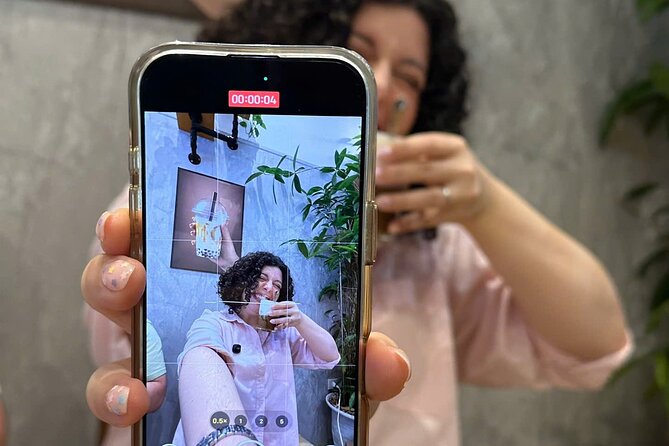
At $18.20 per person, the workshop is priced as an accessible food experience rather than an expensive specialist course. You receive roughly two hours of instruction, several drinks, fresh ingredients, recipes, use of the equipment, and a local cultural introduction.
The value is strongest if you plan to use what you learn. A tasting alone can be enjoyable, but recipes and practical home substitutions give this class a life beyond the two hours. You can return to the flavors later instead of treating the experience as a one-time snack.
The price also includes the instructor’s photography, air conditioning, and cleaned and sterilized utensils. Tips are not included, so budget separately if you want to thank the instructor.
I would not judge the value by counting the number of cups alone. Four carefully made coffees with time to taste and adjust can teach you more than six rushed samples. The small group and practical instruction are the main reasons the cost makes sense.
Who should book this workshop
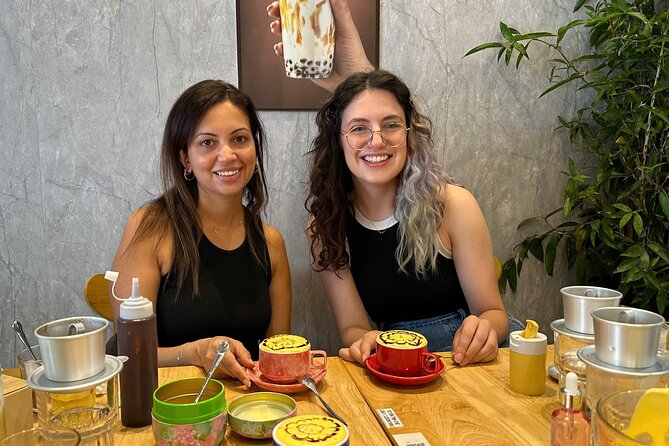
I would recommend this experience to coffee drinkers who want more than a cafe stop. It suits you especially well if you have already tried egg coffee or condensed-milk coffee in Vietnam and want to understand how the drinks are made.
It is also a good choice for:
- People who enjoy hands-on food classes
- Couples and friends looking for a relaxed two-hour activity
- Coffee fans who want recipes they can repeat at home
- Visitors interested in everyday Hanoi culture
- Anyone who prefers small groups to large demonstrations
- People who like adjusting flavors to their own taste
You do not need advanced coffee skills. The instruction is designed around tasting and practice, not prior training.
You might choose something else if you dislike sweet drinks, have no interest in preparing food, or want a formal lesson focused only on espresso technique. These are Vietnamese cafe recipes, not a course in espresso extraction or latte art.
Meeting point and timing advice
The meeting point is 34 P. Cầu Đất, Chương Dương Độ, Hoàn Kiếm, Hanoi. The activity ends back there, and the location is near public transportation.
Give yourself enough time to find the address. One participant had a poor start after a storm forced a change in the meeting location and caused confusion. The experience still ended positively, but that story is a useful warning: check any last-minute message carefully and allow extra time if the weather is bad.
Confirmation is provided when you book. A mobile ticket is available, so you do not need to print a paper voucher.
The class accepts service animals, and the space is pet-friendly. The information does not provide a detailed accessibility description, so contact the provider directly if you need specific arrangements.
Free cancellation is available if you cancel at least 24 hours before the local start time. Inside that window, the payment is not refunded and changes are not accepted.
What the class leaves you with
The obvious souvenir is the coffee itself, but the better takeaway is a way of thinking about flavor. You learn that bitterness can be balanced, sweetness can be adjusted, and a familiar drink can change character with a small amount of salt, egg, coconut, or milk.
You also gain a more personal connection to Hanoi cafe culture. The stories about old cafes and local routines give the recipes a setting. The drinks are not just colorful items for a photograph. They reflect how people make time for coffee and how cafes adapt a strong local bean into many forms.
The full recipes are sent afterward. That is important because you will probably not remember every ratio after tasting several drinks in one sitting. Having the recipes turns the workshop into a useful reference for your kitchen.
Should you book the Hanoi Coffee Workshop?
Book it if you want a friendly, small-group activity that combines Vietnamese coffee, local stories, and practical cooking skills. The best reasons are the maximum of eight participants, fresh daily ingredients, instructors such as Jade and Jennifer, and the chance to make four to six drinks instead of only watching a demonstration.
Go in expecting a relaxed cultural workshop, not a strict barista certification course. Confirm the meeting details, allow extra time for the address, and remember that the session may cover four, five, or six coffees depending on the group.
For $18.20, it is a strong value for coffee lovers and a worthwhile Hanoi activity even if you are simply curious about egg, coconut, or salted coffee. If you want recipes you can use after Vietnam, this is the kind of short class that earns space in your itinerary.
FAQ
Where does the Hanoi Coffee Workshop take place?
The meeting point is 34 P. Cầu Đất, Chương Dương Độ, Hoàn Kiếm, Hanoi, Vietnam.
How long does the workshop last?
The experience lasts approximately two hours.
Where does the activity end?
The workshop ends back at the meeting point.
How many people can join the workshop?
The maximum group size is eight travelers.
Which Vietnamese coffees might I make?
You may make four to six coffees from these styles: black, brown, egg, white, coconut, and salted.
Are the ingredients fresh?
Eggs, milk, and coconut are prepared fresh daily. The coffee is Vietnamese specialty coffee sourced from the Central Highlands and selected according to seasonal harvests.
Will I receive the recipes?
Yes. Full recipes and additional information are included, and the recipes are sent at the end.
Is the workshop suitable for service animals?
Yes. Service animals are allowed.
Is the meeting point near public transportation?
Yes. The meeting point is near public transportation.
Can I cancel for a full refund?
Yes, if you cancel at least 24 hours before the experience start time. Cancellations within 24 hours are not refunded, and changes within that period are not accepted.
More Coffee Tours
- Hanoi: Vietnamese Street Food Tour with Egg Coffee
★ 4.9 · 315 reviews - Hanoi Cooking Class: Pho/Bun Cha/Banh Xeo…+Free Egg/Salt Coffee
★ 5.0 · 267 reviews - Ha Noi Egg Coffee Class
★ 5.0 · 227 reviews - Hanoi French Quarter: Coffee and Stories
★ 5.0 · 170 reviews
Just added around Hanoi
- Private Ninh Binh Full Day (Bich Dong -Tam coc -Mua cave- Biking)★ 5.0 · 32 reviews
- Hanoi: Make 6 Iconic Coffees in a Heritage Home with Locals★ 5.0 · 32 reviews
- Retro Hop-on-hop-off Bonbon City Tour: Classic Package★ 4.0 · 32 reviews
- 15-Day Vietnam Itinerary All in One | Travel Package 2026-2027★ 5.0 · 32 reviews
- 10-Day Vietnam Discovery from North to South | Best Packages★ 5.0 · 32 reviews
- Verdure Lotus Classic Cruise in Halong Bay & Lan Ha Bay (2D1N)★ 4.0 · 32 reviews
- Full-day Guided Meditation Experience in Ha Noi★ 5.0 · 33 reviews
- Private Transfers Hanoi <=> Halong One Way by Limousine Vehicles★ 5.0 · 33 reviews
Coffee Experiences, compared.

Vietnamese Coffee Culture and Coffee Making Class
Read our review →
Hanoi Coffee Experience: 6 Brews, 9 Recipes & 3 Liquor Tastings
Read our review →
Hanoi Coffee Workshop: Taste Salt, Coconut and Egg Coffee
Read our review →
Salt Coffee Workshop Awake Your Senses With 6 Brews
Read our review →
Early Morning My Son Sanctuary Trip w. Champa Food & Coffee
Read our review →
Da Nang Cooking Class with Coffee Tasting and Market Visit
Read our review →Browse the lists this tour appears in