
Reviewed · COFFEE EXPERIENCES
Vietnamese Culture and Coffee Making Class
Coffee is part of daily life here. This two-hour Hoi An class connects Vietnam’s café customs with hands-on practice, taking you from a traditional phin filter to egg coffee, salt coffee, coconut coffee, and more. I like the five-coffee tasting and the fact that you receive a Vietnamese filter to use at home. I also like the small maximum of 10 people, which should keep the lesson personal.
The main caution is caffeine. Five cups can add up fast, even if some are small or shared. The two-hour pace also feels long to one past participant, while others enjoy the jokes and steady instruction. If you prefer a quick demonstration, this may drag. If you like to make things yourself and ask questions, the time is useful.
In This Review
- Key points at a glance
- What the Hoi An coffee class is really about
- Starting with the traditional phin filter
- Happy white coffee and the Vietnamese sweet tooth
- Hue Imperial salt coffee: unusual, but worth trying
- Hoi An coconut coffee brings the local touch
- Hanoi egg coffee, the sweet finale
- A family-run class with a relaxed tone
- How the two hours are used
- What the price includes, and why it is good value
- Who will enjoy this most
- Practical tips before you go
- Should you book this Hoi An coffee class?
- FAQ
- How long does the Vietnamese coffee class last?
- Where does the class start and finish?
- Which coffees will I make?
- Is hotel pickup included?
- Will I receive anything to take home?
- Can I cancel for a full refund?
Key points at a glance
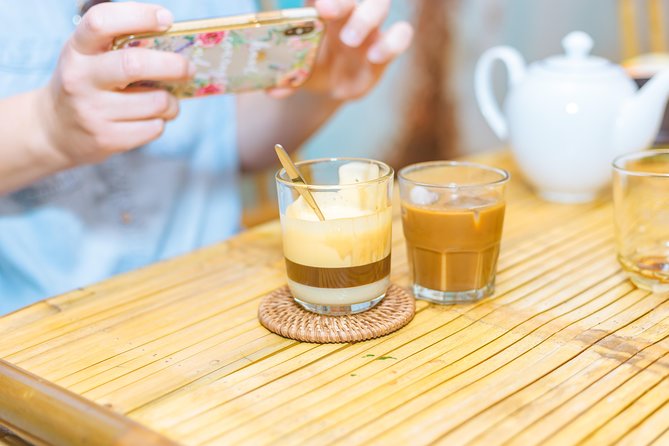
- Five distinct coffee styles: Make black phin coffee, happy white coffee, Hue Imperial salt coffee, Hoi An coconut coffee, and Hanoi egg coffee.
- Coffee with cultural context: Learn how French colonization influenced the drinks and why coffee became closely tied to Vietnamese life.
- A useful take-home gift: The class includes a Vietnamese phin filter, plus recipes so you can repeat the drinks at home.
- Family-run atmosphere: Expect friendly instruction, banter, and a relaxed class rather than a formal cooking-school setting.
- Good value at $15.39: You make and taste five drinks, receive equipment, and get an English-speaking instructor in a small group.
- Plan your caffeine intake: You may want to sip slowly instead of finishing every cup.
What the Hoi An coffee class is really about
This is not simply a café stop with a short demonstration. You take part in the preparation of five Vietnamese drinks, while the instructor explains how coffee fits into local culture.
That cultural layer is what gives the class its purpose. Vietnamese coffee is not just a stronger version of the drink you may know at home. The filter, sweetened condensed milk, whipped egg, salt, coconut, and serving style all tell part of the story.
You also learn how French colonization shaped Vietnamese coffee. That historical connection matters because it explains why coffee became such a lasting part of Vietnamese daily life, while local ingredients and brewing habits gave it a distinct identity.
The class is run by Hoian Handicraft Tours at 10C Bà Triệu in Hoi An. You return to the same meeting point at the end, so there is no complicated route to follow and no hotel transfer to arrange.
More Coffee Tours in Hoi An
- Hoi An: Vietnamese Coffee Culture and Coffee Making Class
★ 4.9 · 4,006 reviews - Early Morning My Son Sanctuary Trip w. Champa Food & Coffee
★ 5.0 · 629 reviews - Hoi An: My Son Early Morning with Banh My and Coffee 6 am
★ 4.7 · 205 reviews
Starting with the traditional phin filter
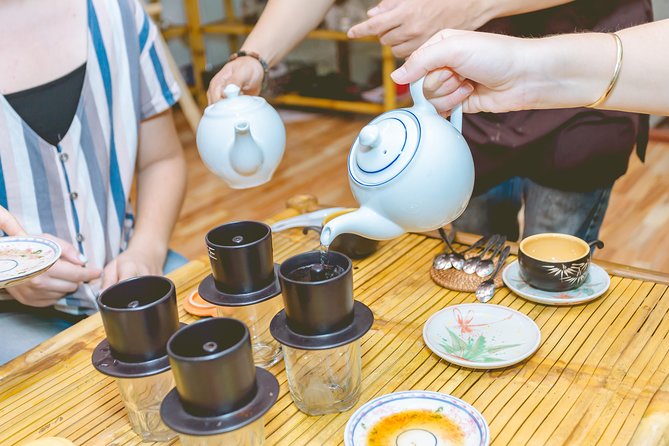
The first drink is traditional black coffee made with a Vietnamese phin. This small metal filter sits directly on top of your cup and allows hot water to pass slowly through ground coffee.
For many people, this is the most useful part of the lesson. The phin is simple, inexpensive, and easy to carry. You do not need a machine, electric grinder, or special café setup to repeat the method at home.
The class includes a phin filter as a gift, which adds real value to the $15.39 price. You are not only tasting coffee during the class. You leave with a tool that lets you continue the experience after your Hoi An visit.
The black coffee also gives you a clear reference point. Once you understand its strength and texture, the sweeter and creamier drinks make more sense.
Expect a strong cup. Several people who enjoyed the class still warn that the coffee packs serious caffeine. I would treat the tasting as a series of small samples rather than five full morning coffees.
Happy white coffee and the Vietnamese sweet tooth
The next preparation introduces a sweeter style, described as Vietnamese happy white coffee. Vietnamese coffee is often paired with sweetened condensed milk, and this drink shows how that combination softens the coffee’s sharp edge.
This is a good stage for anyone who normally finds black coffee too bitter. The milk adds body and sweetness, while the coffee remains present rather than disappearing beneath the sugar.
The class format means you do not just watch someone prepare it. You handle the ingredients and follow the method with guidance from the instructor. That hands-on approach helps you remember the balance when you try it later.
Recipes are provided so you can recreate the drinks at home. This is especially helpful because café-made Vietnamese coffee can look simple, but small changes in coffee quantity, condensed milk, or water can alter the result.
Hue Imperial salt coffee: unusual, but worth trying
Salt coffee from Hue is one of the class’s more unusual drinks. It may sound odd at first, but salt can change how you perceive bitterness and sweetness.
This coffee gives the lesson a useful regional angle. You are not tasting one standard national recipe five times. You are moving through drinks associated with different Vietnamese places and styles, including Hue, Hoi An, and Hanoi.
The salt coffee also encourages you to pay attention. Instead of asking only whether you like it, you can notice how the added ingredient affects the coffee. That kind of comparison is one reason the class works better than simply ordering five drinks at a café.
The instructor explains each preparation as you go. The tone is informal, with humor and plenty of conversation. Linh is praised for being friendly, funny, and patient, and the family-run team is known for making solo participants feel comfortable.
One qualification is worth noting. Humor is part of the atmosphere, and most people enjoy it, but one person found some of the jokes disrespectful. If you prefer a very formal class, you may find the style a little loose.
A few more Hoi An trips worth weighing up
- Hoi An: Vietnamese Foldable Lantern Making Class
★ 4.9 · 3,742 reviews - Cooking Class Hoi An:Local Market, Basket Boat, Fishing & Cooking
★ 5.0 · 3,660 reviews - Hoi An Cooking Class(Market,BasketBoat Crabfishing&Cooking Class)
★ 5.0 · 3,386 reviews - From Hoi An: Market Tour, Basket Boat Ride and Cooking Class
★ 4.8 · 2,208 reviews
Hoi An coconut coffee brings the local touch

Hoi An fresh coconut coffee is often the favorite in this lineup. It combines coffee with coconut for a cool, sweet drink that feels especially suited to a warm destination.
The coconut coffee is valuable because it links the class to Hoi An itself. You are not only studying coffee traditions from a textbook. You are making a drink that reflects the local setting and the flavors commonly associated with the region.
For me, this is the kind of stop that makes the class memorable. The basic phin coffee teaches technique, but coconut coffee shows how Vietnamese cafés adapt coffee into something refreshing and distinctly local.
You may find this one easier to enjoy if you are not a serious black-coffee drinker. The coconut gives it a softer, more dessert-like character. It also creates a useful contrast with the salt coffee and the strong black brew.
If you are attending with a partner or friend, comparing your favorites is part of the fun. One person may prefer the coconut coffee, while another may choose egg coffee or the condensed-milk version.
Hanoi egg coffee, the sweet finale

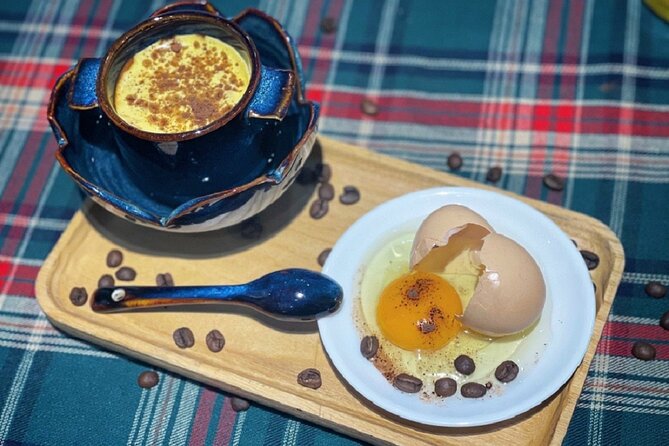
The final named preparation is Hanoi capital egg coffee. This is a rich and popular Vietnamese specialty made with a creamy egg mixture placed over coffee.
Egg coffee is the class’s showpiece. It looks and tastes more like a dessert than an ordinary cup, yet the coffee underneath keeps it from becoming simply sweet cream.
Making it yourself helps explain why the drink is so distinctive. You get to see the texture develop and understand how the topping changes the experience of the coffee below.
This is also where the class’s cultural focus pays off. The drinks are not random flavor experiments. Each one reflects a place, a habit, or a creative way Vietnamese coffee has developed over time.
The coffee is strong, so do not feel pressured to finish every cup. The purpose is to compare the styles, not to prove how much caffeine you can withstand. If you are sensitive to coffee, consider attending earlier in the day and pacing yourself.
A family-run class with a relaxed tone
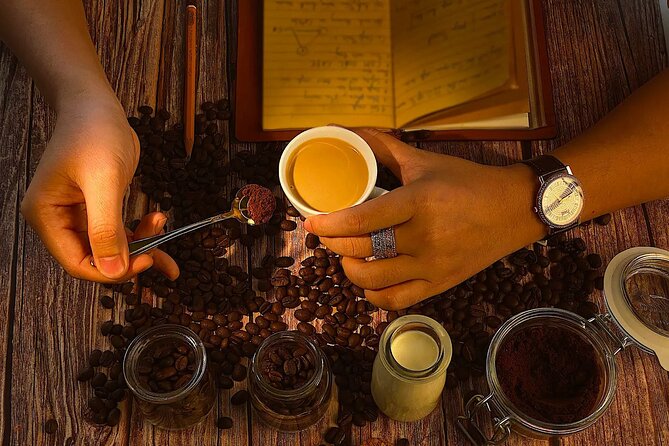
The strongest part of this experience is the people leading it. The class has a family-run feel, with staff who explain the recipes, answer questions, and keep the room lively.
That matters in a hands-on class. If instructions are rushed or unclear, making five drinks becomes confusing. Here, the preparation is set up ahead of time, and the directions are described as clear and patient.
Linh receives particular praise for warmth and humor. The teaching style seems designed to make beginners comfortable, including solo participants. One solo student ended up with a one-to-one session when nobody else had booked that time, showing that the group size can sometimes be very small.
The maximum is 10 people. That is a sensible limit for this type of activity. You should have enough space to follow along, see what is happening, and receive help without waiting behind a large crowd.
The mood is more entertaining than academic. You learn the background of Vietnamese coffee, but you also get banter and jokes. Some people consider that a highlight. Others may want less performance and more instruction.
How the two hours are used
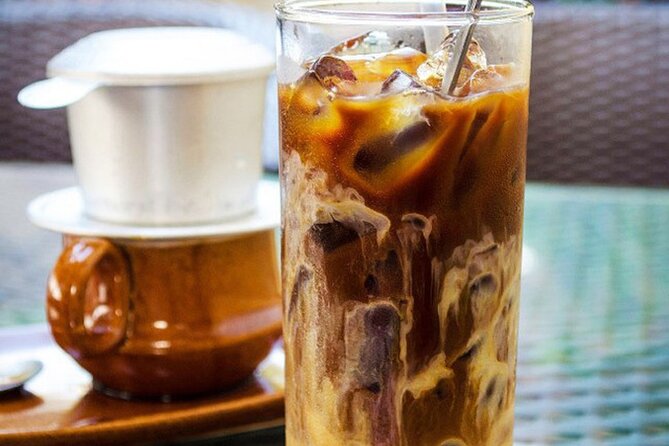
The class lasts about two hours. During that time, you cover coffee history and culture, learn the brewing basics, prepare five styles, and taste what you make.
The schedule is not presented as a minute-by-minute program, so exact timing may vary. A sensible expectation is an opening explanation, followed by the coffee preparations in sequence, with tasting and conversation built into each stage.
That pace gives you time to notice the differences between the drinks. A shorter one-hour session could show you the basics, but it would likely feel more rushed with five recipes.
Still, two hours may feel excessive if you only want to learn the phin method. One person found the activity could have been completed in an hour. I agree that your enjoyment will depend on your interest in coffee culture and group conversation.
If you like asking questions, sampling several flavors, and meeting people from different countries, the longer format works well. If you are trying to fill a small gap between other Hoi An plans, check your schedule and energy level first.
What the price includes, and why it is good value
At $15.39 per person, this is an inexpensive cultural activity in Hoi An. The value comes from several parts working together.
You make five drinks rather than watching a single demonstration. You receive coffee-making tools during the session, an English-speaking instructor, and a Vietnamese phin filter to take home.
You also receive recipes, according to the class experience, which makes the activity more useful after you leave Vietnam. Some participants also receive a surprise gift at the end. Since the exact gift is not specified, consider it a pleasant extra rather than part of the guaranteed package.
The provider’s own coffee blend is available to buy as well. That can be handy if you want to reproduce the recipes with the same beans, though purchasing coffee is optional and not included in the ticket.
There is no hotel pickup or drop-off. You need to reach 10C Bà Triệu yourself, but the activity ends at that same address. For a short, low-cost class in Hoi An, the lack of transfers is reasonable.
The high rating, 5 out of 5 from 498 ratings and 99 percent recommendation, supports the strong value impression. It does not mean every person will love the humor or the two-hour length, so match the format to your interests.
Who will enjoy this most
I would recommend the class most strongly to:
- Coffee drinkers who want more than a café tasting
- People curious about Vietnamese food and drink customs
- Couples looking for a light shared activity
- Solo participants who enjoy meeting others
- Beginners who want an easy brewing method to use at home
- Anyone interested in egg coffee, coconut coffee, or salt coffee
You do not need advanced cooking skills. Most people can participate, and the necessary items are prepared in advance.
This may be less suitable if you avoid caffeine, dislike sweet drinks, or prefer a short and quiet demonstration. Five coffee styles in one sitting can be a lot, and the informal jokes may not suit every personality.
Families and mixed-age groups should consider the caffeine issue carefully. The information says most people can participate, but it does not provide a specific children’s option or decaffeinated alternative.
Practical tips before you go
Arrive ready to take part rather than simply sit back. The value comes from making the drinks yourself, so you will get more from the class if you pay attention to each method.
Eat something beforehand if coffee on an empty stomach bothers you. The drinks are repeatedly described as strong, and five tastings can produce a noticeable buzz.
Sip slowly. You can compare the flavors without finishing every cup, and this is probably the best way to enjoy the session.
Bring space in your luggage for the phin filter and any coffee you choose to purchase. The filter is small, but it is the most practical souvenir from the class.
If you are booking around other plans, allow the full two hours. The class may finish earlier or later depending on group size and conversation, but the advertised duration is approximately two hours.
The meeting point is 10C Bà Triệu, Phường Cẩm Phổ, Hội An, Quảng Nam 560000. Mobile tickets are accepted, and the activity returns to the starting point.
Free cancellation is available if you cancel at least 24 hours before the start time. Changes or cancellations inside that window are not refunded, and poor weather may lead to another date or a full refund.
Should you book this Hoi An coffee class?
Book it if you want a friendly, practical introduction to Vietnamese coffee and like the idea of making five very different drinks. The phin filter, recipes, small group limit, and low price make this more useful than a standard café visit.
I would especially choose it early in your Hoi An stay. You can use what you learn at cafés afterward, recognize egg coffee and salt coffee on menus, and bring a simple brewing method home.
Skip it if you want only a quick lesson, need to limit caffeine, or prefer a serious classroom tone. For everyone else, this is a cheerful two-hour activity with genuine local context, plenty of tasting, and a souvenir you can actually use.
FAQ
How long does the Vietnamese coffee class last?
The experience lasts approximately two hours.
Where does the class start and finish?
It starts at 10C Bà Triệu, Phường Cẩm Phổ, Hội An, Quảng Nam 560000, Vietnam, and ends back at the same meeting point.
Which coffees will I make?
You will make traditional black coffee using a Vietnamese phin filter, Vietnamese happy white coffee, Hue Imperial salt coffee, Hoi An fresh coconut coffee, and Hanoi capital egg coffee.
Is hotel pickup included?
No. Hotel pickup and drop-off are not included. You need to make your own way to the meeting point.
Will I receive anything to take home?
Yes. A Vietnamese phin filter is included. Recipes are also provided so you can make the coffees at home, and a surprise gift may be given at the end.
Can I cancel for a full refund?
Yes, if you cancel at least 24 hours before the experience start time. Cancellations or changes made less than 24 hours in advance are not refunded.
More Coffee Tours
- Hoi An: Vietnamese Coffee Making Workshop at Local Roastery
★ 4.8 · 174 reviews - Hoi An: Lantern and Coffee Making Class
★ 5.0 · 154 reviews - My Son Sanctuary Early Morning Tour 6 am w Banh my and Coffee
★ 5.0 · 142 reviews - Hoi An: Hands-on Vietnamese Coffee Making Class with Long
★ 4.8 · 66 reviews
Just added around Hoi An
- Hoi An bicycle tour to beautiful countryside★ 5.0 · 33 reviews
- Hoi An Countryside Discovery Tour By Motorbike – Local food★ 5.0 · 33 reviews
- Hoi An Ghosts, Death, Mystery Unveiled★ 5.0 · 33 reviews
- DaNang Airport Transfer to Hoi An by private car or vice versa★ 5.0 · 33 reviews
- Guided tour of Sampan distillery // Agricultural Rum Medalist★ 5.0 · 35 reviews
- Cooking class for lunch start at 12:00-3:00pm cooking yourself★ 5.0 · 35 reviews
- Hoi An city and Food tour★ 5.0 · 35 reviews
- HoiAn Walking Tours Night market, Colourful Lanterns, Boat Ride★ 4.5 · 36 reviews
Coffee Experiences, compared.

Vietnamese Coffee Culture and Coffee Making Class
Read our review →
Hanoi Coffee Experience: 6 Brews, 9 Recipes & 3 Liquor Tastings
Read our review →
Hanoi Coffee Workshop: Taste Salt, Coconut and Egg Coffee
Read our review →
Salt Coffee Workshop Awake Your Senses With 6 Brews
Read our review →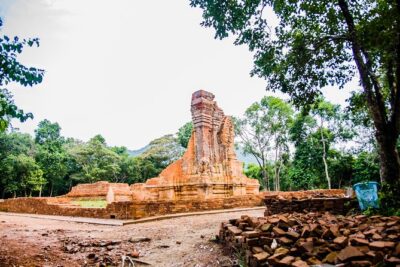
Early Morning My Son Sanctuary Trip w. Champa Food & Coffee
Read our review →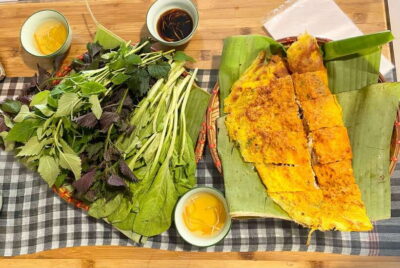
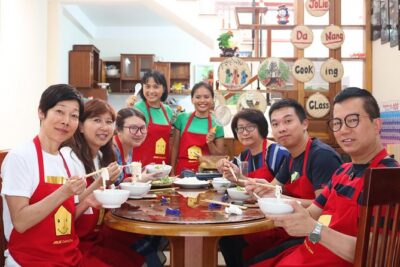
Da Nang Cooking Class with Coffee Tasting and Market Visit
Read our review →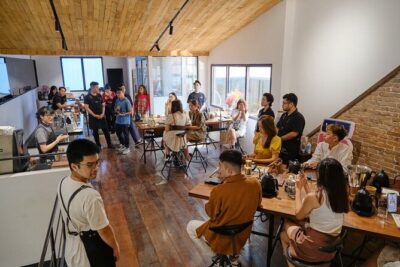
Fun & Easy Vietnamese Coffee Workshop in Hồ Chí Minh City
Read our review →Browse the lists this tour appears in