
Reviewed · BASKET BOAT EXPERIENCES
Hue: Brew Egg, Salt & Coconut Coffee
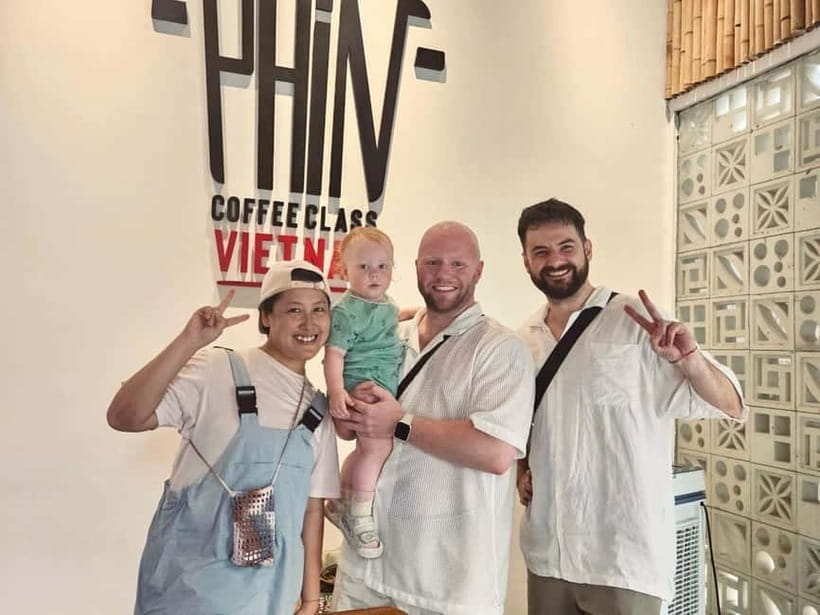
Coffee can be a cultural lesson in disguise. This 90-minute Hue workshop takes you beyond ordering a sweet iced coffee and puts a traditional phin filter in your hands. With a local English-speaking host, you brew and taste four Vietnamese styles: classic phin coffee, egg coffee, salt coffee, and coconut coffee.
I like the hands-on format, since you make each drink rather than simply watch a demonstration. I also like the personal scale, with no more than eight people and, at times, only one booking in the room. The main consideration is simple: you receive a lot of coffee, so this may feel like too much if caffeine is not your friend.
The class costs $18 per person, which is fair for the amount of tasting, instruction, equipment use, and take-home material. Hosts named Duck, Uyen, Daisy, and Annie have all been praised for being funny, warm, and clear in their teaching, though your host will depend on the session.
In This Review
- Quick reasons to book
- Finding the Huế Experience meeting point
- Starting with Vietnam’s bold Robusta coffee
- Learning the traditional phin filter
- First cup: classic phin coffee
- Second cup: egg coffee with dessert-like texture
- Third cup: salt coffee, Hue’s memorable specialty
- Fourth cup: coconut coffee, cool and creamy
- The hosts make the difference
- Why the small group is worth paying for
- A good activity for couples, families, and solo visitors
- Use the workshop as a rainy-day plan in Hue
- What to bring and how to pace yourself
- Booking flexibility and basic conditions
- Should you book the Hue coffee workshop?
- FAQ
- How long does the Hue coffee workshop last?
- How much does the experience cost?
- Which Vietnamese coffees will I make?
- Is coffee tasting included?
- Is the class taught in English?
- How many people can join the class?
- Where is the meeting point?
Quick reasons to book
- Four drinks in 90 minutes: You prepare classic phin, egg, salt, and coconut coffee, then taste each one.
- A real phin lesson: You learn how Vietnam’s slow-drip metal filter works instead of treating it as a coffee-shop decoration.
- Robusta takes center stage: The class explains the bold beans used in Vietnamese coffee and how they shape the drinks.
- Small groups matter: With a maximum of eight people, you should have room to ask questions and practice.
- Recipes go home with you: The handout helps turn a Hue memory into something you can make later.
- A useful rainy-day plan: The workshop takes place indoors and has proved appealing even when the weather is poor.
Finding the Huế Experience meeting point
The meeting point is on Hoàng Quốc Việt Street, inside alley number 1. Walk about 50 meters into the alley, where you will see the Huế Experience signboard.
That instruction is clear, but alley entrances can be easy to miss when you are watching traffic or checking a phone map. I would save the meeting-point wording before leaving your hotel and allow a few extra minutes. The class does not include transport, so you make your own way there.
The workshop is listed as wheelchair accessible. Since the provided details do not explain the exact route through the alley or the room setup, anyone with specific mobility needs should confirm those details before booking.
More Hue Day Trips:
- Hue to Hoi An ( Hoi An to Hue) Top Gear with Lefamily Riders Tours ( 1 way)
★ 5.0 · 3,156 reviews - Easy Rider private tour via Hai Van pass from Hue – Da Nang – Hoi An (1Way|Loop)
★ 5.0 · 1,542 reviews - Hue Customizable Tour with Imperial Citadel & Forbidden City
★ 4.9 · 937 reviews
Starting with Vietnam’s bold Robusta coffee
The class begins with an introduction to Vietnamese coffee beans, especially Robusta. That matters because these drinks are not simply familiar espresso recipes with new names. The strong coffee base is part of the point.
You learn how the beans connect to the drinks you are about to make. The opening explanation gives you a frame for understanding why egg, salt, and coconut work so well with a forceful coffee. Sugar, dairy, salt, and coconut do not merely decorate the cup. They balance and reshape its strength.
I appreciate this early context because it keeps the workshop from becoming a quick recipe parade. You are not just mixing ingredients and taking photos. You are learning why the drinks taste the way they do and how local coffee culture has turned a powerful brew into several distinct styles.
The instructors also explain the history and cultural background behind the coffee variations. Duck, also called Uyen by some people, has been praised for explaining the process carefully while keeping the mood relaxed and funny. Daisy has also been singled out for making the cultural side feel personal and accessible.
Learning the traditional phin filter
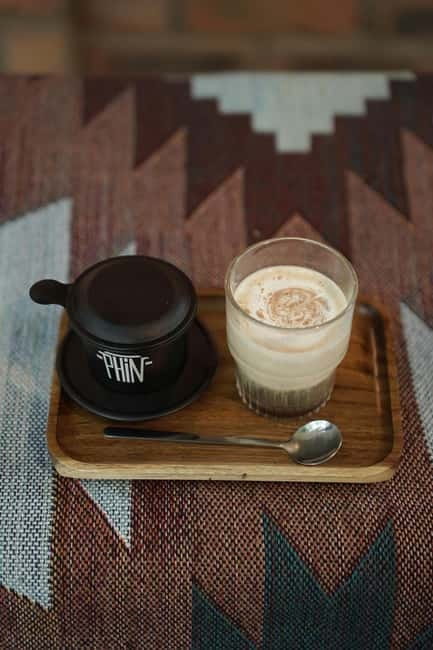
The phin is the practical heart of the class. This small metal filter sits over a cup and lets coffee drip slowly, giving you time to watch the process instead of rushing toward the result.
That slower method changes the mood. You need to pay attention to the amount of coffee, the water, and the pace of the drip. Your host guides you through the steps, then gives you the chance to prepare the drinks yourself.
For a coffee lover, this is one of the strongest parts of the experience. You can see how a modest piece of equipment creates a drink with such a strong identity. For someone who normally reaches for instant coffee or a café latte, the phin also makes Vietnamese brewing feel less mysterious.
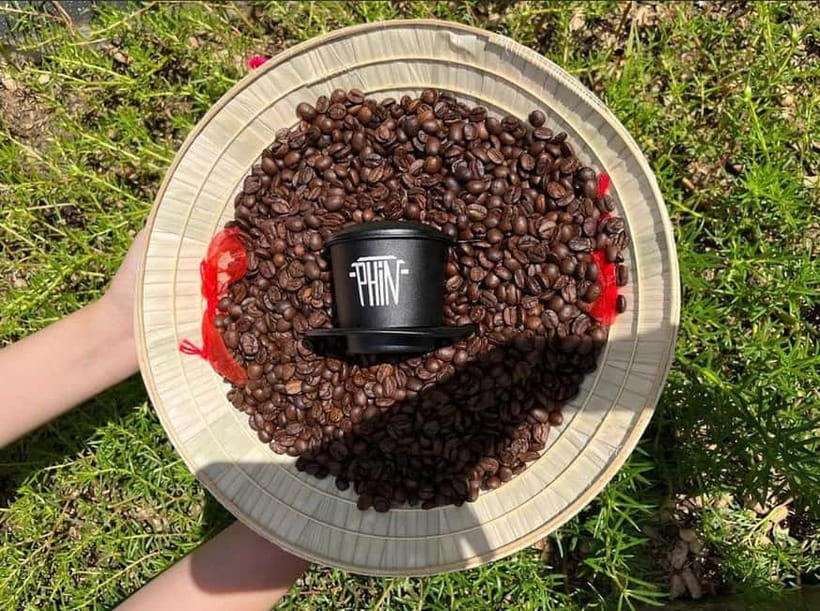
The class includes the tools and ingredients for all four recipes, plus the use of traditional phin filters and Robusta beans. You do not need to bring equipment with you. If the method wins you over, a filter can become a useful souvenir. One participant enjoyed the class enough to buy a filter for home use afterward.
First cup: classic phin coffee
The classic phin coffee gives you the base version before the sweeter variations enter the picture. You brew it yourself, watch the coffee drip, and taste the result as part of the four-cup progression.
This first drink helps you understand the strength of the Robusta beans without the extra creaminess of egg or coconut. It also gives you a useful comparison point. After tasting the plain version, you can better notice what salt, egg, and coconut add.
The process is simple enough for beginners, but it still rewards care. Do not expect a fast machine-made cup. The slow drip is part of the experience, and the class encourages you to slow down with it.
If you are sensitive to caffeine, pace yourself from the beginning. You will prepare and taste four drinks during the session, and the amount can be substantial. Bethaney, who attended a solo session, noted that there was so much coffee she could not finish it all. That is useful advice: tasting does not require emptying every cup.
More Basket Boat Experiences:
- Hoi An: Basket Boat Ride in the Coconut Forest
★ 4.9 · 4,956 reviews - Cooking Class Hoi An:Local Market, Basket Boat, Fishing & Cooking
★ 5.0 · 3,660 reviews - HCM: Mekong Delta, My Tho & Ben Tre Coconut Village
★ 4.7 · 3,304 reviews - CuChi Tunnels&Mekong Delta-Boat,TukTuk,Coconut Village SmallGroup
★ 5.0 · 3,113 reviews
Second cup: egg coffee with dessert-like texture
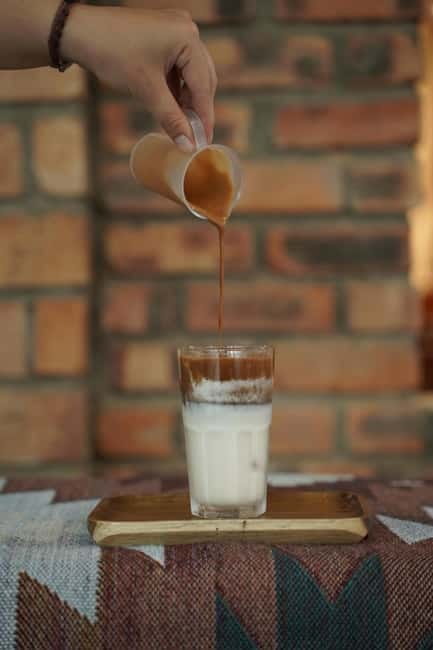
Egg coffee is likely to be the most surprising recipe for many people. The class shows you how the sweet egg mixture works with strong coffee, producing a drink that feels closer to a dessert than a plain morning brew.
The appeal comes from contrast. The coffee remains bold, while the egg component adds a soft, creamy sweetness. You get to prepare it rather than simply receiving a finished cup, so you can see how the texture develops.
This is a good part of the class for anyone who thinks they do not like black coffee. The added ingredients make the drink more approachable without hiding the coffee completely. Emma, who does not normally drink coffee at home, found Vietnamese coffee so appealing that she wanted to learn how to recreate it.
Your host explains the recipe and its place among Vietnam’s coffee styles. The exact demonstration may vary slightly with the instructor, but the goal is consistent: understand the ingredients, make the drink, and taste the result while it is fresh.
Third cup: salt coffee, Hue’s memorable specialty
Salt coffee is especially fitting for a Hue workshop. The recipe sounds odd until you taste the logic behind it. A small salty note can soften bitterness and make sweetness feel clearer, while the coffee still keeps its firm character.
This is often the cup that sparks the most conversation. You may expect salt to make the drink savory, but the effect is more about balance. The class gives you a chance to see how a tiny change can shift the whole cup.
Annie has been praised for introducing flavors that people would not have tried on their own. That is exactly the value of this part of the workshop. You are not only learning a recipe you could find in a café. You are being encouraged to test an unfamiliar combination and decide how it works for you.
If you prefer very mild coffee, the salt version may still taste strong. The workshop uses bold Robusta, and all four recipes begin from that coffee identity. Still, the creamier and sweeter elements make the salt drink more accessible than a plain black cup.
Fourth cup: coconut coffee, cool and creamy
Coconut coffee brings a different texture and mood to the tasting. The coconut element adds sweetness and a tropical creaminess, creating a drink that can feel especially refreshing when served cold.
The class includes both hot and cold drinks, according to the practical details shared by participants. That variety keeps the 90 minutes from feeling repetitive. You move from the slow, direct taste of phin coffee to richer and cooler combinations.
Coconut coffee is a strong choice for people who like blended or sweet coffee drinks. It also works as a useful contrast with egg coffee. Both can be creamy, but they do not taste alike, and making them side by side helps you notice the difference.
You are not simply handed four samples in a row. You prepare each style with guidance, then taste what you made. That makes the workshop more engaging than a standard café stop, though it also means you should expect some work at the table.
The hosts make the difference
The equipment and recipes matter, but the instructor shapes the whole session. Duck has received repeated praise for being funny, welcoming, and easy to follow. Uyen has also been described as a friendly teacher who explains coffee history, beans, and preparation with energy.
Those details matter because a small workshop can feel awkward if the host lectures at the group. Here, the reported tone is more conversational. People ask questions, share laughs, and learn through the process.
A solo booking may become an especially personal session. One person had the class alone because nobody else had booked the same 10:30 a.m. time. A couple also enjoyed having a relaxed, private-feeling session when they were the only two participants.
The trade-off is that instructor names and teaching styles can vary. Book this for the local contact and the format, not with the expectation that a particular named host is guaranteed.
Why the small group is worth paying for
Eight people is the maximum group size. That is a useful limit for a practical class because everyone needs space to handle filters, ingredients, and cups.
At $18 per person, the value is not just four beverages. Your fee covers a guided class, all ingredients and tools, coffee tasting, drinking water, a recipe handout, and an English-speaking host. You also leave with a method you can use at home.
Compared with buying four coffees in Hue, the workshop costs more. Compared with paying for a casual tasting plus a separate lesson, the price looks stronger. You are paying for access to instruction and equipment, not just liquid in a cup.
I would call the price good for coffee fans, curious eaters, and people who enjoy small cultural activities. It is less compelling if you only want a quick drink or dislike sweet coffee. The class asks for 90 minutes and gives you a full tasting, so the value depends on your interest in the process.
A good activity for couples, families, and solo visitors
The class suits couples because you can compare your results and share the tasting. It also works for families. A family of five enjoyed the class and found the instructor helpful when answering questions.
Solo visitors should not worry about being out of place. A small group can make it easier to talk with the host, and a solo session may become nearly one-to-one if the time slot is quiet.
You do not need to be a serious coffee drinker. One person who did not usually drink coffee still considered the class a highlight and liked the finished drinks. The recipes add enough sweetness and texture to appeal beyond the black-coffee crowd.
That said, children and anyone avoiding caffeine may not get the same value. The class focuses on making and tasting coffee, not on a broad Vietnamese cooking lesson with non-coffee alternatives.
Use the workshop as a rainy-day plan in Hue
Hue can offer wet-weather days when outdoor sightseeing loses some of its charm. This workshop gives you an indoor plan with a clear 90-minute shape.
You still get a sense of place through the coffee culture and conversation. The activity does not replace Hue’s major sights, but it adds a local daily-life angle that a short visit can otherwise miss.
I especially like it as a morning or afternoon gap in your schedule. The available start times vary, so check the schedule when choosing a date. If you have just finished a large meal, the amount of coffee and sweet ingredients may feel heavy. A lighter stomach may make the tasting easier, though you should not arrive expecting a full meal.
What to bring and how to pace yourself
Bring your booking details and enough time to find the alley. The meeting point is not on the main road itself, so do not cut arrival too close.
You do not need to bring coffee equipment, ingredients, or a printed recipe. Water is provided, and the workshop supplies the tools for the four preparations.
My main practical tip is to pace the tasting. Try each drink, compare them, and take notes if you care about recreating the recipes. You are allowed to learn without forcing yourself to finish every cup.
The recipe handout is a useful part of the take-home value. It means the experience can continue after Hue, provided you can find suitable coffee and ingredients at home.
Booking flexibility and basic conditions
The experience allows free cancellation up to 24 hours before the start for a full refund. You can also reserve now and pay later, which helps if your Hue plans are still shifting.
The class is offered in English and Vietnamese. English-speaking instruction is included, though the exact level of back-and-forth may depend on the host and group.
The maximum group size is eight, and the activity is listed as wheelchair accessible. For detailed access questions, contact the provider before booking because the available information does not describe the alley, entrance, or seating arrangement in full.
Should you book the Hue coffee workshop?
I would book this if you want a friendly, practical way to understand Vietnamese coffee rather than simply order it. The strongest reasons are the four distinct recipes, the chance to use a phin yourself, the small group limit, and the hosts’ warm teaching style.
I would also book it if you are not a regular coffee drinker but enjoy sweet, creamy, or unusual flavors. Egg, salt, and coconut coffee each offer a different route into the subject.
I would skip it if caffeine is a serious concern, if you want a fast café stop, or if 90 minutes of tasting sounds like too much. For everyone else, $18 buys a useful local lesson, plenty of samples, and recipes you can carry home. Just arrive ready to share the table with a fair amount of coffee.
FAQ
How long does the Hue coffee workshop last?
The workshop lasts 90 minutes. Starting times vary, so check availability when selecting your session.
How much does the experience cost?
The price is $18 per person.
Which Vietnamese coffees will I make?
You will prepare four styles: classic phin coffee, egg coffee, salt coffee, and coconut coffee.
Is coffee tasting included?
Yes. You taste all four drinks you prepare during the workshop.
Is the class taught in English?
Yes. An English-speaking local host leads the workshop, and instruction is available in English and Vietnamese.
How many people can join the class?
The workshop is a small-group activity limited to eight participants.
Where is the meeting point?
Enter alley number 1 on Hoàng Quốc Việt Street and walk about 50 meters. Look for the Huế Experience signboard.
More Coffee Tours
- Hoi An: Vietnamese Coffee Culture and Coffee Making Class
★ 4.9 · 4,006 reviews - Hanoi Coffee Experience: 6 Brews, 9 Recipes & 3 Liquor Tastings
★ 5.0 · 2,945 reviews - Hanoi Coffee Workshop: Taste Salt, Coconut and Egg Coffee
★ 5.0 · 1,286 reviews - Hanoi: Salt Coffee Workshop Awake Your Senses With 6 Brews
★ 5.0 · 792 reviews
Just added around Hue
- Hue Morning Countryside Motorbike Tour★ 5.0 · 32 reviews
- 1 Day On 5-Star Halong Cruise With Highest Safety Equipments★ 4.7 · 34 reviews
- Hue Motorbike & Boat Tour to Countryside & Heritage Sites★ 5.0 · 35 reviews
- Hue to Hoi An Motorbike Tour★ 5.0 · 35 reviews
- Hue Bike Tour with Optional Fishing Activities in Local Village★ 5.0 · 36 reviews
- Hue Royal Tombs Tour: Visit Best Pagoda & King’s Mausoleums★ 5.0 · 36 reviews
- Hue city tour with private driver★ 5.0 · 38 reviews
- Hue: Perfume River Dinner Cruise with Traditional Show★ 4.0 · 38 reviews
Basket Boat Experiences, compared.

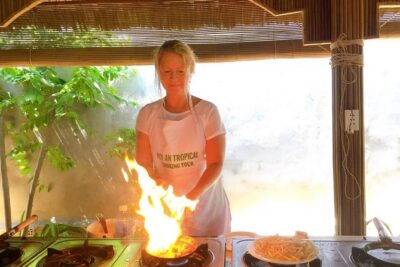
Cooking Class Hoi An:Local Market, Basket Boat, Fishing & Cooking
Read our review →
Mekong Delta, My Tho & Ben Tre Coconut Village
Read our review →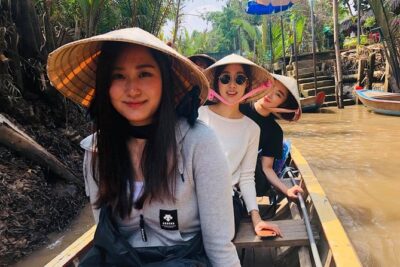
CuChi Tunnels&Mekong Delta-Boat,TukTuk,Coconut Village SmallGroup
Read our review →
Mekong Delta Boat,Khotcake cooking Coconut Village,SmallGroup
Read our review →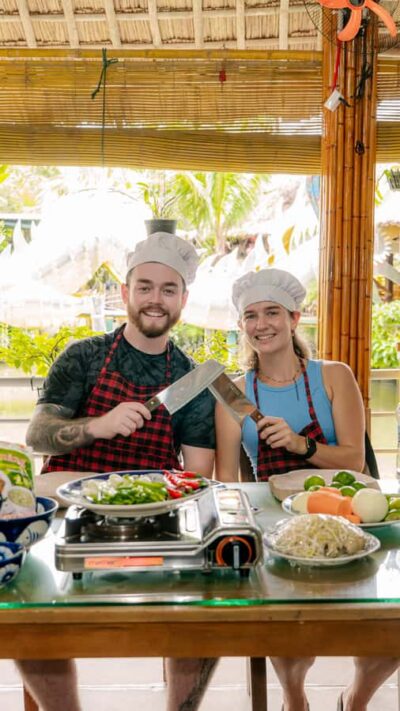
Market Tour, Basket Boat Ride and Cooking Class
Read our review →
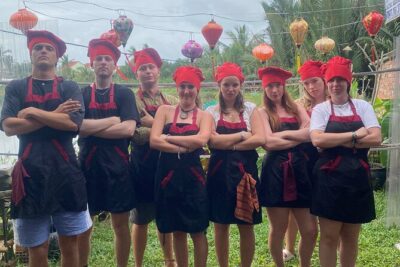
Hoi An Cooking Class(Local market,Basket Boat,Fishing & Cooking)
Read our review →Browse the lists this tour appears in