
Reviewed · COOKING CLASSES
Hanoi: 5 Local Dishes Cooking Class with Meal & Market Visit
Food brings Hanoi into focus. This 3.5-hour cooking class combines a local market visit with hands-on lessons in five Vietnamese dishes, then lets you sit down and eat what you made. I especially like the market stop, where you see how fresh ingredients are chosen, and the chance to learn practical recipes you can repeat at home. The main consideration is that transportation is not included, and the class is not suitable for wheelchair users or people with mobility impairments.
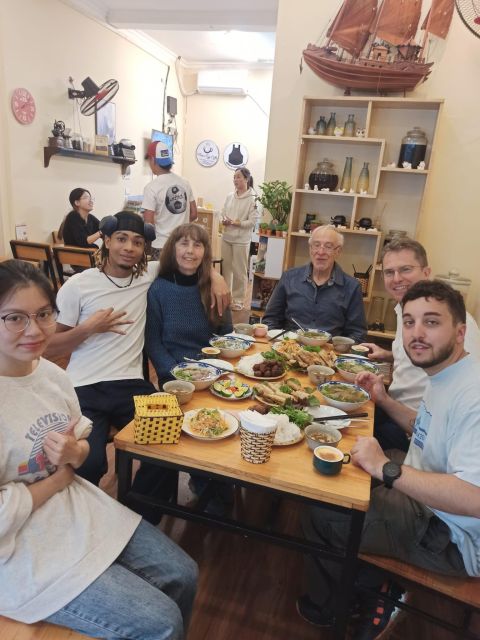
I also like the friendly, social setup. Guides such as Vy, Winnie, Bella, Ruby, Kim, and Perla have been praised for patient instruction, clear demonstrations, and an easygoing atmosphere. You may cook with people from several countries, which makes the shared meal feel like part dinner and part informal cultural exchange. The only catch is that five dishes in one session means a busy schedule, so you should expect to take part rather than simply watch.
In This Review
- Key points to know before booking
- Meeting the chef in Hanoi’s Old Quarter
- Shopping for ingredients at a local wet market
- Choosing between two five-dish menus
- Five dishes, many small cooking lessons
- Sitting down to eat what you made
- What the $40 price really covers
- The practical drawbacks to consider
- Who will enjoy this Hanoi cooking class most?
- Should you book Apron Up Cooking Class?
- FAQ
- Where does the cooking class begin?
- Where does the activity finish?
- How long does the experience last?
- What is included in the $40 price?
- Is transportation included?
- Can vegetarian participants join?
- Which dishes can I learn to make?
- Is the class suitable for young children or wheelchair users?
Key points to know before booking
- A real market visit comes first: You learn how an instructor selects fresh ingredients before cooking begins.
- Five dishes fit into 3.5 hours: The class keeps moving, with each person given a useful job.
- Two menus offer plenty of variety: Choose one set menu, or take two classes to learn both.
- Vegetarians are included: Both menus can be adapted for vegetarian diets.
- The meal is part of the lesson: You eat the dishes you helped prepare, along with fruit, tea, and rice whisky.
- A cookbook adds lasting value: You leave with recipes and a certificate, not just a full stomach.
Meeting the chef in Hanoi’s Old Quarter
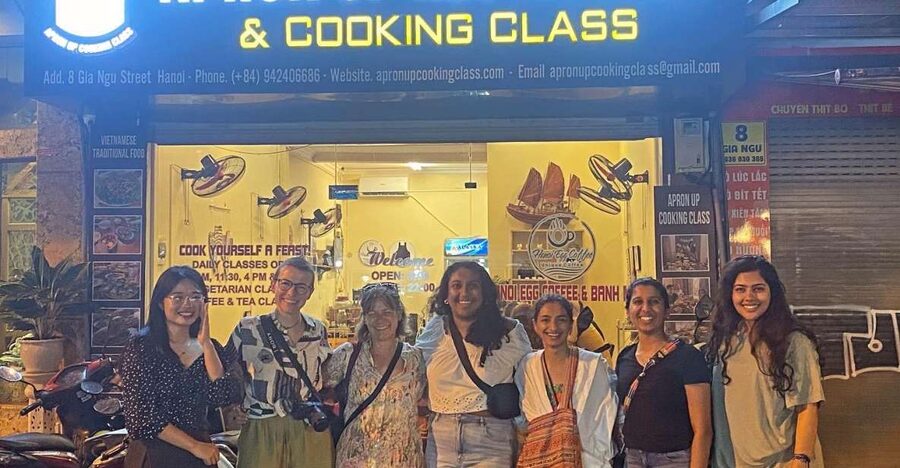
Your class begins at Apron Up Cooking Class, marked by a large Apron Up sign in front of the venue. The meeting point is in Hanoi’s Old Quarter, and the activity finishes there as well, so you will need to arrange your own way to and from the class.
That simple setup matters. You do not lose time waiting for a hotel transfer or riding across the city. At the same time, the lack of transportation means you should allow enough time to reach the meeting point, especially if you are staying outside the Old Quarter.
The class is taught in English. Names that come up often among the instructors include Vy, Winnie, Bella, Ruby, Kim, Perla, Ashley, and Vi. The teaching style can vary slightly from one guide to another, but the strongest pattern is clear instruction mixed with plenty of encouragement. Several guides have been praised for showing a technique more than once, helping cooks with different skill levels, and keeping the mood relaxed.
This is useful if your kitchen skills are limited. You do not need to arrive knowing how to fold spring rolls or balance Vietnamese flavors. The process is broken into manageable steps, and the class is designed so you can work with the ingredients rather than sit on the sidelines.
More Cooking Classes in Hanoi
- Hanoi Cooking Class: Culture, Local Market & Meaning CSR Impact
★ 5.0 · 5,147 reviews - 5 Traditional Dishes Hanoi Cooking Class with Market Trip
★ 5.0 · 4,890 reviews - Vietnamese Food Cooking Class in Hanoi with Market Experience
★ 5.0 · 778 reviews
Shopping for ingredients at a local wet market
The first proper stop is a nearby local market. This is not just a quick walk past food stalls. Your instructor selects and buys ingredients for the recipes, while explaining what to look for and how local shopping works.
I like this part because it gives the cooking a setting. You see ingredients before they are chopped, seasoned, and placed on a plate. One guide, Winnie, was particularly praised for explaining how to judge freshness. That kind of advice is more useful than a list of ingredients because it helps you understand why one item is chosen over another.
The market visit also introduces common Vietnamese cooking ingredients and their names. One family found that even their 13-year-old learned the Vietnamese words for the ingredients being used. That small language lesson can make shopping for food later in your trip more enjoyable.
The market may be the liveliest part of the experience, and it requires walking. The activity is specifically not suitable for people with mobility impairments or wheelchair users. Children under four are not permitted, and the activity is not suitable for people over 95 years old.
You should also keep your expectations sensible. This is a guided shopping visit linked to the class, not a long market tour with free time to browse every stall. Its value lies in seeing how ingredients are selected and understanding their role in the dishes you are about to cook.
Choosing between two five-dish menus
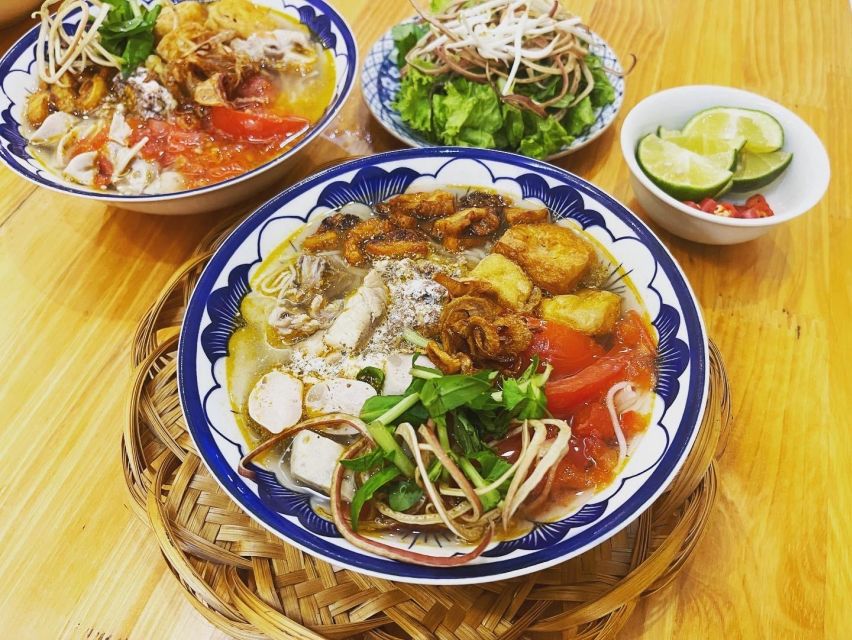
You choose from two set menus. Both offer a good introduction to Hanoi cooking, but they emphasize different flavors and techniques.
The first menu includes:
- Banh xeo pancakes
- Bun cha, grilled pork with noodles
- Pork rib noodle soup
- Beef fresh rolls
- Chicken salad
- Banana ice cream
You make five dishes from this menu, with the exact selection presented during booking or class arrangements. Banh xeo gives you a lesson in making a crisp Vietnamese pancake, while bun cha introduces the grilled pork and noodle combination closely associated with Hanoi. The soups, rolls, salad, and banana ice cream add different kinds of preparation, so the session is not built around one repeated technique.
The second menu includes:
- Pho
- Bun cha
- Fried spring rolls
- Papaya salad
- Egg coffee
This option may appeal most to first-time visitors who want several famous Vietnamese favorites in one sitting. Pho brings a classic noodle soup into the kitchen, while fried spring rolls add hands-on shaping and cooking. Papaya salad provides a fresh contrast, and egg coffee gives you one of Hanoi’s most distinctive sweet drinks.
Bun cha appears in both menus, so it is a common thread. If that dish is high on your list, either option gives you a chance to prepare it. If you want the widest range of recipes, taking two classes lets you learn both menus, though that means committing another 3.5-hour session and paying for another booking.
The menus can be adapted for vegetarian diets. This is not a token substitute. A vegetarian participant specifically found that every dish could be adjusted, allowing them to enjoy the entire meal rather than watching other people eat the main courses. If you have dietary needs, it is still sensible to mention them when booking so the instructor can prepare properly.
Five dishes, many small cooking lessons
The heart of the class is the hands-on work. You receive step-by-step instruction for each dish, with all ingredients and tools supplied. The class is organized so everyone has something to do, and the pace stays active without turning into a race.
That balance is important. A demonstration-only class can look impressive but leave you unsure how to repeat the recipe. Here, you handle the ingredients and practice the methods under supervision. Ruby, for example, has been praised for giving clear directions and patiently showing a step again when needed. Kim was also praised for tailoring the lesson to a beginner’s pace.
The recipes cover several useful kitchen skills:
- Mixing and seasoning ingredients for balanced flavor
- Preparing noodles, soup, salads, and rolls
- Shaping fresh rolls and fried spring rolls
- Working with herbs and fresh produce
- Making a Hanoi-style egg coffee
- Preparing a simple banana dessert
The class also includes tips for getting more authentic flavor at home. You will learn not just what goes into a dish, but how the instructor combines the ingredients and handles each stage. That is where much of the value lies. A cookbook can tell you the quantities, but a teacher can show you the texture, timing, and appearance to aim for.
You should not expect a formal culinary-school lesson. This is a friendly introduction to Vietnamese home-style cooking, built around eating well and trying new skills. Your final dishes may not look exactly like the instructor’s, particularly if this is your first attempt at rolling or folding. That is part of the fun, and the guided format keeps mistakes from becoming dinner disasters.
A few more Hanoi trips worth weighing up
- Hanoi Coffee Workshop: Taste Salt, Coconut and Egg Coffee
★ 5.0 · 1,286 reviews - Hanoi: Salt Coffee Workshop Awake Your Senses With 6 Brews
★ 5.0 · 792 reviews - Hanoi: Handcrafted Wood Carving Workshop with Local Artisan
★ 5.0 · 733 reviews - Hanoi Cooking Class and Market Tour in Ancient House
★ 5.0 · 379 reviews
Sitting down to eat what you made
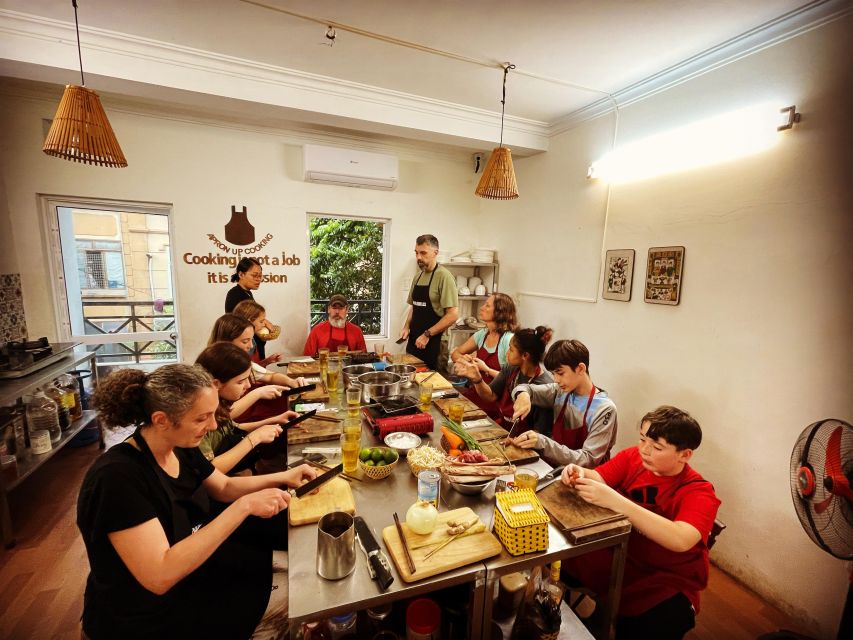
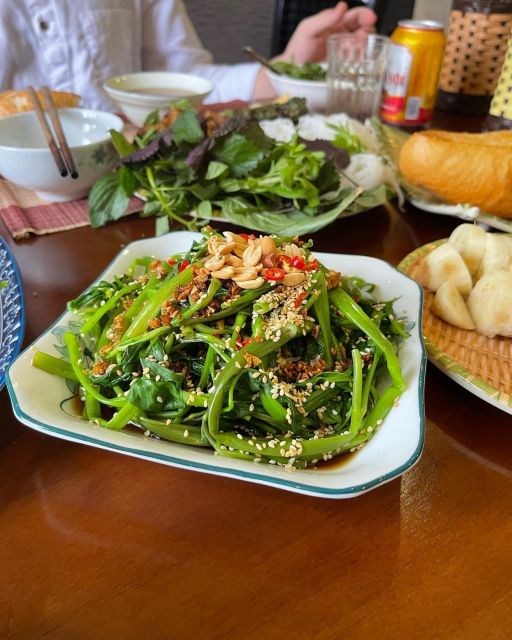
After the preparation and cooking, you sit down for lunch or dinner. The meal includes the five dishes you helped prepare, so the final table feels earned. You are not simply being served a selection of food. You can connect each dish to the chopping, seasoning, rolling, and cooking that came before it.
This is one of the strongest parts of the experience. The class is structured around a shared meal, and the teamwork continues when everyone sits down together. It is a natural way to meet people from other countries without forcing awkward conversation.
The food itself receives the most praise. Participants have described dishes made in class as some of the best pho and spring rolls they ate in Vietnam. That does not mean every plate will be perfect, but the combination of fresh ingredients, direct instruction, and eating immediately after cooking gives the meal a special appeal.
Tea, homemade rice whisky, and seasonal fruit are also included. The rice whisky is a small cultural extra rather than the focus of the class. You can sample it along with the fruit, then settle into the meal and talk with your guide and cooking partners.
The lunch or dinner timing depends on the session you book. Check the available starting times carefully, since the activity is offered in either format. A meal after a morning class may work well before an afternoon of sightseeing, while an evening session can serve as both activity and dinner.
What the $40 price really covers
At $40 per person, this is a solid-value experience if you want more than a restaurant meal. The price includes an English-speaking instructor, the market visit, ingredients, cooking tools, five dishes, lunch or dinner, tea, rice whisky, fruit, a cookbook, and a certificate.
The cookbook is especially useful. It gives you a way to recreate the recipes at home, and several people valued it as the best souvenir from the class. The certificate is more of a keepsake, but it adds a cheerful finish to the session.
You are also paying for guidance and organization. The ingredients are handled for you, the tools are ready, and the class moves from shopping to preparation to dining without requiring you to arrange separate activities. A private session may even happen if no other people book that time, though you should not count on that result.
The value is strongest for people who enjoy food, want a social activity, or plan to cook Vietnamese dishes after returning home. If you only want to taste Hanoi specialties, a restaurant crawl may offer more dishes with less effort. This class asks you to work for your meal, but that work is the point.
The practical drawbacks to consider
The class is not ideal for every schedule or every physical ability. It lasts 3.5 hours, and the combination of walking at the market, standing during preparation, and moving through several recipes may feel demanding if you need frequent rest.
Transportation is not included. You must reach the Apron Up meeting point in the Old Quarter on your own and return there at the end. The class also excludes children under four and is not suitable for wheelchair users, people with mobility impairments, or people over 95.
The menu choices offer variety, but you may not get every listed dish in one session. You choose one of two set menus, and each menu contains a group of five dishes selected from the choices described. If you want to learn both menu sets, book two separate classes.
The class can also feel busy. Five dishes in 3.5 hours is an ambitious plan, even with good organization. That pace works well for an energetic introduction, but it leaves less room for long explanations or relaxed market browsing.
Still, the guides appear to manage the flow well. The activity has been described as well organized, with clear demonstrations and support that keeps the cooking moving. If you prefer a slow, highly technical lesson focused on one dish, this is not that. If you want a lively overview with plenty to eat, it fits better.
Who will enjoy this Hanoi cooking class most?
I would recommend this class to food-focused visitors who want to understand Vietnamese cooking from the inside. It suits solo participants, couples, families with older children, and people who enjoy meeting others around a shared table.
Beginners should feel comfortable booking. Several instructors have been praised for patience, clear explanations, and help for cooks with different levels of experience. You do not need to be confident in the kitchen to take part.
Vegetarians also have a good reason to consider it, since the dishes can be adapted. The experience is also a strong choice for anyone who wants practical memories from Hanoi rather than another sightseeing stop. You leave with recipes, new food vocabulary, and techniques that can be used at home.
I would be more cautious if you dislike group activities, have trouble standing or walking, or want complete control over the menu. The market and shared meal are central to the experience, not optional extras.
Should you book Apron Up Cooking Class?
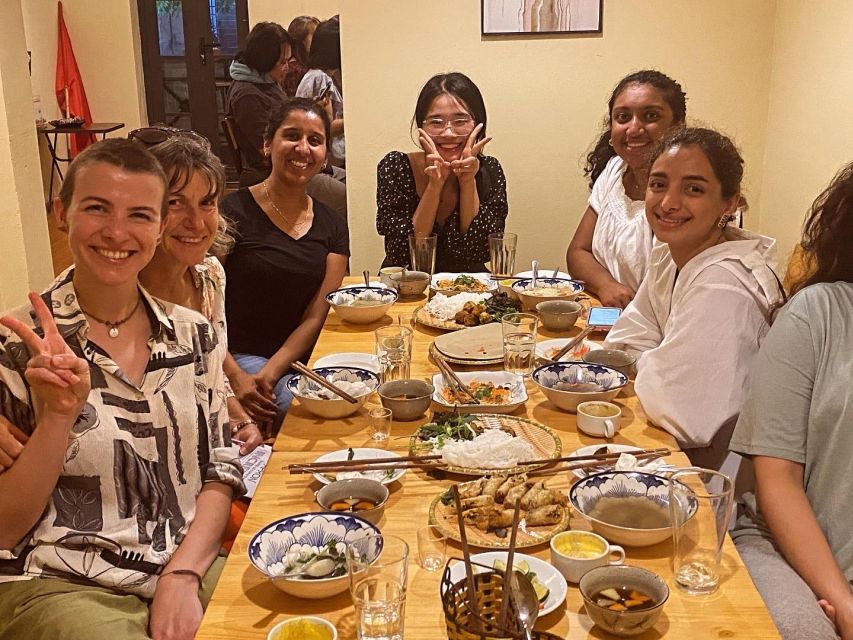
Yes, if you want a friendly, practical introduction to Hanoi food at a fair price. The market visit gives context, the cooking keeps you involved, and the final meal rewards your effort. The cookbook makes the experience useful after your trip, while tea, fruit, rice whisky, and the certificate add a pleasant finish.
Book it if you can manage the walking and active cooking schedule. Choose your menu carefully, allow time to reach the Old Quarter meeting point, and mention vegetarian needs in advance. I would choose the pho, spring roll, papaya salad, bun cha, and egg coffee menu for a first Hanoi visit, then take the second class later if you want a wider set of recipes.
FAQ
Where does the cooking class begin?
The class begins at Apron Up Cooking Class in Hanoi’s Old Quarter. Look for the large Apron Up sign in front of the venue.
Where does the activity finish?
The activity ends back at the same meeting point.
How long does the experience last?
The cooking class and market visit take about 3.5 hours. Starting times depend on availability.
What is included in the $40 price?
The price includes an English-speaking instructor, the market visit, ingredients, tools, five dishes, lunch or dinner, tea, rice whisky, fruit, a cookbook, and a certificate.
Is transportation included?
No. You must arrange your own transportation to and from the meeting point.
Can vegetarian participants join?
Yes. The two set menus can be adapted for vegetarian diets.
Which dishes can I learn to make?
Depending on the menu, dishes include banh xeo pancakes, bun cha, pork rib noodle soup, beef fresh rolls, chicken salad, banana ice cream, pho, fried spring rolls, papaya salad, and egg coffee.
Is the class suitable for young children or wheelchair users?
Children under four are not permitted. The activity is also not suitable for wheelchair users or people with mobility impairments.
More Market Visits
- Hanoi: Old Quarter Market Tour and Cooking Class with Meal
★ 4.8 · 192 reviews - Local Market Tour and Private Cooking Class
★ 5.0 · 104 reviews - Hanoi Cooking Class: Market Tour, Free Liquor & Coffee Tasting
★ 5.0 · 86 reviews - Cooking class with market visit
★ 5.0 · 49 reviews
More Cooking Classes
- Rose Kitchen Hanoi: Market, Cooking & Culture Tour + Free PickUp
★ 5.0 · 342 reviews - Hanoi Maya Kitchen: Traditional Cooking Class & Market Tour
★ 5.0 · 287 reviews - Hanoi Cooking Class: Pho/Bun Cha/Banh Xeo…+Free Egg/Salt Coffee
★ 5.0 · 267 reviews - Private Cooking Class with 5 dishes of your choice
★ 5.0 · 227 reviews
Just added around Hanoi
- Private Ninh Binh Full Day (Bich Dong -Tam coc -Mua cave- Biking)★ 5.0 · 32 reviews
- Hanoi: Make 6 Iconic Coffees in a Heritage Home with Locals★ 5.0 · 32 reviews
- Retro Hop-on-hop-off Bonbon City Tour: Classic Package★ 4.0 · 32 reviews
- 15-Day Vietnam Itinerary All in One | Travel Package 2026-2027★ 5.0 · 32 reviews
- 10-Day Vietnam Discovery from North to South | Best Packages★ 5.0 · 32 reviews
- Verdure Lotus Classic Cruise in Halong Bay & Lan Ha Bay (2D1N)★ 4.0 · 32 reviews
- Full-day Guided Meditation Experience in Ha Noi★ 5.0 · 33 reviews
- Private Transfers Hanoi <=> Halong One Way by Limousine Vehicles★ 5.0 · 33 reviews
Cooking Classes, compared.
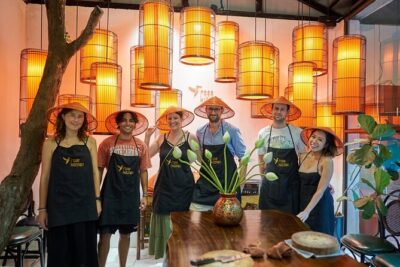
Hanoi Cooking Class: Culture, Local Market & Meaning CSR Impact
Read our review →
5 Traditional Dishes Hanoi Cooking Class with Market Trip
Read our review →
Cooking Class Hoi An:Local Market, Basket Boat, Fishing & Cooking
Read our review →
Hoi An Cooking Class(Market,BasketBoat Crabfishing&Cooking Class)
Read our review →
Mekong Delta Boat,Khotcake cooking Coconut Village,SmallGroup
Read our review →
Market Tour, Basket Boat Ride and Cooking Class
Read our review →
Cai Be Mekong Delta Tour: Cooking Class, Cycling & Craft Villages
Read our review →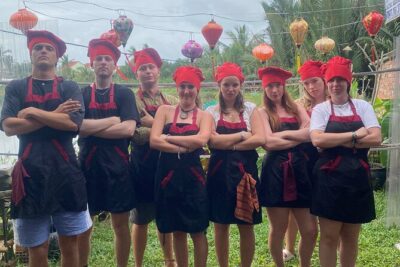
Hoi An Cooking Class(Local market,Basket Boat,Fishing & Cooking)
Read our review →Browse the lists this tour appears in