
Reviewed · COOKING CLASSES
Hanoi Maya Kitchen: Traditional Cooking Class & Market Tour
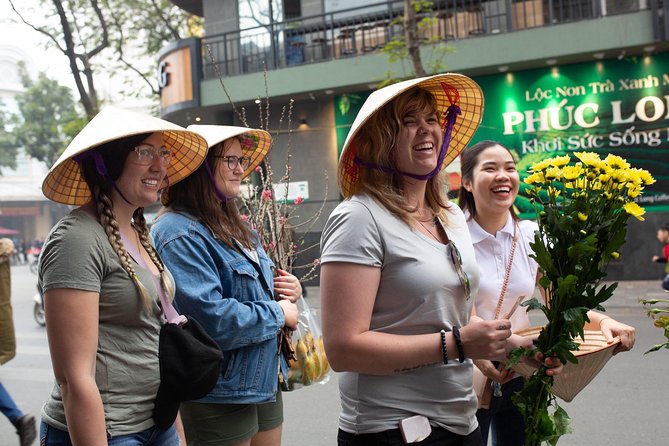
Food is the quickest way into Hanoi. This four-hour class pairs a visit to Yen Thai Market with hands-on cooking, so you see the ingredients before turning them into fried spring rolls, papaya salad, pho rolls, and mixed pho. I like the market stop because it connects the meal to ordinary local shopping, and I like the generous menu, which finishes with egg coffee, seasonal fruit, and one drink.
The strongest part is the step-by-step teaching, especially for spring rolls, where your hands need to learn the right pressure. The main thing to consider is the meeting-point information: one detail names 38 P. Bat Su, while another refers to the Crossing Vietnam Tour office at 47 Hang Bong Street. Confirm the exact address before setting out.
In This Review
- Key Points Before You Book
- Starting Near Hanoi’s Old Quarter
- Yen Thai Market: Ingredients Before Instructions
- Making Nem Ran, Hanoi’s Fried Spring Rolls
- Balancing Sour and Sweet Papaya Salad
- Pho Cuon and Pho Tron at the Same Table
- Egg Coffee and Seasonal Fruit
- Teachers Who Add More Than Recipes
- A Four-Hour Format With a Full Meal
- Is $30 a Fair Price?
- Who Will Enjoy This Class Most?
- Practical Details Before You Go
- Should You Book Hanoi Maya Kitchen?
- FAQ
- How long does the Hanoi Maya Kitchen experience last?
- Where does the activity start?
- Which market does the class visit?
- What dishes will I make?
- Is dessert included?
- Is a drink included?
- Is a market tour part of the price?
- Is transportation included?
- What happens if I need to cancel?
Key Points Before You Book
- Yen Thai Market comes first: You see fresh ingredients, local food shopping, and possible ingredient substitutes before cooking.
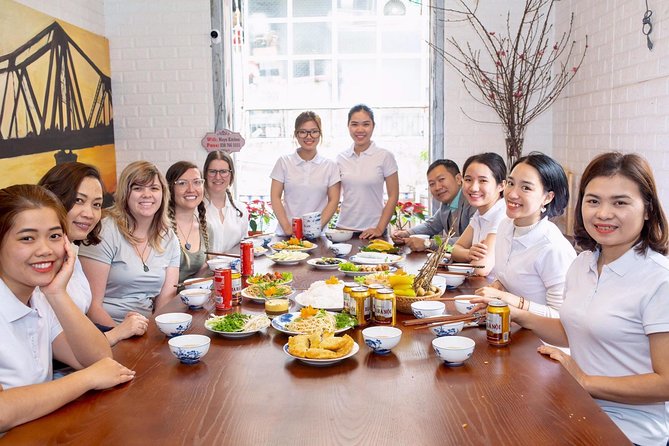
- Five Vietnamese specialties are included: The menu covers papaya salad, fried spring rolls, pho rolls, mixed pho, and egg coffee, followed by seasonal fruit.
- Spring rolls require hands-on work: Your instructor guides you through making even, tidy rolls rather than simply demonstrating them.
- Named instructors have earned high praise: Iris, Aurora, and Ruby are specifically mentioned for clear teaching, local stories, singing, and useful food suggestions.
- The $30 price covers the meal and class: It also includes market food buying, a recipe, one drink, and a local wine tasting.
- The group can reach 15 people: That keeps the price low, but a larger class may mean less personal attention at the worktable.
Starting Near Hanoi’s Old Quarter
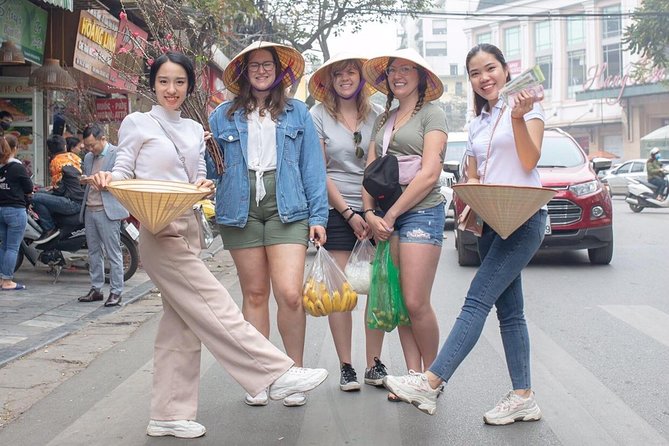
The class begins near the Old Quarter, with the market and kitchen close enough to fit into a compact half-day. The stated duration is about four hours, which gives you time for shopping, preparation, cooking, eating, and conversation without taking over your whole day.
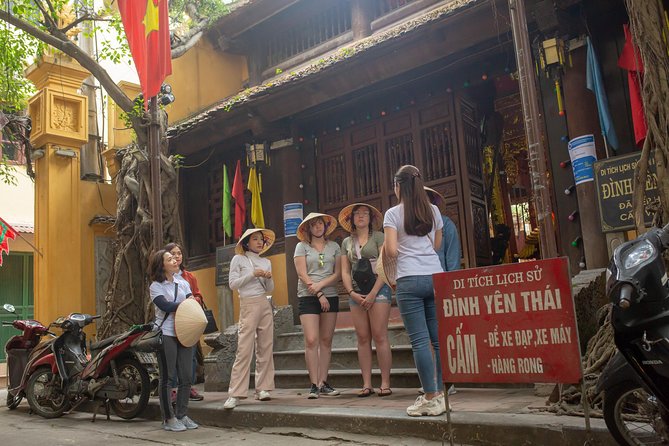
The booking details give two meeting references. The stated starting point is 38 P. Bat Su, Hang Bo, Hoan Kiem, Hanoi, while the included-service information names the Crossing Vietnam Tour office at 47 Hang Bong Street. Since both addresses are in the Old Quarter but are not the same, I would confirm the precise meeting spot and arrival instructions before the class.
Pick-up and drop-off are not included. You make your own way to the meeting point, and the class ends back there. The activity is near public transportation, which is useful in central Hanoi, though you still need to allow time to find the correct office in the narrow Old Quarter streets.
The class accepts mobile tickets, and confirmation is provided at booking. A maximum of 15 people is listed. That is a reasonable group size for a budget cooking lesson, though your experience may feel more personal with a smaller group.
More Cooking Classes in Hanoi
- Hanoi Cooking Class: Culture, Local Market & Meaning CSR Impact
★ 5.0 · 5,147 reviews - 5 Traditional Dishes Hanoi Cooking Class with Market Trip
★ 5.0 · 4,890 reviews - Vietnamese Food Cooking Class in Hanoi with Market Experience
★ 5.0 · 778 reviews
Yen Thai Market: Ingredients Before Instructions
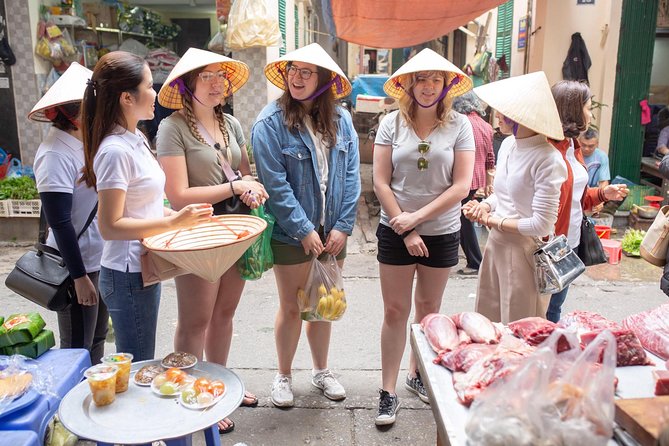
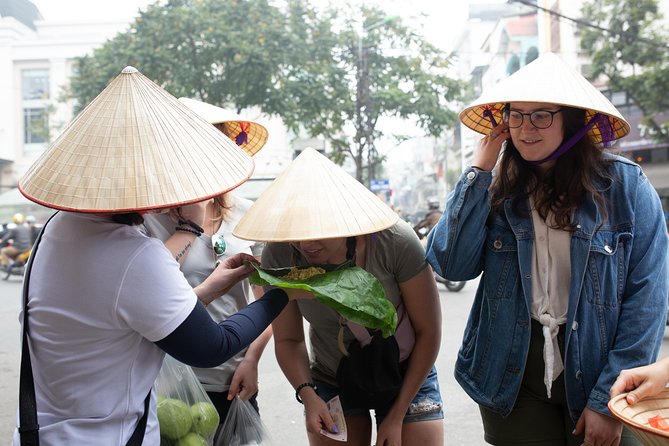
The market visit is more than a quick shopping errand. You go to Yen Thai Market, described as a nearby local market, to buy the food used in class and get a better feel for Vietnamese ingredients.
This matters because many Vietnamese dishes depend on balance rather than a long list of complicated steps. Sour, sweet, salty, fresh, crisp, and aromatic elements all need to work together. Seeing the produce and other ingredients first helps you understand what gives each dish its character.
The instructor also discusses substitutes. That is a useful touch for anyone who wants to repeat the recipes at home, since you may not have access to every Vietnamese ingredient after leaving Hanoi. Instead of treating the food as a set of mysterious restaurant formulas, the class helps you think about what can be replaced and what should remain central.
The market stop also gives the class a stronger local feel than a kitchen-only lesson. You see where the food begins, then work with it shortly afterward. I would keep this part observational and practical. It is not presented as a major sightseeing stop, so you should not expect a long guided tour of the market’s history or every section.
The supplied details refer to Yen Thai Market in the itinerary and Hang Da Market in the stop heading. Since those names differ, confirm which market you will visit. This is another small detail worth sorting out before the morning or afternoon begins.
Making Nem Ran, Hanoi’s Fried Spring Rolls
Fried spring rolls, called Nem Ran, are the most technique-focused part of the menu. The instructor begins with this dish and takes you through the process step by step.
The key skill is rolling. You need flexible fingers and a light, even touch to make rolls that hold together and cook well. The class specifically treats this as a dish associated with holidays and family gatherings, so it carries more meaning than a simple snack.
I like that you do not just watch a demonstration. You make the rolls yourself, which lets you see how much filling to use and how firmly to wrap the pastry. Small mistakes become useful lessons. A roll that is too loose or uneven can teach you more than a perfect example made by the instructor.
Spring rolls are also a good choice for a cooking class because the finished result is easy to share. Once fried, they give the meal a crisp contrast to the fresh salad and noodle dishes.
One practical point: the class includes plenty of food across the whole menu. One attendee advised skipping breakfast because there is enough to eat, while another family of four had more than enough food and used containers to take some away. I would not arrive hungry enough to feel uncomfortable, but you should plan for a substantial meal.
Balancing Sour and Sweet Papaya Salad
The papaya salad, Nom Du Du, shifts the focus from rolling to flavor. The main taste balance is sour and sweet, and the dish shows how Vietnamese food can feel fresh and lively without being heavy.
This is a useful lesson for home cooks because the ingredients are not doing all the work by themselves. You learn to adjust the balance. Depending on your own taste, you may want more sourness, sweetness, or another seasoning element, and the instructor can guide you through the result.
The menu lists Nom Du Du twice in the supplied details, but it is one papaya salad course. Along with the spring rolls, it gives you two very different textures: crisp fried food and a fresh salad.
I would pay close attention here if you want to recreate the meal. The recipe is included, but written instructions alone cannot always show how a balanced dressing should taste. The class gives you a reference point, so you can make sensible adjustments later.
A few more Hanoi trips worth weighing up
- Hanoi Coffee Workshop: Taste Salt, Coconut and Egg Coffee
★ 5.0 · 1,286 reviews - Hanoi: Salt Coffee Workshop Awake Your Senses With 6 Brews
★ 5.0 · 792 reviews - Hanoi: Handcrafted Wood Carving Workshop with Local Artisan
★ 5.0 · 733 reviews - Hanoi: 5 Local Dishes Cooking Class with Meal & Market Visit
★ 5.0 · 420 reviews
Pho Cuon and Pho Tron at the Same Table
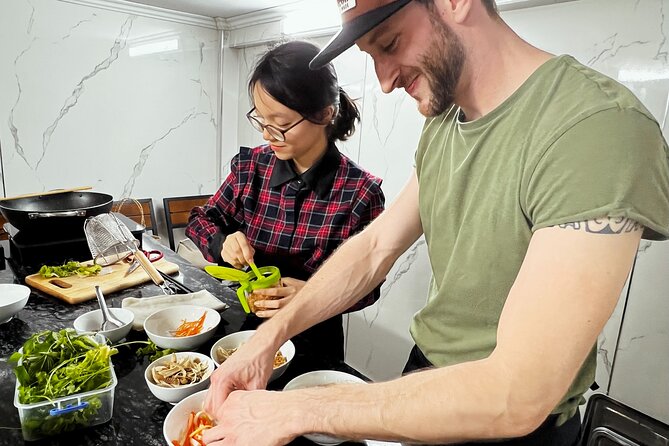
The remaining main dishes are Pho Cuon, or pho rolls, and Pho Tron, or mixed pho. Both use familiar pho-related ingredients in a form that differs from the steaming bowl many people first associate with Hanoi.
Pho rolls offer another hands-on task. You work with soft rice noodle sheets and fillings, then assemble them into rolls. The process rewards care, since the sheets can be delicate. It is a good contrast with the spring rolls, where the goal is an even wrap that can be fried.
Mixed pho gives you a different way to think about noodles. Rather than serving the ingredients in a broth, the dish combines them with its seasonings and toppings. The menu does not provide a full ingredient list or detailed preparation method, so I would ask the instructor about the components you especially enjoy.
Together, these dishes make the class feel like a meal rather than a single-recipe workshop. You get a range of textures and preparation methods, and you can compare the dishes as you eat them.
Egg Coffee and Seasonal Fruit
Vietnamese egg coffee, or Cafe Trung, is the most distinctive finish. The class includes making it as part of the cooking session, not merely ordering it at the end.
Egg coffee is known for its creamy egg mixture paired with coffee, and preparing it yourself makes the drink more memorable. It also gives the class a sweet finish after the savory dishes. The exact technique and ingredients are not fully detailed, so you should expect the instructor to demonstrate the method in person.
Several instructors received specific praise for the egg coffee lesson. One class was described as especially enjoyable because making egg coffee was part of the appeal, while another praised the full menu and teaching. That suggests this is not an afterthought squeezed into the last few minutes.
Seasonal fruit comes as dessert. Because the fruit changes with availability, it is best viewed as a simple local finish rather than a fixed dish. One drink is also included, with water, tea, or coffee listed as the choices.
Teachers Who Add More Than Recipes
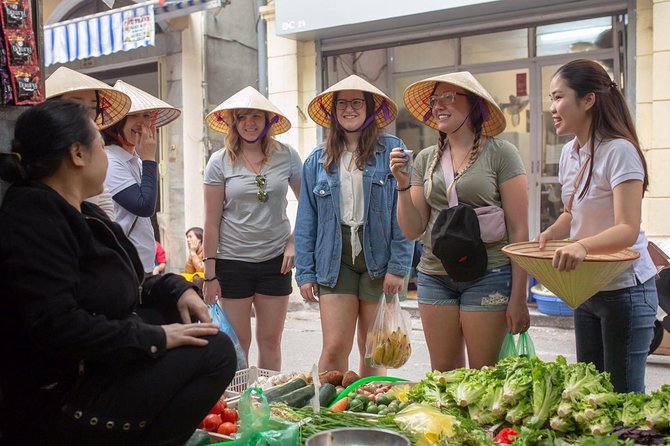
The instructor can shape the whole class. Iris is praised for taking the group through the market and then giving clear, step-by-step kitchen guidance. Aurora is noted for sharing stories about Vietnam and even adding some singing to the session. Ruby is praised for her teaching, the food, and helpful suggestions for local places to eat.
Those details matter because the class is not only about taking home recipes. A good instructor helps you understand why the dish is prepared in a certain way, answers questions, and keeps the pace comfortable while several dishes are underway.
The singing is not promised as a standard part of every session, so treat it as a possible personal touch rather than a scheduled feature. The same applies to restaurant recommendations. Ruby is specifically praised for sharing local places to try, but the experience guarantees an English-speaking instructor, not a particular guide or a fixed list of dining tips.
If you have food preferences or questions about substitutions, raise them at the start. The market visit already includes discussion of ingredient alternatives, making this a natural time to ask what can be changed.
A Four-Hour Format With a Full Meal
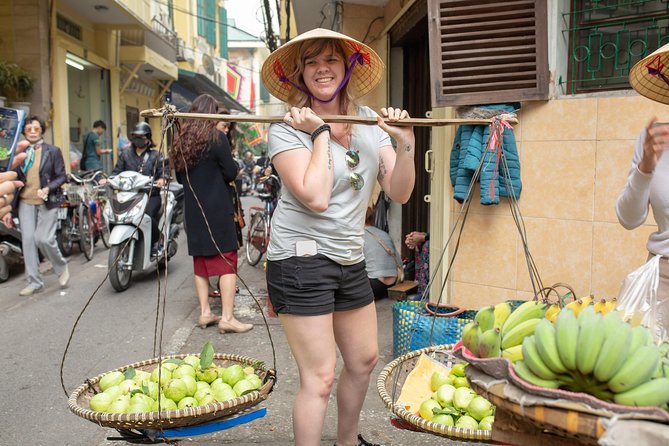
The schedule follows a sensible order:
- Welcome at the meeting point
- Walk or travel to the nearby market
- Buy ingredients and discuss Vietnamese food
- Move to the kitchen
- Prepare fried spring rolls
- Make papaya salad
- Prepare pho rolls and mixed pho
- Make egg coffee
- Eat the meal together
- Finish with seasonal fruit and a drink
The exact timing for each step is not stated. A four-hour estimate is long enough for a relaxed class, but the pace may depend on group size and how much help each person needs.
The maximum of 15 people is worth noting. A group that size can create a lively room and keep the cost down, but you may share work surfaces and wait briefly for help. If your priority is private instruction, this may not be the right format unless you can confirm a smaller group for your date.
The meal is served after you have made the dishes. That creates a clear reward at the end, and it also lets you taste the results while the techniques are still fresh in your mind.
Is $30 a Fair Price?
At $30 per person, this is good value if you want both a food lesson and a meal in central Hanoi. The fee covers the local market tour, ingredient buying, an English-speaking instructor, all listed food, seasonal fruit, one drink, local wine tasting, and a cooking recipe.
The value is strongest for people who would otherwise pay separately for lunch and a market visit. You are not only eating four dishes. You are also learning how to roll spring rolls, balance papaya salad, assemble pho rolls, prepare mixed pho, and make egg coffee.
The price does not include transport to or from the meeting point. That is normal for a centrally located class, but you should include your own transport cost and time when comparing options.
Local wine tasting is included, though no details are given about the wine or the amount served. If that element matters to you, ask the provider for clarification. The core value remains the food preparation and meal.
Who Will Enjoy This Class Most?
I would recommend this experience to first-time visitors who want a practical introduction to Vietnamese cooking without committing a full day. It suits couples, families, and small groups who enjoy eating what they make.
Families may find the range of dishes useful because there is plenty to share, and the hands-on work gives different people a chance to take part. One family had enough food to pack some away, which is a good sign for anyone who prefers a generous meal.
It also suits home cooks. The recipe, market visit, ingredient guidance, and substitute suggestions give you a better chance of repeating the dishes later.
You may want to choose another activity if you dislike group classes, have strict dietary requirements that have not been discussed in advance, or want a highly specialized lesson focused on one dish. The supplied information does not promise dietary adaptations, private instruction, or a particular instructor.
Practical Details Before You Go
The activity runs for approximately four hours and ends back at the meeting point. A mobile ticket is accepted, and confirmation arrives at booking.
Free cancellation is available if you cancel at least 24 hours before the local start time. Cancellations within 24 hours are not refunded, and changes inside that window are not accepted.
Service animals are allowed. The activity is near public transportation. No hotel pick-up or drop-off is included, so confirm the office address carefully, especially because the supplied meeting information lists both 38 P. Bat Su and 47 Hang Bong Street.
The class is capped at 15 people. Ask about the expected group size if personal attention matters to you. Also confirm the market name, since the details identify Yen Thai Market in one place and Hang Da Market in another.
Should You Book Hanoi Maya Kitchen?
Book it if you want an affordable, food-centered introduction to Hanoi with real participation rather than a demonstration from the sidelines. The market visit, five-part menu, egg coffee, recipe, and full meal make the $30 fee easy to justify.
The best reasons to choose it are the practical spring-roll lesson, the chance to shop for ingredients before cooking, and the instructors’ personal touches. Iris, Aurora, and Ruby are all associated with particularly warm teaching moments, though your guide may be someone else.
Before paying, confirm the exact meeting address, the market location, and any dietary needs. If those details suit you, this is a friendly and filling way to spend half a day in Hanoi, with skills you can carry into your own kitchen.
FAQ
How long does the Hanoi Maya Kitchen experience last?
The class lasts approximately four hours, including the market visit, cooking lesson, and meal.
Where does the activity start?
The stated meeting point is 38 P. Bat Su, Hang Bo, Hoan Kiem, Hanoi. The service details also refer to the Crossing Vietnam Tour office at 47 Hang Bong Street, so confirm the exact address before arrival.
Which market does the class visit?
The detailed schedule names Yen Thai Market. Another activity detail identifies Hang Da Market, so you should confirm the market location with the provider.
What dishes will I make?
The menu includes Nom Du Du papaya salad, Nem Ran fried spring rolls, Pho Cuon pho rolls, Pho Tron mixed pho, and Cafe Trung egg coffee.
Is dessert included?
Yes. Seasonal fruit is included as dessert.
Is a drink included?
Yes. One drink is included, with water, tea, or coffee listed as the options.
Is a market tour part of the price?
Yes. The price includes a local market tour and food buying before the cooking class.
Is transportation included?
No. Pick-up and drop-off are not included. You are responsible for reaching the meeting point, and the activity ends back there.
What happens if I need to cancel?
You receive a full refund if you cancel at least 24 hours before the experience’s local start time. Cancellations or changes made within 24 hours are not accepted, and the amount paid is not refunded.
More Market Visits
- Hanoi: Old Quarter Market Tour and Cooking Class with Meal
★ 4.8 · 192 reviews - Local Market Tour and Private Cooking Class
★ 5.0 · 104 reviews - Hanoi Cooking Class: Market Tour, Free Liquor & Coffee Tasting
★ 5.0 · 86 reviews - Cooking class with market visit
★ 5.0 · 49 reviews
More Cooking Classes
- Hanoi Cooking Class and Market Tour in Ancient House
★ 5.0 · 379 reviews - Rose Kitchen Hanoi: Market, Cooking & Culture Tour + Free PickUp
★ 5.0 · 342 reviews - Hanoi Cooking Class: Pho/Bun Cha/Banh Xeo…+Free Egg/Salt Coffee
★ 5.0 · 267 reviews - Private Cooking Class with 5 dishes of your choice
★ 5.0 · 227 reviews
Just added around Hanoi
- Hanoi: Make 6 Iconic Coffees in a Heritage Home with Locals★ 5.0 · 32 reviews
- Private Ninh Binh Full Day (Bich Dong -Tam coc -Mua cave- Biking)★ 5.0 · 32 reviews
- 15-Day Vietnam Itinerary All in One | Travel Package 2026-2027★ 5.0 · 32 reviews
- Retro Hop-on-hop-off Bonbon City Tour: Classic Package★ 4.0 · 32 reviews
- Verdure Lotus Classic Cruise in Halong Bay & Lan Ha Bay (2D1N)★ 4.0 · 32 reviews
- 10-Day Vietnam Discovery from North to South | Best Packages★ 5.0 · 32 reviews
- Full-day Guided Meditation Experience in Ha Noi★ 5.0 · 33 reviews
- Private Transfers Hanoi <=> Halong One Way by Limousine Vehicles★ 5.0 · 33 reviews
Cooking Classes, compared.
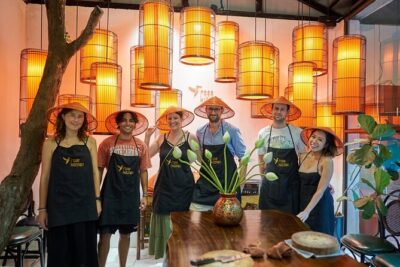
Hanoi Cooking Class: Culture, Local Market & Meaning CSR Impact
Read our review →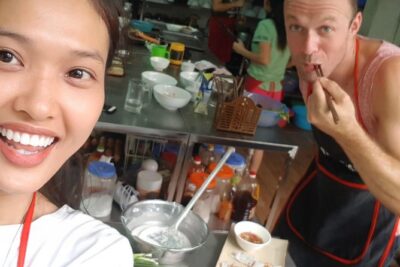
5 Traditional Dishes Hanoi Cooking Class with Market Trip
Read our review →
Cooking Class Hoi An:Local Market, Basket Boat, Fishing & Cooking
Read our review →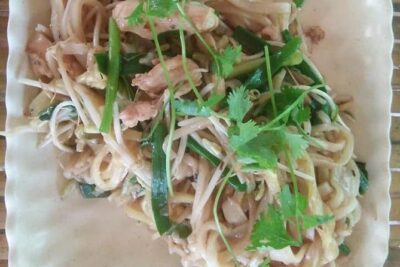
Hoi An Cooking Class(Market,BasketBoat Crabfishing&Cooking Class)
Read our review →
Mekong Delta Boat,Khotcake cooking Coconut Village,SmallGroup
Read our review →
Market Tour, Basket Boat Ride and Cooking Class
Read our review →
Cai Be Mekong Delta Tour: Cooking Class, Cycling & Craft Villages
Read our review →
Hoi An Cooking Class(Local market,Basket Boat,Fishing & Cooking)
Read our review →Browse the lists this tour appears in