

Reviewed · HIKING & TREKKING
2 Day 1 Night Trek
Sapa rewards walkers who slow down. This two-day trek trades busy streets for rice terraces, mountain villages, and Muong Hoa Stream, with a private English-speaking guide who can explain local life as you walk. I especially like the choice between an easier route and a more remote tribal trek, plus the chance to stay with a local family rather than simply passing through.
I also like the flexible pace. Guides such as Giang and Xa can offer easy, medium, or hard walking options, which matters when the hills begin to test your legs. The main consideration is physical effort: you need a moderate fitness level, and the weather can affect the schedule.
In This Review
- Key points before you book
- Why this two-day Sapa trek works
- Day one: terraces, streamside paths, and a Black Hmong village
- The overnight stay and its real value
- Day two: bamboo forest, waterfalls, and Ta Van Village
- How hard is the walking?
- Why the guide makes or breaks the experience
- Is $105 a fair price?
- Who should book this trek?
- Should you book Sapa Tribal Trekking?
- FAQ
- Where does the trek begin?
- Where is the listed meeting point?
- How long does the experience last?
- Is this a private tour?
- What will I see on the first day?
- What happens on the second day?
- Where do I stay overnight?
- How difficult is the trek?
- Are English-speaking guides provided?
- Can I cancel for a refund?
Key points before you book
- Private guiding from 9 a.m.: Your own English-speaking native guide meets you in Sapa, at your hotel, homestay, or Lao Cai train station.
- Rice terraces and Muong Hoa Stream: The first day takes you through some of the area’s most recognizable rural scenery.
- Black Hmong and Zay culture: Village walks offer context about local tribes, homes, farming, and daily life.
- One night with local hosts: You can stay in a homestay with Wi-Fi and hot showers or choose a local house with a family.
- Flexible walking difficulty: Guides can adjust the route between easy, medium, and hard sections.
- Good value at $105: The price covers a private two-day experience with guiding and an overnight local stay, though the exact inclusions should be confirmed before booking.
Why this two-day Sapa trek works
Sapa is easy to experience badly. You can arrive, snap a few pictures of the terraces, and leave without learning much about the people who farm them. This trek gives you time to walk between villages, stop to look around, and spend an evening with local hosts.
The private format is a major advantage. You are not tied to a large group moving at one fixed speed. If you are tired, your guide can point you toward an easier route. If your legs feel strong, you can take on more demanding sections. That flexibility is especially useful in Sapa, where short distances can still involve steep paths.
Your guide is not simply there to lead the way. The guides speak excellent English and can discuss Sapa’s history, culture, surroundings, and tribal communities. Giang is praised for sharing detailed information during the walk, while Xa is noted for her patience and ability to offer different levels of difficulty.
The route also aims to avoid the most heavily used tourist paths unless you request otherwise. That does not mean you will have the mountains to yourself, but it gives the day a more rural feel.
More Hiking and Trekking Tours in Hanoi
- Halong Bay Full Day with Kayaking, Hiking viewpoint, Cave – Deluxe To Luxury
★ 5.0 · 884 reviews - From Hanoi: 2-Day Sapa Trekking Trip with Homestay & Meals
★ 4.8 · 704 reviews - Sapa 3 Days 2 Nights Trekking Tour (1 Night In Ta Van Village, 1 Night In Hotel)
★ 5.0 · 699 reviews
Day one: terraces, streamside paths, and a Black Hmong village
The first morning begins at 9 a.m. Your guide meets you at the listed meeting point at 690 Đường Điện Biên Phủ in central Sapa, or at your Sapa hotel or homestay. Pickup is also offered from Lao Cai train station, the closest station to Sapa.
That station option is useful if you arrive by overnight train. Still, you should arrange the meeting details clearly before departure, since Lao Cai and Sapa are separate places. The experience ends back at the meeting point after the second day.
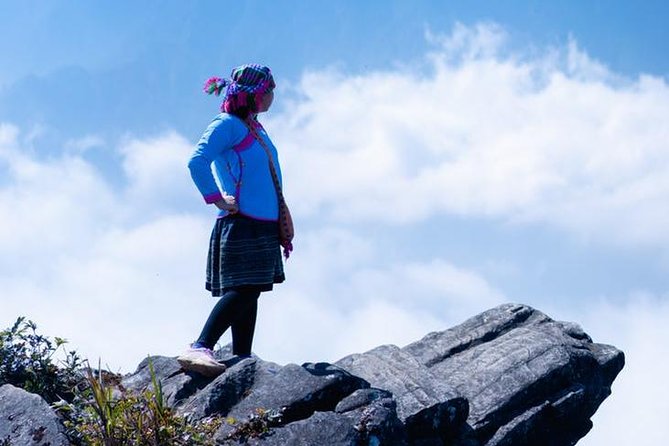
The opening walk takes you through rice terraces and along Muong Hoa Stream. These terraces are not just scenic decoration. They are working farmland shaped into the hills, and walking beside them gives you a better sense of how much effort goes into producing food on steep ground.
The streamside section should provide a quieter contrast to Sapa town. Instead of traffic, shops, and hotel signs, you get paths through rural settlements and open mountain views. Your guide can explain how the area’s communities use the land and how different groups live in the region.
The route continues to a Black Hmong village. The supplied details do not specify every stop or the exact walking distance, so you should ask for a current route outline if you need to plan around a strict schedule. The important point is that the village walk is part of the day, not a quick roadside photo stop.
Black Hmong communities are one of the cultural anchors of the Sapa region. With a local guide, you can ask questions about village life, farming, clothing, family traditions, and the changes brought by tourism. The quality of this conversation depends heavily on your guide, which is why the guide choice matters so much here.
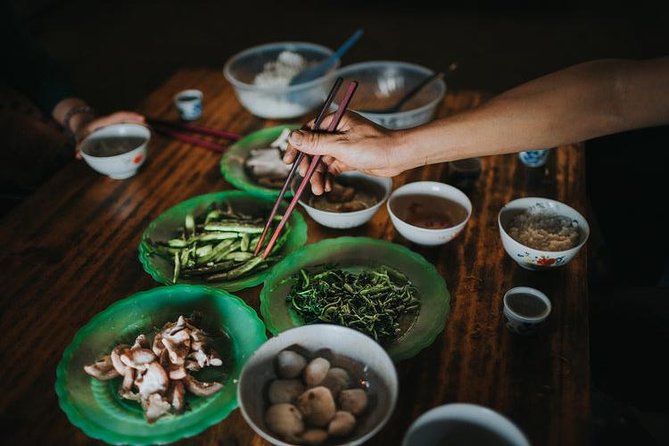
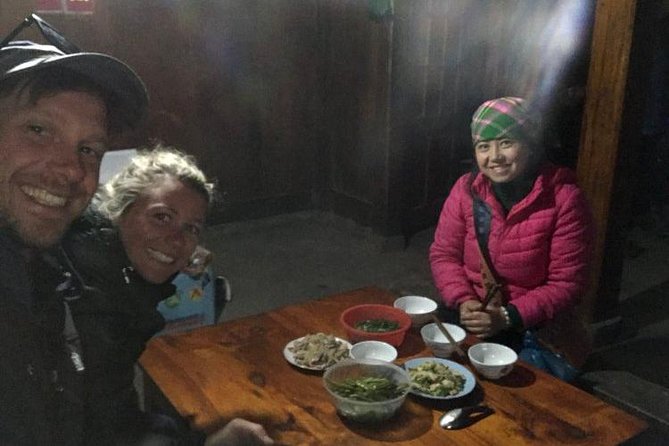
By late afternoon, you reach the overnight accommodation. You can stay in a homestay with Wi-Fi and hot showers, or choose a local house with a local family. The first option gives you a few comforts that are welcome after a day on foot. The second offers a more direct family setting.
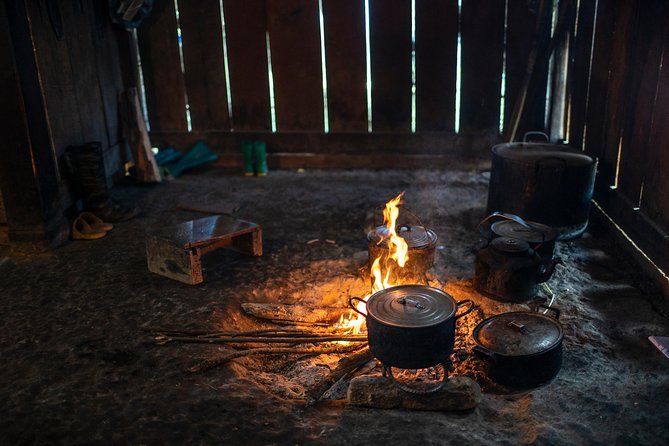
Do not expect a hotel-style evening. The appeal is the chance to sit near an open fire, talk with your hosts, and see how a rural household receives visitors. The accommodations may be simple, but simplicity is part of the point. You are paying for time in the community, not polished resort service.
One useful detail from the available feedback is that the homestay can be clean, with a comfortable bed and basic facilities. That makes a difference after a full day of walking. Even so, I would pack light and bring anything you personally need for comfort, since the experience is built around local homes rather than standard hotels.
The overnight stay and its real value
The overnight stop gives this experience an advantage over a single-day Sapa walk. You are not forced to hurry back to town after seeing the terraces. Instead, the trek has a natural pause, and the evening becomes part of the cultural experience.
The local family arrangement also gives the price a wider purpose. Booking supports local people and helps create paid work in a region where 70 percent of the population is below the poverty line, according to the supplied tour information. That does not turn the trek into charity, nor should it. You still receive a guided walk and accommodation, but your spending reaches the communities you visit.
You should approach the homestay with respect. Ask before taking photographs, listen when your hosts explain their home, and remember that local families are sharing private spaces with you. A friendly attitude will make the evening better for everyone.
Wi-Fi and hot showers are listed as available at the homestay option. These are useful comforts, but they should not be the reason you book. The stronger reason is having a slower evening with local people after seeing the villages on foot.
Day two: bamboo forest, waterfalls, and Ta Van Village
Breakfast is scheduled for 8 a.m. After breakfast, you pack up and say goodbye to your host family. The early start gives you a full second day without making the morning painfully rushed.
The walk continues toward Ta Van Village. Ta Van is associated with the Zay community, and the route gives you a chance to see a different local culture from the Black Hmong village visited on the first day. Comparing the two communities can make the cultural side of the trip more meaningful than visiting only one village.
The day includes beautiful bamboo forests. Bamboo changes the mood of the walk. Rice terraces open the view, while forest paths bring you into shade and make the route feel more enclosed. The exact trail conditions can vary, so sensible footwear is important.
You also trek through waterfalls before meeting members of the Zay tribe. Waterfalls add a physical feature to the day, but the cultural stop is just as important. Your guide can help you understand what you are seeing rather than leaving you to guess at the differences between communities.
Lunch comes in the early afternoon. Since no detailed menu is provided, you should not book this expecting a particular dish or dietary arrangement unless you confirm it first. If you have dietary needs, raise them before the trek begins.
After lunch, the route returns toward the meeting point. The exact finish time is not provided, so avoid scheduling a tight onward connection on the same day. The experience ends back at the starting meeting point in Sapa.
More Hiking and Trekking Tours:
- 3-Day Trekking Adventure of Sapa from Hanoi – Stay Ta Van Village
★ 5.0 · 611 reviews - 3D and 2N Lan Ha Bay Cat Ba Island Kayaking & Trekking with Vega
★ 5.0 · 593 reviews - 2-Day Sa Pa Ethnic Homestay Tour & Trek with Limousine Bus
★ 4.8 · 440 reviews - Hanoi – Sapa 3 Day 2 Night Trekking With Hotel & Homestay
★ 5.0 · 389 reviews
How hard is the walking?
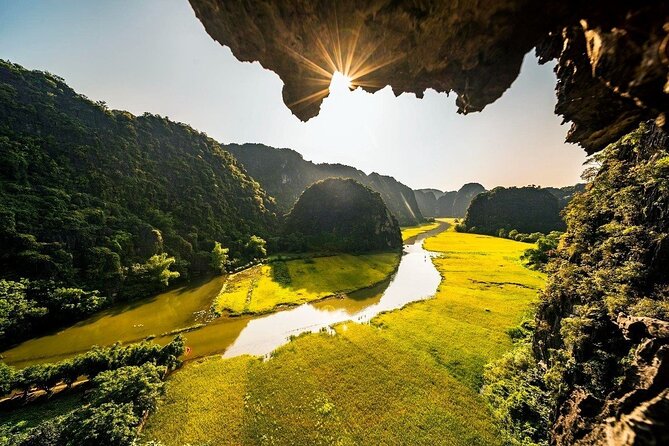
The trek requires a moderate level of physical fitness. That wording matters. This is not presented as a casual city stroll, and the route includes terraces, streams, forests, waterfalls, and village paths.
The good news is that the private format allows your guide to adjust the challenge. Xa is specifically praised for giving easy, medium, and hard options based on energy levels. That can make the difference between an enjoyable day and a miserable one.
Still, route flexibility does not remove the hills. You should be comfortable walking for much of the day and handling uneven rural paths. If you have medical problems, consult your doctor before booking, as the operator advises.
Good shoes are practical. The information does not specify trail conditions or required equipment, but terraces, streamside paths, waterfalls, and bamboo forests are enough reason to avoid smooth city footwear. Pack light, since you will be moving between villages and staying overnight.
Weather also matters. This experience requires good weather, and poor conditions can lead to a new date or a full refund. Sapa’s mountain weather can change, so keep some flexibility in your plans.
Why the guide makes or breaks the experience
The strongest part of this tour is the private guide. The guide determines how much you learn, how comfortable you feel on the paths, and how well the walking level matches your ability.
Giang receives especially strong praise for excellent English, local knowledge, and explanations about history, culture, rice fields, and village life. Xa is praised for patience and for offering different route levels. Those details are more useful than a generic promise of a friendly guide because they point to the practical strengths you need on a two-day walk.
A good guide also helps you avoid treating villages as scenery. The people who live in these communities are not background characters in a mountain postcard. Your guide can explain where you are, who lives there, and how the region functions.
You can request a shorter, easier adventure or a more remote route. I would make that choice before starting, while also telling the guide honestly how much walking you want to do. The best route is not the hardest one. It is the one that leaves you enough energy to enjoy the homestay and second day.
Is $105 a fair price?
At $105 per person, this is not the cheapest way to see Sapa, but it offers more than a short guided walk. You receive roughly two days of private guiding, an overnight stay, village visits, and time with local hosts.
The value is strongest if you care about personal attention and cultural context. A private group means you are not paying to follow strangers at a fixed pace. You can ask questions, request an easier route, and spend more time on subjects that interest you.
The price is less compelling if you want a simple scenic hike and do not care about staying overnight. In that case, a shorter walk may better suit you. The included details do not spell out every meal, transfer, or additional cost, so confirm exactly what the $105 covers before paying.
Group discounts are offered, which may make the experience more attractive for friends or families. Service animals are allowed, and the meeting point is near public transportation. The activity is private, so only your group participates.
Free cancellation is available if you cancel at least 24 hours before the local start time. Changes or cancellations made inside that window are not accepted for a refund. Bad weather is handled separately, with a different date or full refund offered if the operator cancels.
Who should book this trek?
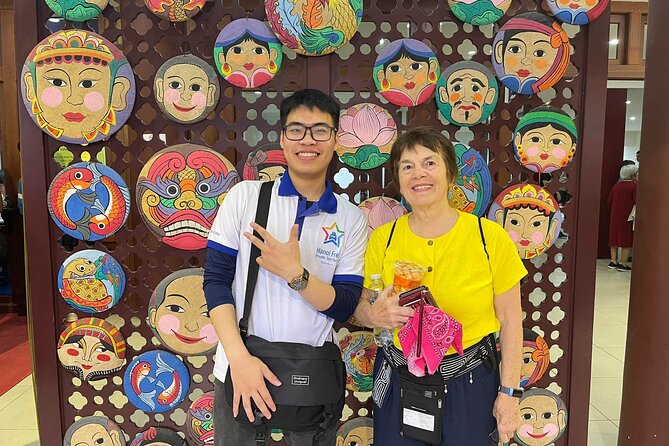
I would choose this for someone who wants Sapa to feel like a place where people live, not just a viewpoint. It suits walkers who enjoy village paths, local meals and conversation, simple accommodation, and a guide who can explain what is happening around them.
It is also a strong fit for couples, families with suitable fitness levels, and small private groups who want control over the pace. The flexible difficulty options are useful, but every member of your party should be ready for moderate walking.
I would hesitate to recommend it to anyone seeking luxury, a fixed finish time, or a very easy outing. The homestay is local rather than upscale, the route is shaped by mountain conditions, and the walking details are not fully specified.
Should you book Sapa Tribal Trekking?
Book it if you want two days of real contact with Sapa’s villages, not just a quick look at the terraces. The private English-speaking guide, flexible route difficulty, Black Hmong and Zay cultural encounters, and local overnight stay make this a thoughtful choice at $105.
Before booking, confirm the precise route, accommodation type, meal details, and expected finish time. If you are comfortable with moderate walking and a simple homestay, this trek offers a good balance of scenery, culture, and local economic support.
FAQ
Where does the trek begin?
The trek begins at 9 a.m. in Sapa. Pickup is available from your hotel or homestay, and pickup can also be arranged from Lao Cai train station.
Where is the listed meeting point?
The listed meeting point is 690 Đường Điện Biên Phủ, TT. Sa Pa, Sa Pa, Lào Cai, Vietnam.
How long does the experience last?
The experience lasts approximately two days and includes one overnight stay.
Is this a private tour?
Yes. Only your group participates in the activity.
What will I see on the first day?
The first day includes rice terraces, Muong Hoa Stream, and a Black Hmong village.
What happens on the second day?
The second day includes a trek to Ta Van Village, bamboo forests, waterfalls, a meeting with the Zay tribe, lunch in the early afternoon, and the return toward the meeting point.
Where do I stay overnight?
You can choose a homestay with Wi-Fi and hot showers or stay in a local house with a local family.
How difficult is the trek?
You should have a moderate level of physical fitness. The guide can offer easy, medium, and hard walking options.
Are English-speaking guides provided?
Yes. You will be accompanied by an English-speaking native private guide.
Can I cancel for a refund?
You can receive a full refund if you cancel at least 24 hours before the local start time. Poor weather may result in a different date or a full refund if the experience is canceled.
More 2-Day Experiences
- Amanda Cruise – Ha Long, Lan Ha Bay – All Inclusive 2D1N & 3D2N
★ 5.0 · 4,358 reviews - Hanoi: 2-Day Halong & Lan Ha Bay 5-Star Cruise with Balcony
★ 4.8 · 3,300 reviews - Halong Bay – Le Journey Cruises – All Inclusive 2D1N and 3D2N
★ 5.0 · 2,500 reviews - Mon Chéri Cruise 5 star: Unique 2 Days Tuan Chau – Halong bay – Lan Ha Bay
★ 5.0 · 2,422 reviews
More Evening Experiences
- Sapa 2 Days 1 Night From Hanoi – Overnight in Ta Van Village
★ 5.0 · 2,669 reviews - Hanoi Motorbike Tours Led By Women: Hanoi By Night Foodie Motorbike Tours
★ 5.0 · 1,734 reviews - From Hanoi: Ha Long – Bai Tu Long Bay 2-Day 1-Night Cruise
★ 4.6 · 1,113 reviews - Halong Bay Cruise 2 days 1 night from Hanoi included transfer
★ 5.0 · 1,061 reviews
Just added around Hanoi
- Private Ninh Binh Full Day (Bich Dong -Tam coc -Mua cave- Biking)★ 5.0 · 32 reviews
- Hanoi: Make 6 Iconic Coffees in a Heritage Home with Locals★ 5.0 · 32 reviews
- Retro Hop-on-hop-off Bonbon City Tour: Classic Package★ 4.0 · 32 reviews
- 15-Day Vietnam Itinerary All in One | Travel Package 2026-2027★ 5.0 · 32 reviews
- Verdure Lotus Classic Cruise in Halong Bay & Lan Ha Bay (2D1N)★ 4.0 · 32 reviews
- 10-Day Vietnam Discovery from North to South | Best Packages★ 5.0 · 32 reviews
- Full-day Guided Meditation Experience in Ha Noi★ 5.0 · 33 reviews
- Private Transfers Hanoi <=> Halong One Way by Limousine Vehicles★ 5.0 · 33 reviews
Hiking & Trekking, compared.

Halong Bay Full Day with Kayaking, Hiking viewpoint, Cave – Deluxe To Luxury
Read our review →
Muong Hoa Valley Trek and Local Ethnic Villages
Read our review →

Sapa 3 Days 2 Nights Trekking Tour (1 Night In Ta Van Village, 1 Night In Hotel)
Read our review →
Eco Adventure Terrace Fields and Local Villages Trek
Read our review →
3-Day Trekking Adventure of Sapa from Hanoi – Stay Ta Van Village
Read our review →
3D and 2N Lan Ha Bay Cat Ba Island Kayaking & Trekking with Vega
Read our review →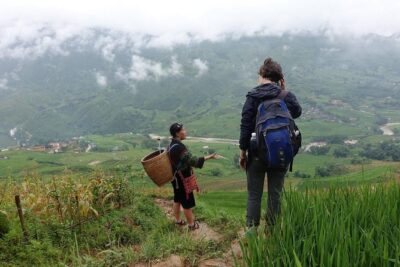
Number one top rated ethical cultural trekking and homestay by ETHOS
Read our review →Browse the lists this tour appears in