
Reviewed · SAPA TRIPS AND TREKS
From Hanoi: 2-Day Sapa Trekking Trip with Homestay & Meals
Mountain paths, warm hosts, and a memorable night away. This two-day trip gives you a practical way to see Sapa beyond the town center, with a 12-kilometer trek through rice terraces, cornfields, villages, and a waterfall. I especially like the chance to stay with a local family and the generous home-cooked meals prepared at the homestay.
The trip also handles the long journey from Hanoi by air-conditioned sleeper bus, includes a local guide, and leaves some free time in Sapa before returning. The main drawback is the trek itself: muddy or slippery sections, steep climbs, and a long first day mean you need proper shoes and a reasonable level of fitness.
In This Review
- Quick take: what makes this Sapa trip special
- Leaving Hanoi before sunrise
- Lunch in Sapa, then onto the trails
- Meeting the H’Mong communities along the way
- A night with Mama Zuzu and the homestay family
- Dinner, cooking, and the evening atmosphere
- Day two: bamboo forest or farm work
- Free time in Sapa before the bus home
- What $71 includes, and what it does not
- Fitness, weather, and what to pack
- Who will enjoy this trip most?
- Should you book this Sapa homestay trek?
- FAQ
- Where does the tour pick me up in Hanoi?
- How long is the main trek?
- Where do I stay overnight?
- What meals are included?
- Can I choose what to do on the second day?
- Is the trek suitable for everyone?
Quick take: what makes this Sapa trip special
- A real overnight homestay: Sleep at a local home in Ta Van rather than returning to a hotel in Sapa.
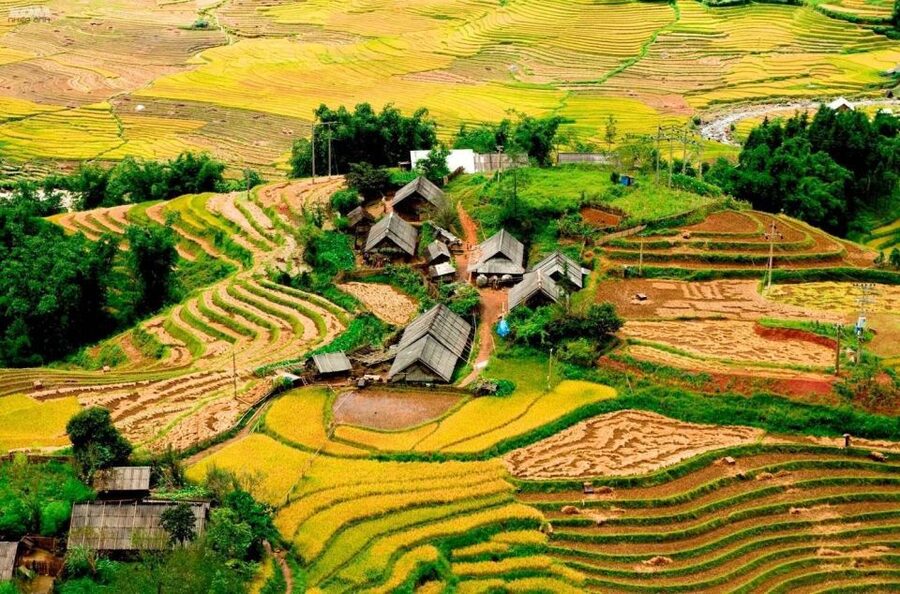
- A full first-day walk: Cover about 12 kilometers through Ylinh Ho, Lao Chai, and Ta Van villages.
- Hands-on local food: Help gather vegetables and prepare dinner with your host, though the cooking activity may depend on timing and energy.
- Two different day-two choices: Hike toward villages and a bamboo forest, or spend time helping with farm work.
- Comfortable transport for a long ride: The air-conditioned sleeper bus connects Hanoi and Sapa, with a stop to stretch along the way.
- Strong value at $71: Transport, guide, hikes, accommodation, entrance fees, and four meals are included.
Leaving Hanoi before sunrise
Your day begins with pickup from accommodation in Hanoi’s Old Quarter between 6:00 and 6:45 a.m. The exact time depends on your hotel location, so keep your phone available for confirmation by email or WhatsApp.
You first ride a shuttle bus to the air-conditioned sleeper bus. This arrangement matters because the road journey is long. The bus leaves you free to rest rather than deal with a private car or a crowded public bus, and some departures have included useful touches such as charging ports, blankets, and Wi-Fi.
The route from Hanoi to Sapa takes much of the morning. A stop along the way lets you stretch your legs and look out at the changing countryside. You arrive at the bus office in Sapa around 12:30 to 1:00 p.m., where your local guide meets you and takes you to a restaurant for lunch.
This is not a quick day trip. You spend a substantial part of both days in transit, but that is the trade-off for reaching Sapa from Hanoi in only two days. If you have limited time in northern Vietnam, the schedule makes sense. If you dislike long bus journeys, consider staying in Sapa for several nights instead.
More Hiking and Trekking Tours in Hanoi
- Halong Bay Full Day with Kayaking, Hiking viewpoint, Cave – Deluxe To Luxury
★ 5.0 · 884 reviews - Sapa 3 Days 2 Nights Trekking Tour (1 Night In Ta Van Village, 1 Night In Hotel)
★ 5.0 · 699 reviews - 3-Day Trekking Adventure of Sapa from Hanoi – Stay Ta Van Village
★ 5.0 · 611 reviews
Lunch in Sapa, then onto the trails
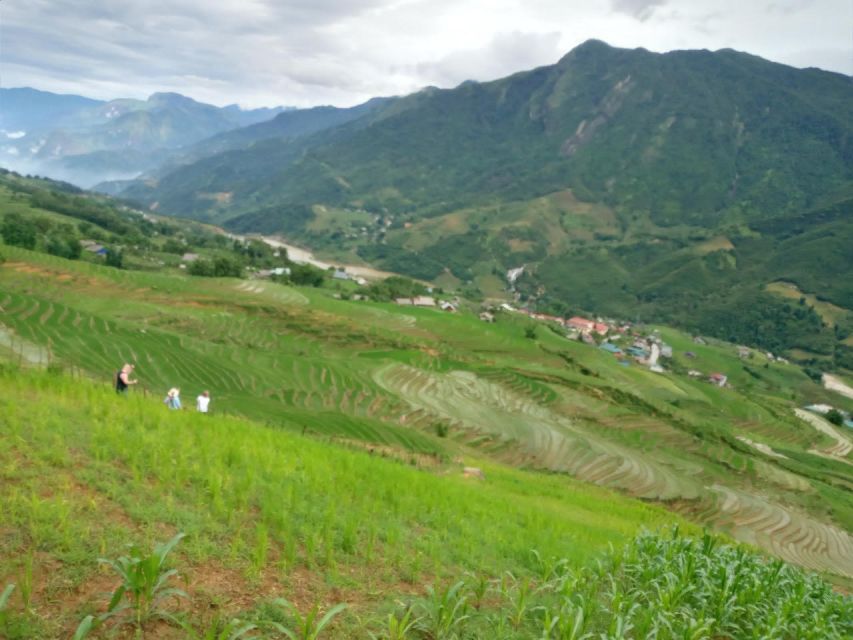
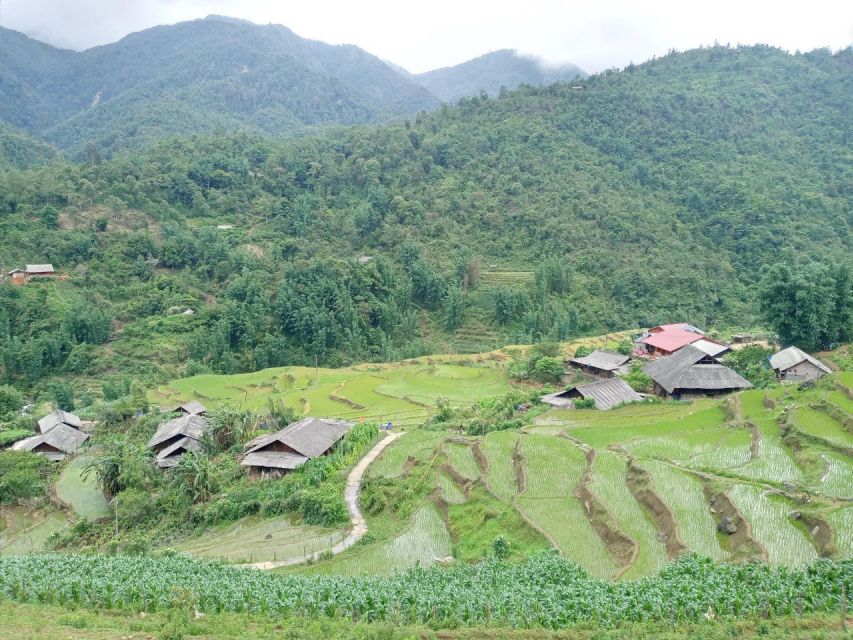
After lunch, the walking section begins. The route passes through Ylinh Ho, Lao Chai, and Ta Van, with views of terraced rice fields, cornfields, and potato fields.
The appeal is not just the scenery. You walk through working rural areas and see homes, paths, fields, and daily routines at close range. Your guide introduces you to local H’Mong people and explains customs and ordinary life, giving the walk more meaning than a photo stop at a viewpoint.
The first day covers approximately 12 kilometers. Some people find the route manageable, while others find it physically demanding. The reports of the walk are consistent on one point: you should expect inclines, steep sections, and slippery clay, especially after rain.
Pack sports shoes at a minimum, but proper trekking shoes are a better choice. Wear clothing that can get dirty, and bring a change of clothes for the homestay. In wet weather, the trail can turn muddy quickly, so do not plan to wear your best trainers.
A waterfall provides a natural break during the walk. It gives you a chance to pause, take photos, and catch your breath before continuing toward Ta Van. The guide keeps the group moving, but the route is not designed as a race.
Meeting the H’Mong communities along the way
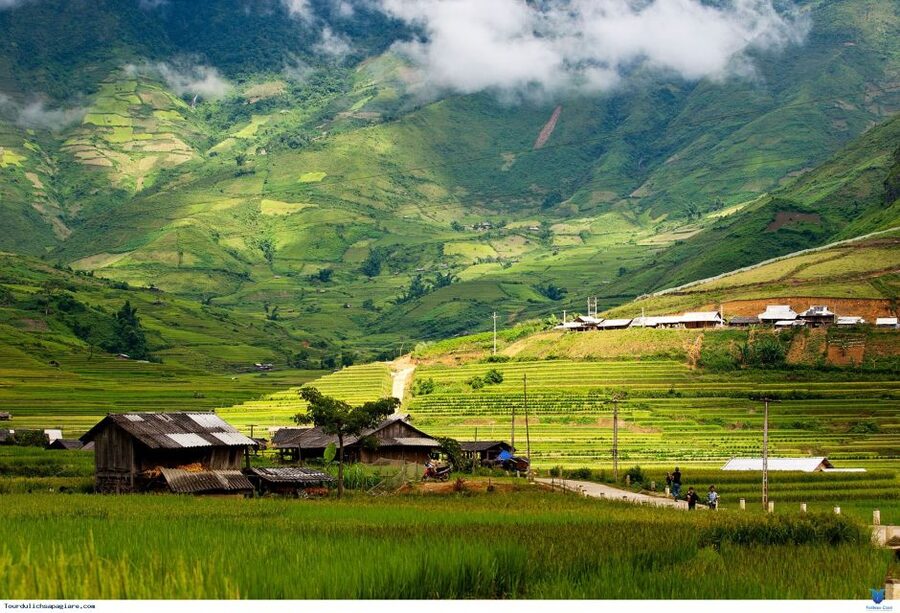
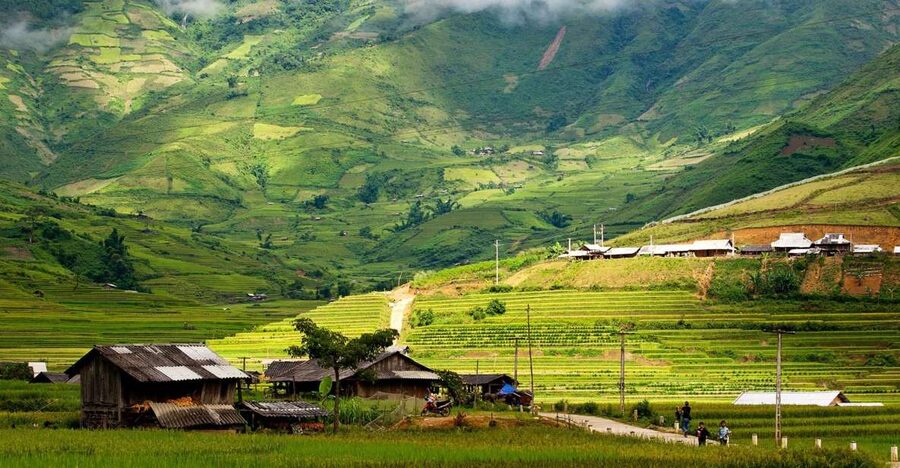
The villages on the route are part of what makes this trip worthwhile. Ylinh Ho, Lao Chai, and Ta Van are not simply scenic names on a map. You pass through places where farming and village life remain part of the setting around you.
The experience is observational as much as active. You see terraced farmland, corn, potatoes, and paths used by local people. The guide helps explain what you are seeing, but you should still approach the villages with care and respect.
At times, local women may walk beside the group and offer help on steep or wooded sections. They may later sell scarves, bracelets, or other handmade items. You are not required to buy anything, but you may need to decline politely more than once.
I would prefer this sales custom to be explained at the beginning. Knowing about it makes the interaction easier and prevents an awkward surprise at the end of the trail. You can also think of a purchase as a personal choice rather than an obligation.
A night with Mama Zuzu and the homestay family
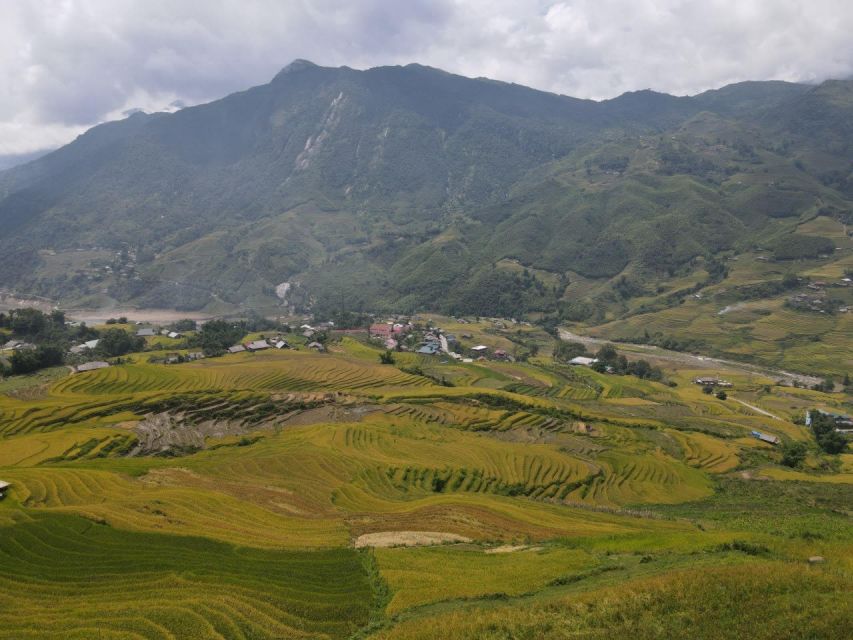
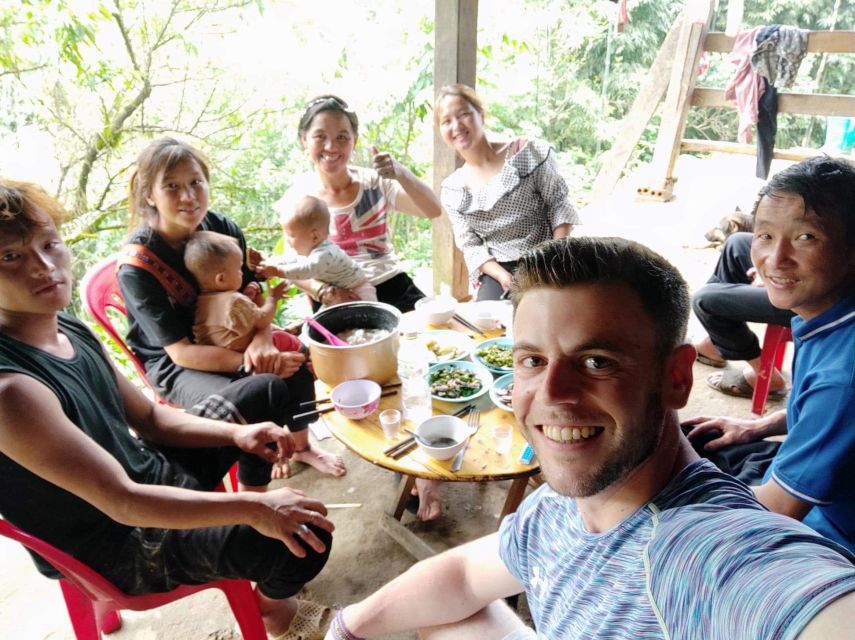
At the end of the first trek, you reach the local home in Ta Van and are welcomed as part of the family. Mama Zuzu is frequently named as the host, while other guides and helpers may include Mama Ling, Mama Lane, or Mama Leto depending on the group.
The accommodation is more comfortable than the word homestay may suggest. Previous arrangements have included separate rooms for two people, and some visitors have had a room alone. Beds, blankets, towels, fans, Wi-Fi, and charging points have been available in the house, although you should still pack a charged phone and not expect hotel-style service.
The bathroom is shared, and the shower and toilet may be outside the sleeping rooms. Hot water, shampoo, and shower gel have been available, which is welcome after a muddy walk. The beds may feel firmer than you are used to, but extra duvets can help.
This is a useful middle ground. You get a local home setting and family interaction, but you are not sleeping outdoors or giving up basic comfort. The homestay is best for you if you are happy with shared facilities and a simple rural setup.
More Sapa Trips and Treks in Hanoi
- Sapa 2 Days 1 Night From Hanoi – Overnight in Ta Van Village
★ 5.0 · 2,669 reviews - Hanoi – Sapa 2 Days 1 Night Overnight At Homestay
★ 5.0 · 899 reviews - Sapa 2 Days 1 Night From Hanoi – Overnight in Hotel
★ 5.0 · 440 reviews - 2-Day Sa Pa Ethnic Homestay Tour & Trek with Limousine Bus
★ 4.8 · 440 reviews
Dinner, cooking, and the evening atmosphere
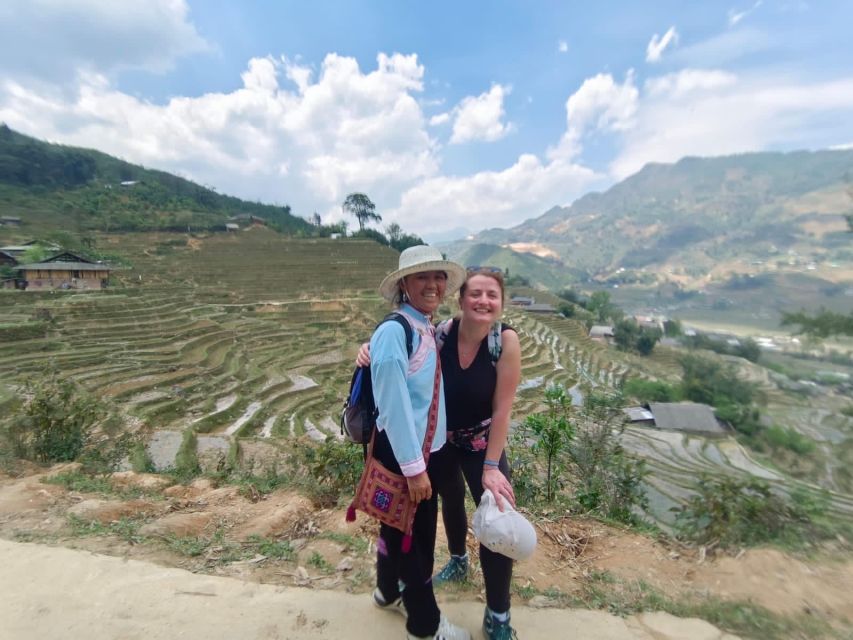
The evening meal is one of the strongest parts of the trip. The food is home-cooked, plentiful, and served family-style, with vegetarian and vegan needs accommodated according to the experience described by past participants.
The plan is to gather vegetables and help prepare local dishes with the host. In practice, the amount of hands-on cooking can vary. Some groups have made spring rolls, while others have arrived tired and received dinner without taking part in much food preparation.
That difference is worth knowing before you book. The meal itself appears to be a reliable highlight, but the cooking lesson should be treated as a possible activity rather than a formal class.
After dinner, the mood can turn social. Groups have shared stories, tried a small amount of local happy water, and used a karaoke machine. These moments create easy conversation between people who may have arrived as strangers, but drinks are not included, so bring cash for personal purchases.
The family atmosphere is warm and informal. You may spend time talking with the hosts, eating more than expected, and laughing over karaoke rather than sitting through a planned cultural performance. That unscripted quality is part of the appeal.
Day two: bamboo forest or farm work
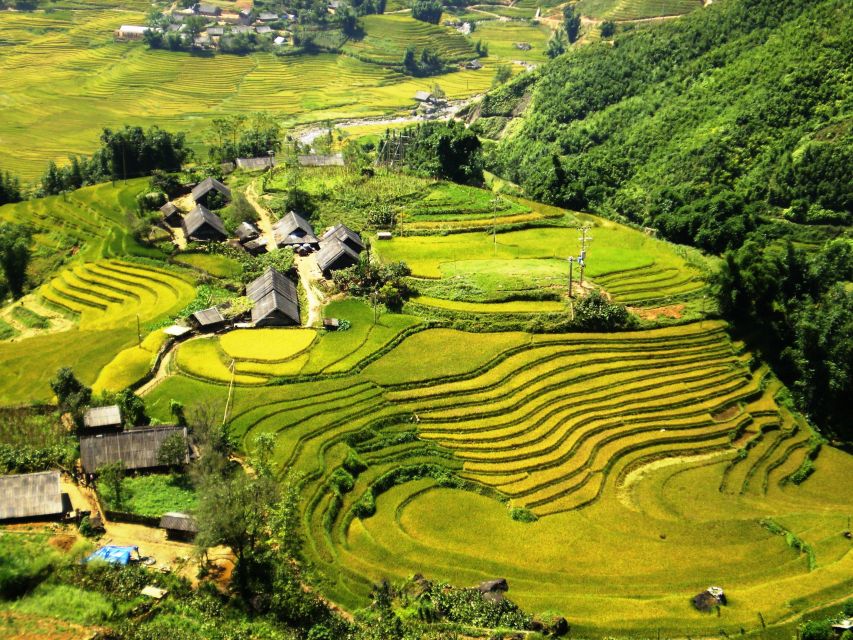
The second morning starts with breakfast, which may include pancakes, bananas, chocolate sauce, and honey. You can help cook breakfast with your host before choosing the day’s activity.
One option is a further hike toward villages and a bamboo forest. The bamboo section gives the second day a different feel from the open rice terraces, and it adds another chance to see rural paths and village surroundings.
The alternative is to spend time helping local people with farm work. Depending on seasonal tasks, you may try harvesting, planting, or caring for plants. This is a worthwhile choice if you want to understand how much work sits behind the food served at dinner.
The two choices suit different moods. Choose the bamboo forest if you want more walking and scenery. Choose farming if you prefer a slower, more practical activity and want more direct contact with rural work.
After the activity, you eat lunch at a local restaurant. The package includes two lunches in total, one on each day, plus dinner and breakfast. Drinks and any food not listed are extra, so carry cash.
Free time in Sapa before the bus home
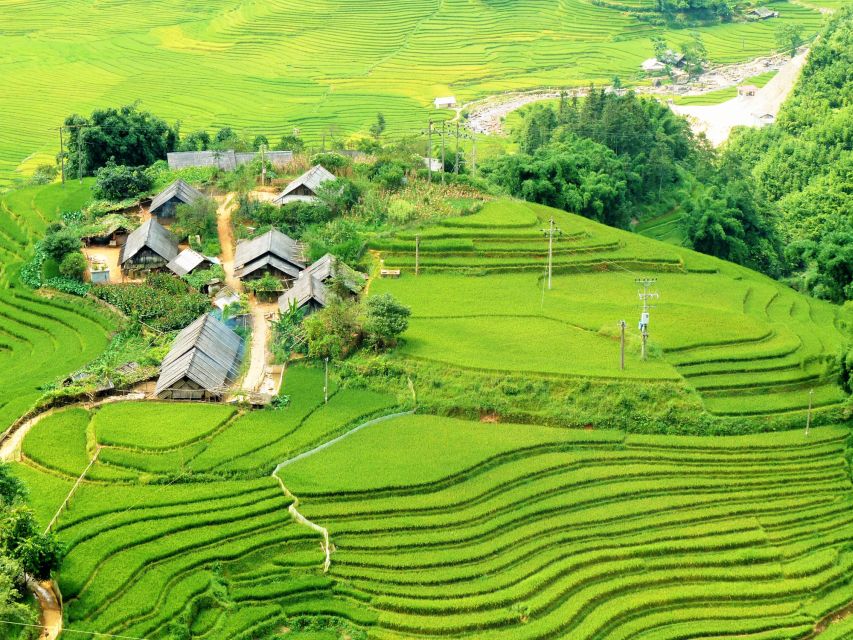
After lunch, a shuttle takes you back to Sapa town. You still have free time to visit the local market or explore the town independently before departure.
This is not a long sightseeing block. The return sleeper bus leaves around 3:00 p.m., so think of this as a short chance to buy snacks, browse local products, or get your bearings rather than a full tour of Sapa.
The bus returns to Hanoi’s Old Quarter around 9:30 to 10:00 p.m. Drop-off is at 166 Tran Quang Khai, not necessarily at your hotel. Plan your onward trip from there, especially if you have luggage or an early departure the next morning.
The schedule is tiring, but it gives you a full rural experience without needing to arrange separate transport, accommodation, meals, and guides. That convenience is a major part of the value.
What $71 includes, and what it does not
At $71 per person, the package is priced well for a two-day trip from Hanoi. You receive:
- Pickup from accommodation in Hanoi’s Old Quarter
- Air-conditioned sleeper bus transportation
- A local English-speaking guide
- Entrance fees
- Two guided hikes
- One night at a homestay
- Cooking with the host
- One dinner
- Two lunches
- One breakfast
- Return drop-off at the bus stop in Hanoi’s Old Quarter
You are paying for transport as much as for the trek. Reaching Sapa, arranging village access, finding a local host, and organizing meals would take time and could cost more if handled separately.
The package does not include travel insurance, personal expenses, drinks, or food outside the listed meals. Bring water, snacks if you need them, and cash for purchases in villages or Sapa market.
The price is especially good if you value structure and local contact. It is less attractive if you want a private guide, a slow walking pace, or a hotel with private facilities.
Fitness, weather, and what to pack
You do not need mountaineering experience, but you do need to be comfortable walking for several hours. The first day is the harder commitment because of the 12-kilometer distance, inclines, and possible mud.
The route can feel easy to medium in good weather and much harder during rain. Fog may limit the views, while wet clay can make downhill sections tricky. Your guide helps the group, but good footwear remains your responsibility.
Pack:
- Proper trekking or sports shoes with good grip
- Breathable clothing
- A jacket
- Outdoor clothes that can get dirty
- A complete change of clothes
- Water and other drinks
- Cash
- A charged smartphone
- Any required travel documents
- A pen, as requested for the trip
Keep your heavy bag as light as possible. The hiking route is more enjoyable when you are not carrying everything you brought from Hanoi. Bags may be taken ahead to the homestay, so ask about this arrangement before setting off.
The trip is not suitable for children under eight, pregnant women, wheelchair users, or people with back or heart problems. It is also not suitable for people over 220 pounds, or 100 kilograms, or over 70 years old, according to the stated restrictions.
Who will enjoy this trip most?
I would choose this experience if you want to see Sapa through villages and farmland rather than from town viewpoints alone. It suits solo visitors, couples, and small groups who enjoy meeting other people and sharing meals in a relaxed setting.
It also works well for first-time visitors to northern Vietnam. The guide, bus, meals, entrance fee, and homestay are arranged together, so you can focus on walking and observing the countryside.
You should think twice if you need a private bathroom, dislike group travel, or have trouble on steep and slippery paths. The bus schedule also leaves little room for delays or long stops, and the return to Hanoi is late in the evening.
Group sizes have ranged from about 11 to 14 people in some departures. That is large enough for a social evening, but it can make the walking pace less personal than on a private trek.
Should you book this Sapa homestay trek?
Yes, if you want strong value, local food, an overnight family setting, and a proper walk through Sapa’s rice terraces. The most memorable parts are likely to be the scenery, the welcome from hosts such as Mama Zuzu, and the generous dinner followed by an informal evening of conversation and karaoke.
Book it with realistic expectations. This is not a polished luxury tour or a gentle countryside stroll. Bring shoes with grip, accept shared facilities, allow for mud and changing weather, and understand that the cooking activity and day-two choice may vary.
Free cancellation is available up to 24 hours before departure, and you can reserve now and pay later. For a compact two-day introduction to Sapa at $71, I think this is an excellent choice for an active visitor who wants a genuine local setting without managing every detail alone.
FAQ
Where does the tour pick me up in Hanoi?
Pickup is available from accommodation in Hanoi’s Old Quarter between 6:00 and 6:45 a.m. The exact time depends on your hotel location and is confirmed after booking.
How long is the main trek?
The first-day guided trek is approximately 12 kilometers. It passes through terraced rice fields, cornfields, potato fields, Ylinh Ho, Lao Chai, and Ta Van.
Where do I stay overnight?
You stay at a local home in Ta Van village. The bathroom is shared, and sleeping arrangements are simple, with beds and blankets provided.
What meals are included?
The trip includes one dinner, two lunches, and one breakfast. Drinks and food not specifically listed are not included.
Can I choose what to do on the second day?
Yes. You can choose between a further hike toward villages and a bamboo forest, or an opportunity to help with farm work such as planting, harvesting, or caring for plants.
Is the trek suitable for everyone?
No. The activity is not suitable for children under eight, pregnant women, wheelchair users, people with back or heart problems, people over 220 pounds or 100 kilograms, or people over 70 years old.
More Hiking and Trekking Tours
- 3D and 2N Lan Ha Bay Cat Ba Island Kayaking & Trekking with Vega
★ 5.0 · 593 reviews - Ninh Binh 1 day Hoa Lu Trang An with Dragon Mountain Hiking
★ 5.0 · 245 reviews - Ninh Binh: Hoa Lu, Trang An and Mua Caves Hiking Day Trip
★ 4.5 · 163 reviews - From Hanoi: Trek and Stay: 3-Day Sapa Highlands Adventure
★ 4.6 · 152 reviews
More Sapa Trips and Treks
- Hanoi – Sapa 3 Day 2 Night Trekking With Hotel & Homestay
★ 5.0 · 389 reviews - From Hanoi: 2-Day Sapa Limo Bus Tour & Fansipan Peak Visit
★ 4.6 · 277 reviews - From Hanoi: 2-Day Sapa Trek Tour – Luxury Limousine Transfer
★ 4.1 · 249 reviews - 2-Day Sapa Guided Tour Slipping in Homestay From Hanoi
★ 5.0 · 243 reviews
Just added around Hanoi
- Hanoi: Make 6 Iconic Coffees in a Heritage Home with Locals★ 5.0 · 32 reviews
- Private Ninh Binh Full Day (Bich Dong -Tam coc -Mua cave- Biking)★ 5.0 · 32 reviews
- Retro Hop-on-hop-off Bonbon City Tour: Classic Package★ 4.0 · 32 reviews
- 15-Day Vietnam Itinerary All in One | Travel Package 2026-2027★ 5.0 · 32 reviews
- 10-Day Vietnam Discovery from North to South | Best Packages★ 5.0 · 32 reviews
- Verdure Lotus Classic Cruise in Halong Bay & Lan Ha Bay (2D1N)★ 4.0 · 32 reviews
- Full-day Guided Meditation Experience in Ha Noi★ 5.0 · 33 reviews
- Private Transfers Hanoi <=> Halong One Way by Limousine Vehicles★ 5.0 · 33 reviews
Sapa Trips and Treks, compared.

Sapa 2 Days 1 Night From Hanoi – Overnight in Ta Van Village
Read our review →

Muong Hoa Valley Trek and Local Ethnic Villages
Read our review →
Fansipan Cable, Cat Cat Village & Moana Instagram Tour
Read our review →
Sapa 3 Days 2 Nights Trekking Tour (1 Night In Ta Van Village, 1 Night In Hotel)
Read our review →
Eco Adventure Terrace Fields and Local Villages Trek
Read our review →
3-Day Trekking Adventure of Sapa from Hanoi – Stay Ta Van Village
Read our review →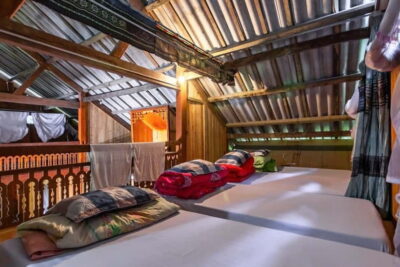
2-Day Sa Pa Ethnic Homestay Tour & Trek with Limousine Bus
Read our review →Browse the lists this tour appears in