
Reviewed · SAPA TRIPS AND TREKS
Sa Pa: Muong Hoa Valley Trek and Local Ethnic Villages
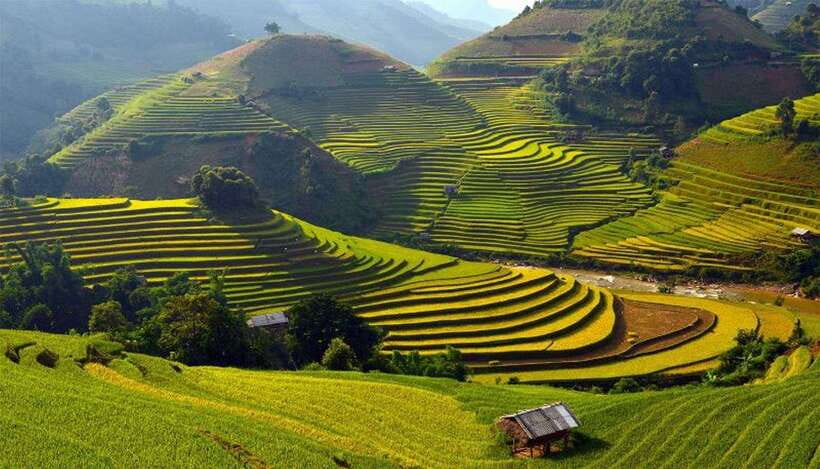
Mud is part of the adventure here. This six-hour trek from Sa Pa takes you through rice terraces, bamboo forest, river crossings, and villages inhabited by Black Hmong and Red Dao communities. I especially like the small group of no more than 11 people, which gives the English-speaking guide room to explain local customs and help with tricky sections. The lunch at a village home is another strong point, offering a more personal break than a standard restaurant stop.
The main catch is the trail itself. In dry weather, it is a demanding but manageable walk. After rain, it can become a slippery, muddy test of balance, with rough paths and steep sections. Bring proper hiking shoes, not your clean white trainers, and carry some cash for the local women who may help you across the mud and later invite you to buy their handmade goods.
In This Review
- Key points to know before booking
- What this Sa Pa trek is really like
- Rice terraces and the first river crossing
- Lao Chai and Black Hmong village life
- Ta Van Giay, suspension bridge, and ancient carvings
- Lunch at a village home
- Bamboo forest and Red Dao village
- Guide quality makes the biggest difference
- How hard is the 10-kilometer route?
- Weather, seasons, and the view
- Is $23 good value?
- The authentic experience question
- Should you book this Muong Hoa Valley trek?
- FAQ
- How long is the Muong Hoa Valley trek?
- Where does pickup take place?
- What time does the tour finish?
- Is lunch included?
- Is water included?
- What shoes should I wear?
- Is the trek suitable for children?
- Are drinks and personal purchases included?
- Can I cancel the booking?
Key points to know before booking
- A real 10-kilometer mountain trek: The route crosses rice terraces, village paths, streams, a bamboo forest, and uneven ground. Some outings may run closer to 12 kilometers.
- Three distinct ethnic villages: You visit Lao Chai, Ta Van Giay, and Giang Ta Chai, with a focus on Black Hmong and Red Dao life.
- Lunch in a local home: The meal breaks up the walk and can include rice, vegetables, tofu, eggs, and spring rolls, with vegetarian meals available.
- Rain changes everything: Wet weather can turn sections into deep mud. High-grip hiking shoes or wellies are far better than ordinary trainers.
- Excellent local guides: Guides including Su, Khu, Chai, Sunny, Minh, Nhu, and Thao Nu have been praised for safety help, cultural explanations, and friendly care.
- Good value at $23: Hotel pickup in central Sa Pa, transport back, entry tickets, guide, lunch, and water are included.
What this Sa Pa trek is really like
This is not a gentle stroll with a few photo stops. It is a proper half-day walk through the Muong Hoa Valley, with the route shaped by weather, farming conditions, and the state of the paths.
You are picked up from a hotel in central Sa Pa, or from the Vietnam Nomadtrails office, then driven to the start of the walking route. Pickup is not available outside the Sa Pa area. The tour lasts about six hours and ends at roughly 3:30 PM, making it easy to fit into a Sa Pa stay without giving up an entire day.
The group limit of 11 matters. A smaller party is easier to manage on narrow paths, and the guide can usually give more attention to anyone who needs help on a steep or slick section. Several outings have been especially small, with groups of only three people.
The advertised route is 10 kilometers, though one outing was recorded at about 12.5 kilometers and more than 21,000 steps. Treat the distance as a guide rather than a guarantee. If your legs are tired from another mountain trip, this may feel longer than the number suggests.
More Countryside and Village Tours in Sapa
- Sapa: Fansipan Cable, Cat Cat Village & Moana Instagram Tour
★ 5.0 · 777 reviews - Sapa: Eco Adventure Terrace Fields and Local Villages Trek
★ 4.9 · 636 reviews - Cat Cat Village, Moana, Fansipan Cable Car, Alpine Coaster – Sapa
★ 5.0 · 420 reviews
Rice terraces and the first river crossing
The early part of the walk leads into the valley, where rice terraces appear through the morning mist. Sa Pa is famous for its mountain scenery, but the real pleasure here is seeing how carefully the slopes have been shaped and maintained for farming.
You follow a small trail toward the Muong Hoa River. The path gives you changing views rather than one fixed lookout. Mist can soften the views in cooler months, especially from October through March, but it also gives the valley a quiet, atmospheric feel. In clear weather, the terraces and surrounding slopes are much easier to see.
The first river crossing helps set the tone. This route is not built around polished paths and guardrails. You may cross smaller streams and walk beside water on ground that requires attention. Your guide will point out unstable rocks and safer places to step, but you still need to watch your feet.
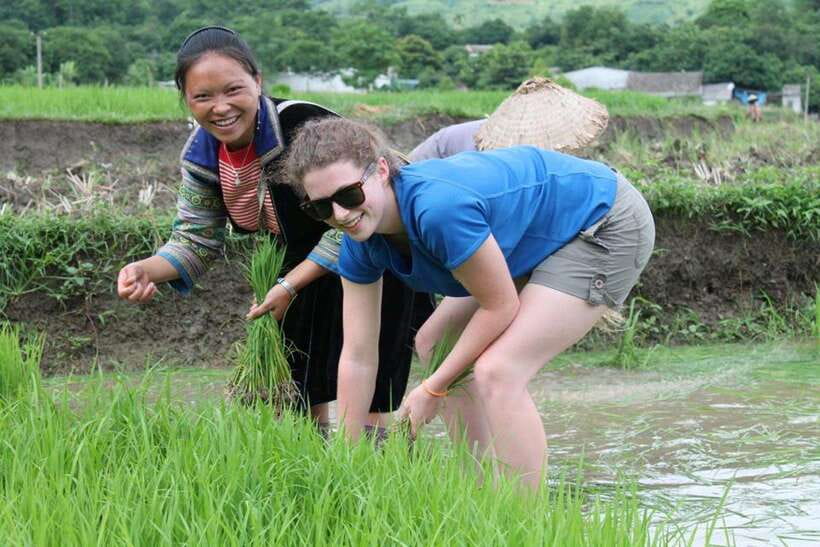
Lao Chai and Black Hmong village life
The route continues through cultivated terraces toward Lao Chai, home to the Black Hmong community. Here, the tour shifts from scenery to daily life.
The value of this section depends heavily on your guide. Guides such as Su, Chai, Sunny, and Nhu have been praised for explaining local customs, family life, traditions, and the surrounding villages in clear English. You are not simply passing through a pretty valley. You get context for what you are seeing and a chance to ask questions as you walk.
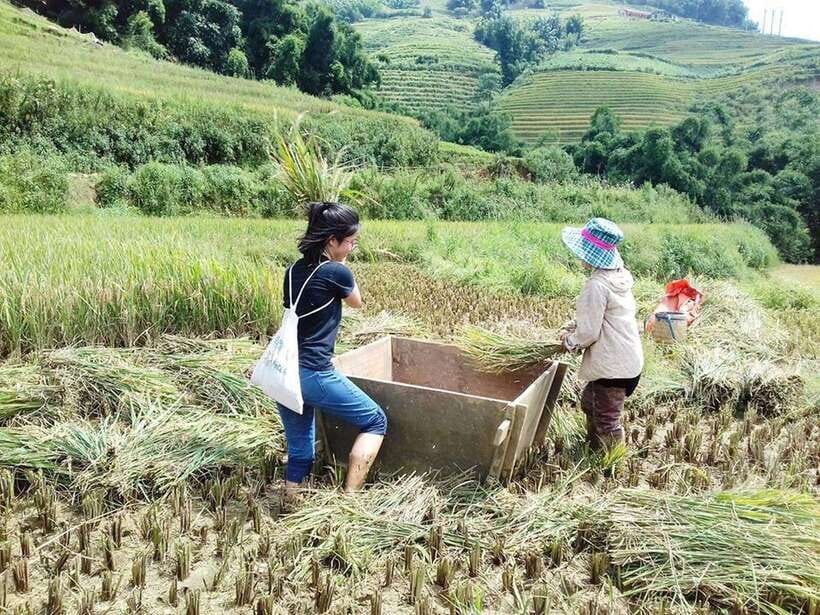
The villages are not museum displays. People live and work here, and you may see residents tending fields or moving through their daily routines. That makes the visit more meaningful, but it also calls for good manners. Ask before photographing people, keep your voice down near homes, and remember that the route passes through lived-in communities.
A practical note: local women may join the route for part of the trek. In muddy conditions, they often provide a steady hand and know exactly where to place a boot. Their help can be genuinely useful, especially on steep slopes. At the end, you may be encouraged to buy a small item from their wares as a thank-you. This is not a surprise you want to discover without cash, so bring some Vietnamese currency.
The selling can feel persistent. One person described a large number of sellers along the way, while another found that the women stopped following after the drink break. Expect the possibility, and decide in advance what you are comfortable buying.
Ta Van Giay, suspension bridge, and ancient carvings
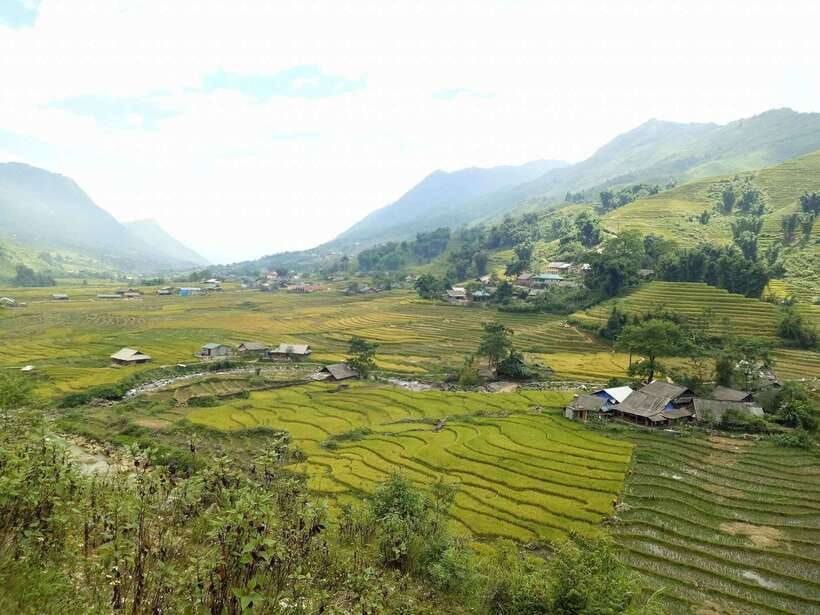
From Lao Chai, the trek continues toward Ta Van Giay. This section follows the Muong Hoa River and gives you another look at how villages, paths, water, and farmland fit together.
About two kilometers from the settlement, you cross a small suspension bridge. It is one of those simple route details that makes the walk feel like a journey rather than a sequence of attractions. The bridge is not the main reason to book the tour, but it adds variety to the day and gives you a clear sense that you are moving through the valley rather than circling one village.
The ancient rock carvings are the most unusual stop. The stones show figures of men, stilt houses, and decorative patterns. The markings add an older layer to a walk otherwise focused on present-day village life. They are also easy to miss if you are moving too quickly, so this is a good place to stay close to the guide and listen to the explanation.
The route can be rough here. In dry conditions, average walkers with a reasonable level of fitness should manage it, though you still need to pay attention. Rain is the deciding factor. Wet rocks, mud, and narrow paths can turn a pleasant walk into a demanding one.
More Hiking and Trekking Tours in Sapa
- Number one top rated ethical cultural trekking and homestay by ETHOS
★ 5.0 · 456 reviews - From Sapa: 1-Day Guided Trek to Lao Chai & Ta Van with Lunch
★ 4.9 · 416 reviews - Sa Pa Full Day Trekking Tour
★ 5.0 · 414 reviews - Sapa 1 Day Long Trek: Trek to Hau Thao and Sa Seng Villages
★ 4.6 · 344 reviews
Lunch at a village home
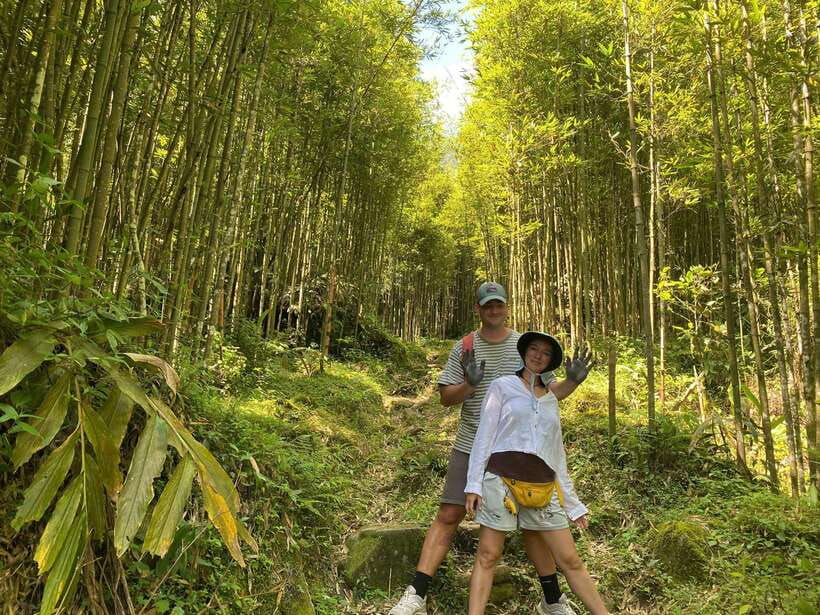
Lunch comes at a local house in the village, giving you a proper pause after several hours on foot. This is one of the best parts of the day because it combines food with a glimpse of home life.
The meal may include rice, vegetables, tofu, eggs, and vegetarian spring rolls. Vegan diets can be accommodated, but it is sensible to state your needs when booking. Drinks other than the included 500-milliliter bottle of mineral water are not included, so bring money if you want something else.
The lunch is not luxurious, and that is not the point. You are eating in a local setting, taking a break from the trail, and sharing a meal that has been prepared for the group. Several guides have been praised for making this stop feel warm and welcoming, including Khu, who has taken groups into a family home, and Linda, whose group enjoyed a vegetarian meal.
Budget enough time to eat slowly. Lunch breaks up the seven-mile effort and gives your feet a chance to recover before the bamboo forest.
Bamboo forest and Red Dao village
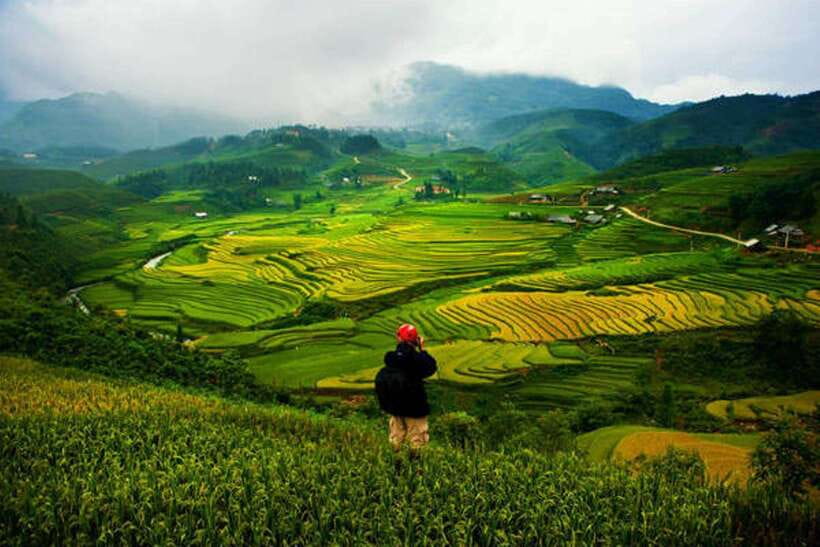
After lunch, the route heads through a bamboo forest toward Giang Ta Chai, a Red Dao ethnic minority village. The bamboo section is scenic, but it is also one of the places where wet weather causes the most trouble.
After rain, the ground can be slick and muddy, with wet rocks and uneven slopes. Several people found local assistance essential here. The women who walk with the group often know the practical route through the mud better than anyone carrying a map.
If the weather is dry, this part may feel like a rewarding change from the open terraces. If the weather is wet, you may spend more time looking down than looking around. That is not a failure of the tour. It is simply the reality of mountain trekking in a rainy valley.
The Red Dao village adds another cultural perspective after the Black Hmong communities earlier in the day. The two groups have distinct traditions and identities, and the guide’s explanations help you notice differences rather than treating every village as the same.
The route finishes with a short rest near a waterfall. After that, you climb uphill to the main road, where the driver meets you for the return to Sa Pa. The final climb can feel tough after a full day on your feet, so save a little energy for the end.
Guide quality makes the biggest difference
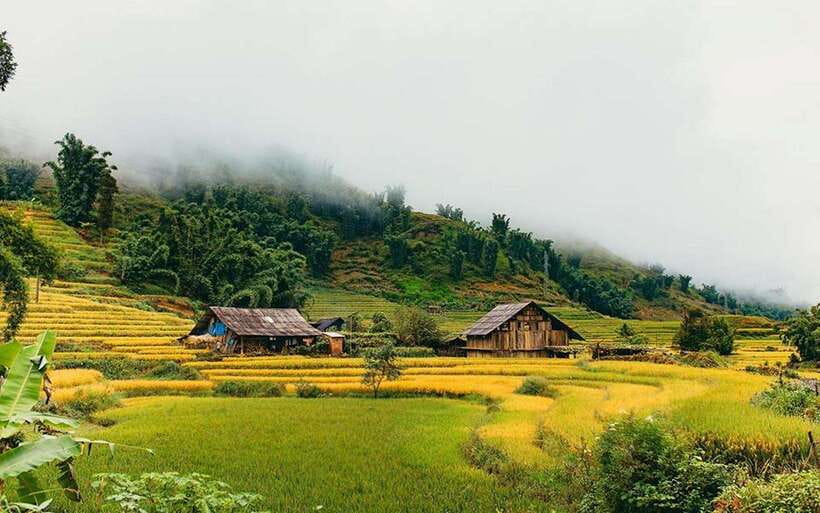
The strongest part of this experience is the local guiding. Names praised for a friendly manner and strong care include Su, Khu, Chai, Sunny, Minh, Nhu, Coo, Sue, and Thao Nu.
Good guides do more than lead from the front. They explain local culture, answer questions, watch for unstable rocks, adjust the pace, and help the group handle the rough sections. Su was praised for safety reminders, while Sunny was noted for sharing local stories and arranging extra help on steep muddy stretches. Thao Nu was especially valued for her explanations of local people and customs.
Guide quality can vary from one departure to another, but the overall pattern is encouraging. If you get a guide who enjoys talking about the area, the walk becomes much more than a scenic hike.
An English-speaking guide is included. A French-speaking guide costs an additional $19 per person and must be paid when the booking is confirmed.
How hard is the 10-kilometer route?
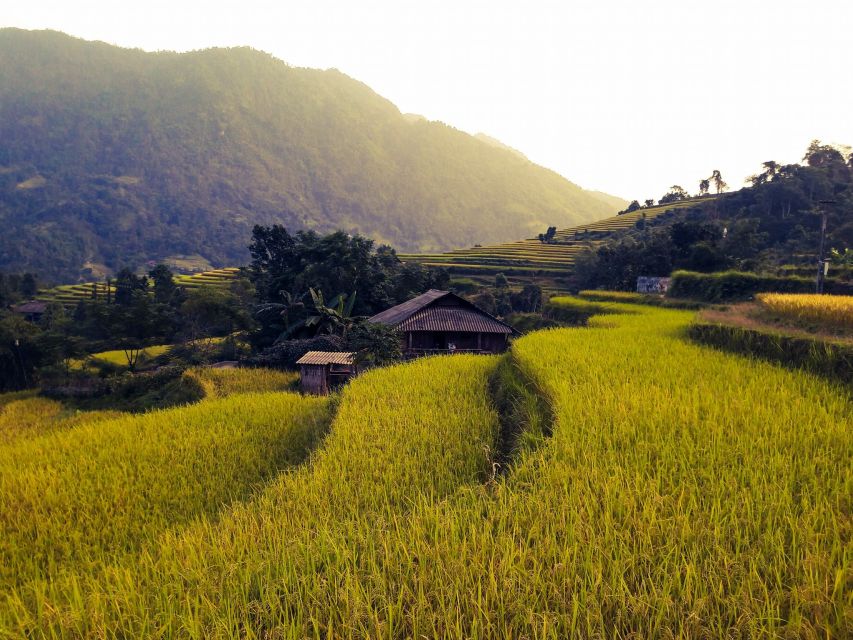
You need a reasonable level of fitness. The tour is not suitable for people with mobility impairments or children under six, and the rough surface makes it a poor choice if you are hoping for an easy village outing.
The challenge is not only distance. You may deal with steep slopes, muddy descents, wet stones, bamboo forest paths, streams, and narrow tracks. Some people found it manageable and not especially strenuous, while others described it as exhausting after rain. Both impressions can be true because conditions matter so much.
Pack or wear:
- Hiking shoes with strong grip
- Sunglasses, sunscreen, and insect repellent
- Warm clothes from October through March
- Clothes and shoes you do not mind getting dirty
- Cash for local purchases
- Only a small day bag, since oversize luggage is not allowed
Do not wear new shoes. Do not wear white trainers. Several people slipped in ordinary running shoes, and wet-season mud can leave footwear soaked and filthy. Local women often wear high-grip rubber boots for good reason.
Weather, seasons, and the view
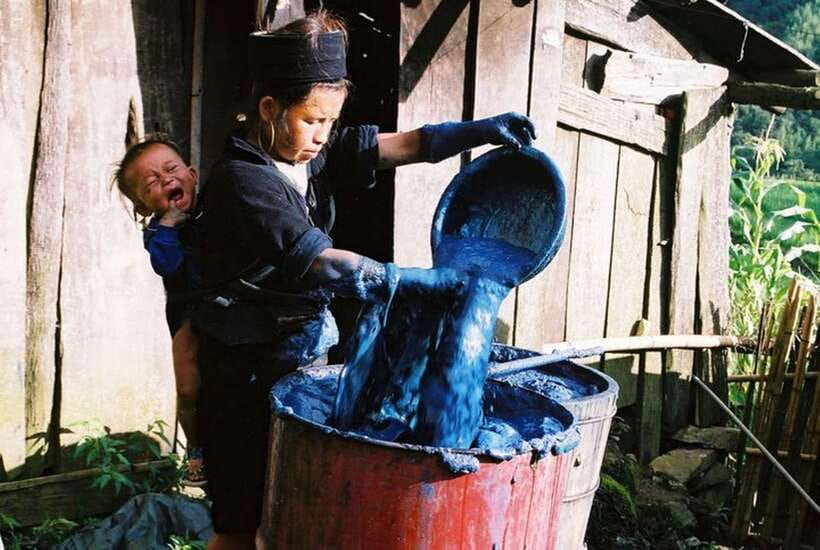
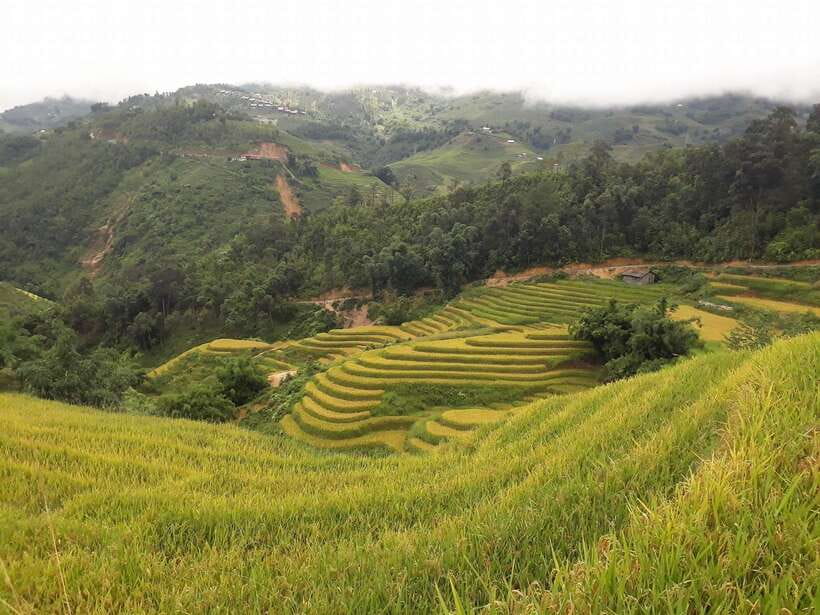
The valley changes sharply with the weather. Morning mist can hide some of the terraces, especially in cooler months, while rain can make the route slippery from beginning to end. Foggy days can still be beautiful, but you should not book this solely for guaranteed wide views.
Dry weather gives you the best chance of seeing the rice terraces clearly and walking with more confidence. Wet weather brings its own memorable character, but you need to accept more mud, slower progress, and a greater chance of slipping.
The rice-growing season also affects what you see. The route always offers village scenery and mountain paths, but the terraces will not look identical throughout the year. The supplied information does not promise a particular planting or harvest stage, so book for the walking experience rather than one exact photograph.
Is $23 good value?
At $23 per person, this is strong value for a six-hour guided outing. The price includes pickup in central Sa Pa, transport back after the trek, an English-speaking guide, entry tickets, lunch, and 500 milliliters of mineral water.
The included transport is useful because the walk ends at a main road outside the walking route. You do not need to arrange your own way back after the uphill finish.
The price does not include drinks, personal purchases, or soft drinks. You should also factor in the likely cost of buying something small from a local helper if you accept assistance and want to show your thanks. A Lunar New Year surcharge of $30 per person applies from February 14 to February 21, 2026, payable at departure.
Free cancellation is available up to 24 hours before the start for a full refund, and you can reserve now and pay later. Check the available start times before booking, since the exact departure time is not fixed in the supplied details.
The authentic experience question
This tour gives you access to village paths, local homes, and everyday scenery that you would not get from a road-based sightseeing trip. It is especially useful if you have only a short time in Sa Pa and want scenery, cultural context, lunch, and transport in one package.
It is not a completely private or untouched encounter. The local women who assist on muddy sections may also sell goods, and one person felt arranging a trek directly with a local woman would be less touristy and less expensive. That option may appeal to independent hikers, but this organized tour gives you a set route, transport, entry tickets, lunch, and an English-speaking guide.
The best way to approach it is with realistic expectations. You are visiting working villages, not entering a staged cultural show. At the same time, the route is organized for visitors and includes a familiar tourism pattern of village visits, lunch, local sales, and return transport.
Should you book this Muong Hoa Valley trek?
Book it if you want a full half-day on foot, enjoy changing scenery, and are curious about Black Hmong and Red Dao village life. It is a particularly good choice for someone who wants more than a viewpoint and does not mind getting muddy.
Skip it if you need smooth paths, dislike steep ground, have mobility limitations, or want a relaxed cultural tour with little physical effort. In wet weather, the route can be genuinely difficult.
For most fit visitors, the combination of rice terraces, river crossings, village homes, ancient carvings, bamboo forest, and local lunch makes $23 a sensible buy. Bring proper shoes, spare patience, and cash for village purchases. If you do that, the mud becomes part of the story rather than the reason the day went wrong.
FAQ
How long is the Muong Hoa Valley trek?
The advertised trek is 10 kilometers and lasts about six hours. One outing was recorded at approximately 12.5 kilometers, so the actual distance can vary.
Where does pickup take place?
Pickup is available from hotels in central Sa Pa or from the Vietnam Nomadtrails office. Pickup from outside the Sa Pa area is not available.
What time does the tour finish?
The tour ends at approximately 3:30 PM.
Is lunch included?
Yes. Lunch at a local home is included. Vegetarian meals can include spring rolls, rice, vegetables, tofu, and eggs, and vegan dietary needs have been accommodated.
Is water included?
Yes. One 500-milliliter bottle of mineral water per person is included.
What shoes should I wear?
Wear proper hiking shoes with strong grip. The route can be muddy, slippery, steep, and wet, especially after rain. Hiking boots or wellies are better than ordinary trainers in very wet conditions.
Is the trek suitable for children?
The activity is not suitable for children under six years old. It is also not suitable for people with mobility impairments.
Are drinks and personal purchases included?
No. Beverages, soft drinks, and personal purchases are not included. Bring cash for drinks and for goods sold by local women who may assist you on the route.
Can I cancel the booking?
You can cancel up to 24 hours in advance for a full refund. The activity also offers reserve now and pay later booking.
More Countryside and Village Tours
- Motorbike 1 Day Off The Beaten Track, Hidden Villages, rice field
★ 5.0 · 203 reviews - Sapa 1 day trek with local guide to the village by Comlam
★ 5.0 · 148 reviews - Sapa Muong Hoa Valley & Ta Van Eco Village Scenic Tour (No Trek)
★ 5.0 · 144 reviews - Sapa: Motorbike Tour 1 Day Visit Waterfalls & Local Villages
★ 5.0 · 112 reviews
More Sapa Trips and Treks
- Sapa: Fansipan Cable, Cat Cat Village, Moana Instagram Tour
★ 4.8 · 294 reviews - From Sapa: 3-Day Ha Giang Loop with Safe Rider (max 8 pax)
★ 4.9 · 285 reviews - Sapa Motorbike Tour With Local Guide 1 Day – Waterfalls, Villages
★ 5.0 · 254 reviews - Explore Sapa by TrekkingAdventures, Mountain,Rice fields
★ 4.9 · 229 reviews
Just added around Sapa
- Sapa trekking 2 days small group★ 5.0 · 32 reviews
- From Sapa: 3 Day Ha Giang Loop Guided Motorbike Tour With Rider★ 5.0 · 33 reviews
- Vietnamese Spring Rolls Cooking Class★ 5.0 · 34 reviews
- 2 Day Trekking Experience: Explore with knowledgeable local guide★ 5.0 · 34 reviews
- Sapa: 3-Day Ha Giang Loop Motorbike Tour★ 4.9 · 34 reviews
- Trek Adventure in Ta Van Village, Lao Chai★ 5.0 · 36 reviews
- Sapa Trekking & Cooking with H’Mong Locals –Local Culture★ 5.0 · 36 reviews
- Sapa Private Car Rental–Half & Full Day & English Speaking Driver★ 5.0 · 37 reviews
Sapa Trips and Treks, compared.

Sapa 2 Days 1 Night From Hanoi – Overnight in Ta Van Village
Read our review →

Fansipan Cable, Cat Cat Village & Moana Instagram Tour
Read our review →

Sapa 3 Days 2 Nights Trekking Tour (1 Night In Ta Van Village, 1 Night In Hotel)
Read our review →
Eco Adventure Terrace Fields and Local Villages Trek
Read our review →
3-Day Trekking Adventure of Sapa from Hanoi – Stay Ta Van Village
Read our review →
2-Day Sa Pa Ethnic Homestay Tour & Trek with Limousine Bus
Read our review →Browse the lists this tour appears in