
Reviewed · SAPA TRIPS AND TREKS
Sapa: Eco Adventure Terrace Fields and Local Villages Trek
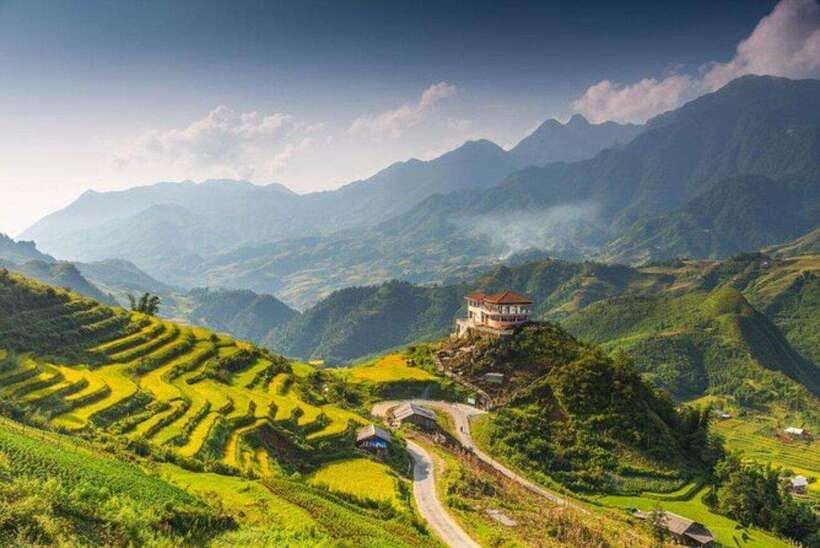
Mud makes the adventure memorable. This Sapa trek combines Muong Hoa Valley scenery with close looks at Hmong and Dzay village life, making it more than a walk between viewpoints. I especially like the local guide-led storytelling and the home-cooked lunch with a Hmong family. The main drawback is the 10 to 12 kilometer route, which can become very muddy and slippery after rain.
I also like the small-group format, limited to 10 people, because it gives you more room to ask questions and move at a sensible pace. Guides such as Chai, Vu, Wu, Rou, and Si receive especially warm praise for their English, humor, patience, and care on tricky sections. Still, this is a proper countryside trek, not a gentle stroll, so your knees, shoes, and weather tolerance matter.
In This Review
- Key points before you book
- Starting at Sapa Church with Fansipan in the distance
- Walking into Muong Hoa Valley’s rice terraces
- Y Linh Ho and the Hmong valley route
- Lao Chai Sang lunch with a local family
- Lao Chai Village and everyday Hmong life
- Ta Van Village and the Dzay people
- How difficult is the 10 to 12 kilometer walk?
- Is $27 good value for Sapa?
- Weather, timing, and what can change
- Who should book this Sapa trek?
- Should you book it?
- FAQ
- Where does the Sapa trek begin?
- How long does the experience last?
- How far do you walk?
- Which villages does the route visit?
- Is lunch included?
- What should you bring?
- Is this trek suitable for everyone?
- Is transport from my hotel included?
Key points before you book
- A 10 to 12 kilometer trek: Expect several hours on foot, with steep, slippery, and muddy sections.
- Three village areas: The route passes through Y Linh Ho, Lao Chai and Lao Chai Sang, then continues to Ta Van.
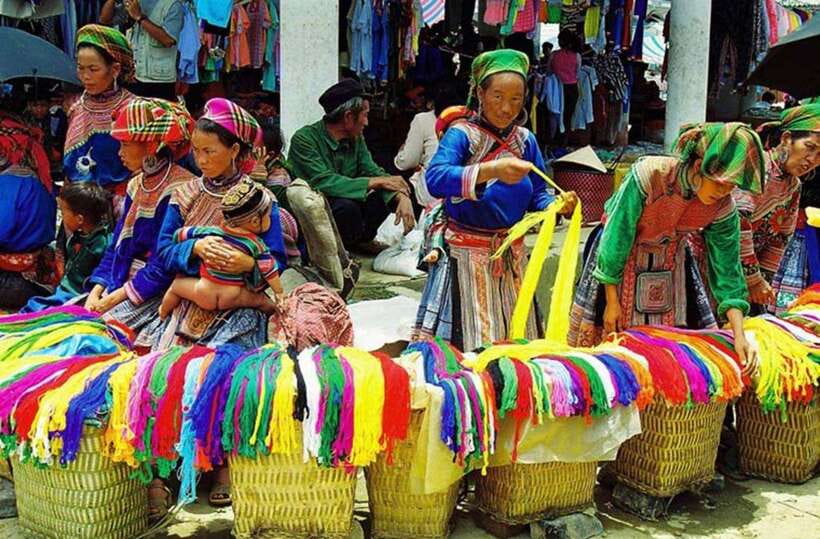
- Hmong and Dzay culture: You learn about farming, clothing, family life, customs, and local history from an ethnic guide.
- Lunch in the valley: A local meal is included, with vegetarian and vegan choices mentioned in the experience feedback.
- Small groups of up to 10: This is a better setup for conversation and personal help on rough paths.
- Weather shapes the day: Fog can hide the Fansipan views, while rain turns parts of the route into a muddy test.
Starting at Sapa Church with Fansipan in the distance
The day begins at 9:00 AM in front of Sapa Church, right in the center of town. Your guide meets you there, so you do not need to arrange a hotel pickup. You should provide a WhatsApp number for easy contact before the trek.
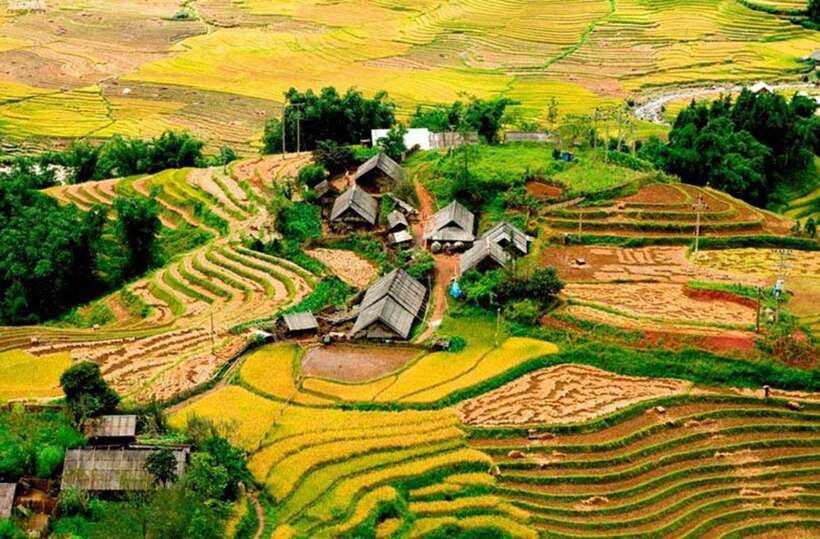
The first stop is a small hill viewpoint looking toward Fansipan Peak. On a clear morning, this gives you an early sense of Sapa’s scale, with high mountains and the valley opening below. Fog is common in Sapa, though, and it can reduce the view to a few layers of gray. That does not ruin the walk, but it changes the mood and limits photography.
If you have only one day in Sapa, this opening viewpoint is useful because it gets you beyond the town quickly. The real attraction, however, comes after the descent into Muong Hoa Valley.
More Countryside and Village Tours in Sapa
- Sa Pa: Muong Hoa Valley Trek and Local Ethnic Villages
★ 4.6 · 864 reviews - Sapa: Fansipan Cable, Cat Cat Village & Moana Instagram Tour
★ 5.0 · 777 reviews - Cat Cat Village, Moana, Fansipan Cable Car, Alpine Coaster – Sapa
★ 5.0 · 420 reviews
Walking into Muong Hoa Valley’s rice terraces
Muong Hoa Valley is the heart of this experience. The route follows paths through layered rice terraces, past streams, wooden homes, farm plots, water buffalo, pigs, ducks, chickens, and village dogs. Depending on the season, you may see farmers planting or harvesting rice.
This farming activity gives the scenery its meaning. The terraces are not simply pretty steps cut into a mountain. They are working fields shaped by generations of Hmong and other local communities. Your guide explains how village life fits around the rice cycle, which helps you understand why the views look the way they do.
The route is not a forest hike, despite one description calling parts of it a jungle walk. Most of the experience takes place among rice fields, village paths, mountain slopes, streams, and paved sections near settlements. That is good news if you want open views, but it also means there is little shelter from rain or strong sun.
The first section can be the hardest. Recent rain creates slippery earth, and several people found the opening descent muddy even when the weather later became sunny. If you want to take the rougher trail, prepare to get your shoes and trousers dirty. An easier road option may be available, but it offers less contact with the terraces.
Y Linh Ho and the Hmong valley route
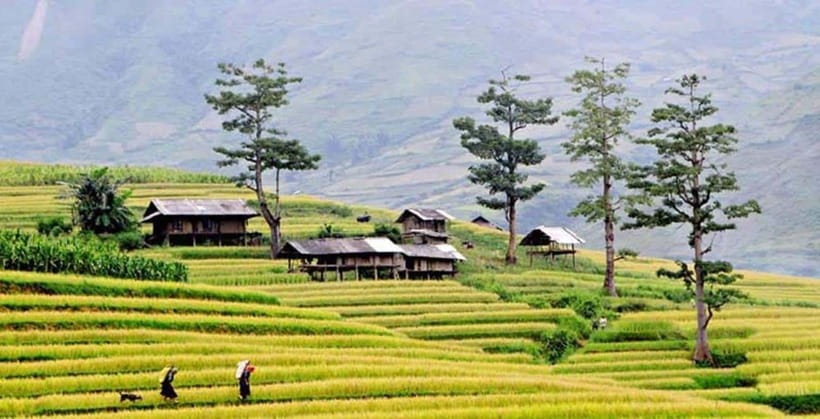
Around 11:00 AM, you reach Y Linh Ho Village, a Hmong settlement in the valley. A small bridge crosses a scenic river before the route continues toward Lao Chai Sang.
This section is where the trek begins to feel personal. Instead of viewing villages from a distant road, you walk through the places where people live and work. Traditional wooden homes, field paths, livestock, and small streams appear along the way. The experience is not polished into a staged attraction, so conditions can be basic and the trails can be rough.
Local women sometimes join walkers through the muddiest parts, offering a hand on steep or slippery ground. They may also sell handmade clothes, bags, or other goods along the route. They are described as friendly and not pushy, but you should carry some cash if you want to support them with a purchase. Buying is optional, and you should not feel pressured to spend.
This is also a useful moment to think about the social side of village tourism. You are passing through working communities, not an outdoor museum. Listen to your guide, ask before entering private spaces, and treat local people with the same courtesy you would expect at home.
Lao Chai Sang lunch with a local family
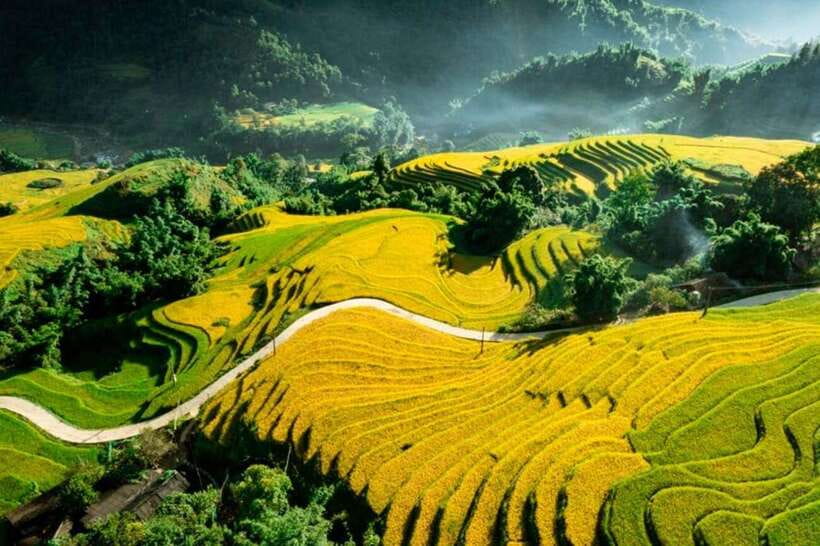
At about 12:30 PM, the group stops for lunch in Lao Chai Sang. The meal is included in the $27 price, and it provides a welcome pause after the more demanding part of the walk.
The food is described as traditional local cooking, served in a village setting with a view. Vegetarian and vegan choices are available, according to the experience details. Drinks are not included, so bring money for beverages or carry your own water.
Lunch matters here for two reasons. First, it breaks up a long trek. Second, eating in a local home or small village restaurant gives you a more direct connection to the area than stopping at a large roadside dining room. The precise setting may vary, since descriptions refer both to a Hmong family meal and to a small village restaurant.
Do not expect a lavish feast. This is a simple local lunch designed to keep you going. The food has been praised as delicious and very good, but your choice may depend on the day’s menu and dietary needs. Tell the guide about restrictions when you meet.
More Hiking and Trekking Tours in Sapa
- Number one top rated ethical cultural trekking and homestay by ETHOS
★ 5.0 · 456 reviews - From Sapa: 1-Day Guided Trek to Lao Chai & Ta Van with Lunch
★ 4.9 · 416 reviews - Sa Pa Full Day Trekking Tour
★ 5.0 · 414 reviews - Sapa 1 Day Long Trek: Trek to Hau Thao and Sa Seng Villages
★ 4.6 · 344 reviews
Lao Chai Village and everyday Hmong life
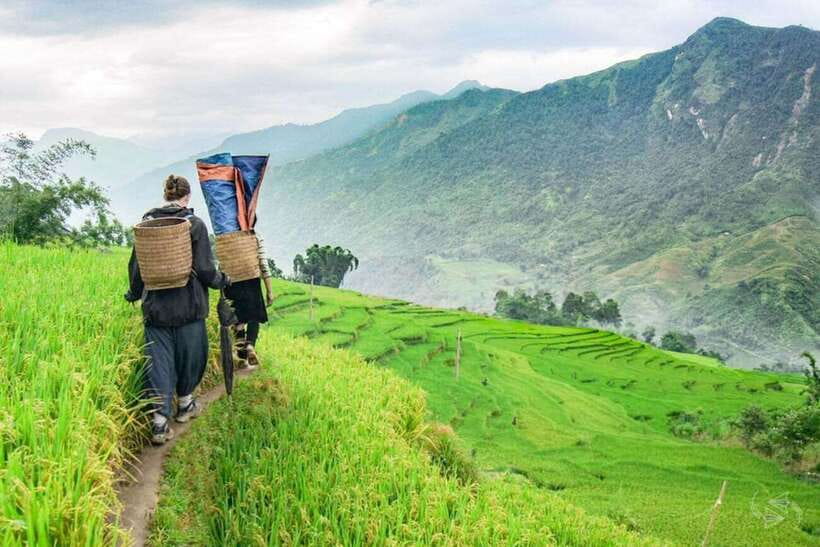
After lunch, the route continues toward Lao Chai Village. Depending on the season, you may see rice planting, harvesting, or quieter field work. The pace is generally described as manageable, but the total distance still adds up.
This part of the trek gives you time to ask practical questions. Guides explain local customs, village history, farming, and the pressures faced by people living in the mountains. Several guides are local women, and their personal knowledge adds useful detail about women’s daily lives, education, work, family responsibilities, and traditional clothing.
The clothing-making demonstration or discussion is one of the more distinctive parts of the day. You learn how traditional Hmong clothing connects to daily life and identity. It is not just a costume display for photographs. The guide helps explain the work and meaning behind the clothing.
Guide quality is a major strength of this experience. Chai is praised repeatedly for clear English, warmth, humor, and careful support on difficult paths. Vu is also praised for sharing her own local background and answering questions. Other named guides include Shou, Chai, Wu, Rou, Si, Le, Lien, Rose, Pai, Chan, and VU. Your exact guide depends on the departure, but the strongest part of the experience is clearly the human connection.
Ta Van Village and the Dzay people
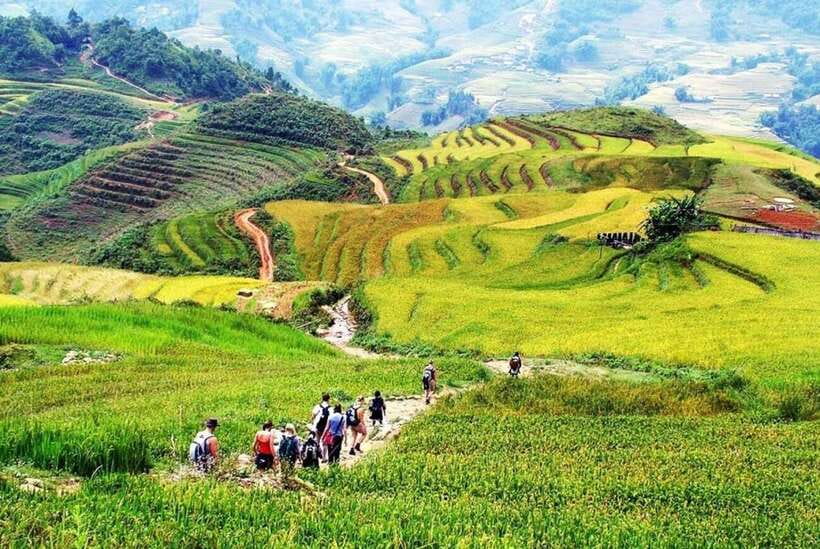
The final village stop is Ta Van, home to the Dzay ethnic minority. By this point, you have crossed several types of countryside, from steep terrace paths to easier village roads.
The change between communities is valuable because Sapa is not defined by one single culture. Hmong and Dzay people have distinct traditions, clothing, and ways of life, even though their villages share the same mountain region. Your guide provides the context, so you are not simply collecting village names.
Some groups visit a local home or are allowed to look inside a traditional house. This is a special opportunity, but it should be handled respectfully. Follow the guide’s lead and do not assume every home or family space is open to visitors.
The tour is scheduled to return to Sapa around 3:30 PM. Some groups finish closer to 4:00 PM, especially when the trail is muddy or the group needs extra help. A bus or van transfer may bring you back to town at the end, but hotel transfers are not included. Confirm the return arrangement when you meet your guide.
How difficult is the 10 to 12 kilometer walk?
The route is best described as moderate, with a few genuinely awkward sections. It is not technical climbing, but you need reasonable fitness and steady footing. The first third can be the roughest, especially after rain.
You may face:
- Mud and slippery downhill paths
- Uneven ground beside rice terraces
- Short steep sections
- Stream crossings or bridges
- Several hours of continuous walking
- Little vehicle support during the trek
The guide can offer different route choices in some places. A road section is easier, but the muddy terrace path is usually more rewarding if you can manage it. Guides and local women often help with balance on slippery parts, which makes a real difference.
Wear hiking shoes with good grip, or rent rubber boots in Sapa if the ground is wet. Several people found borrowed boots useful, and one person reported renting them for a very small fee. Bring clothing that can get dirty. Insect repellent, warm layers, and water belong in your daypack.
This activity is not suitable for children under five, pregnant women, wheelchair users, people with mobility impairments, or people over 75. If you have weak knees, balance problems, or limited hiking experience, choose the easier trail option if available and be honest with the guide about your limits.
Is $27 good value for Sapa?
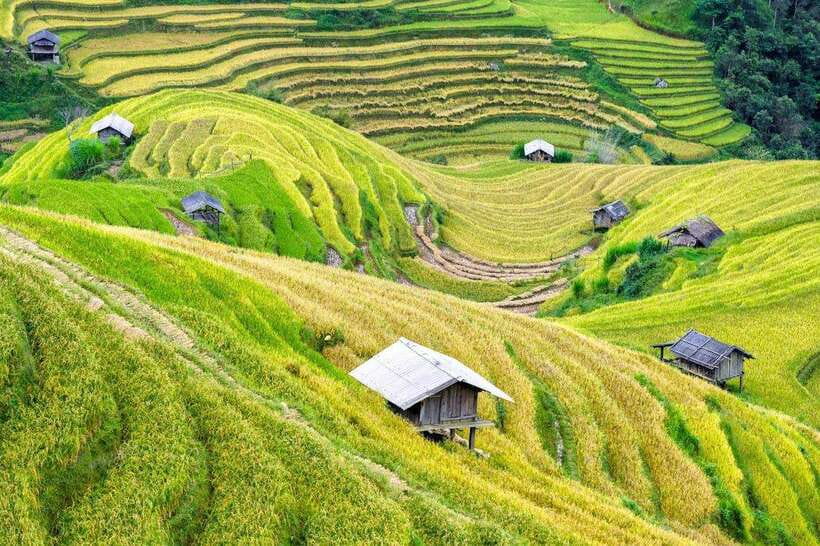
At $27 per person, this is strong value for a full day of guided walking. The price includes an English-speaking local ethnic guide, entrance tickets, and lunch. You also get a small group capped at 10 people, which is important when the route becomes narrow or slippery.
You need to budget separately for drinks, optional purchases from local sellers, footwear rental if needed, and any hotel transfer. Those extras are small compared with the overall cost, but they are easy to forget.
The value is not only in the scenery. A cheaper independent walk might show you rice terraces, but it would not necessarily give you the same explanation of Hmong and Dzay customs, clothing, farming, and family life. The guide turns a pretty walk into a cultural experience.
The main question is your tolerance for basic conditions. If you want a smooth road tour with fixed viewpoints and comfortable transport throughout, this is not the right choice. If you accept mud, changing weather, and a long walk, the price covers a lot of meaningful time in the valley.
Weather, timing, and what can change
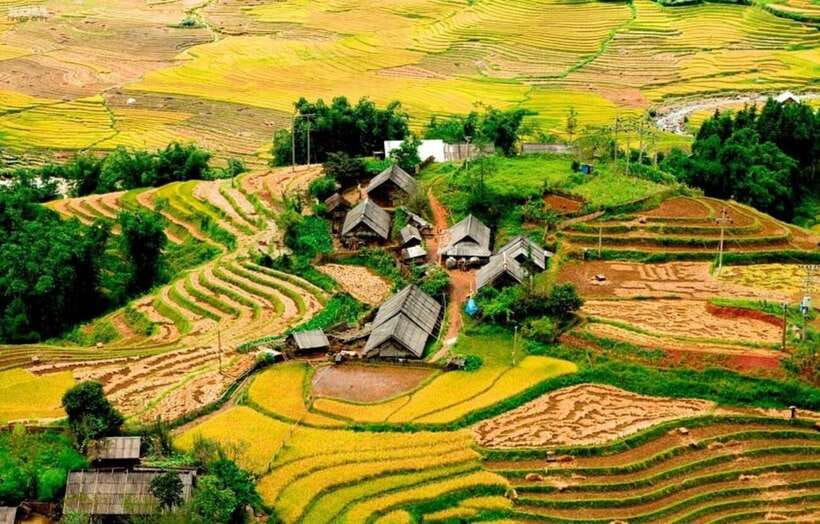
Sapa weather can shift the feel of the day. Mist and fog may hide Fansipan and soften the views, though several people still enjoyed the cultural side of the trek in poor visibility. Rain can make the trail much harder, while dry weather gives you clearer terraces and safer footing.
The best time for photos is not guaranteed in the morning. One group began in fog and found the views improved later in the afternoon. You should book with the understanding that mountain weather is part of the experience, not a minor footnote.
The tour lasts 390 minutes, or six and a half hours, with the stated start at 9:00 AM. That includes walking, village stops, lunch, and the return to Sapa. Allow extra flexibility after 3:30 PM in case the group moves slowly or traffic delays the final ride.
Free cancellation is available up to 24 hours before departure, and you can reserve now and pay later. These terms help if your Sapa plans depend on weather, but the key practical decision remains your fitness and footwear.
Who should book this Sapa trek?
I would choose this experience if you want mountain scenery and genuine contact with local communities in one day. It suits active couples, small groups of friends, solo visitors who enjoy meeting people, and families with teenagers who can handle a long walk.
It is also a good choice if you care more about conversation than a packed list of attractions. The guides are praised for humor, patience, and personal stories, with Chai receiving especially strong approval. Her ability to bring the group together seems to be a real advantage.
I would hesitate if you dislike mud, need predictable walking surfaces, or have trouble with steep descents. You should also skip it if your idea of a day tour involves sitting in a vehicle between photo stops. This route asks you to work for the views.
Should you book it?
Book this Sapa trek if you want to walk through the rice terraces, learn directly about Hmong and Dzay life, and share a local lunch at a fair price. The most valuable part is the guide, so be ready to ask questions and listen.
Skip it if 10 to 12 kilometers sounds excessive or if wet, slippery paths would make the day stressful. For everyone else, pack sturdy shoes, warm layers, insect repellent, and a little cash. Choose the muddy path when conditions allow, keep your schedule flexible, and you will get far more than a quick look at Sapa’s famous terraces.
FAQ
Where does the Sapa trek begin?
The guide meets you in front of Sapa Church in the center of Sapa at 9:00 AM.
How long does the experience last?
The stated duration is 390 minutes, or six and a half hours. The scheduled return to Sapa is around 3:30 PM, though some groups finish closer to 4:00 PM.
How far do you walk?
The trek covers approximately 10 to 12 kilometers of walking and hiking.
Which villages does the route visit?
The route includes Y Linh Ho, Lao Chai Sang, Lao Chai, and Ta Van. Y Linh Ho, Lao Chai Sang, and Lao Chai are associated with Hmong communities, while Ta Van is home to the Dzay minority.
Is lunch included?
Yes. A local lunch is included. Vegetarian and vegan options are available according to the experience information. Drinks are not included.
What should you bring?
Bring warm clothing, hiking shoes, and insect repellent. You should also wear clothing that can get muddy, especially after rain.
Is this trek suitable for everyone?
No. It is not suitable for children under five, pregnant women, wheelchair users, people with mobility impairments, or people over 75. The 10 to 12 kilometer route requires reasonable fitness.
Is transport from my hotel included?
No. Hotel transfer service is not included. The meeting point is Sapa Church, and a bus or van may return the group to Sapa at the end of the trek.
More Countryside and Village Tours
- Motorbike 1 Day Off The Beaten Track, Hidden Villages, rice field
★ 5.0 · 203 reviews - Sapa 1 day trek with local guide to the village by Comlam
★ 5.0 · 148 reviews - Sapa Muong Hoa Valley & Ta Van Eco Village Scenic Tour (No Trek)
★ 5.0 · 144 reviews - Sapa: Motorbike Tour 1 Day Visit Waterfalls & Local Villages
★ 5.0 · 112 reviews
More Sapa Trips and Treks
- Sapa: Fansipan Cable, Cat Cat Village, Moana Instagram Tour
★ 4.8 · 294 reviews - From Sapa: 3-Day Ha Giang Loop with Safe Rider (max 8 pax)
★ 4.9 · 285 reviews - Sapa Motorbike Tour With Local Guide 1 Day – Waterfalls, Villages
★ 5.0 · 254 reviews - Explore Sapa by TrekkingAdventures, Mountain,Rice fields
★ 4.9 · 229 reviews
Just added around Sapa
- Sapa trekking 2 days small group★ 5.0 · 32 reviews
- From Sapa: 3 Day Ha Giang Loop Guided Motorbike Tour With Rider★ 5.0 · 33 reviews
- Vietnamese Spring Rolls Cooking Class★ 5.0 · 34 reviews
- Sapa: 3-Day Ha Giang Loop Motorbike Tour★ 4.9 · 34 reviews
- 2 Day Trekking Experience: Explore with knowledgeable local guide★ 5.0 · 34 reviews
- Trek Adventure in Ta Van Village, Lao Chai★ 5.0 · 36 reviews
- Sapa Trekking & Cooking with H’Mong Locals –Local Culture★ 5.0 · 36 reviews
- Sapa: Local Exploration on a Guided Motorbike Tour★ 4.2 · 37 reviews
Sapa Trips and Treks, compared.

Sapa 2 Days 1 Night From Hanoi – Overnight in Ta Van Village
Read our review →

Muong Hoa Valley Trek and Local Ethnic Villages
Read our review →
Fansipan Cable, Cat Cat Village & Moana Instagram Tour
Read our review →

Sapa 3 Days 2 Nights Trekking Tour (1 Night In Ta Van Village, 1 Night In Hotel)
Read our review →
3-Day Trekking Adventure of Sapa from Hanoi – Stay Ta Van Village
Read our review →
2-Day Sa Pa Ethnic Homestay Tour & Trek with Limousine Bus
Read our review →Browse the lists this tour appears in