
Reviewed · SAPA TRIPS AND TREKS
From Hanoi: 2-Day Sapa Limo Bus Tour & Fansipan Peak Visit
Sapa rewards an early start. This two-day trip combines a rice-terrace trek to Lao Chai and Ta Van with a cable-car ride to Fansipan, giving you mountain villages and Vietnam’s highest peak without arranging each piece yourself. I like the convenient transport package and the chance to meet a local guide from the Hmong community. The main catch is the tight schedule, with roughly six hours each way between Hanoi and Sapa.
I also like the easy Fansipan arrangement: your driver gets you to the cable-car station, then you explore the summit at your own pace. Guides such as Song, Susu, Soh, and Than have earned especially warm praise for their kindness and cultural insight. Still, you should expect basic meals, variable hotel quality, and weather that can hide Fansipan’s views.
In This Review
- Key points to know before booking
- Why this two-day Sapa plan works
- The six-hour ride from Hanoi to Sapa
- Lunch, check-in, and the first look at Sapa
- Walking through Lao Chai and Ta Van
- A little free time in Sapa
- Riding the cable car to Fansipan
- Returning to Hanoi after lunch
- What the price really covers
- Who should book this trip?
- Should you book this Sapa tour?
- FAQ
- How long is the bus journey between Hanoi and Sapa?
- Is the Fansipan cable-car ticket included?
- How long is the cable-car ride to Fansipan?
- How much walking is involved?
- What meals are included?
- What kind of hotel room is provided?
- What should I bring?
Key points to know before booking
- The Hanoi to Sapa ride takes about six hours: Budget sleeper buses can feel cramped, while upgraded cabin-style sleeper buses are far more comfortable.
- The village walk is the cultural heart of the tour: Expect rice terraces, the Muong Hoa Stream, mountain paths, local homes, weaving, shops, and time with a Black Hmong guide.
- Fansipan requires a separate cable-car payment: The round-trip ticket costs about $35 per person and is paid on arrival.
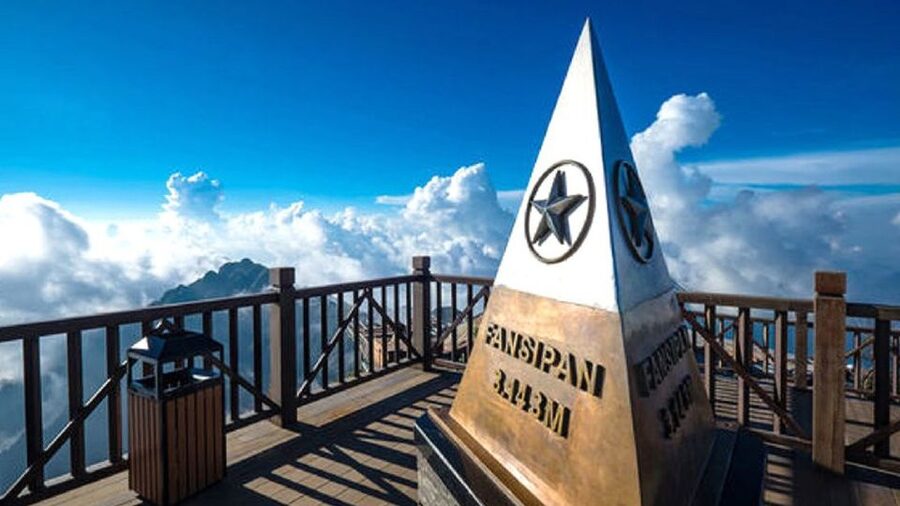
- The summit sits at roughly 3,400 metres: Cold, wind, fog, and dizziness are possible, even when Sapa town feels mild.
- One night makes the schedule brisk: You see a lot, but two nights would give you more breathing room in Sapa.
- Cash matters: Carry Vietnamese dong, small notes for toilet stops, and any medication you need.
Why this two-day Sapa plan works
Sapa is one of northern Vietnam’s easiest places to reach for mountain scenery and ethnic village culture. This package handles the awkward parts: the Hanoi bus, Sapa hotel, local transport, meals, village entrance, guide, and cable-car transfer.
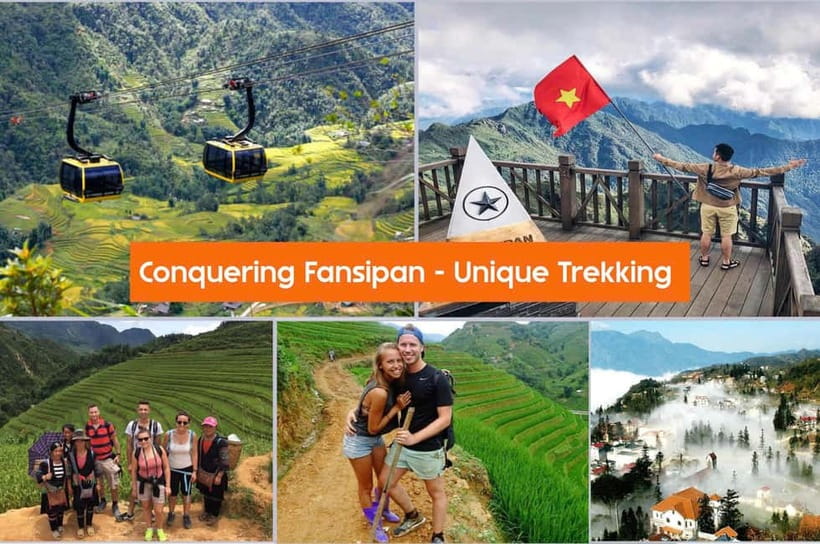
I like that the trip gives you two very different views of the region. The first afternoon is low to the ground, with rice terraces and village paths. The second day takes you high above the Hoang Lien Son range on the Fansipan cable car. One day is personal and human; the other is broad and dramatic.
The tradeoff is time. A six-hour road journey in each direction leaves only part of two days for Sapa itself. If you have limited time in Vietnam, this is an efficient way to reach the mountains. If you prefer slow mornings, long walks, and unplanned café time, add another night.
The tour has a rating of 4.6 from 277 reviews, and that matches the general picture: excellent guides and scenery, with less consistent transport, food, and hotel standards.
More Sapa Trips and Treks in Hanoi
- Sapa 2 Days 1 Night From Hanoi – Overnight in Ta Van Village
★ 5.0 · 2,669 reviews - Hanoi – Sapa 2 Days 1 Night Overnight At Homestay
★ 5.0 · 899 reviews - From Hanoi: 2-Day Sapa Trekking Trip with Homestay & Meals
★ 4.8 · 704 reviews
The six-hour ride from Hanoi to Sapa
The trip begins early in Hanoi. Depending on the option booked, you may meet at a designated point or be collected from a hotel area. Leave your main luggage in the bus trunk, then keep a small day bag with water, medicine, a jacket, and valuables.
The road journey takes about six hours. There are short breaks in Phu Tho Province and Lao Cai city, and some buses stop twice for food, drinks, and toilets. Sleeper buses do not always have a toilet onboard, so use the stops even if you do not think you need one. Bring small Vietnamese notes, since toilet facilities may charge a modest fee.
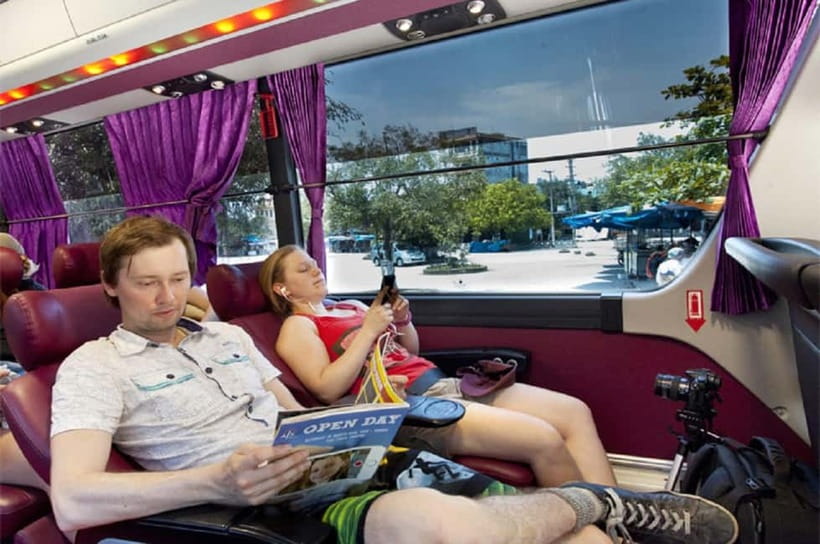
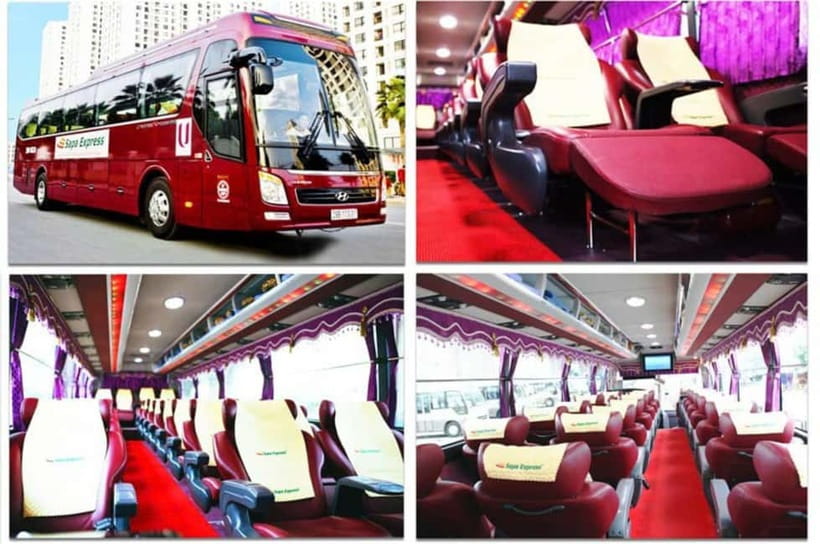
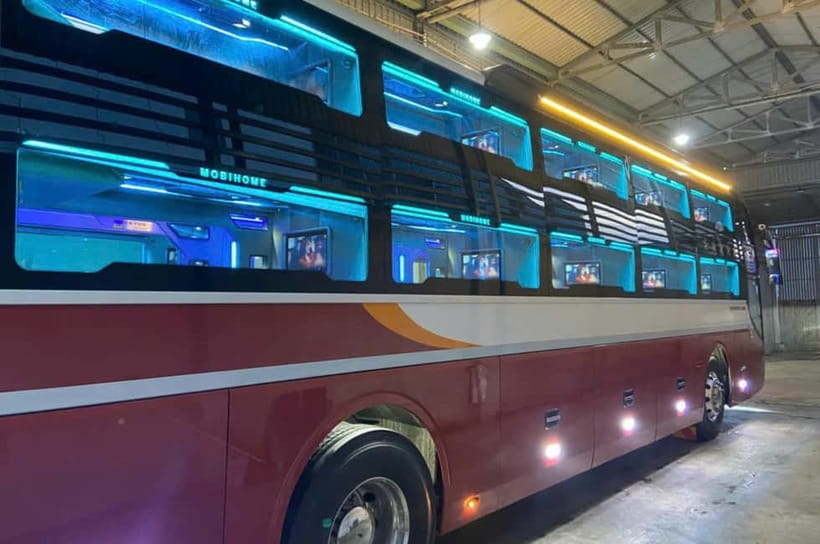
Transport quality can shape your first impression of the tour. Upgraded sleeper buses have individual cabins where you can lie down, and families often find them comfortable. Budget sleeper buses may have narrow berths, especially if you are around 1.8 metres tall or larger. Some buses are modern and clean; others may be older, with less helpful drivers and confusing changes on the return trip.
That variation is important. The package is good value partly because it removes the need to buy transport separately, but the exact bus standard depends on the option selected. If comfort matters, ask specifically for the upgraded sleeper or limousine-style service rather than assuming every departure uses the same vehicle.
Lunch, check-in, and the first look at Sapa
After arriving in Sapa, you are met by a local representative and taken for lunch. The included meals cover two lunches, one dinner, and one breakfast, which keeps the overall cost easier to predict.
Food is one of the weaker parts of the package. Some meals are described as good and filling, while others are basic set menus that feel ordinary. I would treat the included food as practical fuel rather than a reason to book. You can use your free time in Sapa to try local snacks, cafés, or restaurants, but those purchases are extra.
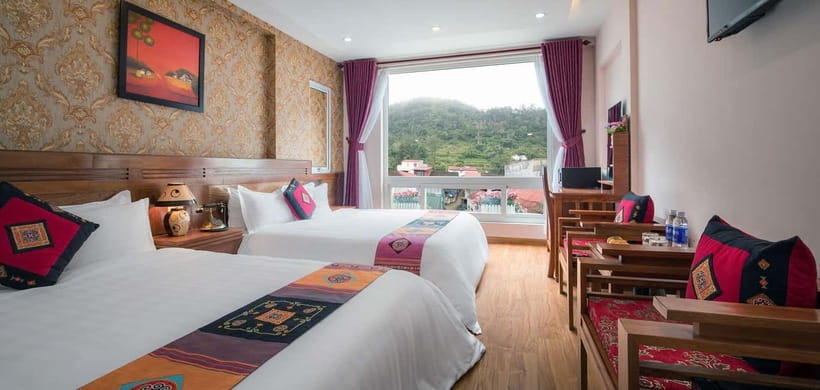
The hotel is listed as a three-star property with a twin or double room. Actual standards vary. Some people receive clean, spacious rooms in a convenient location near the market and night market, sometimes with a swimming pool after an upgrade. Others find the room only adequate, with weak internet, limited bathroom supplies, or a shower that wets much of the bathroom.
That does not make the overnight stay unusable. It does mean you should keep expectations sensible. This is a transport-and-sightseeing package, not a luxury hotel stay. If you want a nicer room, ask about a four-star upgrade before departure. One night is manageable, but a second night makes a better hotel more worthwhile.
Walking through Lao Chai and Ta Van
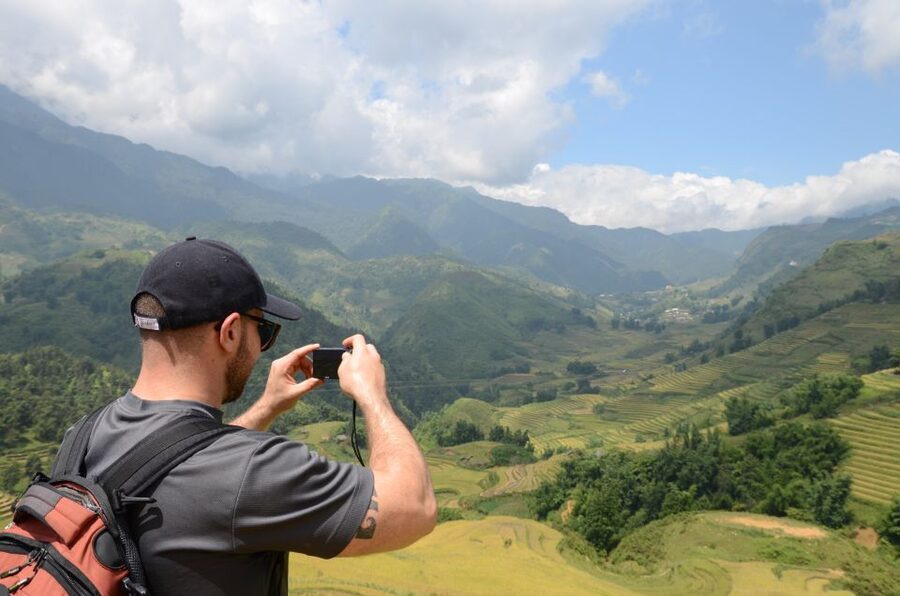
The afternoon village visit is the most rewarding part for anyone interested in daily life in northern Vietnam. You walk through rice terraces and along the Muong Hoa Stream toward Lao Chai, a Black Hmong village surrounded by the Hoang Lien Son mountains. The guide explains local customs, work, homes, and the way people live in the mountain area.
The walk is often described as about two and a half to three hours at an easy pace, with frequent pauses for photographs. That does not mean it is effortless. Paths can include steps, uneven ground, wet sections, and descents followed by climbs. Trekking shoes are a wise choice, especially in rainy weather.
The setting changes as you leave the town. Sapa’s streets and cafés give way to terraces, streams, village homes, and open mountain views. You may see local weaving and traditional clothing, and there are opportunities to ask direct questions about Hmong culture. Guides from the area are particularly valuable here. Song was praised for being organized, gentle, and attentive, while Susu and Than were noted for clear English and patient help.
The itinerary names Lao Chai and Ta Van, but several tour versions described by participants visited Cat Cat Village instead, sometimes with a traditional dance performance. That is not a minor detail. Cat Cat is more developed, with shops, paved sections, photo stops, and many steps. Lao Chai and Ta Van generally suggest a more rural walk. Confirm the exact village route with the operator before you go, particularly if you are booking for the cultural experience rather than simply the scenery.
A car returns you to the hotel after the walk. That is welcome after several hours on foot, especially if rain or mud has made the route harder than expected. Dinner follows, then you have the evening in Sapa.
More Sapa Trips and Treks:
- Sapa 3 Days 2 Nights Trekking Tour (1 Night In Ta Van Village, 1 Night In Hotel)
★ 5.0 · 699 reviews - 3-Day Trekking Adventure of Sapa from Hanoi – Stay Ta Van Village
★ 5.0 · 611 reviews - Sapa 2 Days 1 Night From Hanoi – Overnight in Hotel
★ 5.0 · 440 reviews - 2-Day Sa Pa Ethnic Homestay Tour & Trek with Limousine Bus
★ 4.8 · 440 reviews
A little free time in Sapa
The schedule leaves some free time after the village outing and again after Fansipan. Use it to stroll around the lake, visit the market or night market, sit in a café, or arrange a separate local spa treatment.
Do not expect a full town tour. Sapa is treated as your base, not as a guided sightseeing stop. That suits independent visitors who like a little freedom, but it may disappoint you if you want every hour planned.
The town can also feel crowded and commercial compared with the villages. That contrast is useful: Sapa gives you food, hotels, and transport, while the village walk offers the stronger connection with local life. Keep your free time for the things you most want to do, since the second morning moves quickly.
Riding the cable car to Fansipan
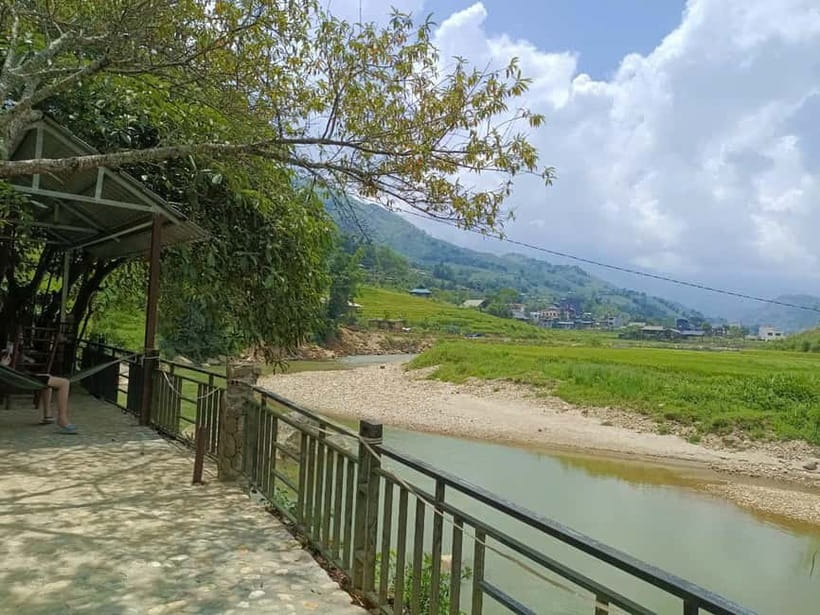
After breakfast, a transfer takes you from the hotel to the Fansipan cable-car station. The driver helps you purchase the ticket, but the cable-car visit is self-guided. The round-trip ticket is not included and costs about $35 per person, paid onsite.
The ride takes about 20 to 25 minutes. It is one of the tour’s most memorable moments, with broad views across the mountains when the weather cooperates. The ride itself is worthwhile even when clouds cover the summit.
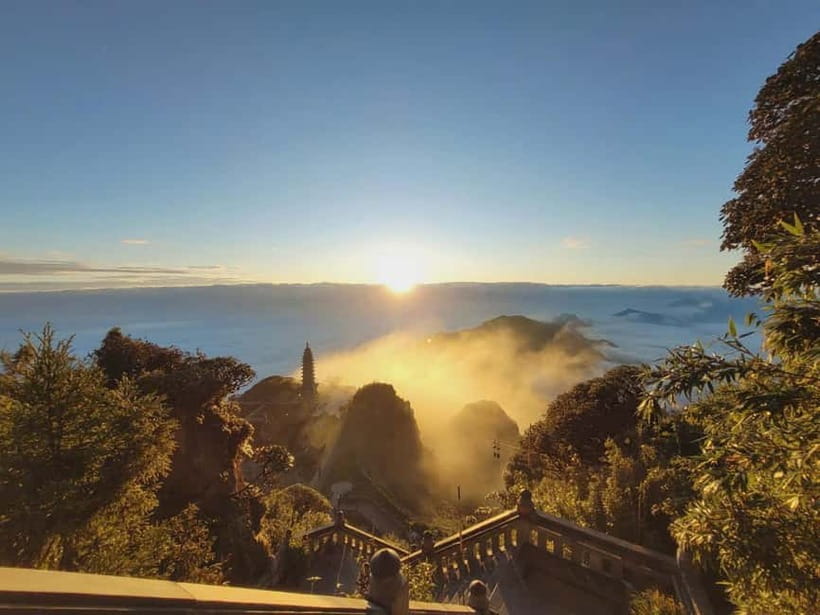
At the top, you can visit the pagoda complex and surrounding religious buildings before climbing roughly 600 steps to the summit marker. Fansipan is known as the Roof of Indochina and reaches about 3,400 metres. The altitude is real, not just a sign for photographs. Some people feel giddy or short of breath, so walk steadily and take breaks.
If your knees are weak or you do not want the stair climb, a monorail can take you closer to the top. The exact transport arrangement may vary onsite, so keep some extra cash available if you choose additional services.
Bring a jacket even on a warm day in Hanoi. The summit can be cold, wet, windy, and wrapped in fog. Cloud can erase the famous view entirely, yet the temple buildings, cable-car ride, and feeling of reaching the peak still make the visit worthwhile. On a clear day, the experience is far stronger, so weather is the tour’s biggest uncontrollable factor.
If Fansipan closes for maintenance, the operator may substitute another attraction, such as the Glass Bridge. That gives you a useful safety net, but it is not the same experience as standing on the summit.
Returning to Hanoi after lunch
You return to Sapa for lunch at the hotel, then have a short period to explore before boarding the bus back to Hanoi. The return trip again takes about six hours, with stops along the way.
This is where the compact schedule shows its limits. You have just climbed or visited Fansipan, eaten lunch, and then face a long road journey. It is efficient, but tiring. An upgraded sleeper bus can make the difference between a tolerable ride and a miserable one.
Be alert when returning to Hanoi. Group transfers may not always drop everyone directly at their hotels, and one reported return involved people waiting on the roadside late at night while vehicles handled other drop-offs. Keep the supplier’s WhatsApp, Line, Viber, or KakaoTalk contact active so you can ask where to wait and how the final transfer will work.
The tour company asks for a working messaging number for confirmation. Take that seriously. The coordinator may check on you during the trip, and quick communication helps when buses change, weather affects Fansipan, or meeting arrangements are unclear.
What the price really covers
The package value is strongest when you compare it with arranging transport, a hotel, meals, village entry, local guiding, and transfers separately. You get round-trip Hanoi to Sapa transport, a twin-sharing three-star room, four included meals, the Lao Chai and Ta Van entrance fee, a local English-speaking guide, the return car from the village, and hotel transfers to the cable-car station.
The Fansipan cable car costs an additional $35 per person. There is also a holiday surcharge of 700,000 Vietnamese dong per person on April 30, May 1, September 1, 2, and 3, December 24 and 31, and January 1, 2026. Check the applicable dates when booking, since holiday travel can also affect bus availability.
For many people, the convenience is worth more than the small saving from independent planning. You do not need to negotiate every transfer or work out how to reach the cable-car station. The package also gives you a local guide for the cultural portion, which is where independent visitors can miss useful context.
The value falls if you want high hotel standards, excellent meals, or a relaxed pace. In that case, pay for a hotel upgrade and consider adding a night.
Who should book this trip?
I would choose this tour if you want to see Sapa and Fansipan from Hanoi but have only a weekend or two spare days. It suits first-time visitors, families who prefer organized transport, and people who want a local guide for the village walk without paying for a fully private itinerary.
It also suits reasonably active visitors who can manage several hours of walking and a long bus journey. You do not need to be an expert hiker, but you should pack proper shoes and be ready for steps, uneven paths, and mountain weather.
I would think twice if you dislike sleeper buses, need a dependable private bathroom during long journeys, or want complete control over your meals and hotel. The trip is also less appealing if you need guaranteed summit views. Fansipan can be foggy, rainy, and windy, even when the excursion is well organized.
Pack trekking shoes, sunglasses, sunscreen, insect repellent, warm layers, medicine, Vietnamese dong, and a small amount of foreign currency. Dollars, euros, and Australian dollars are accepted in Sapa, but local cash is the safer choice.
Should you book this Sapa tour?
Book it if your priority is maximum scenery and culture in minimum time. The best parts are the local guide, the rice-terrace walk, the easy cable-car transfer, and the chance to combine village life with Fansipan in one short trip.
Before paying, confirm three things: the exact village route, the bus class, and the hotel standard. If you can add a second night, I would do so. You will enjoy Sapa more without rushing, and the extra time gives bad weather a chance to clear before your Fansipan visit.
FAQ
How long is the bus journey between Hanoi and Sapa?
The journey takes about six hours each way. There are short stops in Phu Tho Province and Lao Cai city, and some departures include two stops for food, drinks, and toilets.
Is the Fansipan cable-car ticket included?
No. The round-trip cable-car ticket costs about $35 per person and is paid onsite. The driver helps you buy it at the station.
How long is the cable-car ride to Fansipan?
The cable-car ride takes about 20 minutes. Some trip descriptions report a journey closer to 25 minutes.
How much walking is involved?
The village visit usually takes about two and a half to three hours at a relaxed pace. The route can include steps, uneven ground, and climbs. At Fansipan, reaching the summit involves about 600 steps, although a monorail may be available.
What meals are included?
The package includes two lunches, one dinner, and one breakfast. The food is generally basic set-menu fare, though some meals are described as good.
What kind of hotel room is provided?
The standard package includes a double or twin room in a three-star hotel, based on two people sharing. Hotel quality can vary, and a four-star upgrade may be available depending on the option selected.
What should I bring?
Bring trekking shoes, sunglasses, sunscreen, insect repellent, warm clothing, required medication, and Vietnamese cash. A working WhatsApp, Line, Viber, or KakaoTalk number is also requested so the local supplier can contact you.
More 2-Day Experiences
- Amanda Cruise – Ha Long, Lan Ha Bay – All Inclusive 2D1N & 3D2N
★ 5.0 · 4,358 reviews - Hanoi: 2-Day Halong & Lan Ha Bay 5-Star Cruise with Balcony
★ 4.8 · 3,300 reviews - Halong Bay – Le Journey Cruises – All Inclusive 2D1N and 3D2N
★ 5.0 · 2,500 reviews - Mon Chéri Cruise 5 star: Unique 2 Days Tuan Chau – Halong bay – Lan Ha Bay
★ 5.0 · 2,422 reviews
Just added around Hanoi
- Hanoi: Make 6 Iconic Coffees in a Heritage Home with Locals★ 5.0 · 32 reviews
- Private Ninh Binh Full Day (Bich Dong -Tam coc -Mua cave- Biking)★ 5.0 · 32 reviews
- 15-Day Vietnam Itinerary All in One | Travel Package 2026-2027★ 5.0 · 32 reviews
- Retro Hop-on-hop-off Bonbon City Tour: Classic Package★ 4.0 · 32 reviews
- 10-Day Vietnam Discovery from North to South | Best Packages★ 5.0 · 32 reviews
- Verdure Lotus Classic Cruise in Halong Bay & Lan Ha Bay (2D1N)★ 4.0 · 32 reviews
- Full-day Guided Meditation Experience in Ha Noi★ 5.0 · 33 reviews
- Private Transfers Hanoi <=> Halong One Way by Limousine Vehicles★ 5.0 · 33 reviews
Sapa Trips and Treks, compared.

Sapa 2 Days 1 Night From Hanoi – Overnight in Ta Van Village
Read our review →

Muong Hoa Valley Trek and Local Ethnic Villages
Read our review →
Fansipan Cable, Cat Cat Village & Moana Instagram Tour
Read our review →

Sapa 3 Days 2 Nights Trekking Tour (1 Night In Ta Van Village, 1 Night In Hotel)
Read our review →
Eco Adventure Terrace Fields and Local Villages Trek
Read our review →
3-Day Trekking Adventure of Sapa from Hanoi – Stay Ta Van Village
Read our review →Browse the lists this tour appears in