
Reviewed · COFFEE EXPERIENCES
Hanoi: Rose Kitchen: Pho/Bun Cha/Nem+ Free Egg/ Salt Coffee
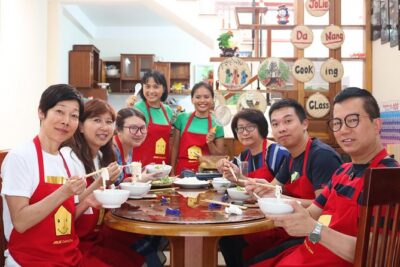
Come hungry, leave with a recipe. Rose Kitchen turns a two-hour cooking class into a friendly introduction to Hanoi food, local traditions, and the people behind them. You meet your cultural storyteller at a yellow Bia Hoi Mau Dich sign, walk a short distance into a garden villa, and spend the session preparing one Vietnamese dish from start to finish.
I especially like the peaceful villa setting and the way the class connects food with everyday culture. I also like the choice of a complimentary coffee, including Hanoi egg coffee, coconut coffee, salt coffee, or a classic drip coffee. The main consideration is that you cook only one main dish, so anyone hoping to make a full Vietnamese menu may find the class more focused than expected.
The $21 price is fair for a two-hour class that includes a welcome drink, a full meal, coffee, equipment, mineral water, English instruction, and luggage storage. The experience is also designed to provide steady work for older women from rural communities, which gives the visit a useful local purpose beyond the plate.
In This Review
- Key things to know before you book
- Finding the villa near Hoang Hoa Tham Street
- Choosing one Vietnamese dish to prepare
- How the two-hour cooking lesson works
- Pho, bun cha, and spring rolls: what each choice offers
- Coffee is the final course
- Dietary needs and comfort
- Is $21 a good value?
- Who will enjoy Rose Kitchen most?
- Practical booking advice
- Should you book Rose Kitchen Hanoi?
- FAQ
- How long does the Rose Kitchen cooking class last?
- How much does the experience cost?
- Where is the meeting point?
- How do I reach the cooking class?
- Which dishes can I choose to cook?
- Are vegetarian options available?
- Which coffees are included?
- Can I cancel my booking?
Key things to know before you book
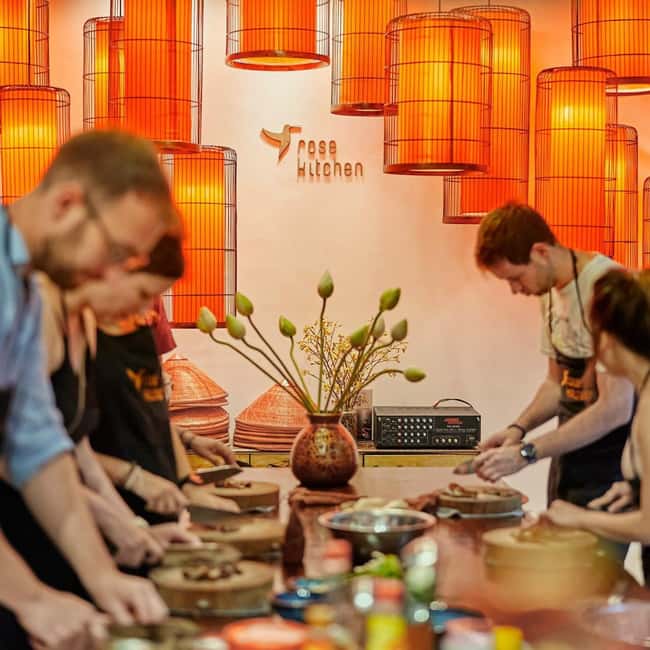
- You cook in one of two 250-square-meter garden villas, with air conditioning and more breathing room than a compact city kitchen.
- You choose one main dish, from pho, bun cha, spring rolls, banh xeo, cha ca, or fresh rice-paper rolls.
- Vegetarian options are available for every dish, and one participant received careful support for a gluten-free diet.
- The coffee is part of the experience, not an afterthought. Egg coffee and salt coffee are popular choices.
- Your guide is both cook and storyteller, with English instruction and cultural background woven into the lesson.
- The meeting point is easy to miss, so look for the large yellow Bia Hoi Mau Dich sign at the crossroads on Alley 75, Lane 173, Hoang Hoa Tham Street.
Finding the villa near Hoang Hoa Tham Street
Rose Kitchen does not meet you at a grand storefront. You take a taxi or Grab to Alley 75, Lane 173, Hoang Hoa Tham Street, then look for the large yellow sign marked Bia Hoi Mau Dich. Your cultural storyteller waits there and leads you on the short walk to the kitchen.
That arrangement is worth noting. The villa is set away from the main road, so you get a quieter start than you would at a class operating directly beside a busy street. It also means you should keep the meeting instructions handy and allow a few extra minutes to find the sign.
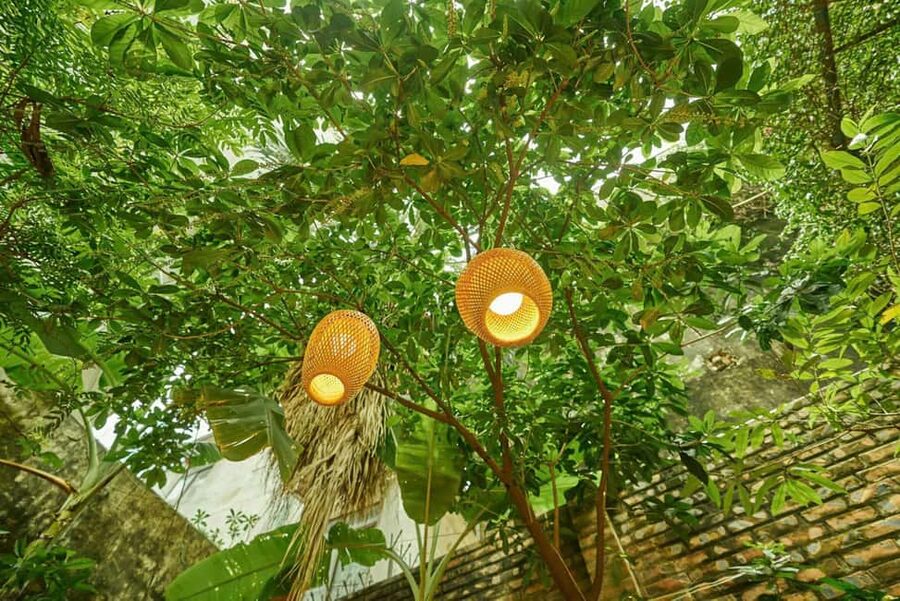
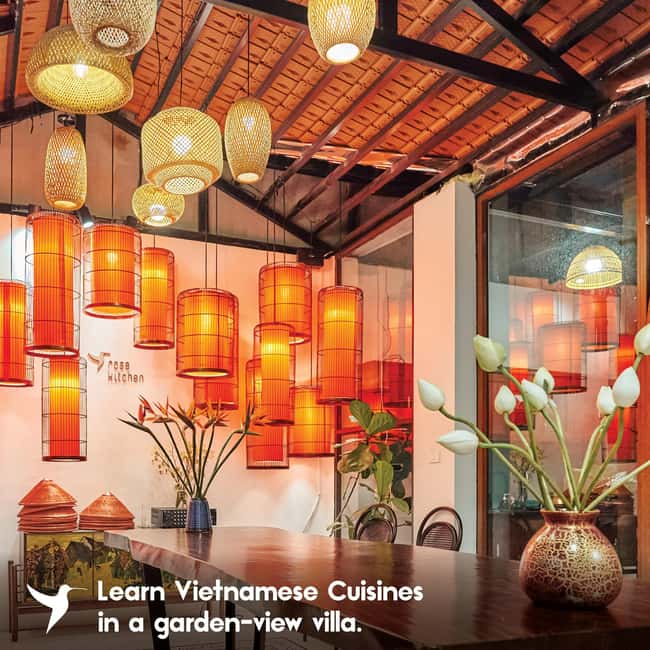
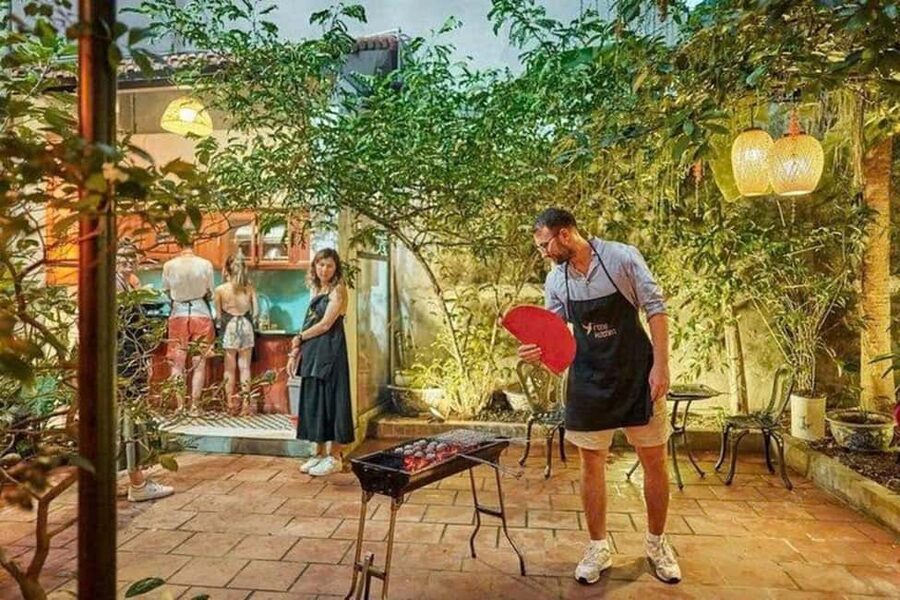
The experience uses two garden villas, each measuring about 250 square meters. That is a generous amount of space for a cooking class, especially if you are tired of tight rooms and crowded counters. Air conditioning is provided, and the setting is described as clean, organized, and peaceful.
On arrival, you receive a complimentary herbal drink. Unlimited mineral water is available throughout the session, a small but welcome detail in Hanoi’s warm weather. Free luggage storage also helps if you are between hotels or carrying bags after checking out.
More Coffee Tours in Hanoi
- Hanoi Coffee Experience: 6 Brews, 9 Recipes & 3 Liquor Tastings
★ 5.0 · 2,945 reviews - Hanoi Coffee Workshop: Taste Salt, Coconut and Egg Coffee
★ 5.0 · 1,286 reviews - Hanoi: Salt Coffee Workshop Awake Your Senses With 6 Brews
★ 5.0 · 792 reviews
Choosing one Vietnamese dish to prepare
The class is built around a clear decision: choose one dish for your group. That focus keeps the lesson manageable within two hours and lets the guide spend time explaining ingredients, methods, and customs instead of rushing through a long menu.
Your choices include:
- Pho bo or pho ga, beef or chicken noodle soup
- Bun cha, Hanoi-style grilled pork with noodles
- Nem ran, fried Hanoi spring rolls
- Goi cuon, fresh spring rolls with herbs and dipping sauce
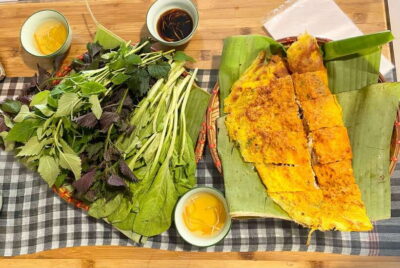
- Banh xeo, a crisp sizzling pancake
- Cha ca La Vong, grilled fish with dill
Vegetarian versions are available for all of these dishes. This is useful for mixed groups because you do not need to find a separate activity for one person who avoids meat. One participant with vegetarian needs had the bun cha adapted and found the finished dish very successful.
You should choose based on what you want to understand, not only what you want to eat. Pho gives you a look at one of Vietnam’s most famous breakfast dishes. Bun cha is especially tied to Hanoi, with grilled pork, noodles, herbs, and dipping sauce. Nem ran is more hands-on and social, since shaping and rolling each spring roll gives everyone a practical job.
Cha ca La Vong offers a more specific Hanoian taste, with grilled fish and dill. Banh xeo brings a different regional style, while goi cuon is a good pick if you prefer fresh herbs and lighter textures. If you already know you want pho, book this class for the explanation and technique rather than expecting to prepare several bowls from scratch.
How the two-hour cooking lesson works
The cultural storyteller guides you step by step in English. The strongest part of the experience is the combination of cooking instruction and food culture. You are not simply told to chop vegetables or season meat. You also learn why particular ingredients are used and how the dish fits into Vietnamese daily life.
That cultural layer comes through in practical details. One family learned why pho is commonly eaten for breakfast, while another participant appreciated the explanations about seasoning and preparation. These small stories help you see Vietnamese food as part of a daily routine, not just something ordered at a restaurant.
The guides named in the feedback include Simon, Maxi, Aroma, Kim, Colin, and Oanh. Simon is repeatedly praised for clear English, patience, humor, and strong cooking skills. Maxi is described as kind, friendly, and attentive, including when she helped with a vegetarian bun cha class. Aroma received warm praise for her energy and helpful manner, while Kim was appreciated for explaining each step in a relaxed and friendly way.
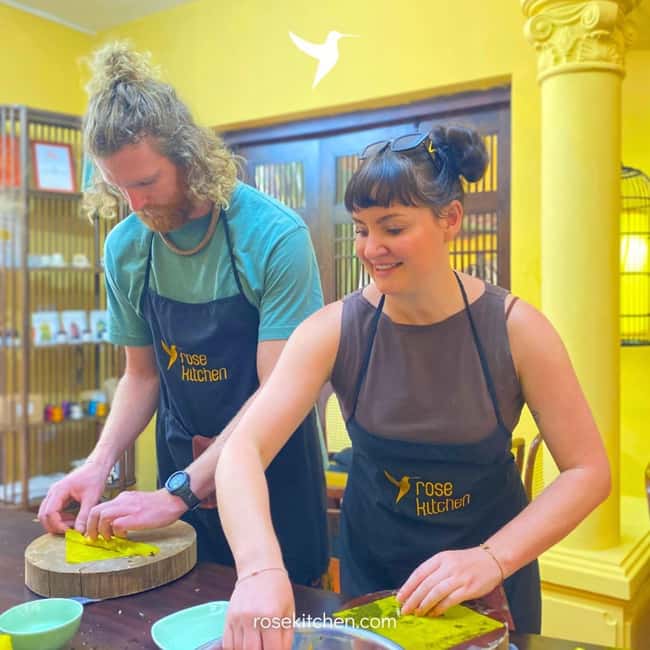
The guide’s personality matters here. Cooking classes can become awkward if the instructor talks too much or leaves you standing around. At Rose Kitchen, the best sessions seem to balance explanation with action. You cut vegetables, season meat or its vegetarian substitute, work with the ingredients, and follow the cooking process rather than simply watching a demonstration.
A dedicated butler is also included for personalized support. The provided details do not specify exactly when the butler steps in, but the service is intended to keep the session comfortable and organized. All cooking and brewing tools are supplied, so you only need to bring curiosity and a willingness to work with your hands.
Pho, bun cha, and spring rolls: what each choice offers
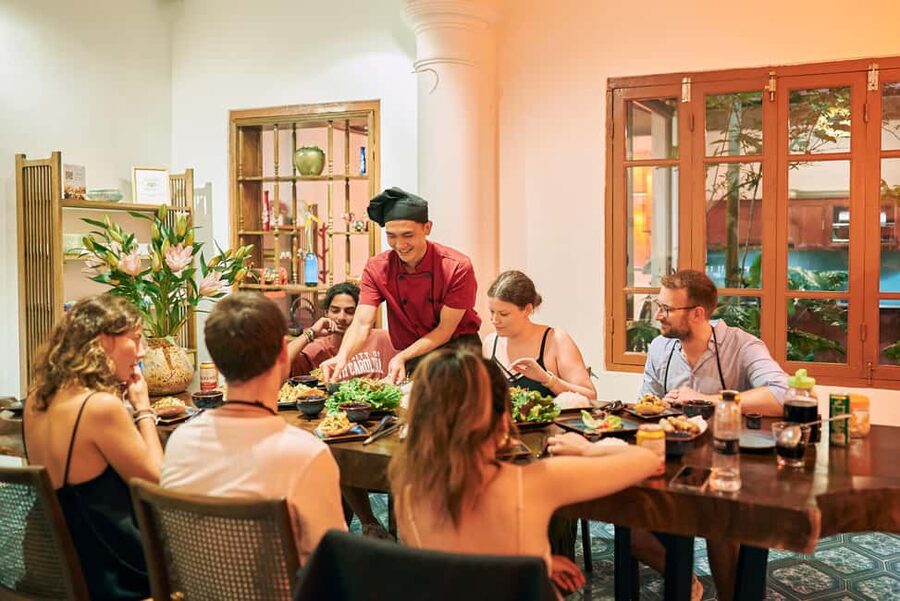
Pho bo or pho ga is the natural choice if you want a cultural anchor for the class. You learn about a dish strongly associated with Vietnam and discover why it has such an important place in the morning meal. One participant described the pho bo as the best pho they had eaten in Vietnam, while another enjoyed learning both pho and egg coffee in a one-on-one class.
Pho may be less suitable if you want constant hands-on activity. Noodle soup involves several elements, and the pace may include periods of preparation and waiting. Still, the lesson gives you a useful framework for understanding the balance of broth, noodles, meat, herbs, and seasoning.
Bun cha is perhaps the most Hanoi-specific pick. The dish combines grilled pork, noodles, herbs, and dipping sauce, so you get several textures and flavors in one meal. It also makes a good family option because different people can help with preparation, seasoning, and assembly.
The bun cha sessions led by Maxi and Aroma received particularly warm praise for patience and taste. A vegetarian version was also prepared successfully, making this a strong choice for a group with different diets.
Nem ran, or Hanoi-style fried spring rolls, is a hands-on choice with a satisfying result. Rolling the filling and handling the wrappers gives you a clear skill to practice. The finished rolls also pair well with other Vietnamese dishes, so the technique is useful beyond this meal.
A class can include more than one preparation element, but the main format still centers on one chosen dish. One participant prepared bun cha and fried spring rolls, so the exact flow may depend on the group and class arrangement. I would confirm your preferred menu when booking if you have your heart set on a particular combination.
Goi cuon is the lighter option. Fresh spring rolls highlight herbs, vegetables, rice paper, and dipping sauce without the fried finish. They suit anyone who wants a fresh meal and a simple technique to repeat at home.
Banh xeo provides the most theatrical cooking moment, with a crisp pancake prepared on the heat. It is a good pick if you enjoy learning about regional differences in Vietnamese food, since this dish is associated with southern cuisine rather than Hanoi.
Cha ca La Vong gives you a taste of a Hanoian specialty built around grilled fish and dill. It is the most distinctive choice on the list, but it may not suit people who avoid fish or prefer a more familiar dish.
More Coffee Tours:
- Hanoi: Vietnamese Street Food Tour with Egg Coffee
★ 4.9 · 315 reviews - Hanoi Cooking Class: Pho/Bun Cha/Banh Xeo…+Free Egg/Salt Coffee
★ 5.0 · 267 reviews - Ha Noi Egg Coffee Class
★ 5.0 · 227 reviews - Hanoi Coffee Workshop: Master 6 Signature Vietnamese Coffee
★ 5.0 · 171 reviews
Coffee is the final course
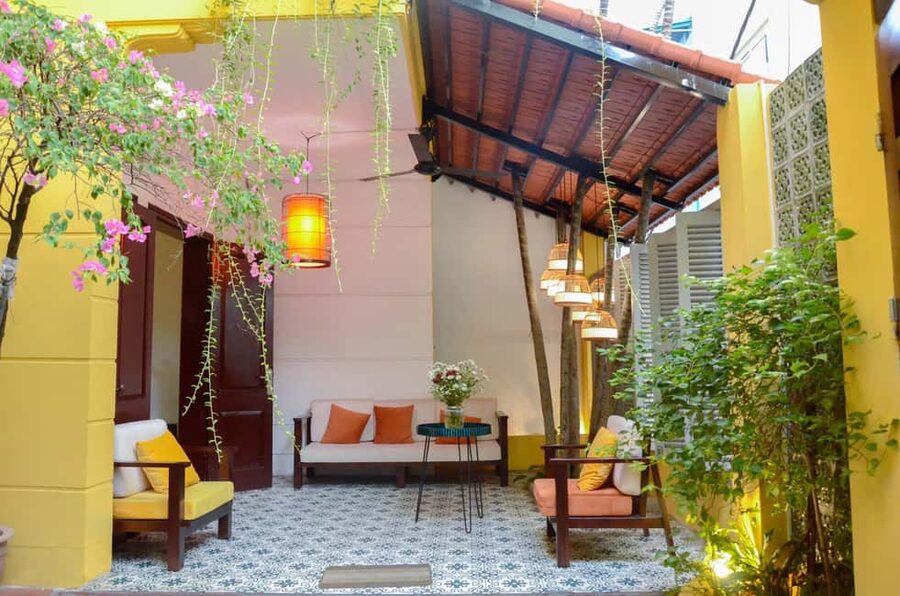
After cooking and eating, you choose one complimentary coffee for your group. Options include egg coffee, coconut coffee, salt coffee, or classic ca phe nau and ca phe den.
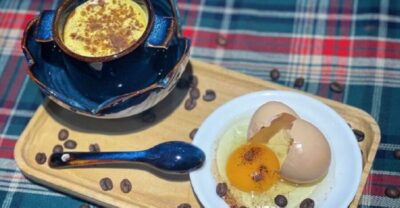
Egg coffee is the most famous Hanoi choice. It has a creamy topping and a dessert-like character, and it became a clear favorite in several sessions. One homemade egg coffee was described as the best of the experience, while another participant learned to prepare it alongside pho.
Salt coffee is a bold alternative and a useful pick if you have already tried egg coffee elsewhere. It is associated with Hue, so it adds a small regional comparison to a Hanoi-based class. Coconut coffee is sweet and silky, while ca phe nau and ca phe den offer the classic strong Vietnamese drip style.
The coffee is more than a free drink added to the booking. It extends the cultural lesson into another part of Vietnamese food life. You finish at a relaxed pace, with something you can look for in cafes during the rest of your time in Hanoi.
Dietary needs and comfort
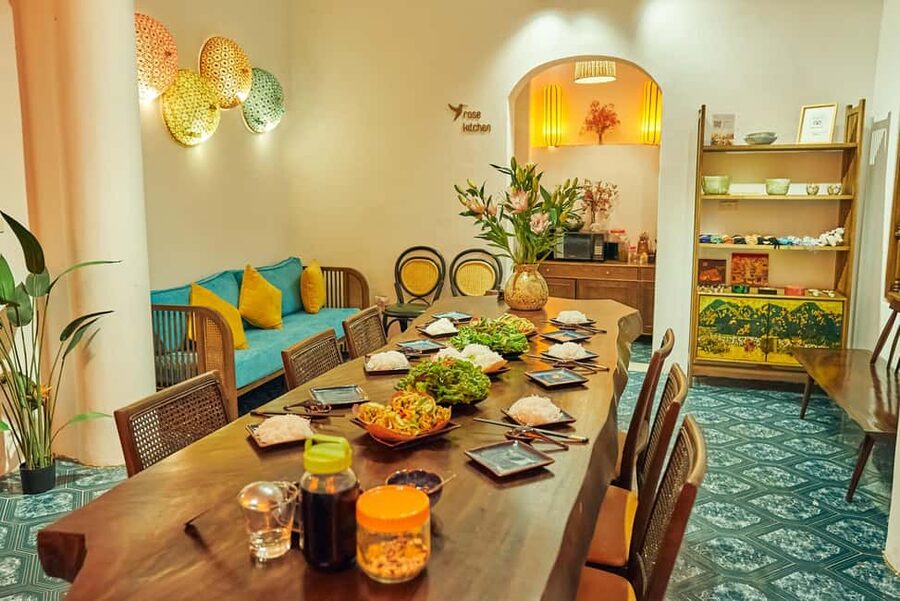
Vegetarian options are offered for every main dish. The class also accommodated a gluten-free participant by checking that ingredients and preparation surfaces were safe. If you have a serious allergy or strict dietary requirement, state it clearly when booking and repeat it on arrival.
The class takes place in an air-conditioned villa, which matters when you are handling hot pans or standing near cooking equipment. Mineral water is unlimited, and the welcome herbal drink gives you an easy start.
The experience is wheelchair accessible according to the activity details. Since the meeting point involves a short walk from the road to the villa, it is sensible to confirm the exact access arrangement in advance if you need particular assistance.
Is $21 a good value?
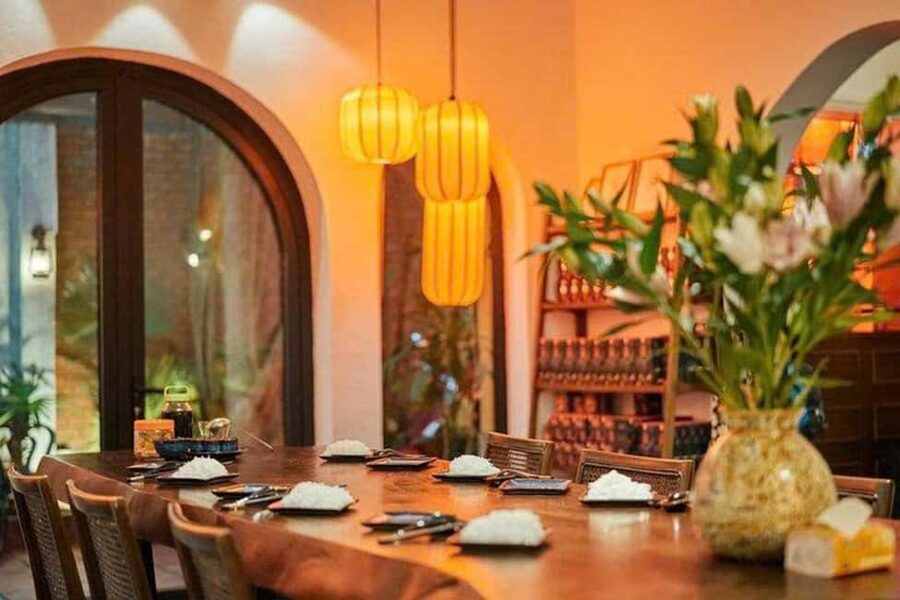
At $21 per person, Rose Kitchen offers more than a basic recipe lesson. The price includes the welcome drink, a two-hour English-led class, all ingredients and equipment, a full lunch or dinner, unlimited mineral water, a complimentary coffee, personalized support, and luggage storage.
The strongest value comes from the setting and personal instruction. You are not paying only for a meal. You are paying for a local guide who explains the food, helps you through each step, and gives context that you would miss by simply ordering bun cha or pho in a restaurant.
The limitation is menu range. You choose one main dish, and the class lasts two hours. If you want to learn a broad collection of recipes, a longer market tour and cooking program may suit you better. For a compact introduction to Vietnamese food, though, the price is reasonable.
The community purpose also matters. Rose Kitchen says the activity helps provide steady, respectful work for elder women from rural communities, allowing them to support their families. That does not replace the need to judge the food and teaching on their own merits, but it adds a practical benefit to your booking.
Who will enjoy Rose Kitchen most?
I would recommend this class to first-time visitors who want a friendly introduction to Vietnamese food without committing half a day. It also suits families, since the cooking tasks can be shared and the guides have been praised for patience with different personalities.
It is a good fit for couples and solo visitors too. Last-minute bookings have sometimes resulted in private, one-on-one sessions, though that should not be treated as guaranteed. A private format can make the instruction more personal, while a shared class may offer more social energy.
Food-focused visitors will get the most from the cultural explanations. You leave with a better idea of why pho appears at breakfast, how Hanoi-style bun cha differs from other Vietnamese dishes, and how coffee traditions vary around the country.
You may want another kind of activity if you dislike cooking, need several dishes in one lesson, or prefer a formal restaurant meal. The class asks you to participate. That is the point, but it may not suit someone looking for a completely passive afternoon.
Practical booking advice
Book a time that allows you to eat the meal as lunch or dinner rather than rushing away. The class lasts two hours, and the meal is included, so leave enough space in your schedule to enjoy the final coffee.
Use Grab or a taxi to reach the meeting point. The yellow Bia Hoi Mau Dich sign is the key landmark, and the storyteller waits there to escort you to the villa. Do not assume the villa will be obvious from the main road.
You can cancel up to 24 hours in advance for a full refund, and the reserve-now, pay-later option keeps your plans flexible. English instruction is provided, and the activity has a perfect transport score from the available rating information.
Should you book Rose Kitchen Hanoi?
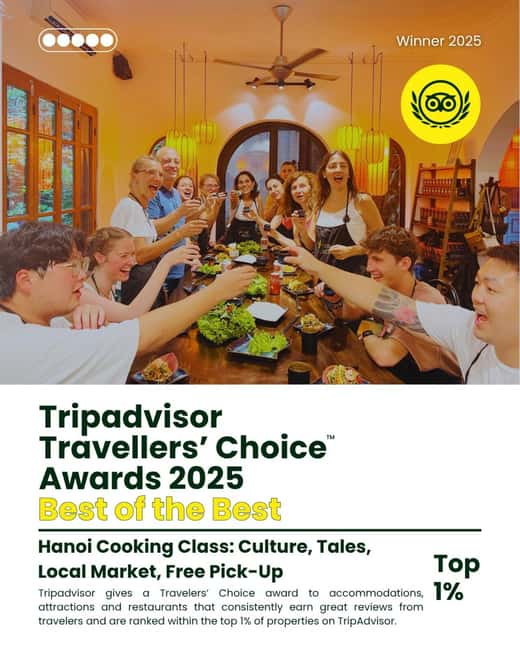
Book it if you want a small, practical taste of Hanoi culture with a meal at the end. The strongest reasons are the spacious garden villa, the warm English-speaking guides, the useful food stories, and the chance to choose between classic dishes and less familiar specialties.
I would choose pho if breakfast culture interests you, bun cha for the most Hanoi-specific meal, nem ran for hands-on fun, or egg coffee for the most memorable finish. Tell the kitchen about vegetarian or gluten-free needs before you arrive.
Skip it only if your priority is learning many recipes in one session. For everyone else, Rose Kitchen offers a well-priced two-hour activity that connects cooking, conversation, and a modest form of community support.
FAQ
How long does the Rose Kitchen cooking class last?
The experience lasts two hours.
How much does the experience cost?
The listed price is $21 per person.
Where is the meeting point?
Meet at Alley 75, Lane 173, Hoang Hoa Tham Street, at the crossroads near the large yellow Bia Hoi Mau Dich sign.
How do I reach the cooking class?
You should take a taxi or Grab to the meeting point. A cultural storyteller will meet you there and escort you on a short walk to the class.
Which dishes can I choose to cook?
You can choose banh xeo, Hanoi-style nem ran, goi cuon, bun cha, cha ca La Vong, pho bo, or pho ga.
Are vegetarian options available?
Yes. Vegetarian options are available for all of the listed dishes.
Which coffees are included?
You can choose egg coffee, coconut coffee, salt coffee, ca phe nau, or ca phe den.
Can I cancel my booking?
Yes. You can cancel up to 24 hours in advance for a full refund. You can also reserve now and pay later.
Just added around Hanoi
- Hanoi: Make 6 Iconic Coffees in a Heritage Home with Locals★ 5.0 · 32 reviews
- Private Ninh Binh Full Day (Bich Dong -Tam coc -Mua cave- Biking)★ 5.0 · 32 reviews
- 15-Day Vietnam Itinerary All in One | Travel Package 2026-2027★ 5.0 · 32 reviews
- Retro Hop-on-hop-off Bonbon City Tour: Classic Package★ 4.0 · 32 reviews
- 10-Day Vietnam Discovery from North to South | Best Packages★ 5.0 · 32 reviews
- Verdure Lotus Classic Cruise in Halong Bay & Lan Ha Bay (2D1N)★ 4.0 · 32 reviews
- Full-day Guided Meditation Experience in Ha Noi★ 5.0 · 33 reviews
- Private Transfers Hanoi <=> Halong One Way by Limousine Vehicles★ 5.0 · 33 reviews
Coffee Experiences, compared.
Vietnamese Coffee Culture and Coffee Making Class
Read our review →
Hanoi Coffee Experience: 6 Brews, 9 Recipes & 3 Liquor Tastings
Read our review →
Hanoi Coffee Workshop: Taste Salt, Coconut and Egg Coffee
Read our review →
Salt Coffee Workshop Awake Your Senses With 6 Brews
Read our review →
Early Morning My Son Sanctuary Trip w. Champa Food & Coffee
Read our review →
Da Nang Cooking Class with Coffee Tasting and Market Visit
Read our review →Browse the lists this tour appears in