
Reviewed · SAPA TRIPS AND TREKS
Hanoi – Sapa 3 Days – 2 Nights Trekking with With the locals
Sapa rewards sturdy shoes. This three-day trek from Hanoi combines famous villages, quieter mountain paths, a local H’Mông guide, and two different overnight stays. I like the small group size, listed as no more than 10 people, and I like that transport, meals, lodging, and guided walks are bundled into one clear price. The main caution is physical: steep climbs, slippery ground, and long downhill sections make this a poor match for anyone expecting an easy sightseeing trip.
I also like the balance between a three-star hotel and a private homestay room. You get a comfortable first night in Sapa, then a more local setting near the villages. The weak point is the schedule. Day two is packed, and the return to Hanoi does not arrive until around 10:00 or 10:30 at night, so you should plan on a tiring final day.
In This Review
- Key points before you book
- What the $130 price really covers
- The early Hanoi departure and five-hour ride to Sapa
- Cat Cat Village gives you a gentle first look at Sapa
- Y Linh Ho and Lao Chai bring the serious walking
- Ta Van is the overnight heart of the trek
- Giang Ta Chai and Su Pan finish the mountain portion
- The late return to Hanoi requires stamina
- What the small group and local guide change
- Comfort, food, and what to pack
- Who should choose this Sapa trip?
- Should you book it?
- FAQ
- How long does the tour last?
- Where does the tour start in Hanoi?
- How many people are in the group?
- What transport is included?
- Where do you stay?
- Which meals are included?
- Is a guide included?
- What happens at the end of the tour?
Key points before you book

- Small groups of up to 10 people: This allows the guide to adjust walking speed and make minor changes to stops.
- Local H’Mông guidance: The focus is not only scenery, but also customs, traditions, and everyday village life.
- Two distinct overnight stays: One night is in a three-star Sapa hotel, and one is in a private homestay room.
- Three major trekking areas: Y Linh Ho, Lao Chai, Ta Van, Giang Ta Chai, and Su Pan form the heart of the route.
- VIP cabin bus from Hanoi: The roughly five-hour highway trip runs both ways.
- Pack light for the hike: Your larger luggage stays at the hotel while you carry only a small bag.
What the $130 price really covers
At $130 per person, this trip offers solid value if you want transport and accommodation handled for you. The price includes the return VIP cabin bus between Hanoi and Sapa, one hotel night, one private homestay night, a local English-speaking guide, two breakfasts, three lunches, and two dinners.
A cooking class is also included. That gives the trip a useful cultural element beyond walking from one viewpoint to the next. Entrance fees and travel insurance are presented as part of the package, with no extra charges advertised for those items.
You still pay for drinks with meals. That is a small cost, but it is worth knowing before you sit down at the restaurant. The price also does not remove the usual effort required from you. Sapa’s paths can be wet, steep, and slick, so good footwear matters more than saving a few dollars on extras.
The value is strongest for someone who wants a short, organized introduction to the Sapa area. Booking transport, finding a village guide, arranging two different types of lodging, and working out the return bus would take time on your own. You pay for convenience while keeping the group small enough for personal attention.
More Hiking and Trekking Tours in Hanoi
- Halong Bay Full Day with Kayaking, Hiking viewpoint, Cave – Deluxe To Luxury
★ 5.0 · 884 reviews - From Hanoi: 2-Day Sapa Trekking Trip with Homestay & Meals
★ 4.8 · 704 reviews - Sapa 3 Days 2 Nights Trekking Tour (1 Night In Ta Van Village, 1 Night In Hotel)
★ 5.0 · 699 reviews
The early Hanoi departure and five-hour ride to Sapa
The day begins early, with pickup from your hotel between 6:00 and 6:30 in the morning. A small transfer bus takes you to the G8 Open Tour office on Ly Thai To Street in Hanoi’s Old Quarter, where you board the larger bus for Sapa.
The highway journey takes about five hours. That sounds simple, but the early start and long ride shape the whole day. You should have breakfast before pickup or carry something with you, since the first planned meal comes after reaching Sapa.
On arrival between 1:00 and 1:30 in the afternoon, a transfer car takes you from the bus station to the hotel. Lunch follows at the hotel restaurant, then you check in. This short pause is useful because the afternoon walk begins soon after. Do not expect a long rest between Hanoi and your first village visit.
The bus arrangement is practical. A small vehicle collects you in Hanoi, then the main bus handles the long route. The same general arrangement brings you back to Hanoi at the end, although the final drop-off is at a bus station, not your Hanoi hotel.
Cat Cat Village gives you a gentle first look at Sapa
At about 2:30 in the afternoon, you walk with the guide to Cat Cat Village, home to the H’Mông people. The visit lasts around three hours and introduces local customs, daily life, and village traditions.
This is a sensible first walk because it lets you begin seeing Sapa on foot without immediately committing to the longer valley trek. The route also gives you a first feel for the area’s terrain. Paths around Sapa often involve steps, slopes, and uneven surfaces, so Cat Cat is a useful test of your legs.
The drawback is timing. After five hours on the bus, lunch, and hotel check-in, you may feel that the afternoon passes quickly. Still, the stop gives the guide a chance to explain the culture that will make the next two days more meaningful.
You are not simply ticking off a village name. The better part of this visit is the chance to ask questions about customs and everyday life through a local H’Mông guide. The experience is strongest when you treat the guide as a bridge to the community rather than rushing from one viewpoint to the next.
Y Linh Ho and Lao Chai bring the serious walking
Day two begins with breakfast between 7:00 and 8:00. You check out of the hotel and leave your larger luggage there, carrying only a small bag for the hike. This is excellent advice. A heavy suitcase would make the steep paths much harder.
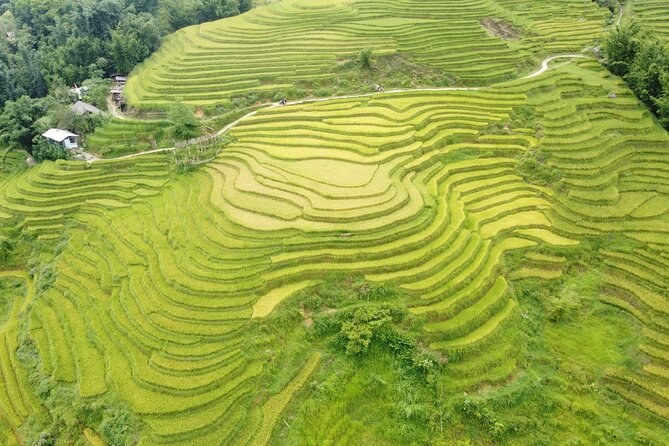
At 8:15, the route heads toward Y Linh Ho. The first section takes about two hours and marks the real start of the demanding trekking. The countryside around this part of the route is known for wide mountain views, terraced fields, and narrow paths between villages.
The walking is not flat. You should expect plenty of uphill and downhill movement, with slippery areas underfoot. A previous visitor gave the trip four out of five and specifically praised the scenery and village contact while warning about the many climbs, descents, and slick surfaces. That is the most useful practical advice here.
Around 10:30, you reach Lao Chai, about six kilometers from Sapa town. Lao Chai is associated with Black H’Mông and Red Dao communities and sits between the Hoang Lien Son mountain range and Ham Rong Mountain.
This stop is valuable because it places the scenery in a human setting. The mountains are impressive, but the villages explain how people live among them. You may find the walking pace more rewarding if you pause to look around instead of treating Lao Chai as a quick rest stop.
More Sapa Trips and Treks in Hanoi
- Sapa 2 Days 1 Night From Hanoi – Overnight in Ta Van Village
★ 5.0 · 2,669 reviews - Hanoi – Sapa 2 Days 1 Night Overnight At Homestay
★ 5.0 · 899 reviews - 3-Day Trekking Adventure of Sapa from Hanoi – Stay Ta Van Village
★ 5.0 · 611 reviews - Sapa 2 Days 1 Night From Hanoi – Overnight in Hotel
★ 5.0 · 440 reviews
Ta Van is the overnight heart of the trek
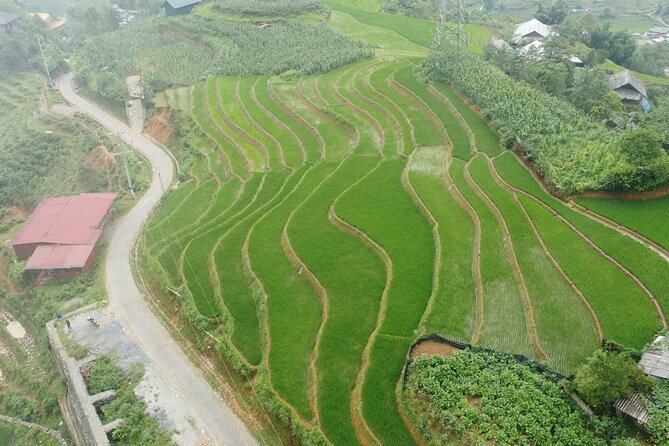
From Lao Chai, you continue toward Ta Van Village. The route runs through the Hoang Lien Son range and keeps the day focused on village life, mountain views, and walking rather than road transport.
The schedule lists a long block for this section, so do not read the day as a short morning stroll. You are out for much of the day, and the combination of distance, slopes, and wet ground can make it feel longer than the timetable suggests.
Ta Van is also where the overnight arrangement changes. Instead of returning to the three-star hotel, you spend the night in a private room at a homestay. That gives you a closer connection to the rural setting and breaks up the trip with a different kind of accommodation.
The homestay includes dinner and breakfast, and a cooking class is included in the package. The class adds real value because it lets you take part in an ordinary local activity rather than simply eating another arranged meal. Exact cooking-class details are not provided, so you should ask the operator what dish or format is planned if that matters to you.
A private room gives you more personal space than a shared dormitory, but you should still expect a simpler setting than the hotel. The tour offers comfort in stages: hotel facilities first, then a more local overnight experience.
Giang Ta Chai and Su Pan finish the mountain portion
After breakfast at the homestay, you check out at about 8:30. At 9:30, you continue to Giang Ta Chai Village and Su Pan Village.
The morning visit lasts around three hours. Giang Ta Chai keeps the focus on village scenery and ethnic communities, while the route to Su Pan gives you another chance to walk through the hills rather than seeing everything from a bus window.
This is still a trekking morning, not a relaxed village photo stop. Your legs may feel the previous day, especially after Y Linh Ho, Lao Chai, and Ta Van. The benefit of keeping the walking on day three is that you see more of the area before returning to Sapa town.
At around 12:30, you reach Su Pan and eat lunch at a local restaurant. After lunch, the bus takes you back to your hotel in Sapa. You have roughly one hour to walk around town before leaving at about 3:00 in the afternoon.
That short Sapa break is useful for a final look around, but it is not enough time for a major shopping session or a long independent visit. Keep your expectations modest and use it to stretch, buy a drink, or collect anything left at the hotel.
The late return to Hanoi requires stamina
The return bus leaves Sapa in the afternoon and reaches Hanoi between 10:00 and 10:30 at night. The bus drops you at a station, and you make your own way back to your hotel.
This late finish is the biggest logistical drawback. If you have an early flight the next morning, the schedule may feel too tight. I would avoid pairing this tour with an important early departure unless you have plenty of backup time.
The good news is that the return transport is included, so you do not need to arrange a separate journey from Sapa. The tradeoff is a long final day after two days of walking. Think of the tour as three full travel days, not two restful nights with a few excursions.
What the small group and local guide change
The group limit is stated as a maximum of 10 people. That is small enough to make a real difference on narrow paths. You can ask for a slower pace, and the tour description allows some adjustment to stops based on interest and fitness.
That flexibility is especially helpful when the ground is slippery. A group that moves as one large crowd can make village paths feel rushed. A smaller group gives the guide more room to watch the pace and explain what you are seeing.
The local H’Mông guide is one of the strongest reasons to choose this tour. You receive more than directions from one village to another. The guide explains ethnic customs, traditions, and daily stories, giving context to the people and homes you pass.
No guide name is provided, so you cannot request a particular person in advance. Still, the local guiding format fits this route well. Sapa’s value is not just in mountain views. It is in understanding the communities that have shaped the valleys.
Comfort, food, and what to pack
The accommodation mix is well judged for a short tour. The three-star hotel offers a more familiar base in Sapa, while the private homestay provides a rural change of pace. The schedule includes two breakfasts, three lunches, and two dinners, so most meals are covered.
Drinks are not included. Carrying some Vietnamese cash or a small amount for drinks is sensible, though the exact payment arrangements are not specified.
Pack only a small hiking bag for day two, since your main luggage remains at the hotel. Bring shoes with good grip, light clothing that can handle changing weather, and a waterproof layer. The supplied warning about slippery surfaces should be taken seriously, not treated as a footnote.
A service animal is allowed according to the additional tour information. The package also includes mobile ticketing and pickup service. Confirmation is provided at booking, and cancellation is free if you cancel at least 24 hours before the start time. Changes or cancellations made inside that window are not accepted for a refund.
Who should choose this Sapa trip?
I would recommend it to you if you want:
- A short first visit to Sapa from Hanoi
- Guided village walks instead of arranging everything yourself
- A local H’Mông guide and cultural explanation
- A mix of hotel comfort and homestay atmosphere
- Included meals and return transport
- A small group with some pace flexibility
I would think twice if you dislike steep trails, muddy or slippery paths, long bus rides, or late-night arrivals. This is not a gentle coach tour. The walking is a central part of the experience, and the second day in particular demands reasonable fitness.
The rating is 4.9 from 95 ratings, with 97 percent recommending the experience. That matches the tour’s strongest features: beautiful village scenery, a well-planned route, local guidance, and a useful range of inclusions. One specific warning advises against the Delta Sapa hotel, so confirm your hotel assignment before departure and ask for a change if that property is planned.
Should you book it?
Book this trip if you want an efficient, good-value introduction to Sapa and are ready for real walking. The local guide, small group, village route, cooking class, meals, and two-way cabin bus make $130 a fair price.
Skip it if you need easy paths, flexible free time, or an early return to Hanoi. For the right person, this tour offers a strong blend of mountain scenery and village contact without the work of planning each piece yourself. Just pack light, wear shoes that grip, and save your energy for day two.
FAQ
How long does the tour last?
The experience lasts three days and two nights.
Where does the tour start in Hanoi?
Pickup begins from your hotel between 6:00 and 6:30 in the morning, followed by transfer to the G8 Open Tour office on Ly Thai To Street in Hanoi’s Old Quarter.
How many people are in the group?
The maximum group size is listed as 10 people.
What transport is included?
The package includes VIP cabin bus transport from Hanoi to Sapa and from Sapa back to Hanoi.
Where do you stay?
You stay one night in a three-star hotel and one night in a private room at a homestay.
Which meals are included?
The package includes two breakfasts, three lunches, and two dinners. Drinks with meals are not included.
Is a guide included?
Yes. A local English-speaking guide accompanies the Sapa portion of the trip, and the guide is described as H’Mông.
What happens at the end of the tour?
The bus arrives in Hanoi around 10:00 to 10:30 at night and drops you at a bus station. You arrange your own transport back to your hotel.
More Hiking and Trekking Tours
- 3D and 2N Lan Ha Bay Cat Ba Island Kayaking & Trekking with Vega
★ 5.0 · 593 reviews - Ninh Binh 1 day Hoa Lu Trang An with Dragon Mountain Hiking
★ 5.0 · 245 reviews - Ninh Binh: Hoa Lu, Trang An and Mua Caves Hiking Day Trip
★ 4.5 · 163 reviews - From Hanoi: Trek and Stay: 3-Day Sapa Highlands Adventure
★ 4.6 · 152 reviews
More Sapa Trips and Treks
- 2-Day Sa Pa Ethnic Homestay Tour & Trek with Limousine Bus
★ 4.8 · 440 reviews - Hanoi – Sapa 3 Day 2 Night Trekking With Hotel & Homestay
★ 5.0 · 389 reviews - From Hanoi: 2-Day Sapa Limo Bus Tour & Fansipan Peak Visit
★ 4.6 · 277 reviews - From Hanoi: 2-Day Sapa Trek Tour – Luxury Limousine Transfer
★ 4.1 · 249 reviews
Just added around Hanoi
- Private Ninh Binh Full Day (Bich Dong -Tam coc -Mua cave- Biking)★ 5.0 · 32 reviews
- Hanoi: Make 6 Iconic Coffees in a Heritage Home with Locals★ 5.0 · 32 reviews
- Retro Hop-on-hop-off Bonbon City Tour: Classic Package★ 4.0 · 32 reviews
- 15-Day Vietnam Itinerary All in One | Travel Package 2026-2027★ 5.0 · 32 reviews
- Verdure Lotus Classic Cruise in Halong Bay & Lan Ha Bay (2D1N)★ 4.0 · 32 reviews
- 10-Day Vietnam Discovery from North to South | Best Packages★ 5.0 · 32 reviews
- Full-day Guided Meditation Experience in Ha Noi★ 5.0 · 33 reviews
- Private Transfers Hanoi <=> Halong One Way by Limousine Vehicles★ 5.0 · 33 reviews
Sapa Trips and Treks, compared.

Sapa 2 Days 1 Night From Hanoi – Overnight in Ta Van Village
Read our review →

Muong Hoa Valley Trek and Local Ethnic Villages
Read our review →
Fansipan Cable, Cat Cat Village & Moana Instagram Tour
Read our review →

Sapa 3 Days 2 Nights Trekking Tour (1 Night In Ta Van Village, 1 Night In Hotel)
Read our review →
Eco Adventure Terrace Fields and Local Villages Trek
Read our review →
3-Day Trekking Adventure of Sapa from Hanoi – Stay Ta Van Village
Read our review →Browse the lists this tour appears in