
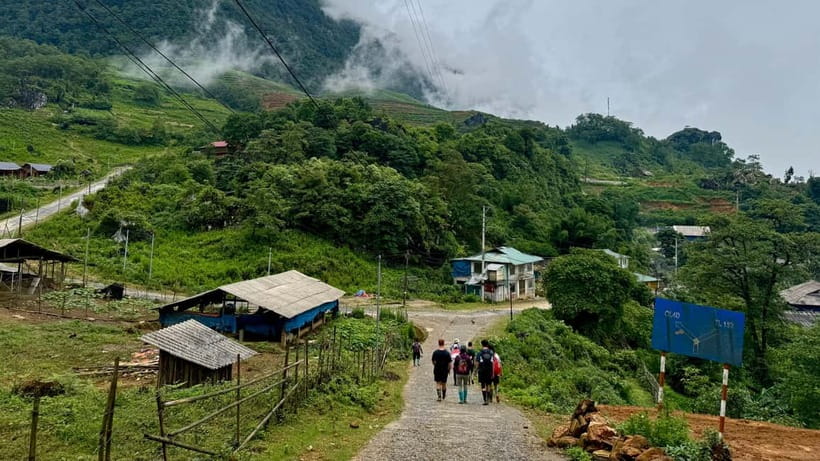
Reviewed · SAPA TRIPS AND TREKS
Sapa 2-Day Trekking Tour – Explore Villages & Scenic Trails
Sapa rewards slow walking. This two-day trek takes you from town into rice terraces, bamboo forests, waterfalls, and ethnic villages, with a night in a local homestay. I especially like the choice between Ta Van for a gentler cultural route and Hau Thao for quieter mountain trails, though the 10 to 14 kilometers per day can feel demanding in rain or if your knees are not happy.
I also like the small-group format and the strong local guiding. Guides such as Mao, Thao, Sung, Su, and Ai are praised for adjusting the pace, explaining Hmong, Dzay, and Red Dao life, and keeping people together on tricky paths. The main drawback is that the tour information includes some conflicting transport details connected to Cat Ba and Lan Ha Bay, so you should confirm that your booking covers the Sapa trek only and clarify the exact meeting arrangements.
In This Review
- The essential points at a glance
- Why this Sapa trek is worth your time
- Starting from Sapa Town at 9:00 AM
- Ta Van route: the easier path through Muong Hoa Valley
- Y Linh Ho and Lao Chai
- Ta Van and the Dzay homestay
- Day two: bamboo forest, suspension bridge, and Giang Ta Chai
- Hau Thao route: quieter trails and a tougher day
- Guides are the heart of the experience
- Food, rooms, and what the $58 price buys
- How hard is the trek?
- When to choose Ta Van or Hau Thao
- Should you book this Sapa trek?
- FAQ
- Where does the Sapa trek start?
- What time does the trek begin?
- How long is the trek each day?
- Which route is easier, Ta Van or Hau Thao?
- Where do I stay overnight?
- Which meals are included?
- Can I leave my large luggage behind?
- What footwear should I bring?
- Is transport back to Sapa included?
- Can I bring my pet?
The essential points at a glance

- Two routes, two very different moods: Ta Van offers a gentler walk through Muong Hoa Valley, while Hau Thao brings longer, quieter mountain trails.
- A real overnight village stay: You spend one night in a homestay, with a private room listed, plus two lunches, dinner, and breakfast.
- Small groups make a difference: A group of five allowed the guide to set a comfortable pace, answer questions, and alter the route when needed.
- The first day covers classic Sapa scenery: Y Linh Ho, Lao Chai, rice terraces, ethnic crafts, and the walk toward Ta Van or Hau Thao.
- The second day adds bamboo and waterfalls: The route passes through Giang Ta Chai, a Red Dao village, and includes a suspension bridge and waterfall scenery.
- Expect proper hiking, not a village stroll: Trails can be muddy, narrow, steep, and slippery, especially from May through September.
Why this Sapa trek is worth your time
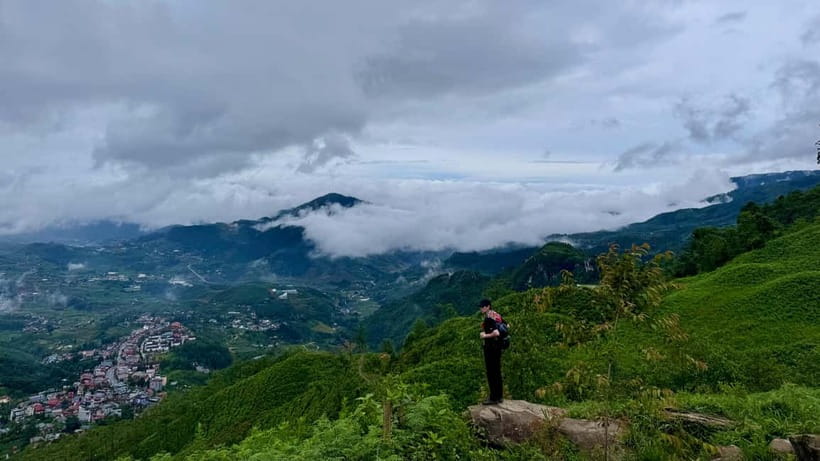
Sapa is easy to experience badly. You can spend a few hours taking photographs from a viewpoint, buy a souvenir, and leave with a thin idea of the place. Walking between villages gives you something better: a sense of distance, work, weather, and how the valleys connect.
The route passes through terraced rice fields that change with the season. In wet months, the paths may be muddy and the terraces can look fresh and reflective. At other times, the fields offer broad views over the valley and mountains. The exact weather is never guaranteed, so part of the appeal is accepting Sapa as it comes.
I like that this tour does not force every person into the same style of outing. Ta Van is the sensible choice if you want good scenery and cultural contact without the most demanding route. Hau Thao suits you if you would trade some comfort for fewer people, narrower trails, and a stronger sense of being away from the main walking circuit.
The experience has a 4.9 rating from 46 reviews, and the praise is remarkably consistent about the guides, food, scenery, and organization. That does not mean the walk is effortless. One person described the route as a challenge, while another found the pace too rushed for photographs. Both points are useful: you get a rewarding trek, but you should not expect a relaxed sightseeing day.
More Countryside and Village Tours in Hanoi
- Sapa 2 Days 1 Night From Hanoi – Overnight in Ta Van Village
★ 5.0 · 2,669 reviews - Incense Village, Hat Making & Lacquer Artisan Small Group Hanoi
★ 5.0 · 1,266 reviews - Incense Village, Conical Hat, Lacquer Art, SMALL GROUP From Hanoi
★ 5.0 · 1,170 reviews
Starting from Sapa Town at 9:00 AM
The trek begins at 9:00 AM from Sapa Town. You should arrive at Sapa TT Homestay 15 to 30 minutes early, or at least 30 minutes early if you need to check in, store luggage, and attend the pre-trek briefing.
The meeting point is about one kilometer from central Sapa. You can reach it by taxi or motorbike. Big bags can be left at the office, so bring a small daypack with water, rain protection, a change of clothes, and anything you need for one night.
This early start gives you a full day on the trail, but it also means you should plan breakfast in advance. Sapa weather changes quickly. Warm layers matter in cool months, while a rain jacket becomes essential during the wet season.
The tour operates year-round. From May to September, mud can make the same route much slower and more tiring. Good hiking shoes are the right choice. If the paths are very wet, some people may prefer renting gumboots, a tip that appears especially useful for rice-field sections.
Ta Van route: the easier path through Muong Hoa Valley
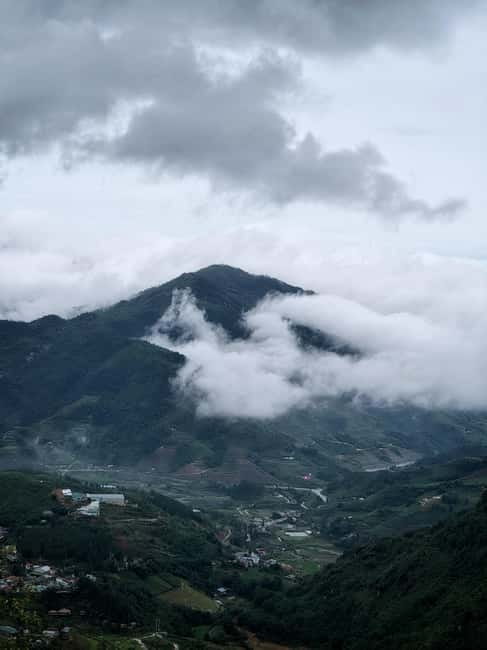
The Ta Van option is the best all-round choice for many people. It combines famous views, village life, and a manageable trekking rhythm. The route is described as gentler and shorter than Hau Thao, though 10 to 14 kilometers in a day is still a proper walk.
Y Linh Ho and Lao Chai
From Sapa, you walk down toward Muong Hoa Valley, passing Y Linh Ho and Lao Chai. These villages are associated with the Black Hmong, and the route gives you opportunities to see traditional clothing, local crafts, and daily village activity.
The first section follows the same general path as the Hau Thao route. It is one of the most scenic parts of the trip, with rice terraces spreading across the slopes and mountain views opening around the valley. Your guide can add meaning to what you see by explaining local customs, plants, and the way different ethnic communities live in the area.
Local sellers may walk alongside you during part of the first day. Some walkers find this persistent, while others appreciate the help on muddy or uneven ground. If someone assists you and you want to respond kindly, buying a handmade craft is a practical gesture. You should not feel pressured to purchase, but it is wise to expect some sales contact on the busier sections.
Lunch comes with views over the terraces. Meals are included, and the food is Vietnamese, prepared with local ingredients. Vegetarian and vegan meals are available if requested ahead of time. If you have an allergy, tell the operator before departure. One guide, Sung, reportedly checked ingredients with host families at every meal, which is exactly the sort of care you want in a rural setting.
More Hiking and Trekking Tours in Hanoi
- Halong Bay Full Day with Kayaking, Hiking viewpoint, Cave – Deluxe To Luxury
★ 5.0 · 884 reviews - From Hanoi: 2-Day Sapa Trekking Trip with Homestay & Meals
★ 4.8 · 704 reviews - Sapa 3 Days 2 Nights Trekking Tour (1 Night In Ta Van Village, 1 Night In Hotel)
★ 5.0 · 699 reviews - 3-Day Trekking Adventure of Sapa from Hanoi – Stay Ta Van Village
★ 5.0 · 611 reviews
Ta Van and the Dzay homestay
After Lao Chai, you continue toward Ta Van, a village linked with the Dzay people. This is where the route shifts from day walk to overnight stay.
The homestay is intended to feel local rather than hotel-like. You share a traditional meal with your hosts and have time to rest after the walk. The accommodation is listed with a private room, though the general feel remains that of a homestay rather than a polished resort.
The food is one of the strongest parts of the experience. Several people describe the dinner as a highlight, with fresh local dishes and good vegetarian choices. You should note that many Vietnamese meals may include meat, so dietary needs need to be clearly stated before the trek.
The homestay experience varies by your own expectations. You might get a warm, personal evening with stories and family contact, but you should not assume a formal cultural program. One person enjoyed the location and hosts but wanted more conversation. That is a fair warning: rural hospitality can be generous without being staged for entertainment.
Day two: bamboo forest, suspension bridge, and Giang Ta Chai
After breakfast, the Ta Van route heads toward Giang Ta Chai. You cross a suspension bridge and walk through bamboo forest, with the path leading toward a waterfall and a Red Dao village.
This section gives the trek a change of texture. The first day is known for open terraces and valley views. The second day feels more enclosed, green, and wooded. The waterfall is a memorable stop, and you might want to bring a swimsuit if you would like the option of cooling off nearby.
Giang Ta Chai offers another chance to learn about ethnic life, this time connected with the Red Dao community. A good guide helps you notice the differences between groups rather than treating every village as the same. Guides named Mao, Thao, Su, and Ai are praised for explaining customs, plants, animals, and personal stories in clear English.
After lunch, a car takes you back to Sapa. This matters more than it may sound. Finishing a second day on tired legs and then walking all the way back to town would make the tour considerably harder. The included vehicle keeps the final section practical.
Hau Thao route: quieter trails and a tougher day
Choose Hau Thao if your priority is solitude and a more rugged walk. The route begins along the same general trail through Y Linh Ho and Lao Chai, then turns toward the mountains and the remote village of Hau Thao.
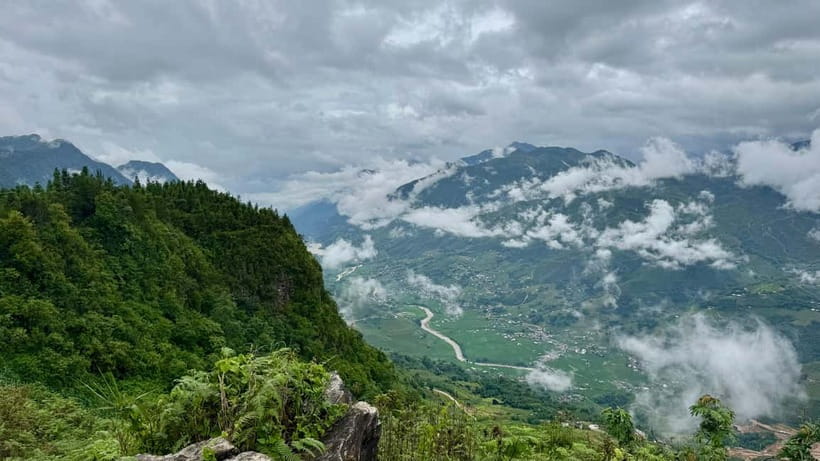
The scenery is broad and dramatic, with fewer people on the paths. You spend the night with a Black Hmong family and have a traditional dinner. This route offers stronger contact with Hmong village life, but it also asks more from your legs and balance.
On the second day, the route continues along narrow mountain paths with cliffside views before returning toward Sapa after lunch. The combination of narrow trails, uneven ground, and changing weather makes proper footwear especially important.
Hau Thao is not the obvious pick for someone who wants an easy introduction to Sapa. It is a better match if you already enjoy hiking and like the idea of trading some convenience for a less crowded route. The guide’s role matters greatly here. On a small group trek, a guide can keep everyone together and adjust the pace when needed.
Guides are the heart of the experience
The scenery gets you to Sapa, but the guide determines how much you understand. The strongest part of this tour is the local guiding, with several guides praised for warmth, humor, clear English, and personal stories.
Mao is described as attentive and good at including every person in a small group. Thao is praised for finding quiet paths and avoiding crowded areas. Sung is noted for food safety and for welcoming people into a family home. Ai helped walkers cross rice fields with confidence, while Su and Suav are described as calm, caring, energetic, and well informed about local culture and nature.
You should still remember that guide quality can vary by individual assignment. The encouraging pattern is that the company appears to use guides who know the villages personally and can alter the route when needed. That is far more useful than a guide who simply leads you from one checkpoint to another.
A group of five is small enough to feel personal. You can ask questions, stop for photographs, and tell the guide if your knees need a break. If your group is larger on your date, the pace may feel less flexible, so confirm the expected group size before paying if that matters to you.
Food, rooms, and what the $58 price buys

At $58 per person, this is strong value if the advertised Sapa inclusions apply. The package includes one night of homestay accommodation, two lunches, one dinner, one breakfast, a local guide, and transport back to Sapa on the second day.
The value comes from combining a guided trek and overnight stay without requiring you to arrange separate village transport, meals, and accommodation. You are also paying for local route knowledge, which is useful when trails turn muddy or when you want quieter paths.
Drinks at lunch and dinner are not included. Carry a refillable water bottle and some extra cash for drinks or crafts. The experience is not all-inclusive in the resort sense, but the core costs are covered.
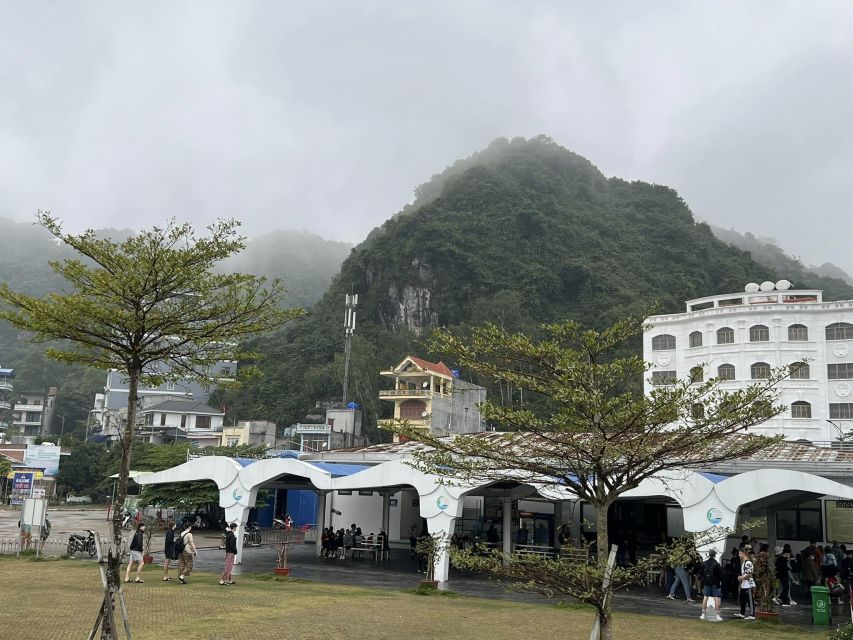
There is a serious booking detail to check. The included section also refers to public bus transport between Hanoi and Cat Ba, private cars to a harbour, a Cat Ba homestay, a Lan Ha Bay and Ha Long Bay cruise, kayaking, and a cruise guide. Those items do not match the Sapa trekking itinerary. Since the Sapa details clearly describe a 9:00 AM town departure, village homestay, and car return to Sapa, ask the provider to confirm the exact Sapa package and remove any confusion before booking.
How hard is the trek?

The tour is rated moderate and requires basic fitness. The stated distance is 10 to 14 kilometers per day, although one detailed account described roughly three and a half hours on the first day and two to two and a half hours on the second.
Those numbers can vary with stops, weather, group pace, and the route you choose. Hau Thao is the more demanding option. Ta Van is gentler, but it still includes uneven paths, rice fields, bamboo trails, and possible mud.
This trek is not suitable for pregnant women, wheelchair users, people with mobility, heart, or serious back problems, or people with visual impairment. It is also listed as unsuitable for people with insect allergies. Pets are allowed only if leashed and registered in advance.
Bring long pants, comfortable clothes, sunglasses, a sun hat, insect repellent, water, spare clothing, and a rain jacket. Pack light. Your daypack should hold only what you need while your larger luggage stays at the office.
When to choose Ta Van or Hau Thao
Choose Ta Van if you want:
- A gentler route with classic Muong Hoa Valley views
- More straightforward cultural stops
- A good first Sapa trek
- Shorter distances and more relaxed breaks
- A mix of rice terraces, villages, bamboo forest, and waterfall scenery
Choose Hau Thao if you want:
- Fewer people on the trails
- A longer and more adventurous walk
- Narrow mountain paths and cliffside views
- A stronger focus on Black Hmong village life
- A quieter overnight setting
I would choose Ta Van for a first visit, for mixed fitness levels, or for anyone who wants time for photographs. I would choose Hau Thao for a fit walker who has already seen the main Sapa routes and wants a more remote feel.
Should you book this Sapa trek?
Book it if you want a genuine walking experience with village contact, local food, and a night away from Sapa Town. The guides, small groups, flexible pacing, and homestay make the $58 price attractive, especially when meals and the return car are included.
Think twice if you dislike mud, uneven ground, sales contact, basic rural accommodation, or changing weather. Ta Van is the safer choice for comfort, while Hau Thao is better for adventure.
Before you pay, confirm the route, guide language, group size, private-room arrangement, and the confusing Cat Ba and Lan Ha Bay inclusions. If those details are corrected for your booking, this is a well-priced way to see Sapa on foot rather than through a vehicle window.
FAQ
Where does the Sapa trek start?
The trek starts at Sapa TT Homestay, about one kilometer from central Sapa. You should arrive 15 to 30 minutes early, or at least 30 minutes early if you need check-in and luggage storage.
What time does the trek begin?
The trekking program begins at 9:00 AM from Sapa Town.
How long is the trek each day?
The stated distance is approximately 10 to 14 kilometers per day. The exact walking time depends on the route, weather, stops, and group pace.
Which route is easier, Ta Van or Hau Thao?
Ta Van is the easier and gentler option. Hau Thao includes longer distances, narrower mountain trails, and fewer tourists.
Where do I stay overnight?
You spend one night in a village homestay. The booking information lists a private room, along with a traditional dinner and breakfast.
Which meals are included?
The package includes two lunches, one dinner, and one breakfast. Vegetarian and vegan meals are available if you request them in advance.
Can I leave my large luggage behind?
Yes. Big bags can be stored at the tour office, so you can carry a small daypack during the trek.
What footwear should I bring?
Bring hiking shoes with good grip. Trails may be muddy, especially during the May to September rainy season, and gumboots may be useful if conditions are very wet.
Is transport back to Sapa included?
Yes. On the second day, a car takes you back to Sapa after lunch.
Can I bring my pet?
Pets are allowed only if they are leashed and registered in advance.
More Sapa Trips and Treks
- From Hanoi: 2-Day Sapa Limo Bus Tour & Fansipan Peak Visit
★ 4.6 · 277 reviews - From Hanoi: 2-Day Sapa Trek Tour – Luxury Limousine Transfer
★ 4.1 · 249 reviews - 2-Day Sapa Guided Tour Slipping in Homestay From Hanoi
★ 5.0 · 243 reviews - Hanoi – Sapa 2 Days 1 Night Overnight At Local Homestay
★ 5.0 · 233 reviews
More Sapa Trips and Treks in Hanoi
- Hanoi – Sapa 2 Days 1 Night Overnight At Homestay
★ 5.0 · 899 reviews - Sapa 2 Days 1 Night From Hanoi – Overnight in Hotel
★ 5.0 · 440 reviews - 2-Day Sa Pa Ethnic Homestay Tour & Trek with Limousine Bus
★ 4.8 · 440 reviews - Hanoi – Sapa 3 Day 2 Night Trekking With Hotel & Homestay
★ 5.0 · 389 reviews
Just added around Hanoi
- Hanoi: Make 6 Iconic Coffees in a Heritage Home with Locals★ 5.0 · 32 reviews
- Private Ninh Binh Full Day (Bich Dong -Tam coc -Mua cave- Biking)★ 5.0 · 32 reviews
- 15-Day Vietnam Itinerary All in One | Travel Package 2026-2027★ 5.0 · 32 reviews
- Retro Hop-on-hop-off Bonbon City Tour: Classic Package★ 4.0 · 32 reviews
- 10-Day Vietnam Discovery from North to South | Best Packages★ 5.0 · 32 reviews
- Verdure Lotus Classic Cruise in Halong Bay & Lan Ha Bay (2D1N)★ 4.0 · 32 reviews
- Full-day Guided Meditation Experience in Ha Noi★ 5.0 · 33 reviews
- Private Transfers Hanoi <=> Halong One Way by Limousine Vehicles★ 5.0 · 33 reviews
Sapa Trips and Treks, compared.

Sapa 2 Days 1 Night From Hanoi – Overnight in Ta Van Village
Read our review →

Muong Hoa Valley Trek and Local Ethnic Villages
Read our review →
Fansipan Cable, Cat Cat Village & Moana Instagram Tour
Read our review →

Sapa 3 Days 2 Nights Trekking Tour (1 Night In Ta Van Village, 1 Night In Hotel)
Read our review →
Eco Adventure Terrace Fields and Local Villages Trek
Read our review →