
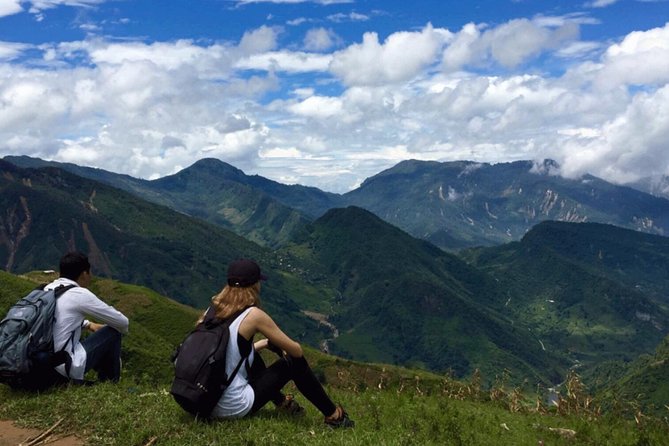
Reviewed · SAPA TRIPS AND TREKS
The best view and most authentic tour in Sapa (Non Touristy)
Leave the crowds behind in Sapa. This $52 private trek takes you by car to Giang Cha, then follows peaceful paths through rice terraces, cornfields, bamboo forest, and local villages. I especially like the quiet setting and the chance to see everyday rural life rather than spending the day on Sapa’s busiest trails.
The route also includes a local lunch, an English-speaking guide, transport, entrance fees, and one liter of water per person. Guides Mo and Toa receive especially warm praise for their friendly manner and useful explanations. The main caution is important: the description also mentions sunset paddleboarding on the Cai River, but the detailed route is clearly a village trekking tour, not a paddleboard trip. Confirm the exact activity before paying.
In This Review
- Quick points about this Sapa trek
- The important booking warning: trekking or paddleboarding?
- Starting at 8:30 for a private village route
- Giang Cha and the Hmong weaving tradition
- Rice terraces, cornfields, and bamboo forest
- Seeing local homes and daily routines
- Climbing toward Suoi Thau and Ta Phin Valley
- What the $52 price includes
- Lunch, water, and the pace of the day
- What the excellent rating tells you, and what it does not
- Who should choose this trek?
- Should you book Sapa Original Trek?
- FAQ
- Where does the trek take place?
- What time does the experience start?
- How long does the tour last?
- Is the tour private?
- Is transport included?
- Is lunch included?
- Is drinking water provided?
- What level of fitness is needed?
- Are entrance fees included?
- What is not included?
- Can I cancel for a full refund?
Quick points about this Sapa trek
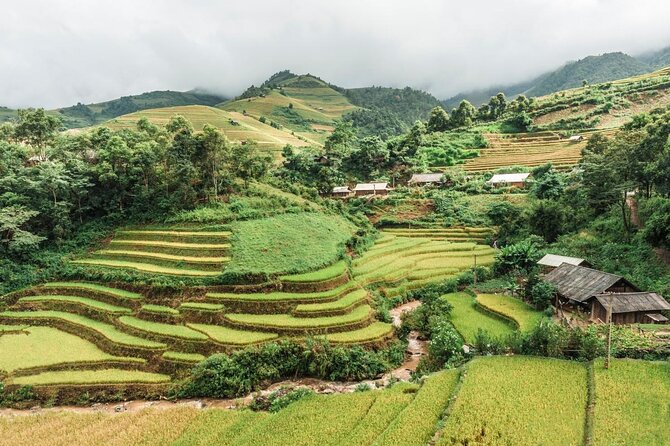
- Giang Cha begins the walk among Hmong rice fields, with traditional hemp and indigo weaving as part of the village’s cultural story.
- The trails are described as peaceful and non-touristy, and the route passes through corn terraces, rice terraces, and bamboo woodland.
- Suoi Thau offers a wide view toward Ta Phin Valley, giving the trek one of its best scenic pauses.
- Guide quality matters here, and Mo and Toa are specifically praised for their warm personalities and explanations of local life.
- Lunch, transport, entrance fees, and one liter of water are included, making the $52 price easier to judge.
- The activity requires moderate fitness, with uphill walking and uneven rural paths.
The important booking warning: trekking or paddleboarding?
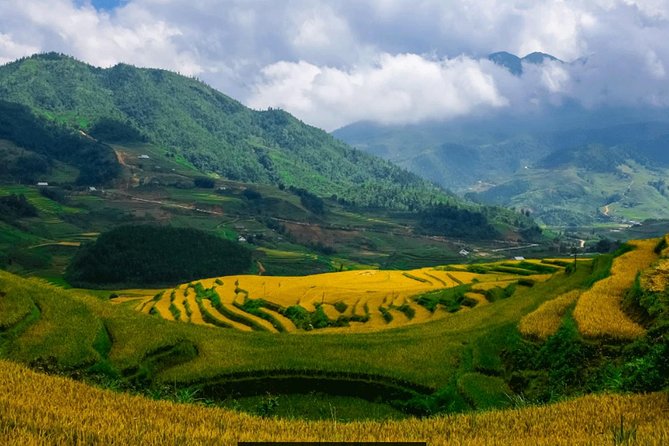
The experience information contains two very different descriptions. One section presents a sunset paddleboarding trip on the Cai River, with boards, beginner instruction, bottled water, and a small group. The detailed route, included services, guest comments, and meeting time describe something else: a six to seven hour private trek through Hmong and Dzao villages near Sapa.
I would not treat the paddleboarding details as a minor wording mistake. Paddleboarding and a full-day mountain trek require different clothing, equipment, fitness levels, and expectations. Before booking, contact Sapa Original Trek and confirm that you are reserving the Giang Cha, Suoi Thau, and Ta Phin Valley walking route.
The rest of this review covers the village trekking experience, because that is where the practical information is clearest. If you specifically want a river activity at sunset, this description does not provide enough reliable detail to recommend it.
More Sapa Trips and Treks:
- Sa Pa: Muong Hoa Valley Trek and Local Ethnic Villages
★ 4.6 · 864 reviews - Sapa: Fansipan Cable, Cat Cat Village & Moana Instagram Tour
★ 5.0 · 777 reviews - Sapa: Eco Adventure Terrace Fields and Local Villages Trek
★ 4.9 · 636 reviews
Starting at 8:30 for a private village route
The trek begins at 8:30 a.m. and ends back at the meeting point. Transport by car is included according to the planned route, so you do not need to arrange your own ride to the trailhead.
The first part is a drive to Giang Cha village, home to Hmong residents. This is useful because the walk does not simply start in central Sapa and follow the most familiar tourist path. You are taken into a more rural setting before the main walking begins.
This is a private activity, meaning only your group participates. That gives you more room to ask questions, adjust your pace, and spend extra time at a viewpoint or local home if the guide allows it. The wording also mentions keeping costs down with a small group, so confirm the exact group arrangement when booking. The private-tour information is the stronger detail provided.
The route is not presented as a gentle stroll. You should expect uphill sections, uneven ground, and a moderate level of physical effort. A good pair of walking shoes will matter more than fashionable Sapa clothing, and you should be ready for changing conditions in the hills.
Giang Cha and the Hmong weaving tradition
Giang Cha is more than a starting point. It introduces you to Hmong culture through the village’s traditional textile work.
The village is linked with hemp and indigo weaving. Local makers use older techniques to produce tribal clothing, giving you a useful connection between the scenery and daily life. Rice fields may catch your eye first, but the textiles help explain how local identity is expressed and preserved.
The description does not promise a formal weaving demonstration or a guaranteed visit with a particular craftsperson. I would therefore treat this as a cultural setting and an opportunity to learn from your guide, not as a workshop where you will certainly make fabric yourself.
That distinction helps keep expectations sensible. You may see local homes, farming activity, and clothing traditions, but the exact encounters can depend on the day. The appeal is the setting and the chance to observe ordinary life without a large scheduled performance.
Guide Mo is especially worth noting. The feedback about her points to a guide who explains local life and provides interesting facts rather than simply leading the way. On a route built around villages and culture, that makes a real difference. Without good interpretation, a rice terrace is just a pretty view. With context, you understand more about who works there and how the community lives.
Rice terraces, cornfields, and bamboo forest
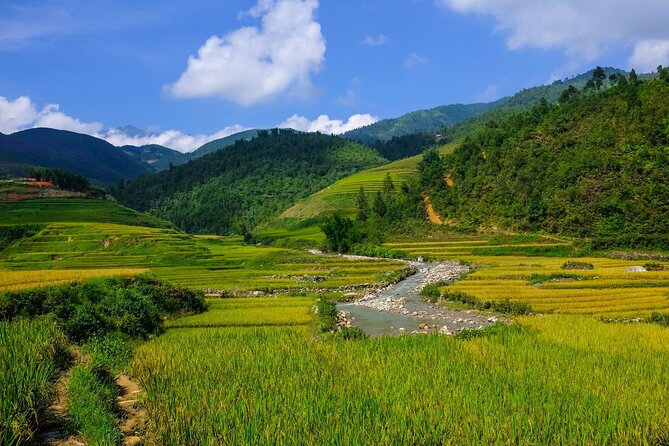
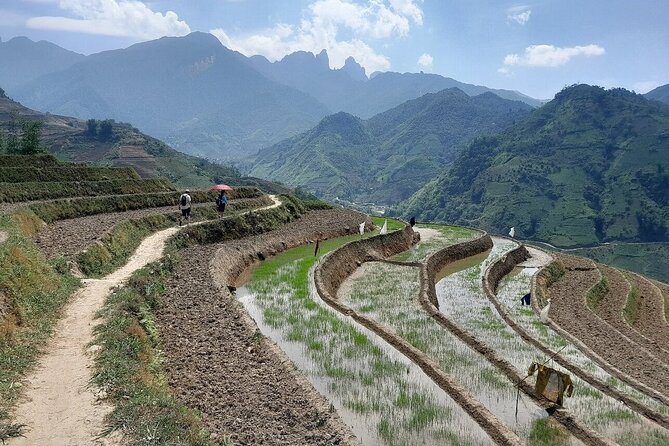
After Giang Cha, the walk crosses corn and rice terraces before continuing through bamboo woodland. This is the scenic heart of the outing.
The route gives you several kinds of scenery instead of one repeated viewpoint. Rice terraces open the valley, cornfields add a different pattern and seasonality, and bamboo creates a more enclosed stretch beneath the hills. The change in surroundings helps the six to seven hour day feel like a journey rather than a single photo stop.
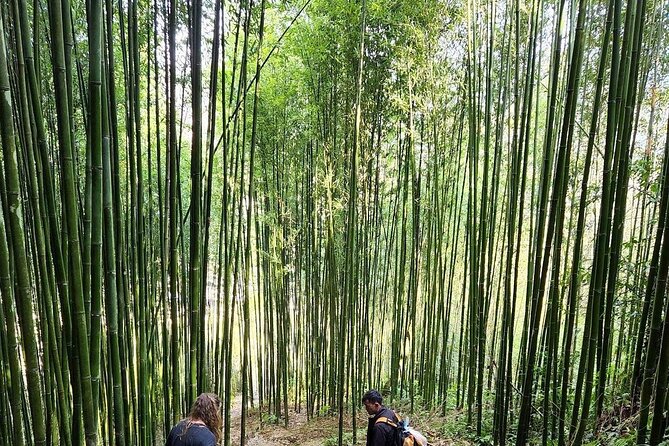
The bamboo forest receives particularly strong praise. You might find the path quieter there, with the tall stems making a sharp change from the open farmland. The route is also described as peaceful and non-touristy, and one account notes seeing only one other tourist on the trail, apart from someone connected with the same transport at the start.
That low visitor level is one of the best reasons to choose this walk. Sapa has well-known routes that can feel busy, especially around popular village approaches. Here, the value comes from a slower rural setting and fewer people competing for the same view.
Still, quiet trails come with a tradeoff. A less-used path may be rougher or less even than a developed walkway. The moderate fitness requirement should be taken seriously, particularly because the route includes an uphill section toward Suoi Thau.
A few more Sapa trips worth weighing up
- Number one top rated ethical cultural trekking and homestay by ETHOS
★ 5.0 · 456 reviews - Cat Cat Village, Moana, Fansipan Cable Car, Alpine Coaster – Sapa
★ 5.0 · 420 reviews - From Sapa: 1-Day Guided Trek to Lao Chai & Ta Van with Lunch
★ 4.9 · 416 reviews - Sa Pa Full Day Trekking Tour
★ 5.0 · 414 reviews
Seeing local homes and daily routines
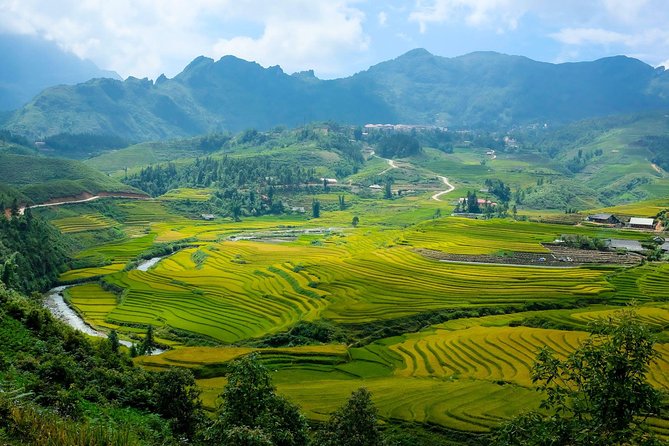
The walk includes visits to Hmong and local houses, with a focus on daily life and local culture. This is not the same as visiting a museum. You are being offered a glimpse into homes and village routines, guided by someone who can explain what you are seeing.
I like this part of the route because it gives the scenery a human scale. Terraces are not simply arranged for photographs. They are tied to farming, work, food, and family life. The village sections also help you understand why a quiet walk can be more rewarding than a faster circuit of famous viewpoints.
You should approach these visits with basic respect. Ask before taking photographs, follow your guide’s instructions, and remember that homes are private places. The tour description does not promise a staged cultural show, so the best experience may be a simple conversation or observation rather than a planned spectacle.
The guide’s role is again central. Toa is praised as a lovely person and a brilliant guide, while Mo is credited with explaining local life and sharing useful facts. Since only your group participates, you can ask about farming, clothing, houses, and village customs as the route unfolds.
Climbing toward Suoi Thau and Ta Phin Valley
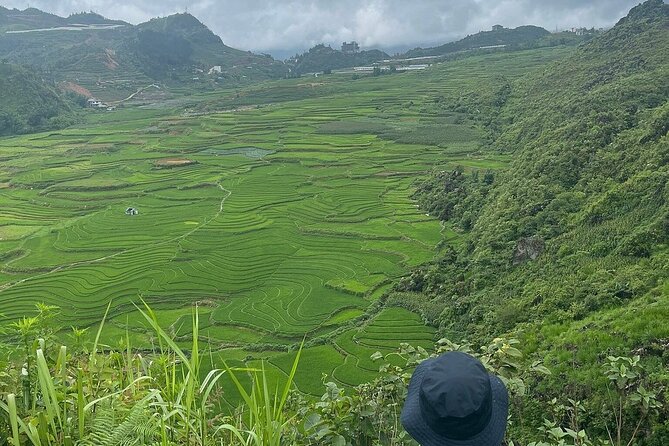
The path continues uphill to Suoi Thau, a village associated with the Dzao ethnic community. This section adds another cultural perspective and brings you to a broad view of Ta Phin Valley.
The viewpoint is one of the clearest highlights. You move from close views of terraces and homes to a wider panorama across the valley. It is the kind of stop that rewards a pause, not a quick photograph before rushing onward.
The route description refers to three special minority villages of Hmong and Dzao people, but the supplied details name Giang Cha and Suoi Thau clearly. The remaining village is not identified in the available information. I would ask the provider for the full village list before booking if that detail matters to you.
The uphill walk is also the point where fitness becomes most relevant. You do not need to be an athlete, but you should be comfortable walking for several hours and handling a climb on rural trails. If you have mobility concerns, ask the provider for a current description of the terrain before reserving.
What the $52 price includes
At $52 per person, the cost is reasonable if you want a private, transport-supported day with a guide and lunch. You are not paying only for a walk. The price includes:
- An English-speaking guide
- Lunch
- Entrance fees
- Car transport according to the route
- One liter of water per person
Those inclusions reduce the small expenses that can add up during a day in the hills. You do not need to pay separately for the trail access listed in the program, arrange transport to Giang Cha, or carry all your drinking water from Sapa.
The price becomes better value when you use the private format well. Ask questions, request a comfortable pace, and take time at the valley view instead of treating the trek as a race. The tour is less compelling for someone who wants a very cheap independent walk, since you could potentially find local routes without a private guide or included vehicle.
Tips, insurance, and personal expenses are not included. Set aside money for a guide tip if the service is good, and do not assume personal purchases or extra costs are covered.
The experience is often booked well in advance, with an average booking lead time of 57 days. That suggests you should not leave it until the last morning if your dates are fixed, especially since the activity is private and has a strong rating.
Lunch, water, and the pace of the day
Lunch is included, but the available information does not specify the menu, restaurant, or exact lunch location. You should see it as a practical meal during the trek rather than booking this tour for a particular culinary experience.
One liter of water per person is included. That is helpful, but it may not be enough for every person during a six to seven hour walk, especially in warm weather or during a demanding uphill section. The safest plan is to ask whether more water is available and carry extra if needed.
The duration is approximate. A six to seven hour outing can include the drive, walking, village visits, lunch, and pauses for scenery. Do not schedule a tight afternoon connection unless the operator confirms the return time for your date.
The easy-to-locate starting point is another practical plus. The activity ends back at the meeting point, so you are not left to find your own way back after the route. The information also says the start is near public transportation, though the included car transport is the main way the itinerary is described.
What the excellent rating tells you, and what it does not
The experience has a 5.0 rating from 47 reviews, with 100 percent recommending it. The praise is unusually consistent around three things: quiet trails, striking scenery, and guides who add warmth and context.
That pattern is useful. It suggests the strongest part is not a single famous attraction. It is the combination of a peaceful route, local contact, and good guiding. The comments about seeing farmers at work and people going about their day fit the tour’s stated aim of showing a less tourist-heavy side of Sapa.
The rating cannot answer every practical question. It does not tell you the exact menu, the name of the third village, the precise pickup location, or how the paddleboarding description became part of the page. Those are the points I would confirm directly.
A perfect rating also does not remove the physical demands. A beautiful trail can still be tiring, muddy, steep, or uncomfortable for someone unused to walking in the hills. The moderate fitness warning is more useful for your planning than the star score.
Who should choose this trek?
I would recommend it most strongly if you want:
- A private day with your own group
- Quiet rural paths rather than Sapa’s busiest routes
- Rice terraces, bamboo forest, and valley views
- Cultural explanation from an English-speaking guide
- Visits connected with Hmong and Dzao communities
- A package with transport, lunch, entrance fees, and water included
It should suit couples, families with fit older children, and small groups that prefer flexibility. The private format is especially useful if your group walks at different speeds or wants to ask many questions.
I would be more cautious if you want a very easy walk, a fully scheduled cultural performance, or a guaranteed craft workshop. I would also avoid booking it without clarification if your main interest is paddleboarding on the Cai River.
Free cancellation is available up to 24 hours before the start time for a full refund. Changes or cancellations made less than 24 hours before the 8:30 a.m. start are not accepted for a refund, so keep the local cutoff time in mind.
Should you book Sapa Original Trek?
Book this trek if the detailed village route is what you want: a private, moderately active day through Hmong and Dzao communities, with rice terraces, bamboo forest, a Ta Phin Valley view, lunch, and transport included.
The strongest reason to choose it is the quiet, human side of Sapa. Guides Mo and Toa appear to add the personal explanations that turn a walk into a cultural experience, and the route seems to avoid the heavy foot traffic found on better-known paths.
Before booking, confirm one thing in writing: that your reservation is for the Giang Cha and Suoi Thau trekking program, not the separately described Cai River paddleboarding activity. Once that mismatch is cleared up, the trek offers good value for an active visitor who wants scenery and local contact without a crowded trail.
FAQ
Where does the trek take place?
The route begins with transport to Giang Cha village near Sapa, then continues through Hmong and Dzao villages, including Suoi Thau, with views toward Ta Phin Valley.
What time does the experience start?
The stated start time is 8:30 a.m.
How long does the tour last?
The activity lasts approximately six to seven hours.
Is the tour private?
Yes. The activity is described as private, with only your group participating.
Is transport included?
Yes. Transport by car following the planned program is included.
Is lunch included?
Yes. Lunch is included in the price.
Is drinking water provided?
Yes. One liter of water per person is included.
What level of fitness is needed?
A moderate level of physical fitness is recommended. The route includes trekking, an uphill section, and rural trails.
Are entrance fees included?
Yes. Entrance fees are included.
What is not included?
Tips, insurance, and personal expenses are not included.
Can I cancel for a full refund?
Yes, if you cancel at least 24 hours before the experience start time. Cancellations or changes made less than 24 hours before the start are not eligible for a refund.
Just added around Sapa
- Sapa trekking 2 days small group★ 5.0 · 32 reviews
- From Sapa: 3 Day Ha Giang Loop Guided Motorbike Tour With Rider★ 5.0 · 33 reviews
- Vietnamese Spring Rolls Cooking Class★ 5.0 · 34 reviews
- Sapa: 3-Day Ha Giang Loop Motorbike Tour★ 4.9 · 34 reviews
- 2 Day Trekking Experience: Explore with knowledgeable local guide★ 5.0 · 34 reviews
- Trek Adventure in Ta Van Village, Lao Chai★ 5.0 · 36 reviews
- Sapa Trekking & Cooking with H’Mong Locals –Local Culture★ 5.0 · 36 reviews
- Sapa Private Car Rental–Half & Full Day & English Speaking Driver★ 5.0 · 37 reviews
Sapa Trips and Treks, compared.

Sapa 2 Days 1 Night From Hanoi – Overnight in Ta Van Village
Read our review →

Muong Hoa Valley Trek and Local Ethnic Villages
Read our review →
Fansipan Cable, Cat Cat Village & Moana Instagram Tour
Read our review →

Sapa 3 Days 2 Nights Trekking Tour (1 Night In Ta Van Village, 1 Night In Hotel)
Read our review →
Eco Adventure Terrace Fields and Local Villages Trek
Read our review →
3-Day Trekking Adventure of Sapa from Hanoi – Stay Ta Van Village
Read our review →Browse the lists this tour appears in