
Reviewed · SAPA TRIPS AND TREKS
From Sapa: 1-Day Guided Trek to Lao Chai & Ta Van with Lunch
Bring sturdy shoes and a sense of adventure. This full-day trek gives you a close look at northern Vietnam beyond Sapa’s town streets, following rice terraces, streams, bamboo trails, and village paths to Lao Chai and Ta Van. At $34 per person, it combines a local guide, entrance fees, lunch, water, and transport back to Sapa in one useful package.
I especially like the small groups of up to 12 people, which make it easier to ask questions and keep a steady walking pace. I also like the chance to learn directly about Black Hmong and Zay life, including a traditional incense-making demonstration using local herbs. The main caution is the 12-kilometer route: muddy, slippery sections can make this a serious hike after rain.
The day begins with hotel pickup in central Sapa between 9:00 and 9:30 AM. You walk toward Lao Chai beside the Muong Hoa and Y Linh Ho Stream, stop for lunch at a villager’s home, continue to Ta Van, then return to Sapa by bus. English, Vietnamese, and French guides are available, with English and Vietnamese audio guides listed as an option.
In This Review
- Key points to know before booking
- Why this Sapa trek is worth your time
- Starting in Sapa and heading toward Lao Chai
- Lao Chai village and the Black Hmong way of life
- Lunch in Lao Chai
- Continuing to Ta Van through mountain paths
- Making incense with local herbs in Ta Van
- How hard is the 12-kilometer walk?
- The guide is the heart of the experience
- What $34 really gets you
- Who should book this Sapa village trek?
- Should you book it?
- FAQ
- How long is the Sapa to Lao Chai and Ta Van trek?
- What time is hotel pickup?
- Is lunch included?
- Is transportation back to Sapa included?
- Which languages are available?
- What happens in Ta Van village?
- Is the trek difficult?
- What should I bring?
Key points to know before booking
- A real 12-kilometer mountain trek: Expect climbs, descents, uneven ground, and some difficult sections rather than a gentle village stroll.
- Lao Chai brings the strongest cultural contact: You learn about Black Hmong daily life and eat a filling local lunch in the village.
- Ta Van adds Zay culture and incense making: The herb-based demonstration gives the final village stop a useful hands-on focus.
- Weather changes the difficulty: Rain can turn trails into slick mud, so hiking boots and rain gear matter.
- Guides make the difference: Guides such as Giang, Toan, Li, and Zu have been praised for clear English, local insight, patience, and careful help on rough paths.
- The price covers the essentials: At $34, lunch, entry tickets, water, guiding, pickup, and return transport make this good value for an active day.
Why this Sapa trek is worth your time

Sapa is famous for its rice terraces, but simply looking at them from town does not tell you much about the people who farm them. This trek gets you down into the Muong Hoa valley, where the views are paired with stories about Hmong and Zay traditions, village life, and local geography.
I like that the experience is not built around one viewpoint or one quick photo stop. The scenery changes as you walk. You pass terraces, streams, mountain slopes, bamboo trails, and village homes. The walking gives the day a natural rhythm, though it also means you need to treat the outing as a proper hike.
The activity has a 4.9 rating from 416 bookings, and the strongest praise focuses on the guides. Giang is repeatedly described as warm, attentive, and excellent at explaining local customs. Toan is praised for his humor and local knowledge, while Li is noted for taking quieter paths and sharing personal insight into the area. These details matter because the route itself is only half the experience. A good guide helps you understand what you are seeing instead of reducing the valley to scenery.
More Hiking and Trekking Tours in Sapa
- Sa Pa: Muong Hoa Valley Trek and Local Ethnic Villages
★ 4.6 · 864 reviews - Sapa: Eco Adventure Terrace Fields and Local Villages Trek
★ 4.9 · 636 reviews - Number one top rated ethical cultural trekking and homestay by ETHOS
★ 5.0 · 456 reviews
Starting in Sapa and heading toward Lao Chai
Pickup takes place in the lobby of your Sapa town hotel between 9:00 and 9:30 AM. The group is limited to 12, though some departures may be smaller. Several people have walked with groups of four or even fewer, creating an easy setting for conversation and questions.
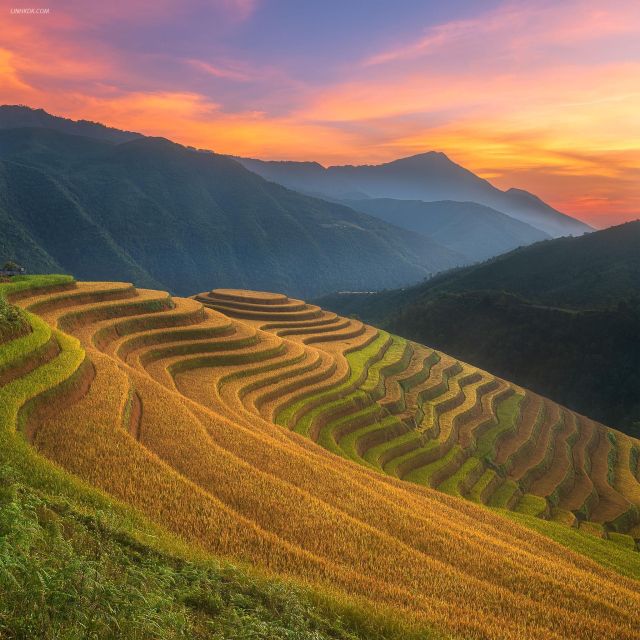
The route heads toward Lao Chai through the countryside. You follow the Muong Hoa and Y Linh Ho Stream, with the Hoang Lien Son mountains rising around the valley. The first part includes rice terraces and uneven trails, so the opening section may feel more demanding than the distance suggests.
Your guide sets the tone. Some guides offer a choice between easier and steeper paths, while others take less-used routes through fields and bamboo. Giang has even made simple bamboo walking sticks for people on muddy days. Local women may also help you with balance on slippery ground, a practical kindness when the trail gets awkward.
The walking can be especially beautiful in clear weather, when the terraces and mountain ridges are easy to see. Clouds and mist are common features of the Sapa area, though the exact conditions depend on the day. Rain changes the route in a very real way. Several sections have been described as slippery after wet weather, so do not judge the difficulty only by the listed distance.
Lao Chai village and the Black Hmong way of life
Lao Chai is the main cultural stop and the point where the trek feels most connected to village life. The village is home to the Black Hmong, and your guide explains local customs, daily routines, clothing traditions, and the way people live in the valley.
This is where a local guide is far more useful than a printed description. Guides from the area can connect the homes, terraces, crops, and trails to their own experiences. Giang, for example, has spoken about her Black Hmong background, while other guides explain the differences between the groups living in the Sapa region.
You should expect contact with local sellers along parts of the route. Some may offer handmade goods and continue walking beside you for a while after you decline. This can feel uncomfortable, especially when several people approach at once. A calm, firm no thank you is the best approach, and you should not feel obliged to buy anything to appreciate the village or support the local economy.
The positive side is that the route allows you to see more than a market stall. You pass through inhabited areas, meet local people, and gain a sense of how the villages function. The cultural connection is strongest when you listen to the guide and observe respectfully rather than treating homes and residents as photo props.
Lunch in Lao Chai
Lunch takes place at a local home or village restaurant in Lao Chai. It is included in the price and has been described as tasty, generous, and traditional, with vegetarian choices available. For a route of this length, the meal is not a minor extra. It gives you time to rest and provides the fuel needed for the afternoon walk.
The food may be served quickly, which helps keep the day moving. You should not expect a formal restaurant experience or a menu built for international dining. The value is in eating a local meal in the village setting, with several dishes and enough food to recover after the morning section.
Other drinks are not included, so bring extra money if you want something beyond the small bottle of mineral water supplied. There are also opportunities along the route to buy cold drinks and use a restroom, but the exact stops can vary.
More Sapa Trips and Treks:
- Sapa: Fansipan Cable, Cat Cat Village & Moana Instagram Tour
★ 5.0 · 777 reviews - Cat Cat Village, Moana, Fansipan Cable Car, Alpine Coaster – Sapa
★ 5.0 · 420 reviews - Sa Pa Full Day Trekking Tour
★ 5.0 · 414 reviews - Sapa 1 Day Long Trek: Trek to Hau Thao and Sa Seng Villages
★ 4.6 · 344 reviews
Continuing to Ta Van through mountain paths
After lunch, the trek continues toward Ta Van, home to the Zay people. This section keeps the focus on village culture but gives you a different community to learn about. Your guide can explain how Zay traditions and daily life compare with those of the Hmong communities you have already seen.
The route remains active and scenic. You may walk beside streams, across terrace edges, through bamboo areas, and along paths with mountain views. The scenery is rewarding, but you need to watch every step. Mud, wet stones, slopes, and narrow trail sections can make the walk tricky, especially in the rainy season.
Some guides choose paths away from the busiest tourist routes. That can make the experience quieter and more personal, but it also means the footing may be rougher. The phrase off the beaten path should be taken literally here. You may trade a smoother trail for a better view and fewer people.
The overall route is listed as 12 kilometers, or about 7.5 miles, though one person recorded walking more than 14 kilometers with elevation rising above 1,100 meters. Treat the published distance as a guide rather than a guarantee. The exact route and pace can affect the final total.
Making incense with local herbs in Ta Van
Ta Van’s most distinctive activity is learning how local incense is made. You see how herbs are used in the process and gain a small but memorable link to household tradition and village craft.
This stop helps balance the physical side of the day. Instead of simply walking through Ta Van, you pause to learn about a practice tied to local materials and daily life. It is a modest demonstration, not a long workshop, but it gives the village visit a clear focus.
I find this kind of activity more useful than a generic souvenir stop. You learn how something is made, why local herbs matter, and how traditional skills remain part of village culture. As always, listen closely and ask your guide questions. The value comes from the explanation as much as the demonstration itself.
After Ta Van, you board a bus back to Sapa. The return transport is included and has been praised for being punctual, a welcome finish after several hours on foot.
How hard is the 12-kilometer walk?
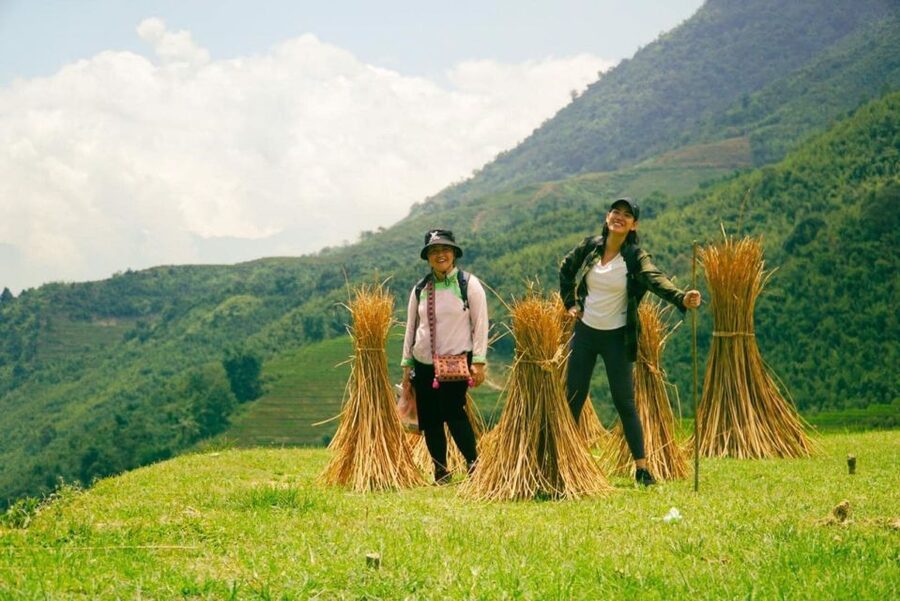
This trek requires a moderate to high level of fitness. You do not need to be an expert hiker, but you should be comfortable walking for several hours on uneven mountain trails. The day includes uphill and downhill sections, not just flat paths through the valley.
Several people describe the route as manageable in dry conditions and slippery after rain. That distinction is crucial. Wet ground can turn a normal descent into the hardest part of the day. Hiking boots with good grip are the safest choice, and some people rent Wellington boots when the trails are especially muddy.
Bring:
- Hiking shoes or boots with firm grip
- Warm clothing for changing mountain weather
- Rain gear
- Sunglasses
- Biodegradable sunscreen
- Biodegradable insect repellent
- Camera
- Extra money for drinks or purchases
Do not bring large luggage. A small daypack is more practical, especially when you need both hands for balance on rough sections.
The activity is not suitable for wheelchair users or people over 70, according to the stated restrictions. It is also a poor fit if you dislike mud, steep ground, or walking at a steady pace for much of the day.
The guide is the heart of the experience
The guide can make this outing feel like a cultural walk or simply a long route between villages. The strongest guide feedback centers on friendliness, clear communication, local background, and safety.
Giang receives especially warm praise. She is described as speaking English well, adapting the pace, answering questions, making bamboo walking sticks, and choosing quieter paths. Toan is praised for being chatty, energetic, and able to make the day entertaining while explaining village life. Li is noted for personal stories and careful route choices, and Zu has been praised for helping people over slippery terrain.
Other guides named during the season include Giao, Antoine, Seng, Hang Dinh, and Lam. Guide assignments can change, so you should not book solely to request one particular person unless the operator confirms availability. The important point is that the experience depends heavily on having someone who can explain the communities with care.
English, Vietnamese, and French guiding is available. English and Vietnamese audio guides are also listed, though a live guide remains the main part of the day.
What $34 really gets you
At $34 per person, this is strong value for an active Sapa outing. The price includes pickup in central Sapa, an English-speaking guide, entrance tickets, lunch, a small bottle of water, and the bus back to town. You are paying for more than transport and a marked trail. You are also getting cultural interpretation and help with a route that can be hard to follow independently.
The cost does not include other drinks or insurance. Those exclusions are minor, but you should arrange your own travel insurance and carry cash for refreshments or optional purchases.
The small-group format adds value. A group of four can move more easily, stop for photos, and ask questions without holding up a large crowd. The maximum of 12 is still manageable, though the experience may feel less personal when the group is full.
Free cancellation is available up to 24 hours before departure, and you can reserve now and pay later. That gives you some flexibility, particularly when Sapa weather is uncertain.
Who should book this Sapa village trek?
I would choose this experience if you want a full day of walking with a strong cultural focus. It suits people who want to see rice terraces from the trail, eat a local lunch, learn about Hmong and Zay communities, and finish with a practical craft demonstration.
It is also a good choice if you prefer a guide-led route. Sapa’s trails can be confusing, and wet ground adds another layer of difficulty. Having someone set the pace, explain the area, and offer a hand on steep sections is worth paying for.
You may want a gentler outing if you have knee problems, limited stamina, poor balance, or no suitable footwear. A sunny day can make the hike feel moderate, but rain can change the experience quickly. Check the forecast, pack rain protection, and be honest about your fitness.
Should you book it?
Yes, if you are ready for a real hike and want more than a quick photo stop at the rice terraces. The combination of Lao Chai, Ta Van, local food, Hmong and Zay culture, and an herb-incense demonstration gives the day substance at a fair price.
Book it with good shoes, a light pack, and realistic expectations about mud and sales approaches. If you do, this is one of the better-value ways to connect Sapa’s mountain scenery with the people who live among it.
FAQ
How long is the Sapa to Lao Chai and Ta Van trek?
The stated route is 12 kilometers, or 7.5 miles, and takes about one day including lunch. The exact walking distance can vary by route, with one recorded outing exceeding 14 kilometers.
What time is hotel pickup?
Pickup takes place in the hotel lobby in Sapa town centre between 9:00 AM and 9:30 AM.
Is lunch included?
Yes. Lunch is included and is served in Lao Chai at a local home or village restaurant. Vegetarian options are available.
Is transportation back to Sapa included?
Yes. After visiting Ta Van, you return to Sapa by bus.
Which languages are available?
Live guides are available in English, Vietnamese, and French. English and Vietnamese audio guides are also listed.
What happens in Ta Van village?
You learn about Zay culture and see how incense is made with local herbs.
Is the trek difficult?
It requires a moderate to high level of fitness. The route includes uneven ground, climbs, descents, and potentially slippery or muddy sections after rain.
What should I bring?
Bring warm clothing, sunglasses, a camera, hiking shoes, biodegradable sunscreen, rain gear, and biodegradable insect repellent. Avoid bringing large luggage.
More Lunch Experiences
- From Sapa: Guided Full-Day Trekking with Lunch and Drop-Off
★ 4.2 · 86 reviews - From Sapa: Terrace Fields and Local Villages Trek with Lunch
★ 4.3 · 77 reviews - Sapa: Private Highlights Day Tour with Lunch
★ 4.8 · 61 reviews - Sa Pa: Private Guided Tour on a Motorbike with Lunch
★ 4.8 · 47 reviews
More Hiking and Trekking Tours
- EXPLORE SAPA: 2D1N TREKKING & HMONG CULTURE WITH DINH
★ 4.9 · 191 reviews - 1-day Authentik trek & Panorama valley views
★ 5.0 · 189 reviews - 1 day Fansipan Trekking
★ 5.0 · 180 reviews - Sa Pa: 6-Hours Muong Hoa Valley Trek with Local Ethnic guide
★ 4.5 · 178 reviews
Just added around Sapa
- Sapa trekking 2 days small group★ 5.0 · 32 reviews
- From Sapa: 3 Day Ha Giang Loop Guided Motorbike Tour With Rider★ 5.0 · 33 reviews
- Vietnamese Spring Rolls Cooking Class★ 5.0 · 34 reviews
- Sapa: 3-Day Ha Giang Loop Motorbike Tour★ 4.9 · 34 reviews
- 2 Day Trekking Experience: Explore with knowledgeable local guide★ 5.0 · 34 reviews
- Trek Adventure in Ta Van Village, Lao Chai★ 5.0 · 36 reviews
- Sapa Trekking & Cooking with H’Mong Locals –Local Culture★ 5.0 · 36 reviews
- Sapa: Local Exploration on a Guided Motorbike Tour★ 4.2 · 37 reviews
Sapa Trips and Treks, compared.

Sapa 2 Days 1 Night From Hanoi – Overnight in Ta Van Village
Read our review →

Muong Hoa Valley Trek and Local Ethnic Villages
Read our review →
Fansipan Cable, Cat Cat Village & Moana Instagram Tour
Read our review →

Sapa 3 Days 2 Nights Trekking Tour (1 Night In Ta Van Village, 1 Night In Hotel)
Read our review →
Eco Adventure Terrace Fields and Local Villages Trek
Read our review →
3-Day Trekking Adventure of Sapa from Hanoi – Stay Ta Van Village
Read our review →Browse the lists this tour appears in