
Reviewed · SAPA TRIPS AND TREKS
From Sapa: Waterfalls, Trekking and Tribal Villages Tour
Waterfalls, rice terraces, and village trails fill one long day. This Sapa outing combines the roaring Silver and Love Waterfalls with a mountain walk from Ban Khoan to Ta Phin, giving you both Hoang Lien National Park scenery and a closer look at Hmong and Red Dzao life. I like the excellent mix of nature and culture, and I like that a guide leads you through remote paths rather than leaving you to find the villages alone. The main caution is the trekking distance: the advertised walk is about 15 kilometers, while one account describes closer to 17 kilometers of village trekking after the waterfall walks.
The guides receive some of the strongest praise, with Lisa, Cu, Lan, Sue, and A all singled out for their warmth, stories, route choices, and helpful pacing. I also like the small-group format of up to 15 people, private car transfers, picnic lunch, and included entrance fees. Still, the five-hour headline can be confusing, since the route includes roughly four hours of trekking, waterfall walks, transfers, and lunch. Confirm the day’s timing and route before setting out.
In This Review
- Key points at a glance
- Why this Sapa day trip works
- Silver Waterfall: an energetic first stop
- Love Waterfall and Tram Ton Pass
- Ban Khoan begins the real walk
- Rice paddies, corn fields, and bamboo forest
- Meeting Hmong and Red Dzao communities
- Picnic lunch and dietary needs
- Price, group size, and what you receive
- Weather, clothing, and the real difficulty
- Timing and organization
- Who should book this tour?
- Should you book it?
- FAQ
- Where does the tour start?
- How long does the experience last?
- How far is the trek?
- Which waterfalls are included?
- Does the tour visit Tram Ton Pass?
- Which communities will I learn about?
- Is lunch included?
- What should I bring?
Key points at a glance
- Two very different waterfalls: Silver Waterfall is broad and dramatic, while Love Waterfall brings you into a quieter part of Hoang Lien National Park.
- Tram Ton Pass adds high mountain views: Fog can hide the scenery, but clear weather brings some of the best outlooks near Sapa.
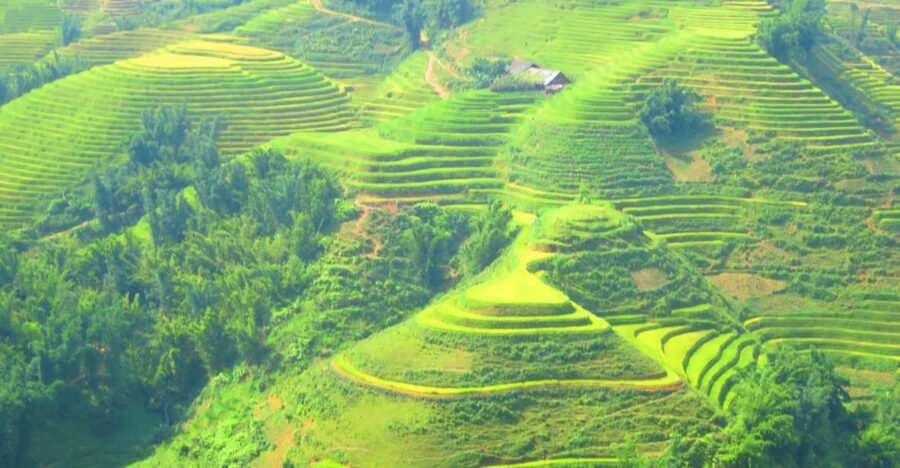
- The Ban Khoan to Ta Phin walk is the heart of the day: Expect rice paddies, corn fields, bamboo forest, mountain paths, and village life.
- Hmong and Red Dzao culture is explained by local guides: Guides such as Lisa and Cu have been praised for sharing stories, traditions, and textile knowledge.
- Lunch is part of the cultural stop: The picnic is served along the route or in a village setting, and vegan food has been accommodated.
- This is not a casual stroll: Comfortable hiking shoes, water, sun protection, rain gear, and a realistic view of the distance matter.
Why this Sapa day trip works
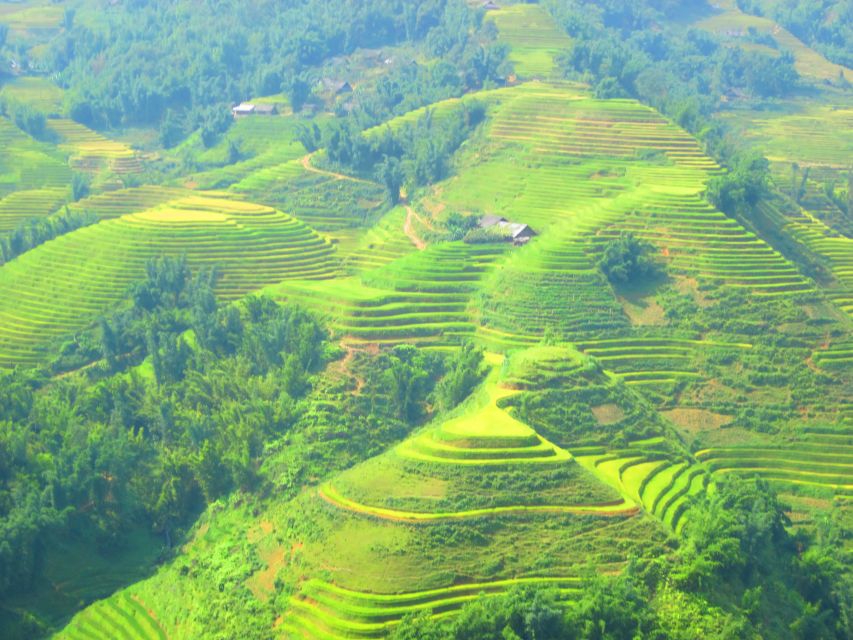
Sapa is famous for its rice terraces, but the town itself can feel busy and heavily geared toward visitors. This tour takes you beyond the center within about 30 minutes, then shifts from roadside sights to a long walk through the hills. That change of pace is the main reason to consider it.
You get three kinds of scenery in one outing. The waterfalls offer rushing water and forest, Tram Ton Pass provides a high mountain viewpoint, and the trek brings you into fields and villages where daily life is the focus. It is a useful choice if you want more than a standard viewpoint stop but do not want to organize several separate trips.
The cultural side is handled through conversation and observation. Your English-speaking guide can explain the customs and daily life of Hmong and Red Dzao communities, including textile work and traditions passed through generations. This does not turn the villages into a staged show. The route is described as passing through less commercial villages, which makes the walk feel more connected to ordinary rural life.
That said, the experience depends heavily on the guide and the weather. Lisa was praised for her English and storytelling, while Cu was described as eloquent and good company. Lan was also praised for setting a comfortable pace and allowing choices along the route. These details matter because a long walk becomes much more rewarding when your guide explains what you are seeing instead of simply leading from the front.
More Countryside and Village Tours in Sapa
- Sa Pa: Muong Hoa Valley Trek and Local Ethnic Villages
★ 4.6 · 864 reviews - Sapa: Fansipan Cable, Cat Cat Village & Moana Instagram Tour
★ 5.0 · 777 reviews - Sapa: Eco Adventure Terrace Fields and Local Villages Trek
★ 4.9 · 636 reviews
Silver Waterfall: an energetic first stop
Your guide and driver collect you from your hotel lobby in Sapa Town. The first transfer takes about 30 minutes, heading toward Silver Waterfall, Love Waterfall, and Tram Ton Pass.
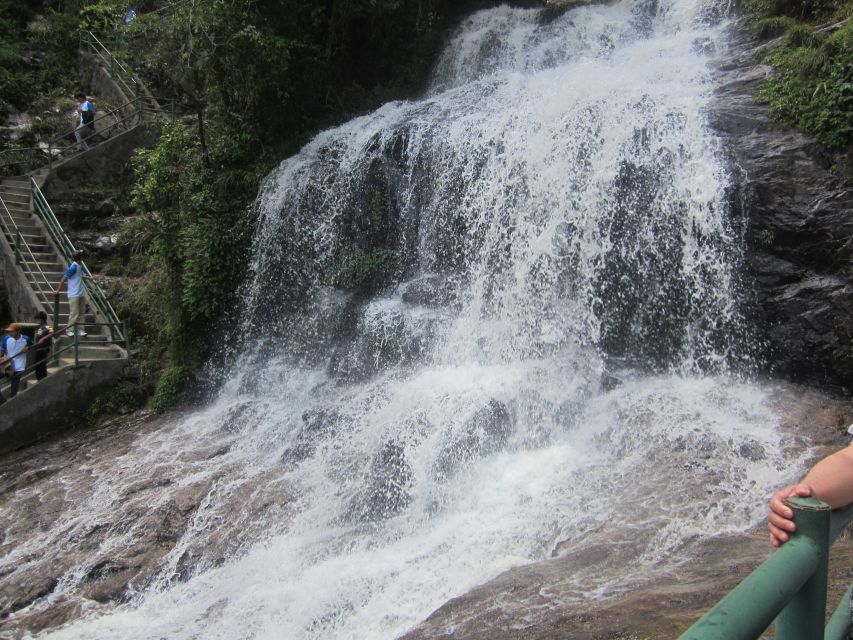
Silver Waterfall is the more forceful of the two. Its water drops down the mountainside, and the approach includes a walk before you reach the main viewing area. One account describes the return walk around both waterfalls as roughly four kilometers, so do not treat these stops as drive-up photo points.
The waterfall can look very different after rain. On a wet day, the flow may be loud and powerful, with mist and slippery paths adding to the atmosphere. The tradeoff is that rain can make walking harder and reduce the distant views. Wear shoes with a firm grip rather than smooth-soled trainers.
You will have time to explore and take photos, but the exact stop length can affect the rest of the day. If the waterfall paths are wet, move carefully and save some energy for the village trek. The route later includes climbs and descents, so spending all your energy at the first stop is not wise.
Love Waterfall and Tram Ton Pass
Love Waterfall offers a different mood. Instead of focusing only on a large wall of falling water, the walk gives you more forest and a sense of entering a natural park setting. The stop is in Hoang Lien National Park, an important reason this tour works well for people who want scenery beyond rice terraces.
The trail to the falls can be damp, and the weather changes quickly around the mountains. One day may bring clear views, while another leaves the rice fields and peaks hidden in fog. A foggy visit is not a failure, but it does change the day from a grand-view outing into a closer, moodier forest walk.
Tram Ton Pass is the high point of the sightseeing section. On a clear day, you can expect broad mountain views and plenty of photo chances. In fog, visibility may be limited. Bring a light raincoat even when Sapa starts dry, and keep your phone or camera protected.
The early section has a practical benefit: you see the region’s major natural sights before beginning the longer walk. The drawback is that the day contains more walking than the simple five-hour label suggests. Ask your guide how much time is planned for the waterfalls and pass so you know how much energy to reserve.
Ban Khoan begins the real walk
After the waterfall and pass visits, the car takes you to Ban Khoan, where the trekking section begins. The walk is described as about four hours and 15 kilometers, though the total can vary by route and conditions. One detailed account put the village trek closer to 17 kilometers, separate from about four kilometers of waterfall walking.
That difference is not a minor detail. If you are used to gentle half-day walks, this may feel like a serious mountain outing. The trek includes climbing up and down, uneven trails, fields, and remote village sections. A five-star account called the walk moderately difficult, while another warned that it was not suitable for a casual weekend walker.
You do not need to be an athlete, but you should be comfortable walking for several hours on mountain paths. The day is easier if you start with sensible footwear, keep your daypack light, and avoid overpacking. Two bottles of mineral water per person are included, but you may still want to ask how much additional water is available before leaving Sapa.
The route can be adjusted in some cases. Guide A reportedly allowed a choice of route and added different scenery to the trek. Lan was also praised for offering choices and keeping the pace comfortable. Do not assume every group receives the same route, though. Tell your guide early if you need a slower pace or want to reduce the walking distance.
More Hiking and Trekking Tours in Sapa
- Number one top rated ethical cultural trekking and homestay by ETHOS
★ 5.0 · 456 reviews - From Sapa: 1-Day Guided Trek to Lao Chai & Ta Van with Lunch
★ 4.9 · 416 reviews - Sa Pa Full Day Trekking Tour
★ 5.0 · 414 reviews - Sapa 1 Day Long Trek: Trek to Hau Thao and Sa Seng Villages
★ 4.6 · 344 reviews
Rice paddies, corn fields, and bamboo forest
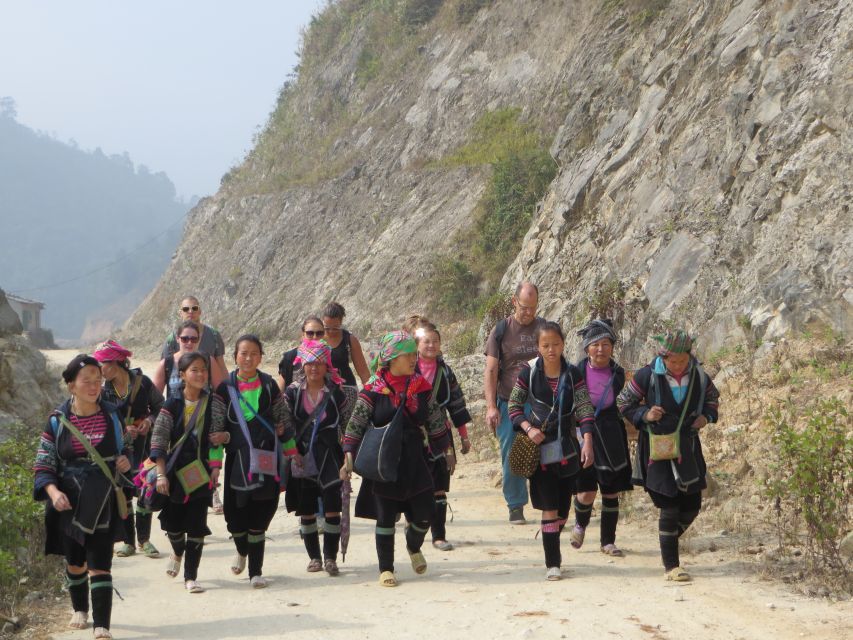
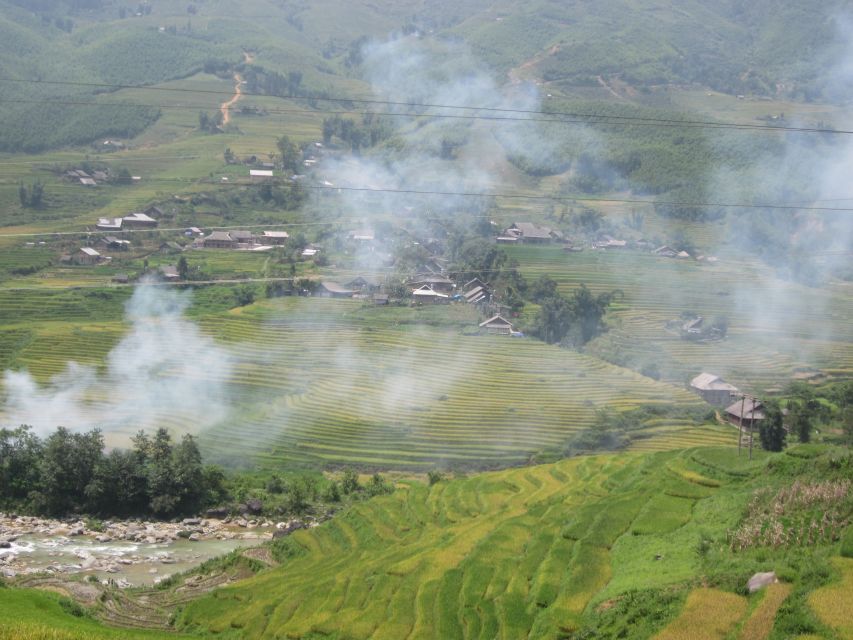
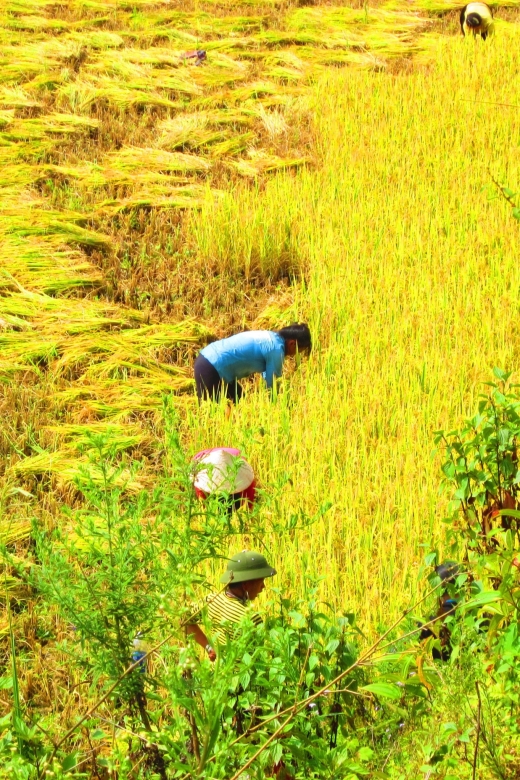
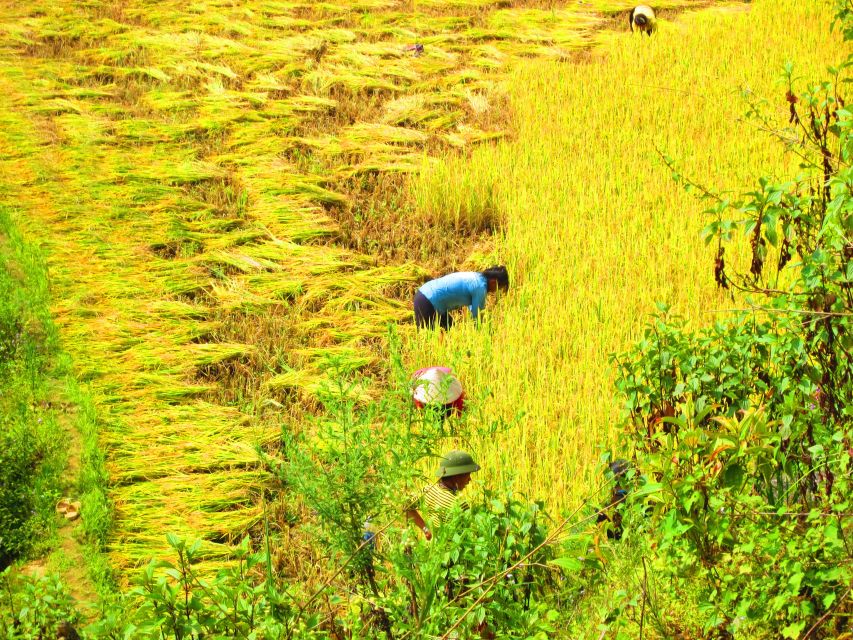
The most rewarding part of the tour is the stretch between villages. You pass rice paddies and mountain fields, with changing views as the trail moves through rural terrain. At one point, the route includes corn fields and a bamboo forest, a combination that gives the walk more variety than a single rice terrace viewpoint.
The fields also show why a local guide adds value. Hmong and Red Dzao communities have different traditions, clothing, crafts, and ways of working the land. You can ask about the crops, houses, textiles, and family life as you go. The guide’s explanations help turn a pretty walk into a more meaningful one.
The rice views are weather dependent. Fog may soften the scene or hide the mountains, as happened on one visit. Your guide can still keep the day interesting through stories and local context, but if sweeping views are your main goal, try to choose a period with a better chance of clear weather.
The trails are described as secluded in parts, and the villages are not presented as places built only for selling souvenirs. That does not mean the route is untouched or free from tourism, but it does suggest a quieter village experience than a quick stop near Sapa Town. Approach homes and people respectfully, and let your guide set the tone for photos and conversations.
Meeting Hmong and Red Dzao communities
The cultural focus grows as you approach the villages. Hmong and Red Dzao people live in the area, and your guide explains aspects of their traditions and daily life. The textile work is a memorable detail, especially if you are interested in how local clothing and crafts are made.
Ta Phin Village is the final village destination, known here as a Red Dzao community. After the walk and lunch, you meet the driver for the return transfer to Sapa, which takes about 30 minutes.
The village stop is fairly relaxed rather than activity packed. One account describes walking through the village, eating lunch, and learning about the area without a list of formal demonstrations. That can be a strength if you prefer a calm visit, though it may feel light if you want hands-on craft lessons or a more structured cultural program.
Your guide is central to this part of the day. Lisa was praised for explaining Hmong traditions and sharing stories passed down through generations. Other guides were described as friendly, informative, and willing to answer questions. Ask about the difference between Hmong and Red Dzao customs, rather than treating every hill community as the same.
Picnic lunch and dietary needs
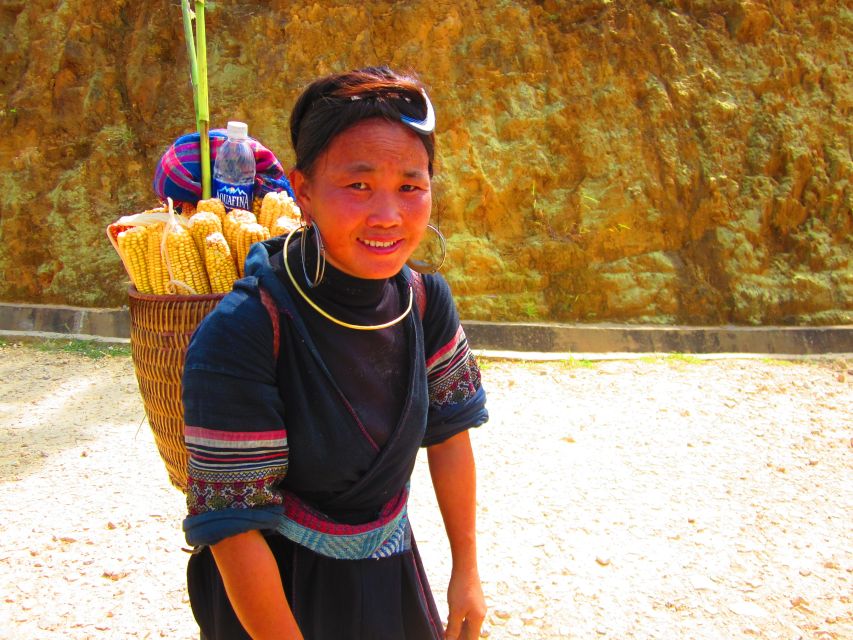
Lunch is included and forms part of the village experience. It may be prepared along the route or served by a local, depending on the day’s arrangements. One account describes a generous spread, while another had sandwiches prepared by the guide. That suggests the exact meal can vary.
A vegan lunch was provided successfully on one occasion. If you have dietary restrictions, state them when booking and remind the guide at pickup. Do not rely on a standard menu, since the meal style is not described in detail and may change with the route.
The picnic is useful for more than filling your stomach. It gives you a pause during a long walk and a natural chance to talk with your guide and local hosts. Still, lunch is not a substitute for personal snacks if you need regular food during exercise. Bring something small in your daypack, especially if you know you tire on long hikes.
Price, group size, and what you receive
At $72 per person, the tour is not the cheapest way to see the Sapa area, but the price covers a fair amount: an English-speaking guide, private car transfers, entrance fees, picnic lunch, and two bottles of mineral water. You are paying for a full route rather than a single waterfall visit.
The value is strongest if you want a guide who can explain local culture and a driver who handles the transfers. It is also useful if you would otherwise need to arrange separate transport to the waterfalls, pass, Ban Khoan, and Ta Phin. The price is less appealing if you mainly want quick photos and do not plan to complete the long walk.
The group is limited to 15 people. That is small enough for questions and basic contact with the guide, though it is not a private tour by default. Private bookings are available in some arrangements, as one highly positive account specifically described a private outing. Confirm the group type if having a private guide matters to you.
Hotel pickup is included from the lobby in Sapa Town. Accommodation, travel insurance, and bus or train tickets are not included, so plan those separately.
Weather, clothing, and the real difficulty
Sapa weather can change quickly, and the tour includes both exposed fields and damp waterfall paths. Pack sunscreen, insect repellent, a sun hat, a raincoat, and a small daypack. From November through March, add warm layers, even though you may heat up during the climb.
The advice about clothing deserves a little interpretation. One account warned against dressing too warmly because the trek creates plenty of heat. The sensible approach is layers: start warm if needed, then remove clothing as you walk. A waterproof outer layer is more useful than a heavy coat in wet conditions.
Your shoes are the most important item. Choose hiking shoes or sturdy walking shoes with good traction. Sandals and smooth casual sneakers are poor choices for slippery waterfall paths and uneven mountain trails.
Expect the views to change with the weather. Clear skies give you the grandest photos, while fog can obscure the rice terraces. Rain may make the waterfalls more impressive but the trails more demanding. You should book this experience for the overall combination of scenery, walking, and culture, not only for a perfect panoramic photograph.
Timing and organization
The advertised duration is five hours, with starting times dependent on availability. The route itself includes a 30-minute transfer each way between Sapa and the sightseeing area, waterfall walks, the pass, a four-hour trek, lunch, and the final drive from Ta Phin. In practice, the timing deserves clarification.
Several accounts describe a route lasting around five hours, but one detailed account said the full trekking distance could not realistically be completed in four hours. Another described about three hours of village walking, including lunch, after a shorter transfer from the waterfall area. These differences may reflect route changes, fitness levels, or how the operator counts walking time.
I recommend asking three clear questions before departure:
- How many kilometers will the group walk today?
- Is the waterfall walking counted separately from the village trek?
- What time should you expect to return to Sapa?
There was also one report of poor booking coordination, with the agency not initially recognizing a confirmed reservation. The guide and driver were otherwise described positively, but it is wise to reconfirm your pickup the day before.
Who should book this tour?
This is a good fit if you want a full day of varied scenery and enjoy walking through rural areas rather than only viewing them from a car. It suits people interested in Hmong and Red Dzao culture, especially those who value a guide’s stories and explanations.
It is also a good option if you want transport and entrance fees handled in one booking. The combination of waterfalls, Tram Ton Pass, rice fields, villages, lunch, and a return transfer gives you plenty for the price.
I would think twice if you want a gentle outing, have difficulty with long uphill and downhill walks, or need a tightly fixed schedule. The route can be demanding, and the advertised timing does not fully explain how the walking and transfers fit together.
Should you book it?
Book this tour if you want Sapa beyond the town center and are ready for a genuine mountain walk. The guides are the biggest strength, the waterfall stops add variety, and the village route offers a more personal look at Hmong and Red Dzao life than a quick roadside visit.
Before paying $72, confirm the expected distance, total timing, and pickup. Pack for four seasons in one day, wear proper shoes, and treat the route as moderately difficult rather than a casual sightseeing stroll. If that sounds right, this is a well-rounded and good-value way to connect Sapa’s natural sights with its rural communities.
FAQ
Where does the tour start?
Pickup is included from your hotel lobby in Sapa Town.
How long does the experience last?
The listed duration is five hours, with starting times depending on availability. The route includes transfers, waterfall visits, lunch, and a long trek, so confirm the exact timing before departure.
How far is the trek?
The trek is described as about four hours and 15 kilometers. One account reported about 17 kilometers for the village section, with waterfall walking counted separately, so the exact distance can vary.
Which waterfalls are included?
The tour visits Silver Waterfall and Love Waterfall in Hoang Lien National Park.
Does the tour visit Tram Ton Pass?
Yes. Tram Ton Pass is visited during the sightseeing section before the trek begins.
Which communities will I learn about?
The tour includes opportunities to learn about Hmong and Red Dzao people, with the trek ending at Ta Phin Village, a Red Dzao community.
Is lunch included?
Yes. A picnic lunch is included. Vegan food has been accommodated, but you should provide dietary information when booking.
What should I bring?
Bring comfortable clothes, hiking shoes, insect repellent, sunscreen, a raincoat, a sun hat, and a small daypack. From November through March, wear warm clothing.
More Countryside and Village Tours
- Motorbike 1 Day Off The Beaten Track, Hidden Villages, rice field
★ 5.0 · 203 reviews - Sapa 1 day trek with local guide to the village by Comlam
★ 5.0 · 148 reviews - Sapa Muong Hoa Valley & Ta Van Eco Village Scenic Tour (No Trek)
★ 5.0 · 144 reviews - Sapa: Motorbike Tour 1 Day Visit Waterfalls & Local Villages
★ 5.0 · 112 reviews
More Sapa Trips and Treks
- Cat Cat Village, Moana, Fansipan Cable Car, Alpine Coaster – Sapa
★ 5.0 · 420 reviews - Sapa: Fansipan Cable, Cat Cat Village, Moana Instagram Tour
★ 4.8 · 294 reviews - From Sapa: 3-Day Ha Giang Loop with Safe Rider (max 8 pax)
★ 4.9 · 285 reviews - Sapa Motorbike Tour With Local Guide 1 Day – Waterfalls, Villages
★ 5.0 · 254 reviews
Just added around Sapa
- Sapa trekking 2 days small group★ 5.0 · 32 reviews
- From Sapa: 3 Day Ha Giang Loop Guided Motorbike Tour With Rider★ 5.0 · 33 reviews
- Vietnamese Spring Rolls Cooking Class★ 5.0 · 34 reviews
- Sapa: 3-Day Ha Giang Loop Motorbike Tour★ 4.9 · 34 reviews
- 2 Day Trekking Experience: Explore with knowledgeable local guide★ 5.0 · 34 reviews
- Trek Adventure in Ta Van Village, Lao Chai★ 5.0 · 36 reviews
- Sapa Trekking & Cooking with H’Mong Locals –Local Culture★ 5.0 · 36 reviews
- Sapa Private Car Rental–Half & Full Day & English Speaking Driver★ 5.0 · 37 reviews
Sapa Trips and Treks, compared.

Sapa 2 Days 1 Night From Hanoi – Overnight in Ta Van Village
Read our review →

Muong Hoa Valley Trek and Local Ethnic Villages
Read our review →
Fansipan Cable, Cat Cat Village & Moana Instagram Tour
Read our review →

Sapa 3 Days 2 Nights Trekking Tour (1 Night In Ta Van Village, 1 Night In Hotel)
Read our review →
Eco Adventure Terrace Fields and Local Villages Trek
Read our review →
3-Day Trekking Adventure of Sapa from Hanoi – Stay Ta Van Village
Read our review →Browse the lists this tour appears in