
Reviewed · SAPA TRIPS AND TREKS
Sapa 1 Day Long Trek: Trek to Hau Thao and Sa Seng Villages
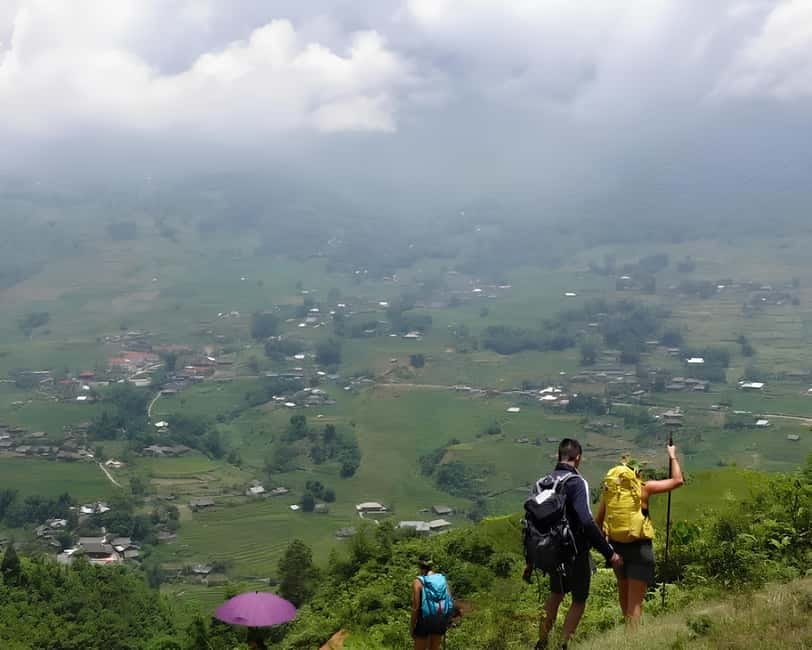
The best Sapa days leave town behind. This 7 to 10 hour trek climbs Sa Seng Mountain, follows trails through Black Hmong villages, and opens onto broad views of Muong Hoa Valley and Fansipan. I especially like the local Hmong guides, who explain farming, homes, marriage customs, and village life in a personal way. I also like the family-run lunch, which turns a long hike into a shared local experience. The main catch is simple: this is a real mountain walk, not a gentle stroll, and rain can make the paths slippery.
You can cover roughly 15 kilometers, with a steep climb near the start and a long descent later in the day. Clear weather brings the finest views, but fog and rain do not automatically ruin the outing. Guides such as Mama Mao, Su, Zozo, Vang, and La have been praised for keeping groups cheerful and helping people over muddy or uneven sections. Just be ready for changing weather, and for local women who may walk beside the group and offer handicrafts for sale.
In This Review
- Key points at a glance
- What this Sapa trek really offers
- Starting with the Sa Seng climb
- Down through Hang Da Village
- The family lunch at midday
- Hau Thao and the farming year
- Bamboo forest, mud, and the final descent
- How weather changes the experience
- The social side, including handicraft sellers
- Who should book this walk?
- Is $24 good value?
- Should you book it?
- FAQ
- How long does the Sapa trek last?
- What villages does the route visit?
- Where does pickup take place?
- Can I be picked up outside Sapa Town?
- Is lunch included?
- Is water provided?
- What languages does the guide speak?
- Can I cancel for a refund?
- Can I pay later?
- Can I stay overnight near the final village?
Key points at a glance
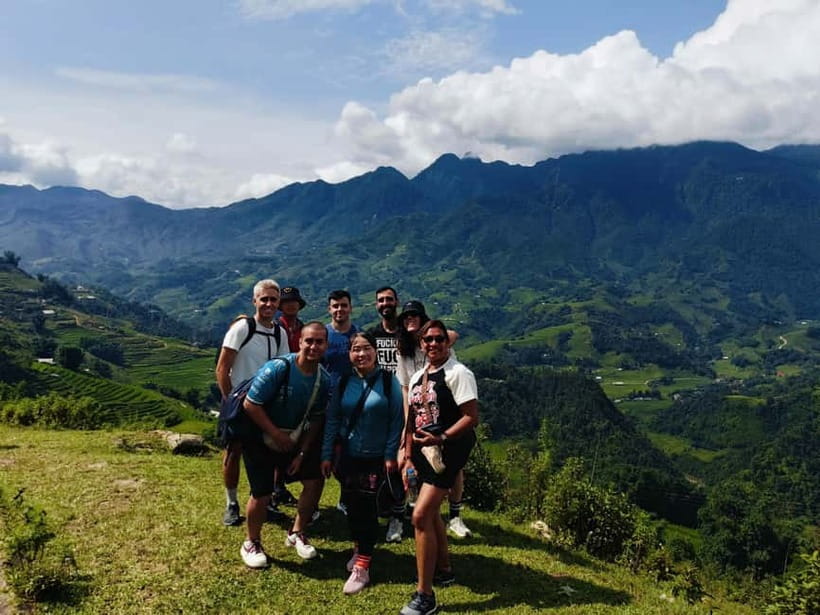
- Sa Seng summit views: On a clear day, you can see Mount Fansipan, Muong Hoa Valley, rice terraces, and the broad Sapa region from above.
- Three Black Hmong communities: The route passes through Sa Seng, Hang Da, and Hau Thao, with the walk ending near Giang Ta Chai.
- A demanding first climb: The opening uphill section lasts about an hour, with uneven ground and a meaningful gain in height.
- Lunch with local flavor: A freshly cooked meal at a family-run restaurant gives you a welcome break and plenty of food.
- Weather shapes the day: Fog can hide Fansipan, while rain turns bamboo forest and dirt paths into slippery going.
- Strong guiding is part of the value: Local guides including Mama Mao, Su, Zozo, Vang, and La are warm, funny, and helpful on the trail.
What this Sapa trek really offers
At about $24 per person, this is one of the lower-cost ways to spend a full day outside Sapa. The price covers hotel pickup in Sapa Town, an English or Vietnamese-speaking guide, bottled water, lunch, village and trail entrance fees, transport back to town, and local operator support.
That matters because the day involves more than walking. You get a route through several communities, a guide who can explain what you are seeing, food at a local business, and a vehicle waiting at the finish. Arranging all of that alone would take time and would not necessarily give you the same access to local knowledge.
The tour is offered as a small group, and group size can shape the experience. A group of five, for example, is small enough for conversation without making the trek feel private or expensive. At the same time, the pace may reflect the slowest person in the group, which is helpful for mixed abilities but less appealing if you want a fast hike.
The advertised duration is 7 to 10 hours. Some walkers have covered around 15 to 15.6 kilometers in about six hours of actual walking, while the full day runs longer once you add lunch, stops, transfers, and time with the guide. Treat the schedule as a full-day commitment.
More Countryside and Village Tours in Sapa
- Sa Pa: Muong Hoa Valley Trek and Local Ethnic Villages
★ 4.6 · 864 reviews - Sapa: Fansipan Cable, Cat Cat Village & Moana Instagram Tour
★ 5.0 · 777 reviews - Sapa: Eco Adventure Terrace Fields and Local Villages Trek
★ 4.9 · 636 reviews
Starting with the Sa Seng climb
Pickup begins around 9:00 AM from accommodation in Sapa Town. You can also meet at Sapa TT Homestay on Dien Bien Phu Street or July Hotel Central Sapa on To Vinh Diem Street. If you are staying outside town, a paid transfer to the meeting point may be possible.
After a short briefing, the walk starts with roughly 1 kilometer uphill. That distance sounds modest, but the slope makes this the part that catches people off guard. The path is uneven, and several accounts describe the opening climb as steep or tricky. If your knees or lungs are not happy with hills, take this warning seriously.
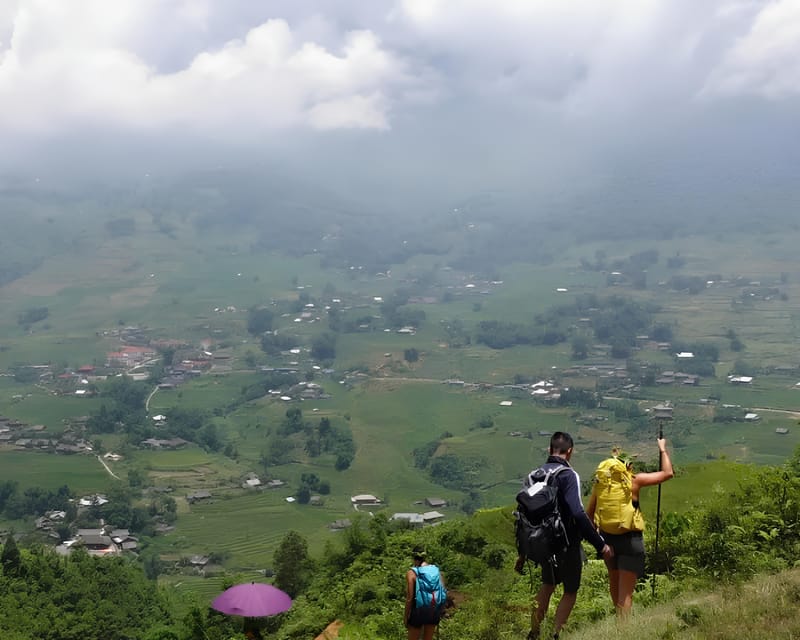
After about an hour, you reach the top of Sa Seng Mountain. This is the visual payoff for the first effort. From here, you may see Fansipan, at 3,143 meters, along with the Muong Hoa Valley far below. The valley contains some of Vietnam’s best-known rice terraces, and the height gives you a useful sense of how the fields follow the curves of the mountains.
The view depends heavily on the sky. In February and November, fog hid much of the scenery for some groups. Other days brought short clear spells, dramatic views above the clouds, or enough visibility to see the terraces and mountain ridges. Your guide may offer a choice in bad weather: climb higher for a possible view, or stay lower on a safer and clearer route.
That flexibility is a real plus. You are not forced to chase a view that the weather has already erased.
Down through Hang Da Village
From Sa Seng, the route heads downhill toward Hang Da Village. The change in pace is welcome after the climb, but downhill walking brings its own problems, especially after rain. Mud, slick stones, and uneven paths demand attention. Guides commonly help with footing and adjust the route when conditions become difficult.
Hang Da is a chance to see daily life rather than simply photograph a viewpoint. The village is home to Black Hmong families, and you may pass buffaloes, pigs, and horses moving freely around the community. These animals are not staged attractions. They are part of farm work, transport, and household life in the hills.
Your guide provides the context that makes these scenes easier to understand. You may learn how rice is grown, how Hmong homes are built, and how family and marriage customs shape village life. Guides from the local communities can also speak about their own lives, which often makes the explanations feel less like a formal lecture.
Do not expect a museum or a set of arranged performances. The value is in walking through a working community and seeing farm animals, houses, fields, and people going about their day. You should behave as you would anywhere else: ask before taking close-up photos, follow your guide’s advice, and avoid treating homes as public exhibits.
The family lunch at midday
Around noon, the group stops for lunch at a family-run restaurant. This is more than a convenient meal break. After a morning of climbing and descending, sitting down indoors with a cooked meal gives your legs a proper rest and lets the group relax.
The food is described as home-style and freshly prepared, with portions generous enough to satisfy hungry walkers. Drinks may cost extra, so carry cash. Bottled water is included during the trek, but bringing some additional water remains sensible for a long day in changing weather.
Lunch also helps the day feel connected to local life. You are supporting a small family business rather than simply eating at a large tourist venue. The setting is described as cozy and local, though you should not expect a polished restaurant experience or a broad menu designed around foreign tastes.
If you have dietary needs, the supplied information does not promise special meals. Ask the operator in advance rather than assuming the lunch will suit you.
More Hiking and Trekking Tours in Sapa
- Number one top rated ethical cultural trekking and homestay by ETHOS
★ 5.0 · 456 reviews - From Sapa: 1-Day Guided Trek to Lao Chai & Ta Van with Lunch
★ 4.9 · 416 reviews - Sa Pa Full Day Trekking Tour
★ 5.0 · 414 reviews - EXPLORE SAPA: 2D1N TREKKING & HMONG CULTURE WITH DINH
★ 4.9 · 191 reviews
Hau Thao and the farming year
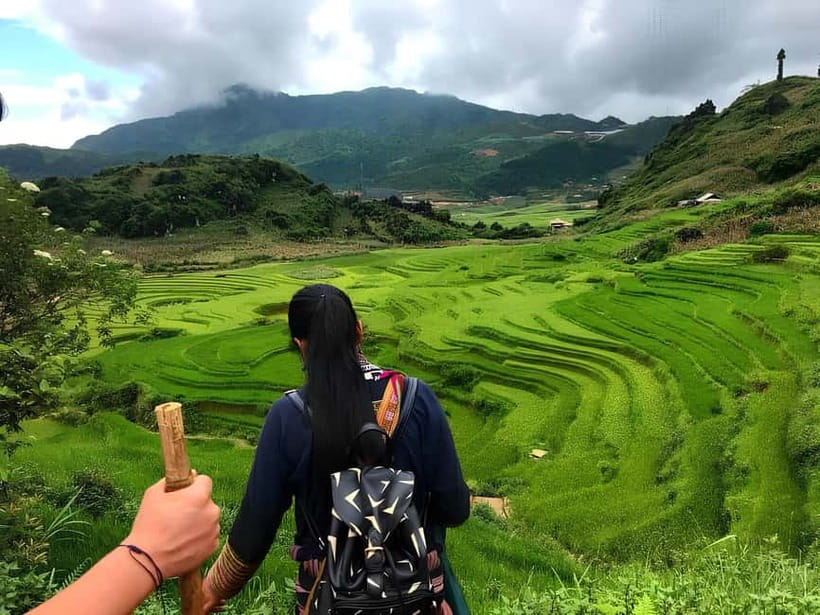
After lunch, the walk continues toward Hau Thao, another Black Hmong community in the mountains. Depending on the month, you may see farmers planting or harvesting rice. The view changes with the farming calendar, so the same route can look very different across the year.
Rice terraces are not just pretty patterns on a hillside. They show how people have adapted farming to steep ground, managing water and soil across narrow fields. Seeing farmers at work gives you a better sense of the effort behind the photographs taken from Sapa’s viewpoints.
This portion of the trek is also where the cultural talk can become most useful. Your guide may explain traditional house-building methods, rice cultivation, marriage rituals, and other customs. Su has been praised for excellent English and clear explanations, while guides such as Zozo and Vang have been described as funny, attentive, and well informed about local culture.
Guide quality matters here. Without interpretation, Hau Thao can seem like another pretty village on a walking route. With a good guide, you begin to understand why homes are built as they are, how the fields support families, and how several ethnic communities in the Sapa region differ.
The level of explanation may vary by guide. One account found the guide helpful and informative when asked questions but wished for more prepared detail about the villages. If cultural history is your main goal, ask questions throughout the day instead of waiting for a formal talk.
Bamboo forest, mud, and the final descent
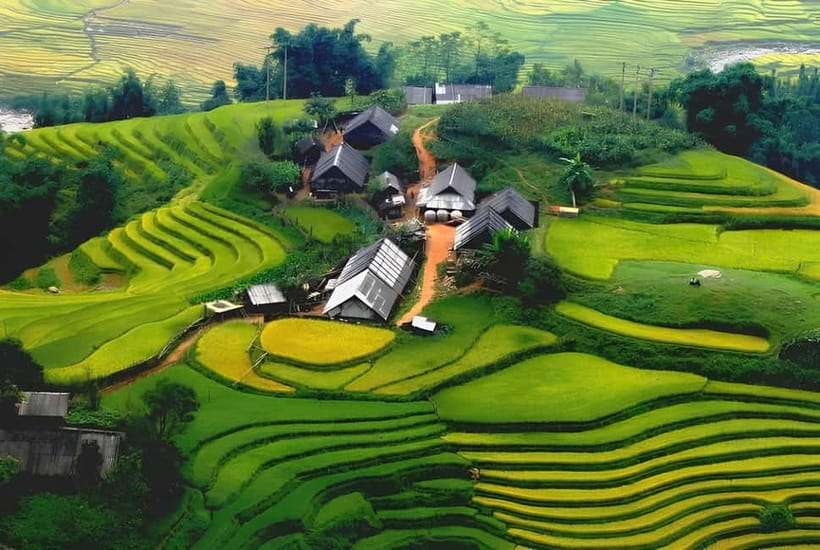
The route includes rice fields, corn fields, open slopes, village paths, and bamboo forest. The bamboo section is a favorite for many people because it feels shaded and quiet, but it can become the most awkward part of the walk after rain.
In wet conditions, wear proper hiking shoes with good grip. The operator has sometimes provided rubber boots, which can help with mud, but one pair of boots will not turn a slippery trail into an easy one. A walking pole would also be useful, although one is not listed as included, so ask before relying on it.
Some groups have taken an easier line in muddy weather. Others chose a harder path because the conditions improved or the views seemed worth the effort. Your guide can help you decide, but you still need to speak up if you are tired, uncomfortable, or unsure of your footing.
The final section can include a long descent, and one account described several kilometers on steep concrete roads. Downhill does not mean effortless. It can be hard on knees and toes, especially after a full day outside. Comfortable shoes, dry socks, and a small amount of cash are more useful here than stylish clothing.
The trek finishes around 3:30 PM in Giang Ta Chai Village, where a vehicle collects the group and returns you to Sapa. The stated route focuses on Sa Seng, Hang Da, and Hau Thao, but Giang Ta Chai functions as the final pickup point. If you want to stay overnight near Hau Thao or Giang Ta Chai, tell the operator in advance. Local homestay help, luggage transfer, and onward transport may be arranged.
How weather changes the experience
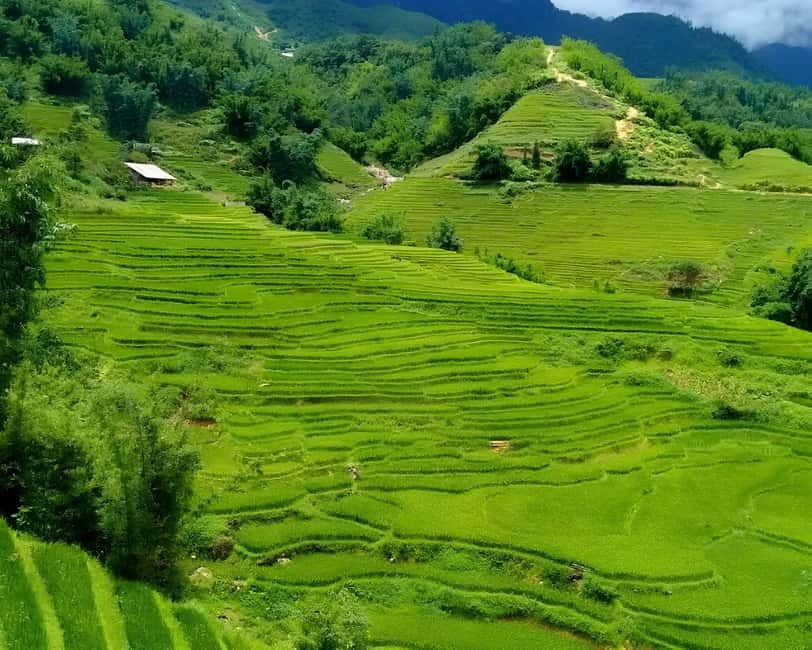
Sapa weather can turn a viewpoint day into a village-and-forest day. Clear conditions may give you Fansipan and the full sweep of Muong Hoa Valley. Fog can reduce visibility to almost nothing, while rain makes the route harder and can hide the terraces.
That does not mean you should cancel at the first cloud. Several outings continued in fog or light rain and still offered a good day because the guide, villages, lunch, and changing terrain remained enjoyable. The better rule is to watch the rain forecast and your own tolerance for slippery ground.
If steady rain is expected all day, rescheduling may be wise. Free cancellation is available up to 24 hours before departure, and the operator may also discuss a date change. If it is merely cloudy or dry, I would still consider going. Sapa’s mist can create atmosphere, and the route has more to offer than distant views.
The best months for green or golden rice fields are not stated as fixed guarantees. Farming scenes depend on the season, so ask the operator what you are likely to see on your date.
The social side, including handicraft sellers
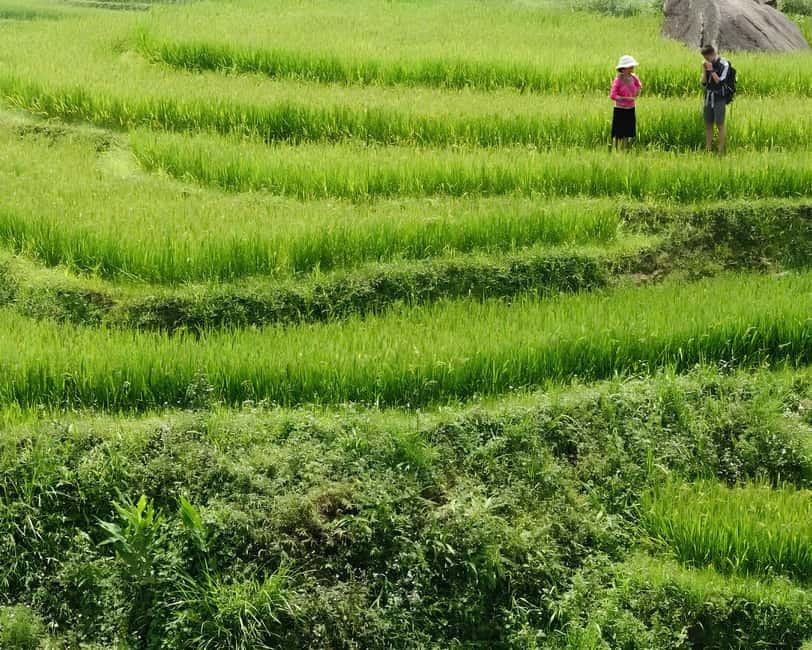
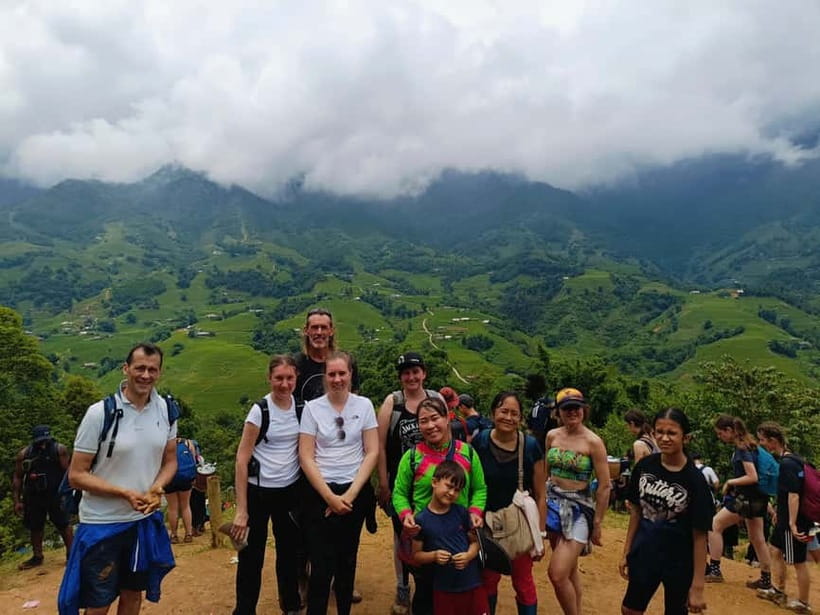
The small-group format is one of the tour’s strengths. You may end up sharing lunch and trail time with people from several countries, and a group of five can feel sociable without becoming unwieldy.
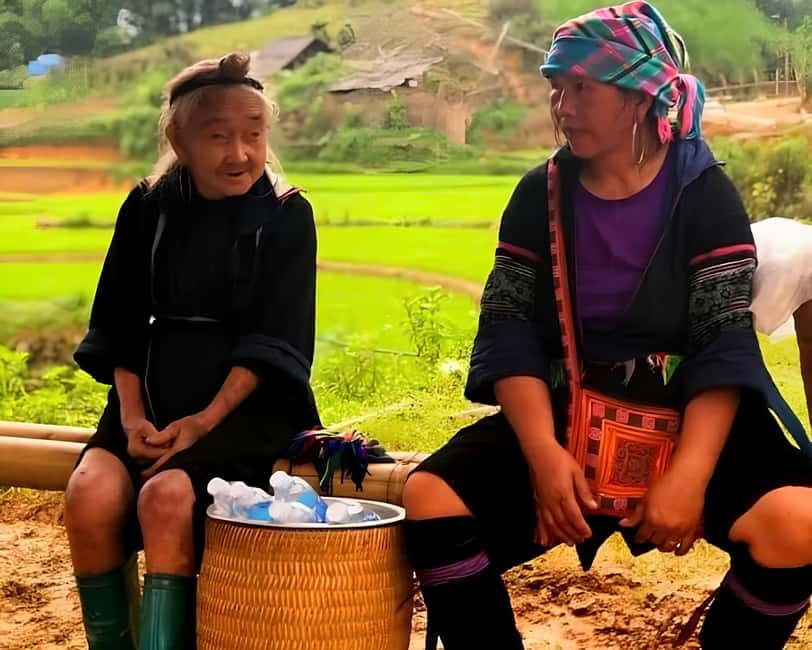
Local women may walk with trekking groups and offer scarves or other handicrafts for sale. Some people enjoy buying a handmade item, while others find the repeated sales approach uncomfortable. Decide your budget before you start, and politely but clearly decline if you do not want anything.
This is worth mentioning because it can affect your mood during an otherwise excellent hike. It is not a reason to reject the route, but it is part of the social reality around popular Sapa treks.
Who should book this walk?
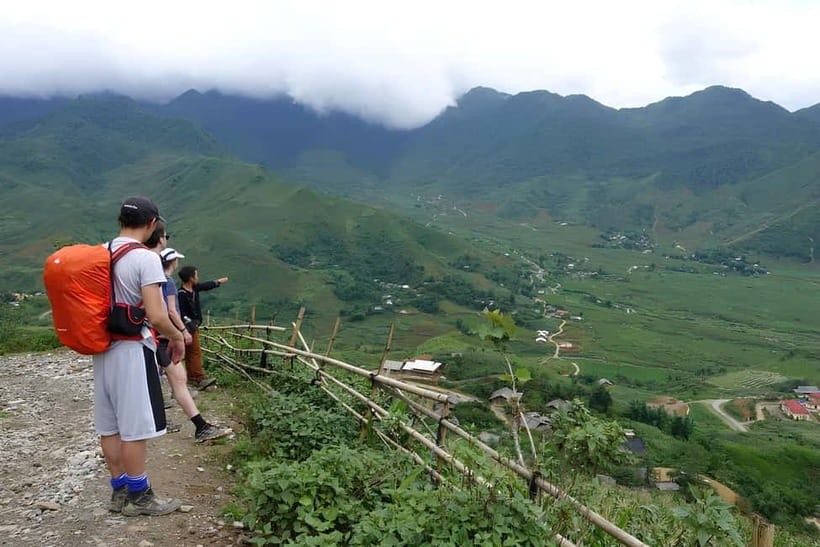
I would recommend it to you if you have one free day in Sapa and want more than a viewpoint reached by road. It suits people who enjoy a full day on foot, want contact with rural communities, and value a local guide who can explain what is happening around them.
You do not need to be an athlete, but you should be comfortable with hills and uneven ground. The opening climb, muddy trails, long distances, and final descent make this a poor fit for anyone seeking an easy stroll. It is also not suitable for people with mobility impairments, heart or kidney problems, altitude sickness, visual impairments, or wheelchair users. The operator lists age and weight limits, including no children under four, no babies, no people over 80, and no participants over 350 pounds or 159 kilograms.
Bring sunglasses, a sun hat, another hat if useful, cash, and sturdy shoes. Avoid alcohol and drugs, and do not bring sharp objects, fireworks, explosives, or a stroller. Leave bare feet for the hotel room, not the mountain trail.
Is $24 good value?
Yes, provided you want a physically active day. For $24, you receive transport back to Sapa, a guide, lunch, water, entrance fees, and a route that would be difficult to arrange smoothly on your own. The strongest value is the combination of scenery and interpretation.
The price does not buy guaranteed sunshine or a private trek. Views can disappear in fog, groups may vary in size, and drinks at lunch are separate. Still, the cost is modest for a 7 to 10 hour outing, especially when the guide’s local experience helps you manage the terrain and understand the communities.
The experience has a 4.6 rating from 344 reviews, and the praise is remarkably consistent around the guides. Mama Mao is repeatedly described as funny, caring, energetic, and full of useful local information. Su, Zozo, Vang, La, Mu, and other named guides are also singled out for patience, humor, English ability, and help on difficult sections.
Should you book it?
Book this trek if you want a full mountain day with real walking, village contact, and a generous local lunch at a low price. It is especially useful when you have limited time in Sapa but still want rice terraces and Hmong communities rather than only town sightseeing.
Skip it if you need an easy route, dislike mud, or require guaranteed panoramic views. For everyone else, choose a dry forecast if possible, wear serious shoes, carry cash, and tell the guide early about your pace. The reward is not only the Sa Seng viewpoint. It is the gradual shift from Sapa’s tourist center to farms, animals, bamboo, homes, and the people who make the valley their own.
FAQ
How long does the Sapa trek last?
The experience lasts about 7 to 10 hours, including the trek, stops, lunch, and transport back to Sapa.
What villages does the route visit?
The route includes Sa Seng, Hang Da, and Hau Thao villages, with the walk finishing in Giang Ta Chai Village for the return transfer.
Where does pickup take place?
Pickup is available from accommodation located in Sapa Town. You can also meet at Sapa TT Homestay, 812 Dien Bien Phu Street, or July Hotel Central Sapa, 02 To Vinh Diem Street.
Can I be picked up outside Sapa Town?
Pickup outside Sapa Town may be arranged for an additional fee. You can also travel to one of the listed meeting points.
Is lunch included?
Yes. A traditional lunch at a family-run local restaurant is included. Drinks may cost extra.
Is water provided?
Yes. Bottled water is provided during the trek.
What languages does the guide speak?
Guides are available in English and Vietnamese.
Can I cancel for a refund?
You can cancel up to 24 hours before the experience for a full refund.
Can I pay later?
Yes. The reserve now and pay later option allows you to book without paying on the day of reservation.
Can I stay overnight near the final village?
Yes, you can ask in advance about a homestay near Hau Thao or Giang Ta Chai. The operator may also help coordinate luggage transfer and transport plans.
More Countryside and Village Tours
- Motorbike 1 Day Off The Beaten Track, Hidden Villages, rice field
★ 5.0 · 203 reviews - Sapa 1 day trek with local guide to the village by Comlam
★ 5.0 · 148 reviews - Sapa Muong Hoa Valley & Ta Van Eco Village Scenic Tour (No Trek)
★ 5.0 · 144 reviews - Sapa: Motorbike Tour 1 Day Visit Waterfalls & Local Villages
★ 5.0 · 112 reviews
More Sapa Trips and Treks
- Cat Cat Village, Moana, Fansipan Cable Car, Alpine Coaster – Sapa
★ 5.0 · 420 reviews - Sapa: Fansipan Cable, Cat Cat Village, Moana Instagram Tour
★ 4.8 · 294 reviews - From Sapa: 3-Day Ha Giang Loop with Safe Rider (max 8 pax)
★ 4.9 · 285 reviews - Sapa Motorbike Tour With Local Guide 1 Day – Waterfalls, Villages
★ 5.0 · 254 reviews
Just added around Sapa
- Sapa trekking 2 days small group★ 5.0 · 32 reviews
- From Sapa: 3 Day Ha Giang Loop Guided Motorbike Tour With Rider★ 5.0 · 33 reviews
- Vietnamese Spring Rolls Cooking Class★ 5.0 · 34 reviews
- Sapa: 3-Day Ha Giang Loop Motorbike Tour★ 4.9 · 34 reviews
- 2 Day Trekking Experience: Explore with knowledgeable local guide★ 5.0 · 34 reviews
- Trek Adventure in Ta Van Village, Lao Chai★ 5.0 · 36 reviews
- Sapa Trekking & Cooking with H’Mong Locals –Local Culture★ 5.0 · 36 reviews
- Sapa: Local Exploration on a Guided Motorbike Tour★ 4.2 · 37 reviews
Sapa Trips and Treks, compared.

Sapa 2 Days 1 Night From Hanoi – Overnight in Ta Van Village
Read our review →

Muong Hoa Valley Trek and Local Ethnic Villages
Read our review →
Fansipan Cable, Cat Cat Village & Moana Instagram Tour
Read our review →

Sapa 3 Days 2 Nights Trekking Tour (1 Night In Ta Van Village, 1 Night In Hotel)
Read our review →
Eco Adventure Terrace Fields and Local Villages Trek
Read our review →