
Reviewed · SAPA TRIPS AND TREKS
EXPLORE SAPA: 2D1N TREKKING & HMONG CULTURE WITH DINH
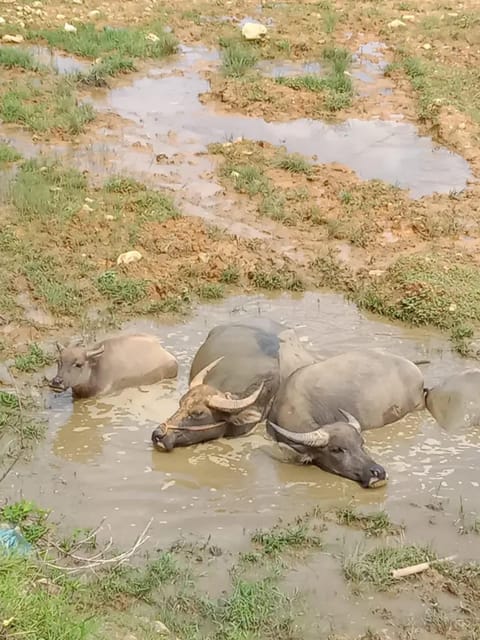
Mud makes the mountain memories better. Dinh’s two-day trek links Sapa Town with rice terraces, bamboo forests, and village paths, then brings you into her family home in Ta Van. I especially like the genuine family homestay and the chance to learn about Hmong and Giay life from a Hmong guide who grew up in the area. The main catch is simple: this is an 18-kilometer walk over steep, uneven ground, and wet weather can turn the trails into a slippery workout.
I also like the way the tour connects sightseeing with local community support. Dinh talks about helping 10 local children with their education, and the evening may include her students performing a traditional dance. You get more than mountain views, but you should be comfortable sharing the experience with other people because this is a group tour.
- Two scenic walking days: Cover about 9 to 11 kilometers on day one and 7 to 8 kilometers on day two.
- Four village areas: Walk through Y Linh Ho, Lao Chai, Ta Van, and the Giang Ta Chai area, with time in a Red Dao community.
- A real family stay: Sleep at Dinh’s family homestay in Ta Van, with a private room or bungalow available by request.
- Hmong culture explained locally: Dinh shares her own story and explains differences among the ethnic groups living around Sapa.
- Waterfall swim option: On the second day, you can swim at Giang Ta Chai if conditions suit you.
- Strong value at $43: The price covers guiding, meals, village fees, lodging, water, and the return ride to Sapa.
In This Review
- What the $43 price really covers
- Day one: Sapa Town to Y Linh Ho
- Lunch with a Hmong family near Lao Chai
- Ta Van and the family homestay
- Day two: bamboo forests, terraces, and Giang Ta Chai
- How hard is the 18-kilometer trek?
- Dinh, her family, and the human side of the tour
- Who will enjoy this Sapa experience?
- Practical verdict: should you book it?
- FAQ
- Where does the trek begin?
- How far do you walk?
- How long does the trek take each day?
- Where do you sleep?
- Are meals included?
- Is the waterfall swim compulsory?
- Can you leave large luggage behind?
- Is this a private tour?
- What should you bring?
- Is transport back to Sapa included?
What the $43 price really covers
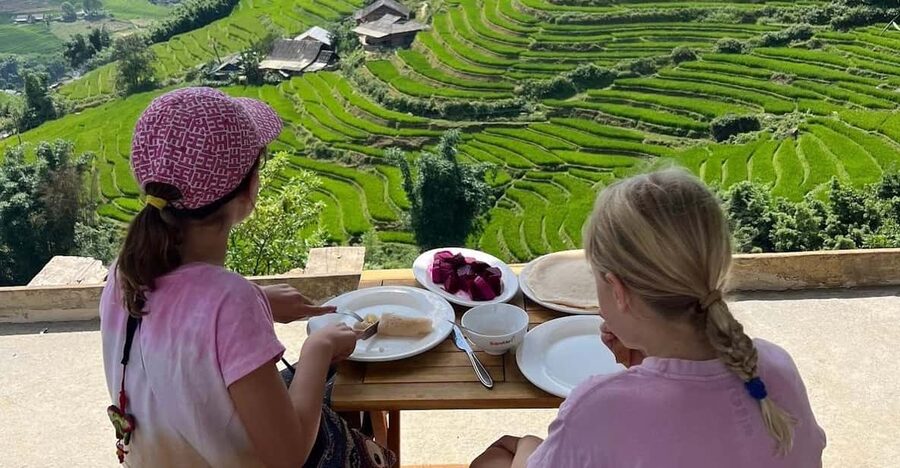
At $43 per person, this is a low-cost way to spend two full days in the Sapa area. The fee includes a local guide for both days, entry fees for four villages, one night at the homestay, two lunches, dinner, breakfast, one large bottle of water per day, and transport back to Sapa after the walk.
That package matters because the costs add up quickly if arranged separately. You are paying for food, a bed, local access, guiding, and the return ride, not just a marked walking route. The tour also gives income to Dinh’s family and supports the educational work she describes in the village.
The price does not cover personal insurance or extra drinks during the trek. Bring cash for additional water, beer, snacks, or local goods sold along the way. If you like buying small items directly from local people, this is one place where carrying some Vietnamese đồng is useful.
The accommodation is simple rather than polished. You can request a private room or a bungalow with a mountain and rice-terrace view, but you should expect basic amenities. A hot shower, comfortable beds, and heated blankets have been available for past groups, but this remains a rural homestay, not a standard hotel.
Day one: Sapa Town to Y Linh Ho

The walk begins at 9:00 AM, with Dinh meeting you at your hotel in Sapa Town or near the main church. That start time gives you room for breakfast, though you need to book before 1:00 PM on day one if you want the full route.
From Sapa, the path drops toward Y Linh Ho. The first day covers around 9 to 11 kilometers and takes roughly five and a half hours, depending on the group, weather, and trail conditions. The route passes rice fields and mountain scenery, with the change from town streets to village paths happening fairly quickly.
Y Linh Ho is a good introduction to the area because the route feels more rural than central Sapa. You are walking through working countryside, not simply stopping at a viewpoint for a photo. Depending on the season, you might see planting or harvesting work in the terraces.
The terrain is the part to take seriously. The route includes steep and uneven sections, and rain can make the paths muddy and soggy. One guide, Mo, received praise for adjusting to wet conditions and keeping an eye on safety. Dinh and her family guides have also offered easier or harder route choices during the day, which helps, but this is still a moderate trek rather than a gentle village stroll.
More Hiking and Trekking Tours in Sapa
- Sa Pa: Muong Hoa Valley Trek and Local Ethnic Villages
★ 4.6 · 864 reviews - Sapa: Eco Adventure Terrace Fields and Local Villages Trek
★ 4.9 · 636 reviews - Number one top rated ethical cultural trekking and homestay by ETHOS
★ 5.0 · 456 reviews
Lunch with a Hmong family near Lao Chai
Lunch comes at a small traditional restaurant operated by a local Hmong family. The food is included, and meals are generally described as fresh, generous, and suitable for vegetarians.
This stop gives the first day a useful rhythm: walk, eat, learn, then continue. It is not a rushed snack break. You can use it to rest your legs and ask Dinh about farming, village life, and the ethnic communities in the valley.
After lunch, the trail continues to Lao Chai, one of the oldest and largest Hmong villages in the area. Dinh explains differences between the Hmong and other groups, including the Giay and Red Dao communities you encounter later. Her own background gives the cultural discussion a personal angle, rather than turning it into a list of facts.
You should also expect contact with local sellers along some walking routes. One person found the number of people offering local handicrafts distracting, even while praising the walk itself. A polite no thank you usually keeps things moving, and buying directly from local makers is an option if you genuinely want something.
Ta Van and the family homestay
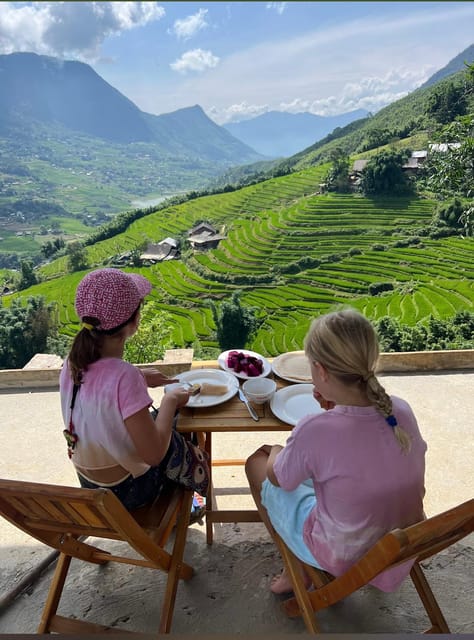
From Lao Chai, you continue to Ta Van, home to Giay and Hmong communities. The village is a key point in the experience because the evening takes place at Dinh’s family homestay.
The setting is one of the reasons to choose this tour. The home sits high enough to offer broad views toward rice fields and the valley, and several people especially liked the setting of the bungalow. Ask for your preferred room type when booking, since the private room and bungalow options may suit different budgets and comfort needs.
After arrival, you have time to rest, shower, and change out of hiking clothes. That pause is welcome after a long descent and several hours on uneven trails. If the weather has been wet, you may be muddy, so pack clothing that can handle dirt and dry slowly.
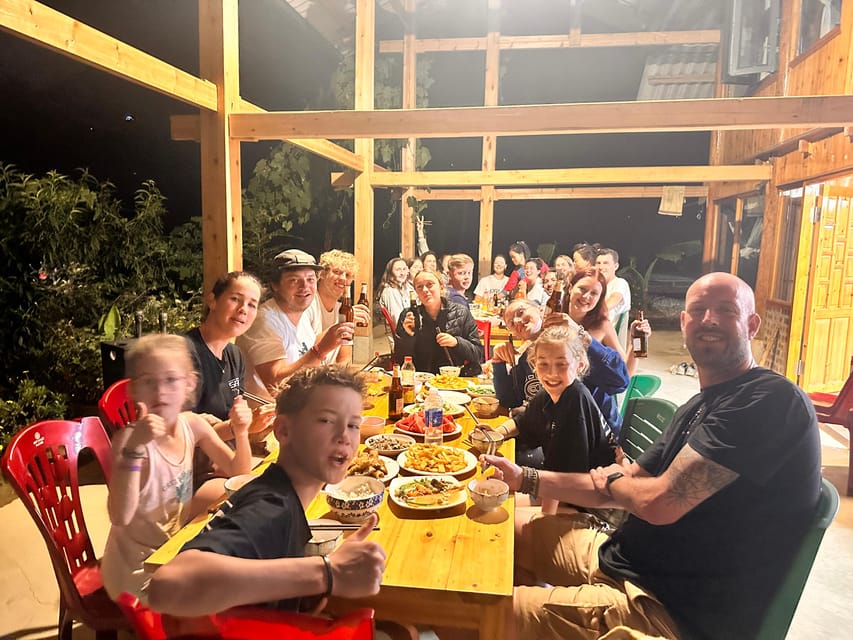
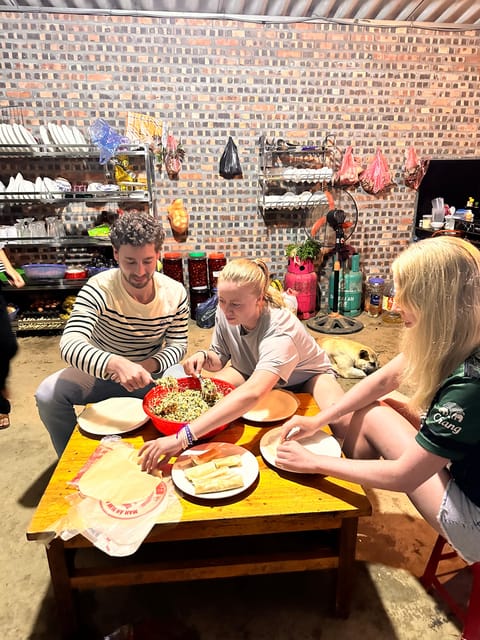
The evening can include a relaxed cooking session with Dinh’s family. You may help prepare traditional dishes, then sit down for dinner. Meals are one of the strongest parts of this stay: portions are generous, ingredients are fresh, and vegetarian choices are available at breakfast, lunch, and dinner.
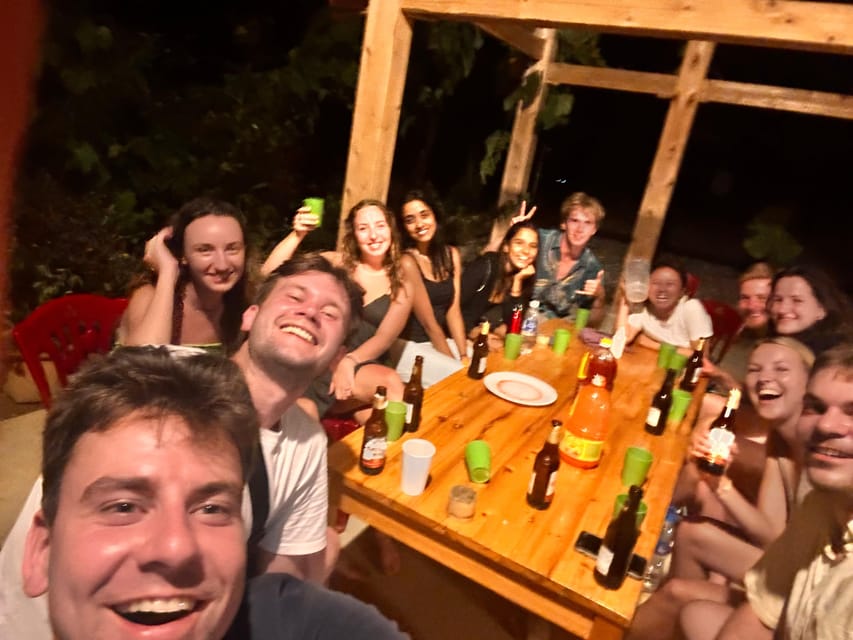
Dinh also shares her personal story, including her work helping 10 local children continue their education. Students may perform a traditional dance, and you might spend time playing with the children. The evening can include local rice wine, known as happy water, and informal drinking games.
This is warm and social, but you do not have to treat rice wine as a test of stamina. If you do not drink, say so clearly. The important part is the conversation and time with the family, not keeping pace with anyone at the table.
Day two: bamboo forests, terraces, and Giang Ta Chai
The second morning begins with coffee or tea at the homestay. Breakfast is included, and the slower start gives you a chance to enjoy the view before setting off.
The day’s route covers about 7 to 8 kilometers and takes around four hours. You walk through bamboo forests and rice terraces toward Giang Ta Chai. The scenery changes from open valley views to shaded forest paths, making this a good contrast with the first day.
The bamboo sections can be especially appealing if you want a quieter walk away from Sapa’s busier paths. Still, quiet should not be confused with easy. Wet ground, narrow paths, and uneven footing can make the route demanding, especially after day one.
Giang Ta Chai’s waterfall provides the day’s refreshing break. You can swim if you want, provided conditions are safe and you bring suitable clothing. A quick swim gives the walk a playful finish, but it is optional, so you can simply rest beside the water if you prefer.
The route then enters an area associated with the Red Dao people before reaching the main road. This part adds another cultural layer to the trek. Dinh’s explanations help you notice that Sapa is home to several distinct communities, not one single version of mountain culture.
A final lunch follows before a taxi takes you back to Sapa. The official ending window is about 2:00 to 3:30 PM, but build in extra time if your group is large or the roads are slow. One group of 13 finished closer to 4:30 PM after a delayed lunch and time spent moving bags to the main road. If you have a bus or train, do not schedule it too tightly.
More Sapa Trips and Treks:
- Sapa: Fansipan Cable, Cat Cat Village & Moana Instagram Tour
★ 5.0 · 777 reviews - Cat Cat Village, Moana, Fansipan Cable Car, Alpine Coaster – Sapa
★ 5.0 · 420 reviews - From Sapa: 1-Day Guided Trek to Lao Chai & Ta Van with Lunch
★ 4.9 · 416 reviews - Sa Pa Full Day Trekking Tour
★ 5.0 · 414 reviews
How hard is the 18-kilometer trek?
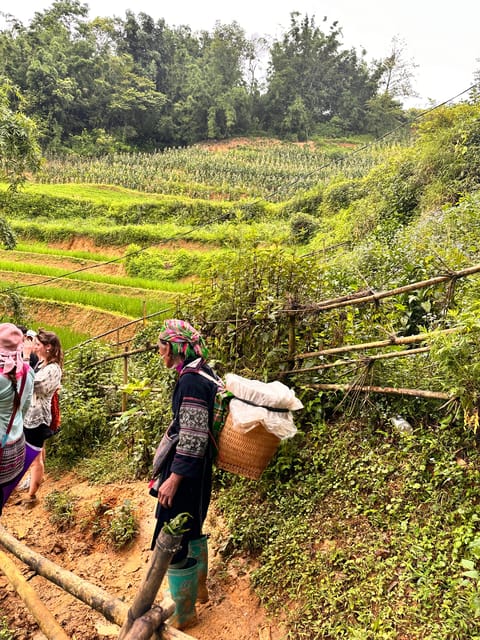
The tour calls for moderate fitness. That description is fair, but it needs context. Eighteen kilometers over two days is manageable for many people, yet the steep slopes, muddy surfaces, and narrow paths make it harder than the distance alone suggests.
Good hiking shoes are essential in wet weather. Comfortable shoes, sun protection, water, biodegradable sunscreen, mosquito spray, and a daypack all belong on your list. The supplied water is helpful, but bring enough cash to buy extra drinks if needed.
You do not need to carry your large luggage on the trail. First ask your hostel if it can store your bags. If that is not possible, Dinh can help transport them to her house, where they will be waiting when you arrive. Carry only what you need for the day and overnight stay.
A daypack should include:
- Water and extra snacks
- Sunscreen and mosquito spray
- A hat
- Dry clothing for the homestay
- Cash
- A rain layer or clothing that can get muddy
The supplied information also mentions climbing gear, but no particular equipment is specified. Ask Dinh directly if you are unsure what she means for your dates and route.
Dinh, her family, and the human side of the tour
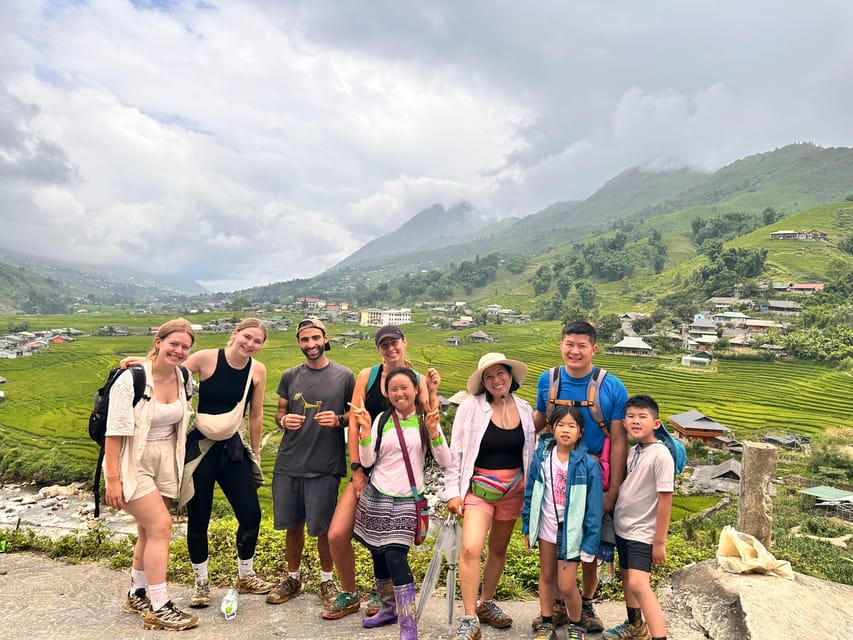
Dinh is the main reason this tour feels personal. She is described as cheerful, energetic, funny, and generous with her time. Her infectious laugh comes up often, but her practical care matters just as much. Guides from her family may join parts of the walk, including cousins and a niece, adding more local voices to the experience.
The guides do more than lead from the front. They help on muddy stretches, adjust the pace, and can offer different route difficulties. One family member even carried or piggybacked children during a walk with two young daughters, though you should not rely on that as a normal service.
Dinh’s own story is central to the evening. She explains how she learned English, built a homestay business, and works to create better opportunities for children and women in her community. The tour is therefore a way to see the area while supporting a small local family operation.
That said, it is worth keeping your expectations grounded. This is a community-based homestay, not a formal cultural show. The dance performance and family activities depend on who is available and how the evening develops. You are joining a household, so flexibility and respect are part of the deal.
Who will enjoy this Sapa experience?
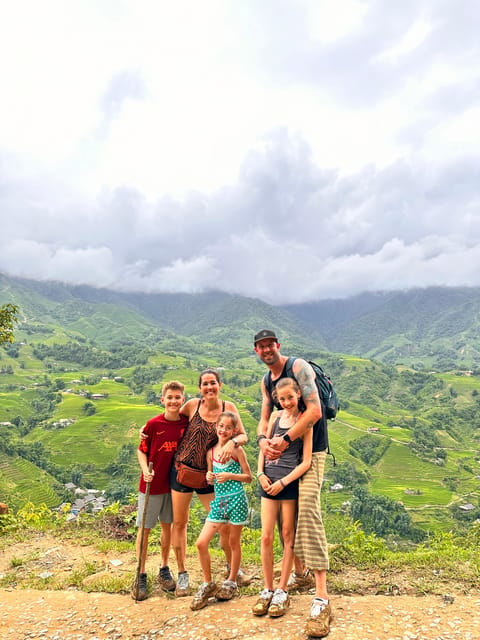
I would recommend it most strongly to people who want nature and cultural contact in equal measure. It suits solo visitors, couples, families with older children, and small groups who enjoy walking but do not want to arrange every meal and transfer themselves.
Children under three join free, with advance notice. The terrain may still be too difficult for very young children, so parents should judge based on the child’s walking ability and comfort with mud, slopes, and long days outside.
You should think twice if you want a private, quiet tour with a fixed schedule. Groups can be larger than expected, and extra family members may join parts of the walk. The social side is a benefit for many people, but it means the pace and meal timing are not always perfectly predictable.
The tour is not suitable for people over 95 according to the supplied conditions. More importantly, anyone with limited mobility or little tolerance for steep trails should ask questions before booking.
Practical verdict: should you book it?
I would choose Dinh’s trek if you want to see Sapa on foot, sleep in a local home, and hear about Hmong life from someone who lives in the valley. The best parts are the family welcome, the generous food, the terraces and bamboo forests, and Dinh’s clear personal purpose.
Book it if you can handle moderate hiking and accept basic accommodation, group travel, possible mud, and a flexible finish time. Pack light, wear serious shoes, request your room preference early, and leave space in your schedule after 3:30 PM.
Skip it if you want luxury, guaranteed sunshine, or a tightly timed sightseeing circuit. For everyone else, $43 is strong value, and the educational support tied to Dinh’s family business gives the trip a purpose beyond collecting pretty mountain photographs.
FAQ
Where does the trek begin?
The trek begins at 9:00 AM, with Dinh meeting you at your hotel in Sapa Town or in front of the local main church.
How far do you walk?
You walk about 9 to 11 kilometers on day one and 7 to 8 kilometers on day two, for roughly 18 kilometers in total.
How long does the trek take each day?
The first day takes about five and a half hours. The second day takes around four hours, followed by lunch and transport back to Sapa.
Where do you sleep?
You spend one night at Dinh’s family homestay in Ta Van. A private room or a bungalow with a mountain and rice-terrace view may be available by request.
Are meals included?
Yes. The price includes two lunches, one dinner, and one breakfast. Vegetarian options are available.
Is the waterfall swim compulsory?
No. Swimming at the Giang Ta Chai waterfall is optional.
Can you leave large luggage behind?
You can ask your hostel to store large bags. If that is not possible, Dinh can help transport them to her house so you do not carry them during the trek.
Is this a private tour?
No. This is a group tour, so you trek with other people.
What should you bring?
Bring comfortable hiking shoes, a sun hat, water, biodegradable sunscreen, mosquito spray, cash, and a daypack. Pack light overnight clothing and shoes that can handle mud.
Is transport back to Sapa included?
Yes. Transportation back to Sapa after the trek is included, with the tour normally ending between 2:00 and 3:30 PM. Allow extra time if the group is large or delays occur.
More 2-Day Experiences
- Sa Pa: 2-Day Trekking Trip with Ethnic Minority Homestay
★ 4.7 · 145 reviews - Sapa : 2-Day Trek & Heartwarming Homestay with an Ethnic Family
★ 5.0 · 143 reviews - Rice Terraced Fields & Homestay Experience– 2D 1N
★ 5.0 · 118 reviews - Mountain views & Rice Terraced Fields Hiking – 2D 1N
★ 5.0 · 99 reviews
More Hiking and Trekking Tours
- Sapa 1 Day Long Trek: Trek to Hau Thao and Sa Seng Villages
★ 4.6 · 344 reviews - 1-day Authentik trek & Panorama valley views
★ 5.0 · 189 reviews - 1 day Fansipan Trekking
★ 5.0 · 180 reviews - Sa Pa: 6-Hours Muong Hoa Valley Trek with Local Ethnic guide
★ 4.5 · 178 reviews
Just added around Sapa
- Sapa trekking 2 days small group★ 5.0 · 32 reviews
- From Sapa: 3 Day Ha Giang Loop Guided Motorbike Tour With Rider★ 5.0 · 33 reviews
- Vietnamese Spring Rolls Cooking Class★ 5.0 · 34 reviews
- Sapa: 3-Day Ha Giang Loop Motorbike Tour★ 4.9 · 34 reviews
- 2 Day Trekking Experience: Explore with knowledgeable local guide★ 5.0 · 34 reviews
- Trek Adventure in Ta Van Village, Lao Chai★ 5.0 · 36 reviews
- Sapa Trekking & Cooking with H’Mong Locals –Local Culture★ 5.0 · 36 reviews
- Sapa: Local Exploration on a Guided Motorbike Tour★ 4.2 · 37 reviews
Sapa Trips and Treks, compared.

Sapa 2 Days 1 Night From Hanoi – Overnight in Ta Van Village
Read our review →

Muong Hoa Valley Trek and Local Ethnic Villages
Read our review →
Fansipan Cable, Cat Cat Village & Moana Instagram Tour
Read our review →

Sapa 3 Days 2 Nights Trekking Tour (1 Night In Ta Van Village, 1 Night In Hotel)
Read our review →
Eco Adventure Terrace Fields and Local Villages Trek
Read our review →
3-Day Trekking Adventure of Sapa from Hanoi – Stay Ta Van Village
Read our review →Browse the lists this tour appears in