
Reviewed · HIKING & TREKKING
Trekking Through Rice Terraced Fields – 1Day
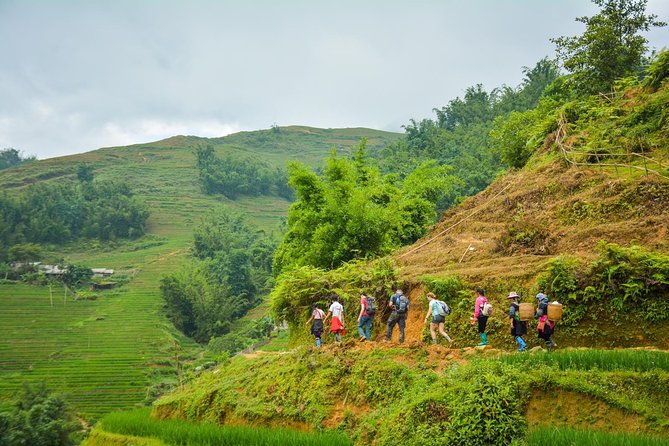
Rice terraces are only half the story. This 5 to 6-hour Sapa trek combines broad mountain scenery with walks through Y Linh Ho, Lao Chai, and Ta Van, where a local guide explains Hmong and Giay life in a useful, personal way. I especially like the small-group limit of 15 people and the fact that lunch, village entry fees, water, and the ride back to Sapa are included. I also like that guides such as Chu, Sang, Vang, Mai, and Du are praised for being friendly, patient, and willing to answer questions.
The main catch is the walking. This is not a gentle village stroll. The route can reach roughly 11 to 12 kilometers, includes steep sections, and becomes muddy or slippery in wet conditions. One disappointing outing included little explanation and an average lunch, so your experience will depend partly on the guide assigned and on your own fitness.
In This Review
- The essential details at a glance
- Why this Sapa trek works so well
- Starting from Sapa at 9 or 9:30
- Y Linh Ho: the first two hours among the terraces
- Lao Chai: Black Hmong culture and a well-earned pause
- Ta Van: a Giay village and the final hour
- Lunch, drinks, and the real value of $45
- How difficult is the walking?
- The guides make or break the day
- Who should book this Sapa experience?
- Should you book the rice terrace trek?
- FAQ
- Where does the Sapa rice terrace trek start?
- What time does the tour start?
- How long does the experience last?
- Which villages does the route visit?
- Is lunch included?
- Is transportation included?
- Is bottled water included?
- Is the trek suitable for people with mobility issues?
- How large can the group be?
- What is the cancellation policy?
The essential details at a glance
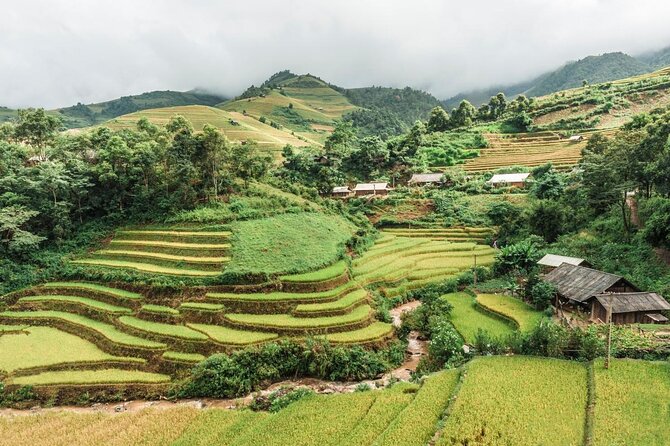
- Three village route: Walk through Y Linh Ho, Lao Chai, and Ta Van, with time to see rice terraces, valleys, mountain scenery, homes, animals, and village life.
- Local cultural guide: Expect discussion of Hmong marriage customs, rice cultivation, house building, daily work, and differences between ethnic groups.
- Moderate but demanding walk: The route is often around 11 to 12 kilometers, or about 6 to 7 miles, with climbs and uneven ground.
- Lunch included: A local meal with vegetables, meat, and vegetarian options is part of the price.
- $45 value: The fee covers village entry, lunch, one small bottle of water, and transport back to Sapa.
- Flexible return by arrangement: The planned return is by vehicle, though one guide, Chu, continued walking with a family that preferred to make the route longer.
Why this Sapa trek works so well
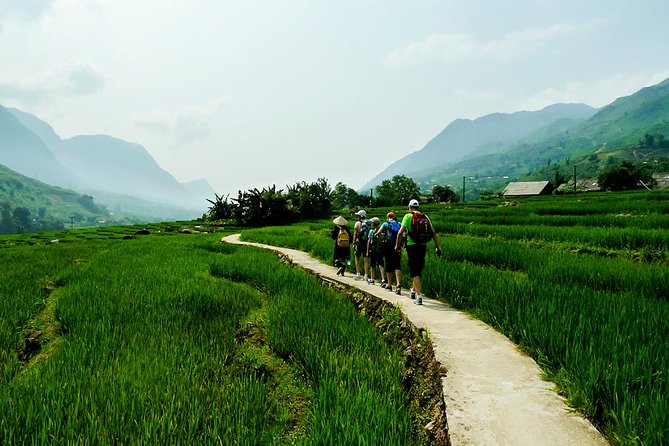
I like this outing because it gets you out of Sapa Town quickly. After meeting your guide, you are taken about 2 kilometers down the road toward Cat Cat before the walking begins in earnest. That short transfer matters. It puts you into the hills and village countryside instead of spending much of the morning on urban streets.
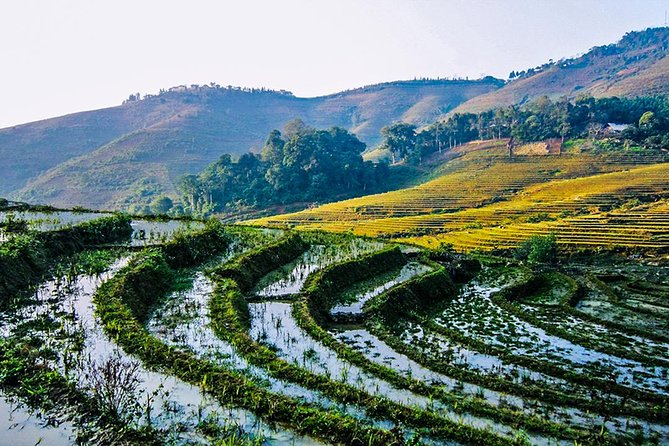
The scenery is the obvious reward. You will see steep slopes cut into rice terraces, mountain valleys, small streams or waterways, and working farmland. The views change as you walk, so the day feels more like a journey than a series of photo stops.
The cultural side gives the walk more purpose. A good guide can explain how Hmong families work their fields, build houses, and organize family life. The tour also covers Hmong marriage customs and the distinctions between local ethnic communities. The advertised cultural scope includes Hmong, Giay, and Red Dao people, although the named route focuses most clearly on Black Hmong communities in Lao Chai and Giay people in Ta Van.
This is also a good choice if you prefer a personal outing over a large coach tour. The maximum group size is 15, and several outings have been much smaller, including private-feeling groups of two, five, or a family. Smaller groups make it easier to ask questions and to adjust the walking pace.
More Hiking and Trekking Tours in Sapa
- Sa Pa: Muong Hoa Valley Trek and Local Ethnic Villages
★ 4.6 · 864 reviews - Sapa: Eco Adventure Terrace Fields and Local Villages Trek
★ 4.9 · 636 reviews - Number one top rated ethical cultural trekking and homestay by ETHOS
★ 5.0 · 456 reviews
Starting from Sapa at 9 or 9:30
The meeting point is listed at Trekking Tour Sapa, 09 Thác Bạc, in Sapa Town, with pickup from your hotel in town or a meeting option in front of the main church. The published information gives both a 9 am tour start and a 9:30 am meeting time, so confirm the exact pickup time before setting out.
That small timing mismatch is worth sorting out because the rest of the day is active. You do not want to begin late and then feel rushed on the trail. Bring your own water as well. One small bottle is included, but that is not much for a half-day mountain walk, and extra drinks are your responsibility.
The first stage takes you down toward Cat Cat’s road, about 2 kilometers from the starting point. This transfer leads into the Y Linh Ho section, scheduled for about two hours. You can expect the first part of the day to set the tone: open mountain views, rice terraces, village paths, and a mix of cultivated hillsides and local homes.
Y Linh Ho: the first two hours among the terraces
Y Linh Ho is where the day begins to feel properly rural. The route moves through scenery associated with the Hmong communities around Sapa, with terraces spread across the slopes and the valley opening below.
The exact walking surface can change with the weather. In dry conditions, the route may feel like a moderate country walk. After rain, it can turn slick, especially on narrow paths and sloping sections. Good shoes with strong grip are more important here than stylish footwear. Several people specifically recommend trekking boots when the trail is wet.
This is a useful section for settling into the pace. You will be walking uphill and downhill rather than simply following a flat valley floor. If your guide is Chu, Sang, Mai, Vang, Du, or another local guide, ask questions early. The best cultural information comes through conversation, and guides are generally willing to explain how rice is planted, how fields are worked, and what you are seeing around the homes.
One point deserves a fair warning: the guide experience is not perfectly consistent. Some guides explain local life at length and answer every question. One less successful outing involved a guide who offered little information unless asked directly. I would not treat this as a reason to avoid the tour, but I would arrive ready to ask about farming, family life, local buildings, and village traditions.
Lao Chai: Black Hmong culture and a well-earned pause

After the first section and a break, the route continues to Lao Chai, a village associated with the Black Hmong. The stop is scheduled for about two hours, making it the cultural and walking heart of the tour.
The appeal here is not a single monument. It is the chance to see how a village fits into its setting. Rice terraces are not simply scenic decoration. They are working fields that demand careful planting, water management, and long hours of labor. A strong guide helps you connect the view with the daily work behind it.
You can ask about Hmong clothing, marriage traditions, farming, house construction, and household routines. The guides are local, and several are from Hmong communities around Sapa. That gives the conversation a personal quality, though you should still listen respectfully and avoid treating village homes or people as a photo set.
You may also encounter local children or adults selling handmade goods such as bags and key rings. You are not required to buy anything. If you do, keep the exchange friendly and fair, and remember that the walk is about meeting people rather than collecting souvenirs.
The route can become harder around this part of the day. One account describes a 12-kilometer mountain route, while another family walked roughly 6 miles. The exact distance may vary with the group, route conditions, and the return arrangement. Plan for a full walking day rather than relying only on the listed five to six hours.
More Hiking and Trekking Tours:
- From Sapa: 1-Day Guided Trek to Lao Chai & Ta Van with Lunch
★ 4.9 · 416 reviews - Sa Pa Full Day Trekking Tour
★ 5.0 · 414 reviews - Sapa 1 Day Long Trek: Trek to Hau Thao and Sa Seng Villages
★ 4.6 · 344 reviews - EXPLORE SAPA: 2D1N TREKKING & HMONG CULTURE WITH DINH
★ 4.9 · 191 reviews
Ta Van: a Giay village and the final hour
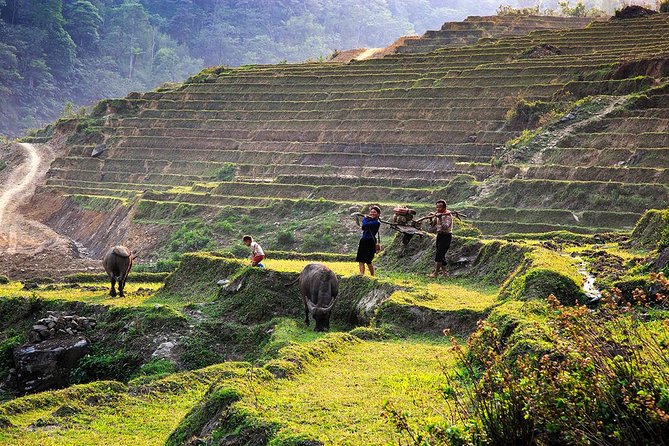
The final walking section leads to Ta Van Village, where you meet the Giay minority. This portion is listed at about one hour, so it is shorter than Y Linh Ho and Lao Chai, but it still adds an important cultural comparison.
The guide explains differences between ethnic communities, including traditions and ways of life. That comparison is one of the strongest reasons to choose this route. Instead of seeing one village and leaving with a blurred idea of local culture, you get a chance to notice that Sapa’s communities are not all the same.
Ta Van is also where the walking portion finishes before the vehicle takes you back to Sapa. The planned arrangement is convenient, especially after several hours on uneven paths. If you are still feeling fresh, ask whether an extended walk is possible. Chu once continued with a group that chose to walk to its homestay rather than take the vehicle, turning the outing into an 11-kilometer round trip. Do not assume this is included for everyone, but it shows that the day can sometimes be adjusted by agreement.
Lunch, drinks, and the real value of $45
At $45 per person, this is not the cheapest way to see the Sapa countryside. You are paying for a guide, village entry fees, lunch, a small bottle of water, and transport back to Sapa. The price makes more sense if you value explanation and route support, not just scenery.
Lunch includes local food with vegetables and meat, along with a vegetarian option. Several meals were described as good, while one was considered mediocre. That is a fair reason to keep expectations sensible. This is a practical local lunch included in a walking tour, not a restaurant meal you would book as a separate culinary event.
Bring extra cash for drinks. Additional bottled water, beer, or other beverages at the restaurant are not included. I would also carry extra drinking water from Sapa, since one small bottle may not be enough for a warm day or a longer route.
The fee is good value for a first visit to Sapa if you want the route handled for you. It is less compelling if you are comfortable navigating mountain paths alone and mainly want photographs. One person felt the guide added little beyond directions, while many others found the cultural explanation central to the day. That difference tells you exactly what to clarify before booking: ask for a guide who will actively explain local life, not simply lead the way.
How difficult is the walking?
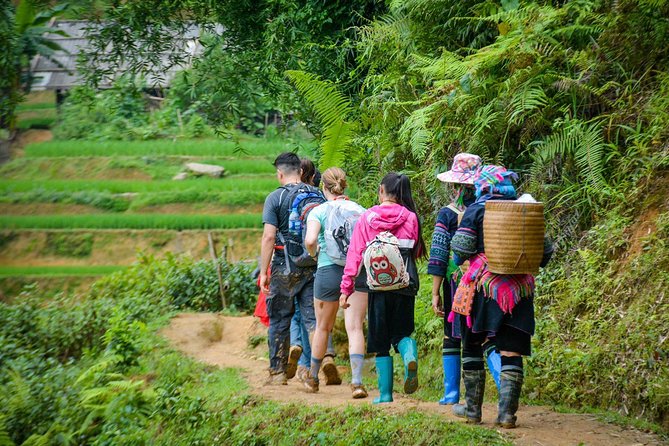
The tour describes the fitness level as moderate, and that is the right starting point. You do not need to be an athlete, but you should be comfortable walking for several hours on uneven mountain paths and climbing steep sections.
A particularly honest description says that an average-fit person can complete the six-hour walk but may have sore legs the next day. Another outing covered about 12 kilometers and required good footwear. Families have also completed the route with children aged 6, 8, 11, and 12, with a patient guide helping them along.
Still, the route is not suitable for people with mobility problems. A separate account called it long and difficult for adults who are not in good shape. That criticism should be taken seriously. The combination of distance, slopes, mud, and changing surfaces can make the walk tiring even when the weather is pleasant.
Pack:
- Grippy walking shoes or trekking boots
- Extra water
- Sun protection and rain protection
- A small amount of cash for drinks or crafts
- Clothing that can get muddy
Do not wear smooth-soled trainers. The path may be dry in the morning and slippery later, and a fall can spoil an otherwise excellent day.
The guides make or break the day
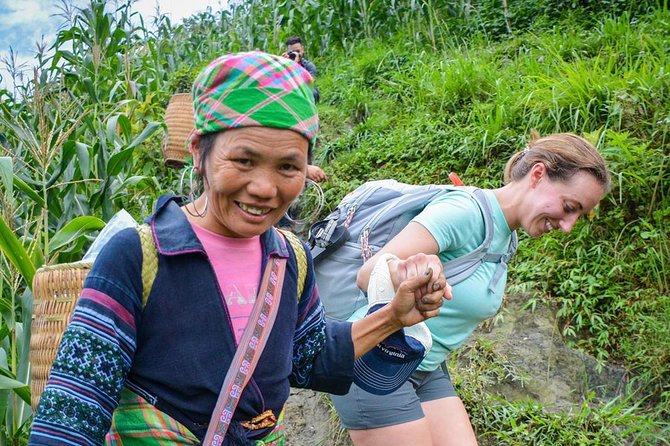
The strongest part of this tour is the local guiding. Guides named Chu, Sang, Vang, Mai, Du, Me, Chinh, Lucy, Dom, and Mau have been praised for being warm, patient, funny, and generous with local information.
Chu is especially noted for helping a family with a three-year-old and for agreeing to continue the walk when they preferred not to take the vehicle. Sang is praised for clear English, cultural insight, and a good sense of humor. Mai is described as personable, with strong English and an easy way of explaining what you see.
Guide quality can vary, so make the most of the opportunity. Ask about rice planting, Hmong marriage customs, house building, farming tools, village education, and the differences between Hmong and Giay communities. A quiet guide may simply need prompts, while a strong guide will turn your questions into a running conversation.
The high overall rating of 4.9 from 173 ratings and a 99 percent recommendation rate suggest that most people find the experience worthwhile. The occasional lower score points to two practical risks: a guide who does not explain much and a route that feels too demanding. Both are manageable if you understand the walking conditions and speak up during the tour.
Who should book this Sapa experience?
I would choose this trek if you have one full day in Sapa and want scenery plus direct contact with village life. It suits people who enjoy walking, asking questions, and accepting a little mud in exchange for better views.
It also works well for families with active children, provided everyone can manage a moderate mountain route. The patience shown by guides such as Mau and Chu is encouraging, but you should not expect a stroller-friendly path or an easy pavement walk.
You may want a gentler outing if you have mobility limitations, dislike steep climbs, or want a polished sightseeing day with little physical effort. You should also think twice if your main goal is a long, quiet walk without village commerce or interaction.
The tour has free cancellation up to 24 hours before the start time. Cancellations within 24 hours are not refunded, and changes within that period are not accepted. That policy gives you some flexibility, but check the weather and your fitness plans before the final day.
Should you book the rice terrace trek?
Yes, if you want Sapa’s famous terraces explained by someone who lives within the local culture. The scenery is excellent, the three-village route gives the day shape, and $45 covers the main practical costs. The strongest guides turn the walk into much more than a photo stop.
Book it with realistic expectations. The route may be around 11 to 12 kilometers, the ground can be muddy, and lunch quality may vary. Confirm the start time, bring extra water, wear grippy shoes, and ask your guide questions from the beginning.
If you have only one day in Sapa and can handle a moderate mountain walk, I would put this near the top of your list. If you need an easy route, choose something shorter instead.
FAQ
Where does the Sapa rice terrace trek start?
The meeting point is Trekking Tour Sapa at 09 Thác Bạc, TT. Sa Pa, Sa Pa, Lào Cai 330000, Vietnam. Pickup is also offered from hotels in Sapa Town, or you can meet in front of Sapa’s main church.
What time does the tour start?
The information gives both 9 am and 9:30 am. The meeting time is listed as 9:30 am, so confirm the exact pickup time with the provider before the tour.
How long does the experience last?
The tour lasts approximately five to six hours. The walking distance can be around 11 to 12 kilometers, depending on the route and arrangements.
Which villages does the route visit?
The route includes Y Linh Ho, Lao Chai, and Ta Van Village. Lao Chai is associated with the Black Hmong, while Ta Van is associated with the Giay minority.
Is lunch included?
Yes. Lunch includes local food with vegetables and meat, and a vegetarian option is available.
Is transportation included?
Yes. Transport back to Sapa is included after the walking section. Extra drinks are not included.
Is bottled water included?
Yes. One small bottle of water per person is included. You should bring or buy additional water for the walk.
Is the trek suitable for people with mobility issues?
No. The tour requires a moderate fitness level and includes uneven, steep, and potentially muddy paths. It is not suitable for people with mobility issues.
How large can the group be?
The maximum group size is 15 people. Some outings may be much smaller, depending on bookings.
What is the cancellation policy?
You can cancel at least 24 hours before the start time for a full refund. Cancellations or changes made within 24 hours are not accepted, and the amount paid is not refunded.
Just added around Sapa
- Sapa trekking 2 days small group★ 5.0 · 32 reviews
- From Sapa: 3 Day Ha Giang Loop Guided Motorbike Tour With Rider★ 5.0 · 33 reviews
- Vietnamese Spring Rolls Cooking Class★ 5.0 · 34 reviews
- Sapa: 3-Day Ha Giang Loop Motorbike Tour★ 4.9 · 34 reviews
- 2 Day Trekking Experience: Explore with knowledgeable local guide★ 5.0 · 34 reviews
- Trek Adventure in Ta Van Village, Lao Chai★ 5.0 · 36 reviews
- Sapa Trekking & Cooking with H’Mong Locals –Local Culture★ 5.0 · 36 reviews
- Sapa Private Car Rental–Half & Full Day & English Speaking Driver★ 5.0 · 37 reviews
Hiking & Trekking, compared.

Halong Bay Full Day with Kayaking, Hiking viewpoint, Cave – Deluxe To Luxury
Read our review →
Muong Hoa Valley Trek and Local Ethnic Villages
Read our review →

Sapa 3 Days 2 Nights Trekking Tour (1 Night In Ta Van Village, 1 Night In Hotel)
Read our review →
Eco Adventure Terrace Fields and Local Villages Trek
Read our review →
3-Day Trekking Adventure of Sapa from Hanoi – Stay Ta Van Village
Read our review →
3D and 2N Lan Ha Bay Cat Ba Island Kayaking & Trekking with Vega
Read our review →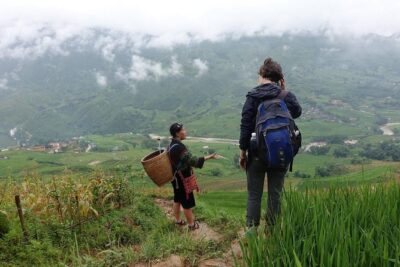
Number one top rated ethical cultural trekking and homestay by ETHOS
Read our review →Browse the lists this tour appears in