
Reviewed · SAPA TRIPS AND TREKS
From Sapa: Guided Full-Day Trekking with Lunch and Drop-Off
Rice terraces make a fine reason to leave town. This $22 Sapa trek gives you a full day of mountain views, village paths, a local English-speaking guide, lunch, and a bus back to town. I like the route through Y Linh Ho and Lao Chai, and I like that local people sometimes help hikers through the muddiest or steepest spots. The main catch is that the trail is tougher than the low price suggests.
You will walk about 10 kilometers on uneven ground, with roughly 8 kilometers before lunch and another 1 kilometer to the return bus. In wet weather, the path can turn into slippery mud. The village explanations may also be brief, so I would book this for scenery and exercise first, cultural detail second.
In This Review
- Key points before you book
- Why this six-hour Sapa trek is worth considering
- Starting from Sapa at 8:00 or 8:30am
- Y Linh Ho and the first rice terraces
- Following Muong Hoa Stream toward Lao Chai
- Lao Chai village and Black H’mong culture
- Hoang Lien Son views along the route
- Reaching Ta Van after roughly eight kilometers
- Local lunch around 12:30pm
- Return to Sapa by bus
- What to wear and carry for this trail
- Who should book this Sapa trekking tour?
- Should you book it?
- FAQ
- How long is the Sapa trekking tour?
- What time does the tour start and finish?
- Is lunch included?
- Is transportation included?
- What should I bring?
- Is the trek suitable for children or people with mobility limitations?
Key points before you book
- The route drops from Sapa into Muong Hoa Valley, passing rice terraces, streams, and mountain villages.
- Y Linh Ho and Lao Chai bring the strongest views, with Black H’mong and Red Dao communities living in the area.
- The walk is around 10 kilometers, and wet weather can make it tiring and slippery.
- Local women may walk beside you, offering help on difficult sections and selling handmade goods.
- Lunch is included at a local restaurant, but drinks cost extra.
- A return bus is included from Ta Van, bringing you back to Sapa around 2:30 or 3:00pm.
Why this six-hour Sapa trek is worth considering
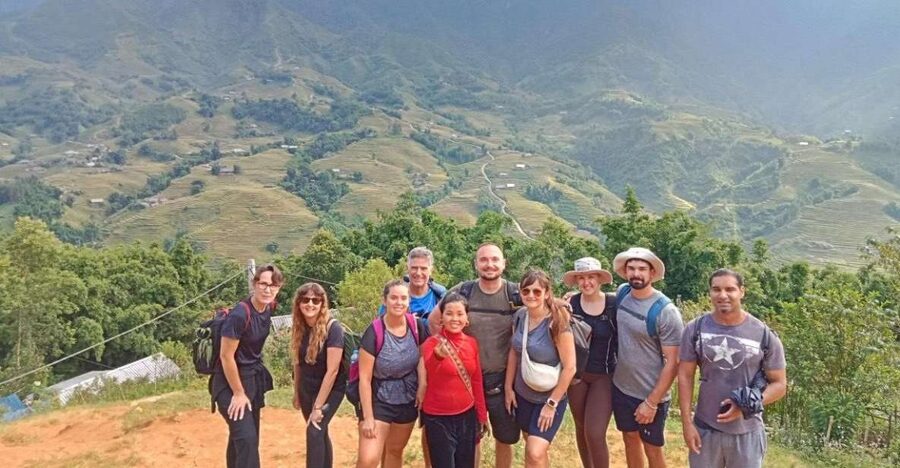
This is a straightforward way to see the countryside around Sapa without arranging transport, entrance fees, lunch, and a return ride separately. You meet your guide in central Sapa, walk out toward the valley, and finish with a bus ride back to town.
The price is the first big attraction. At $22 per person, the tour includes a local English-speaking guide, entrance ticket, lunch, and one-way transport from Ta Van to Sapa. You still pay for drinks and personal purchases, but the main costs are covered.
I also like the route itself. Instead of stopping at one viewpoint and returning by vehicle, you spend several hours walking between villages. That gives you changing views of the terraces and a better sense of how the valley connects its communities.
The trade-off is comfort. This is not a gentle stroll on a paved path. You should expect dirt tracks, uneven ground, hills, and mud after rain. Good shoes matter more here than a polished camera or a large day bag.
The tour receives a 4.2 rating from 86 reviews, which fits the experience well. The scenery and the kindness of the local helpers earn strong praise, while the main complaints focus on limited cultural explanation and the physical demands of the trail.
More Hiking and Trekking Tours in Sapa
- Sa Pa: Muong Hoa Valley Trek and Local Ethnic Villages
★ 4.6 · 864 reviews - Sapa: Eco Adventure Terrace Fields and Local Villages Trek
★ 4.9 · 636 reviews - Number one top rated ethical cultural trekking and homestay by ETHOS
★ 5.0 · 456 reviews
Starting from Sapa at 8:00 or 8:30am
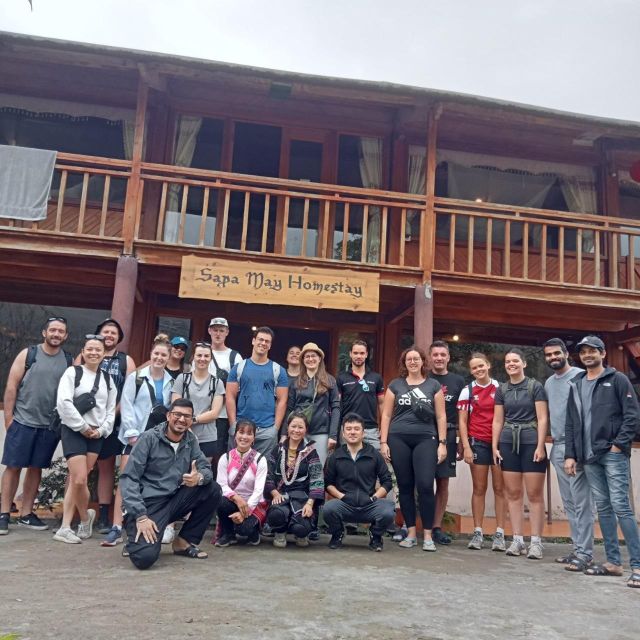
Pickup takes place at your hotel in central Sapa, or at an agreed meeting point. The guide walks with you to the departure point near Sapa Retreat Condotel, rather than sending a vehicle to every hotel door.
That short start is useful because you do not spend the morning waiting for a large coach. You begin on foot and soon leave the built-up part of town behind.
The tour starts around 9:00am. The timing gives you a useful buffer if your pickup runs a little late, but you should still be ready by 8:00am. Wear your walking shoes from the start, and carry only a small day pack. Large luggage and oversized bags are not allowed.
The return usually comes around 2:30 to 3:00pm. The description also says the tour ends around 2:00 to 2:30pm, so allow a little flexibility rather than planning a tight train, bus, or dinner reservation immediately afterward.
Y Linh Ho and the first rice terraces
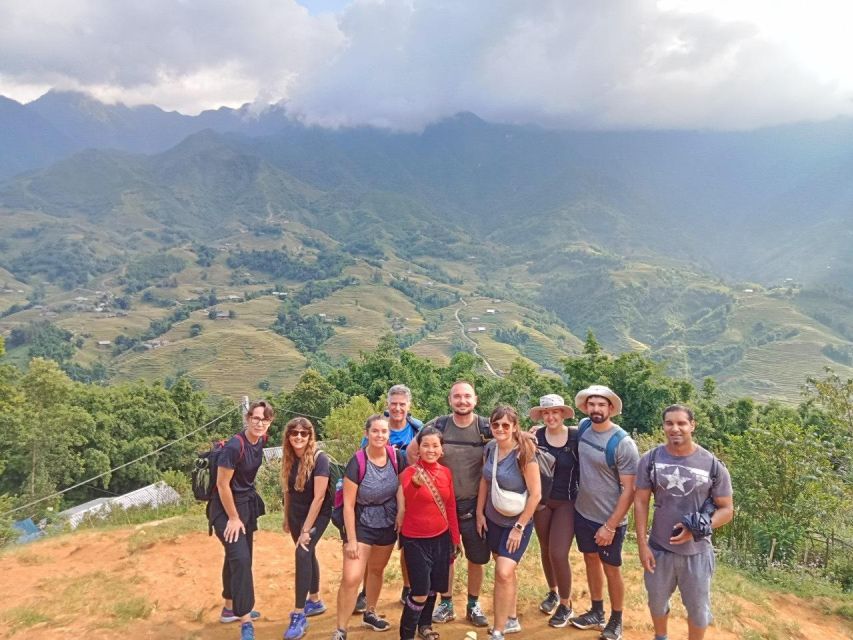
The first major stop is Y Linh Ho village, reached after about 1.5 kilometers from Sapa. Here the route opens toward the Muong Hoa Valley, with rice terraces cut into the slopes and Hoang Lien Son Mountain rising around the area.
This is where the walk begins to feel like a countryside trip rather than a city excursion. You have time for photographs, a guided visit, and a steady walk through the village area.
The rice terraces change character with the season, but the main appeal is the shape of the hills and the way fields follow the contours of the valley. You also walk along Muong Hoa Stream, which gives the route a natural line and breaks up the climb and descent.
Do not expect a formal attraction with signs, exhibits, or paved paths. The reward is the setting itself. You see homes, paths, fields, and daily village life while moving at walking speed.
A local guide is important here because the trail can be confusing and the route is not simply a road from one marked sight to the next. Still, you should set your expectations correctly. One recent account found the guide helpful but said there was little explanation about the villages, their history, or local customs.
Following Muong Hoa Stream toward Lao Chai
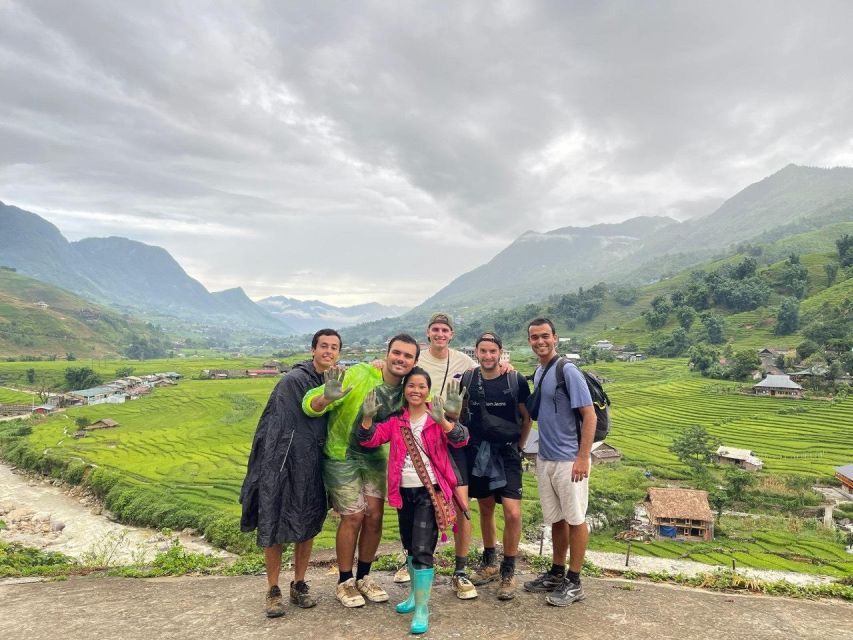
The route continues for about 1.5 hours through the Muong Hoa Valley and onward to Lao Chai. This is one of the most scenic sections, but it is also where the ground can become demanding.
You will walk beside terraces and through paths that may be muddy after rain. Some sections are uneven, and the trail can feel hard if you are not used to several hours of walking. One account described the route as difficult in rainy conditions and stressed the need for shoes with good grip.
I would not wear casual trainers with smooth soles. Hiking shoes or sturdy shoes with non-slip soles are the safer choice. Bring sunscreen and insect repellent, and wear warm clothing from October through March. The mountain weather can feel cool even when Sapa town seems comfortable.
The local women who sometimes accompany the group are part of the practical reality of this route. They may help you through challenging spots, especially when the path is wet. They also sell handmade products, so you may hear invitations to buy something.
You are not required to purchase anything. If you accept help, you can decide for yourself how to respond, but do not feel pressured into shopping. A polite refusal is enough if you do not want a purchase.
More Sapa Trips and Treks:
- Sapa: Fansipan Cable, Cat Cat Village & Moana Instagram Tour
★ 5.0 · 777 reviews - Cat Cat Village, Moana, Fansipan Cable Car, Alpine Coaster – Sapa
★ 5.0 · 420 reviews - From Sapa: 1-Day Guided Trek to Lao Chai & Ta Van with Lunch
★ 4.9 · 416 reviews - Sa Pa Full Day Trekking Tour
★ 5.0 · 414 reviews
Lao Chai village and Black H’mong culture
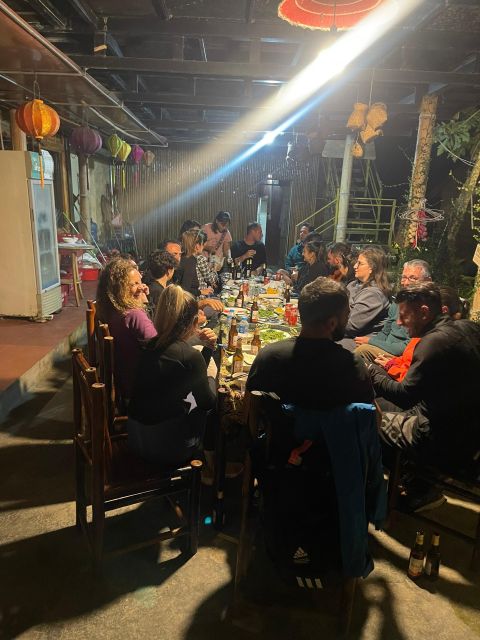
Lao Chai is associated with the Black H’mong community, and the route also introduces you to the lives of Black H’mong and Red Dao people in the valley. You see stilt houses, terraces, and village paths rather than a staged cultural performance.
That is the strongest cultural feature of the tour. You are walking through inhabited places, not simply looking at an isolated viewpoint. The setting shows how farming, homes, and mountain terrain fit together.
The weakness is that the amount of interpretation depends heavily on the guide. The tour promises an English-speaking local guide, but the experience may be more about route assistance than a long cultural talk. If you want detailed information about clothing, customs, architecture, or village history, ask questions as you go.
This is a good place to be curious. Ask about the houses, the crops, the communities, and the way people use the terraces. The guide may answer directly, but you should not assume you will receive a full talk at every stop.
There is also time for photographs and possible shopping. I would keep your camera ready but avoid turning the whole walk into a series of rushed stops. The appeal comes from seeing the valley unfold slowly.
Hoang Lien Son views along the route
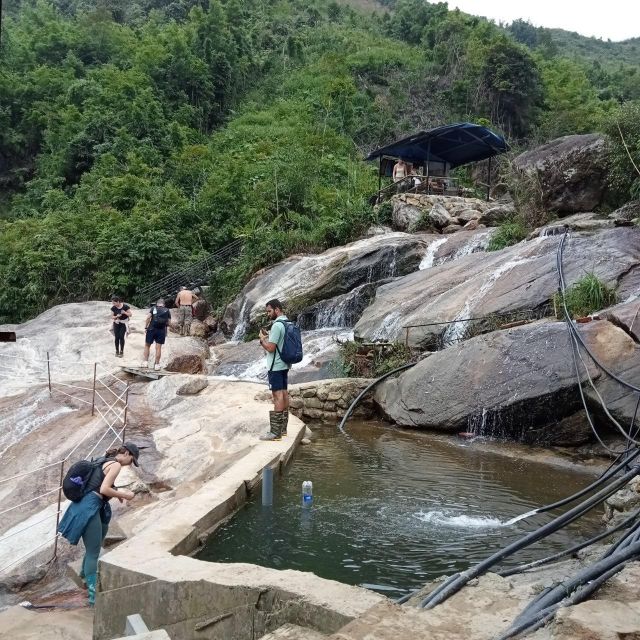
The Hoang Lien Son Mountain area provides the larger setting for the trek. You do not reach a single summit or complete a demanding mountain climb. Instead, you walk through the foothills and valley, stopping for scenery and short breaks.
The views are the reason most people will be happy they booked this tour. Terraces spread across the hillsides, the stream follows the valley, and the villages appear among the fields. On a clear day, the route gives you broad views across the mountain country.
Weather can change the experience. Rain may reduce visibility and make the trail dirty, but it can also make the fields and paths feel more atmospheric. You should book with the understanding that the scenery is natural and weather-dependent, not guaranteed to look like a postcard.
The itinerary lists about an hour for mountain sightseeing and walking. In practice, this is part of the wider trek rather than a separate mountain attraction with a fixed entrance gate. The guide controls the pace, but you still need to manage your own energy.
If you have knee problems, balance issues, or little experience with long walks, take the warning seriously. The tour is not suitable for wheelchair users, people with mobility impairments, children under five, or people over 80.
Reaching Ta Van after roughly eight kilometers
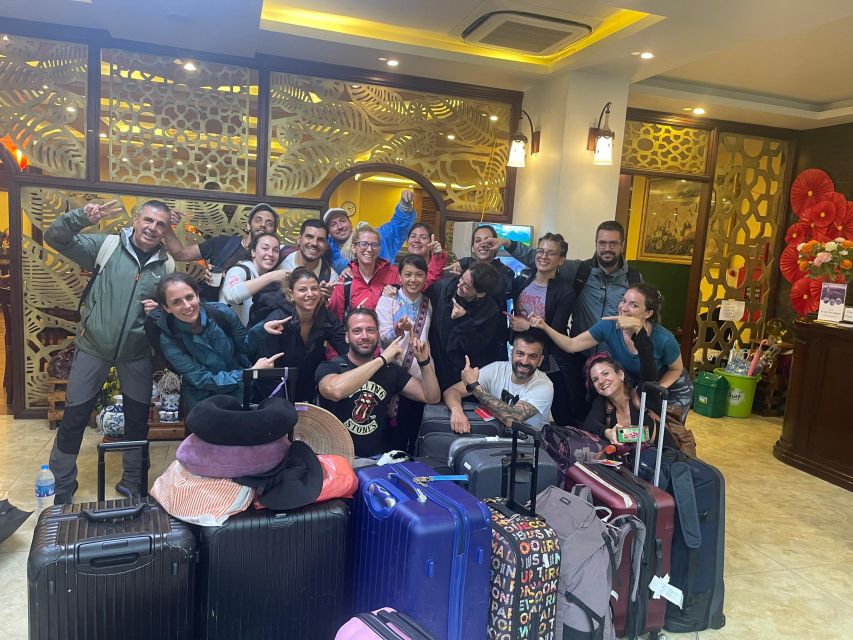
After about three hours and approximately 8 kilometers of walking, you reach Ta Van Village. The village is known for its terraced fields and stilt houses with distinctive ethnic architecture.
Ta Van works well as the endpoint of the main trek because you have crossed several types of scenery by this point. You have left Sapa, passed Y Linh Ho and Lao Chai, followed the valley, and walked through the mountain setting around Hoang Lien Son.
The village stop is also a chance to slow down. You can take photographs, rest, and look at the buildings rather than simply passing through. If you want more cultural information, this is another good moment to ask the guide specific questions.
Some people may find the final approach tiring. The walk is long enough that your enjoyment will depend on pacing. Keep water with you, even though drinks are not included with lunch. Stop when you need to, and do not try to match the fastest person in the group.
The tour may feel less satisfying if your main goal is a detailed village tour. It is better suited to someone who wants to walk through the villages and see their setting, with some guidance along the way.
Local lunch around 12:30pm
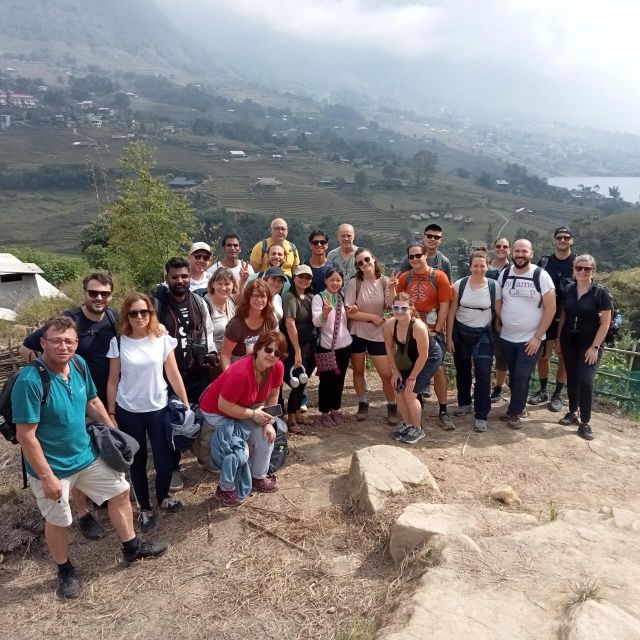
Lunch takes place at a local restaurant after the main walking section. It is included in the tour price and is described as good and plentiful by one recent participant.
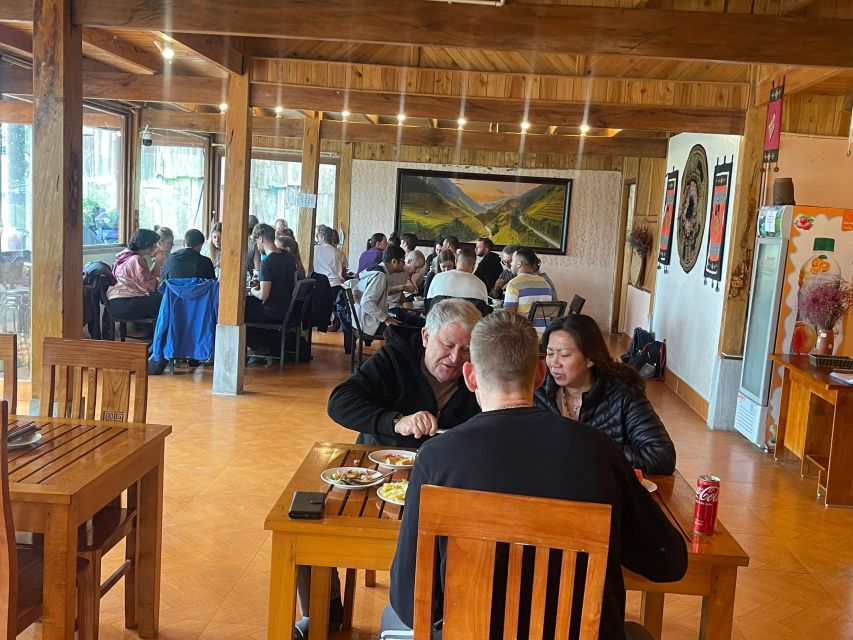
That matters after three hours of walking. You get a proper break rather than eating while standing beside the trail. The meal also gives you time to rest your legs before the short walk to the bus.
Drinks are not included, so carry money for water, beer, wine, or other beverages. Personal expenses are also separate, including anything you choose to buy from local sellers.
Do not expect a restaurant-focused food tour. The meal is part of the day’s practical support, not the central attraction. Still, an included lunch makes the $22 price easier to justify, especially when combined with the entrance ticket and return transport.
After lunch, the guide takes you about 1 kilometer to the bus. That extra walk is easy to overlook when reading the schedule, but it matters if your legs are tired or the ground is muddy.
Return to Sapa by bus
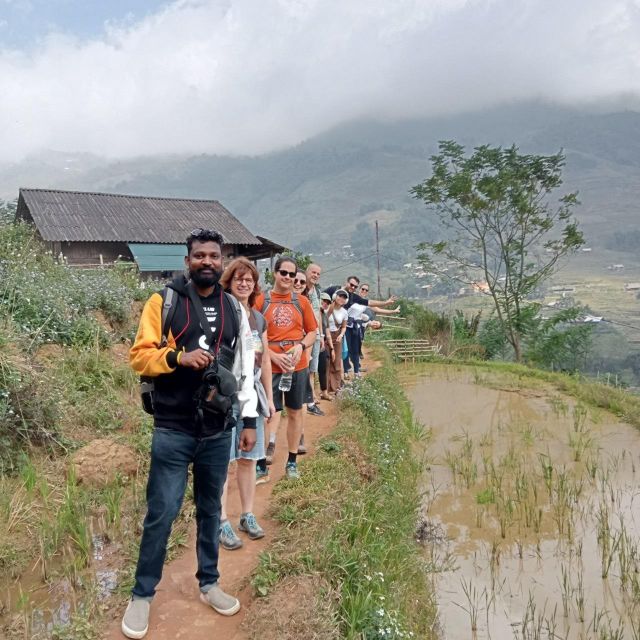
The bus ride from Ta Van to Sapa takes about 30 minutes. You are returned to your hotel or to a stopping point in Sapa town, depending on what you arrange.
This return option is a major advantage. After around 10 kilometers on foot, you do not need to retrace the route or find your own transport. The tour becomes a one-way walk through the valley followed by a practical ride home.
The bus is only included from Ta Van, not necessarily from your hotel to the trailhead. In central Sapa, the guide walks you to the starting point. That arrangement keeps the cost low, but it is worth understanding before you book.
Plan for the day to finish between 2:00 and 3:00pm. If your return timing is important, leave room for weather, walking speed, lunch, and the bus journey.
What to wear and carry for this trail
Your footwear is the most important choice. Bring hiking boots or sturdy shoes with good grip. Smooth-soled shoes can be risky on muddy paths, and wet weather may leave your shoes and trousers dirty.
Wear comfortable clothes that allow free movement. From October through March, add warm layers. In all seasons, sunscreen and insect repellent are sensible additions.
Bring water and some cash for drinks or purchases. Keep your bag small, because large luggage is not allowed and a heavy load will make the hills feel harder.
A useful packing list:
- Hiking boots or non-slip walking shoes
- Comfortable clothes and warm layers in cooler months
- Sunscreen and insect repellent
- Water and money for drinks
- A small day pack
- A rain layer if the forecast looks unsettled
Who should book this Sapa trekking tour?
I would recommend it to you if you want strong mountain scenery, a long walk, and a low-cost way to connect several valley villages in one day. It suits reasonably fit adults who are comfortable with uneven paths and changing weather.
It is also a good choice if you value practical support. The guide stays with you, entrance fees are covered, lunch is included, and the bus brings you back to Sapa after the walk.
I would hesitate if you want a relaxed sightseeing day or a detailed cultural lecture. The trail can be hard, the path can become muddy, and the guide’s explanations may be limited. People who need step-free access, wheelchair users, children under five, and those over 80 should choose another activity.
Free cancellation up to 24 hours before departure and the option to reserve now and pay later make the booking less risky. Still, those policies do not change the physical nature of the hike.
Should you book it?
Book this tour if you want terraces, villages, and mountain walking more than polished sightseeing. At $22, the included lunch, entrance ticket, guide, and return bus offer very good value.
Skip it if muddy paths, a 10-kilometer route, or limited cultural commentary would frustrate you. For the right person, this is an energetic and scenic day in the Muong Hoa Valley, with enough local contact to make the walk feel grounded in everyday life.
FAQ
How long is the Sapa trekking tour?
The activity lasts about six hours. The walk is around 10 kilometers, including approximately 8 kilometers before lunch and another 1 kilometer to the bus from Ta Van.
What time does the tour start and finish?
Pickup takes place around 8:00 to 8:30am, with trekking beginning around 9:00am. The tour usually ends in Sapa around 2:00 to 3:00pm.
Is lunch included?
Yes. One lunch at a local restaurant is included. Drinks such as water, beer, and wine cost extra.
Is transportation included?
A one-way bus from Ta Van Village back to Sapa is included. In central Sapa, the guide walks to your hotel or meeting point for pickup.
What should I bring?
Bring comfortable clothes, hiking boots or suitable non-slip shoes, sunscreen, insect repellent, water, and a small bag. Large bags and luggage are not allowed.
Is the trek suitable for children or people with mobility limitations?
The activity is not suitable for children under five, wheelchair users, people with mobility impairments, or people over 80. The trail can be muddy and difficult in wet weather.
More Lunch Experiences
- From Sapa: Terrace Fields and Local Villages Trek with Lunch
★ 4.3 · 77 reviews - Sapa: Private Highlights Day Tour with Lunch
★ 4.8 · 61 reviews - Sa Pa: Private Guided Tour on a Motorbike with Lunch
★ 4.8 · 47 reviews - Ninh Binh Heritage Full Day Tour with Buffet Lunch and Limousine
★ 5.0 · 2,692 reviews
More Hiking and Trekking Tours
- Sapa 1 Day Long Trek: Trek to Hau Thao and Sa Seng Villages
★ 4.6 · 344 reviews - EXPLORE SAPA: 2D1N TREKKING & HMONG CULTURE WITH DINH
★ 4.9 · 191 reviews - 1-day Authentik trek & Panorama valley views
★ 5.0 · 189 reviews - 1 day Fansipan Trekking
★ 5.0 · 180 reviews
Just added around Sapa
- Sapa trekking 2 days small group★ 5.0 · 32 reviews
- From Sapa: 3 Day Ha Giang Loop Guided Motorbike Tour With Rider★ 5.0 · 33 reviews
- Vietnamese Spring Rolls Cooking Class★ 5.0 · 34 reviews
- Sapa: 3-Day Ha Giang Loop Motorbike Tour★ 4.9 · 34 reviews
- 2 Day Trekking Experience: Explore with knowledgeable local guide★ 5.0 · 34 reviews
- Sapa Trekking & Cooking with H’Mong Locals –Local Culture★ 5.0 · 36 reviews
- Trek Adventure in Ta Van Village, Lao Chai★ 5.0 · 36 reviews
- Sapa Private Car Rental–Half & Full Day & English Speaking Driver★ 5.0 · 37 reviews
Sapa Trips and Treks, compared.

Sapa 2 Days 1 Night From Hanoi – Overnight in Ta Van Village
Read our review →

Muong Hoa Valley Trek and Local Ethnic Villages
Read our review →
Fansipan Cable, Cat Cat Village & Moana Instagram Tour
Read our review →

Sapa 3 Days 2 Nights Trekking Tour (1 Night In Ta Van Village, 1 Night In Hotel)
Read our review →
Eco Adventure Terrace Fields and Local Villages Trek
Read our review →
3-Day Trekking Adventure of Sapa from Hanoi – Stay Ta Van Village
Read our review →Browse the lists this tour appears in