
Reviewed · SAPA TRIPS AND TREKS
Half Day Sapa Trekking to Visit Lao Chai – Ta Van
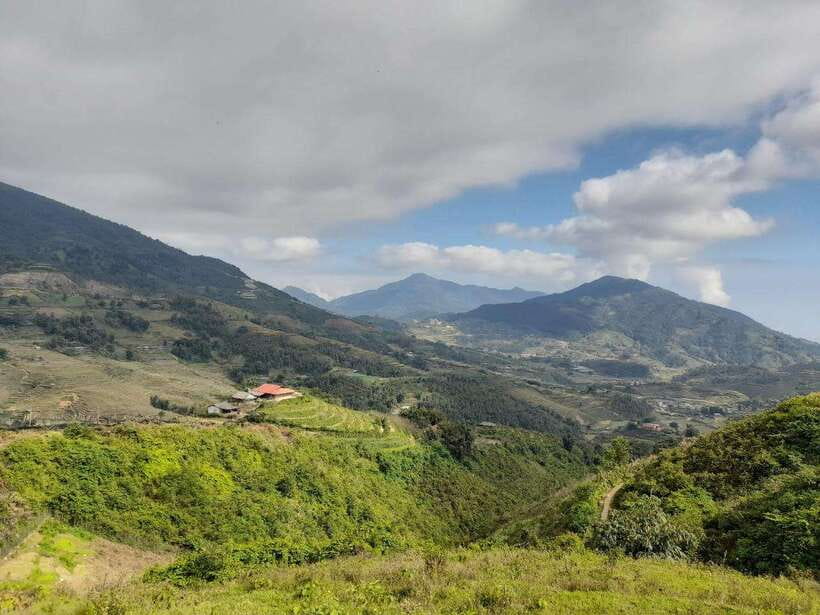
Sapa’s best morning may be on foot. This $22 half-day trek leads from Sapa into Y Linh Ho, Lao Chai, and Ta Van, where rice terraces, mountain views, village paths, and local culture replace the town’s busy streets. I like the efficient four-and-a-half-hour schedule, and I like that the route reaches rural villages rather than stopping at Sapa’s more crowded viewpoints.
The scenery is the big reward, especially when clouds lift over the Hoang Lien Son range. Local guides such as Soso, Sua, Song, Tung, Tran, and Ku have earned warm praise for explaining village life in clear English. The main consideration is the terrain: this is a real mountain walk, with steep, uneven, muddy, and slippery sections. Local women may also accompany you while offering handicrafts, which some people find uncomfortable.
In This Review
- Key points at a glance
- Why this short Sapa trek works so well
- Starting in Sapa and entering Y Linh Ho
- Walking beside the Muong Hoa Stream
- Lao Chai and the Black Hmong connection
- The final village, Ta Van
- Guides make the difference
- How difficult is the 9-kilometer route?
- Weather, views, and the right season of mind
- What the $22 price really covers
- Who should book this Sapa experience?
- Should you book the Lao Chai and Ta Van trek?
- FAQ
- How long does the Sapa trek last?
- How far do you walk?
- Which villages does the tour visit?
- Is transport included?
- What language does the guide speak?
- Are entrance tickets included?
- What should I wear and bring?
- Is the trek suitable for wheelchair users?
- Can I cancel the booking?
Key points at a glance
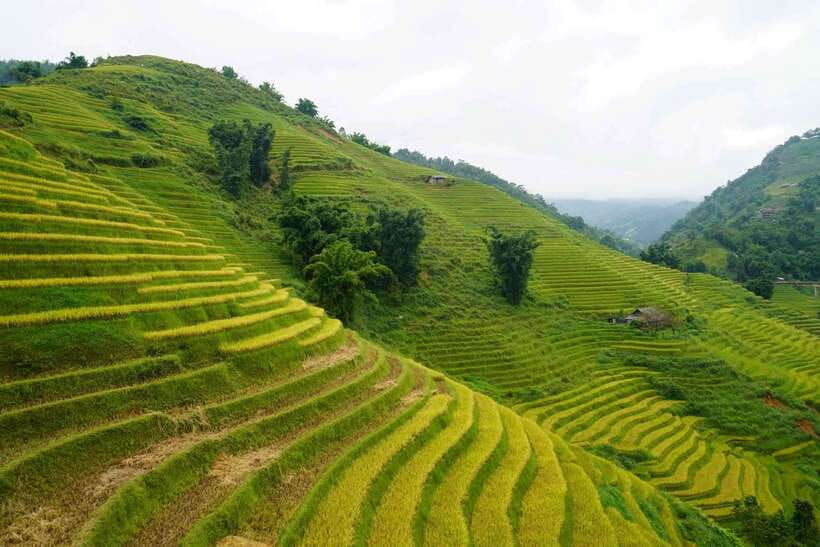
- A 9-kilometer trek in about four hours: You walk from Y Linh Ho through rice terraces and along Muong Hoa Stream before reaching Ta Van.
- Three different village settings: Y Linh Ho, Lao Chai, and Ta Van introduce you to Black Hmong and Dzay communities.
- Strong local guiding: Guides are from the Sapa area, and several, including Soso and Sua, are praised for sharing personal details about farming and village life.
- Excellent value at $22: Transport, an English or Vietnamese-speaking guide, and entrance tickets are included.
- Weather changes the experience: Clear skies bring sweeping mountain views, while rain can turn paths into mud and reduce visibility.
- Expect sales pressure: Women and children from the villages may walk beside you and encourage you to buy handmade goods.
Why this short Sapa trek works so well
I see this as a compact introduction to the Sapa valley. You get a proper rural walk, but you do not have to give up a full day or spend a night away from town. The morning departure also leaves you free for lunch and other plans after noon.
At 270 minutes, the timing is useful for anyone with only a short stay in Sapa. One family of five finished around 12:30 and found the distance and pace a good fit. The scheduled plan is pickup around 8:10 to 8:20, a trek lasting roughly four hours, a bus from Ta Van Bridge at 11:30, and arrival back in Sapa around noon.
The route is not just a series of photo stops. You walk down into the valley, pass through farming areas, follow village roads and dirt tracks, and cross sections where the path feels much closer to mountain countryside than to a prepared walking trail. That is exactly why the experience feels more substantial than a quick bus tour.
The tradeoff is physical effort. The distance is listed as about 9 kilometers, although the pickup instructions also mention preparing for a 5-kilometer trek. I would plan for the longer figure. The ground may be uneven, steep, muddy, or slippery, and several people found the walk challenging in wet weather or intense heat.
More Hiking and Trekking Tours in Sapa
- Sa Pa: Muong Hoa Valley Trek and Local Ethnic Villages
★ 4.6 · 864 reviews - Sapa: Eco Adventure Terrace Fields and Local Villages Trek
★ 4.9 · 636 reviews - Number one top rated ethical cultural trekking and homestay by ETHOS
★ 5.0 · 456 reviews
Starting in Sapa and entering Y Linh Ho
Pickup takes place at your hotel in Sapa between 8:10 and 8:20. You are asked to carry a light pack, which makes sense because the walk continues for several hours and includes changing ground underfoot.
A modern air-conditioned bus takes you from Sapa toward the start of the route. The driving is part of the value here: you do not have to arrange separate transport to Y Linh Ho, organize a return vehicle, or work out how to reach Ta Van after walking through the valley.
The first section includes roughly 15 minutes on foot before reaching Bản Ý Linh Hồ. This village area gives you your first close look at the valley and its farming life. The guide explains the local setting while you stop for photographs and begin walking through the terraces.
You might find the first part easy enough, but do not mistake the short transfer for a flat stroll. The route quickly moves onto rural paths, and your pace will depend on weather, fitness, and the size of the group.
Walking beside the Muong Hoa Stream
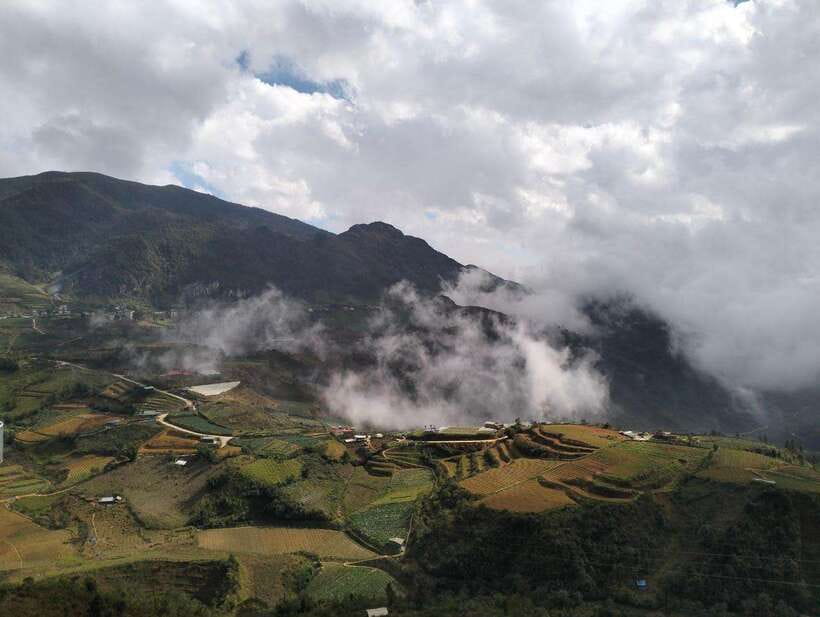
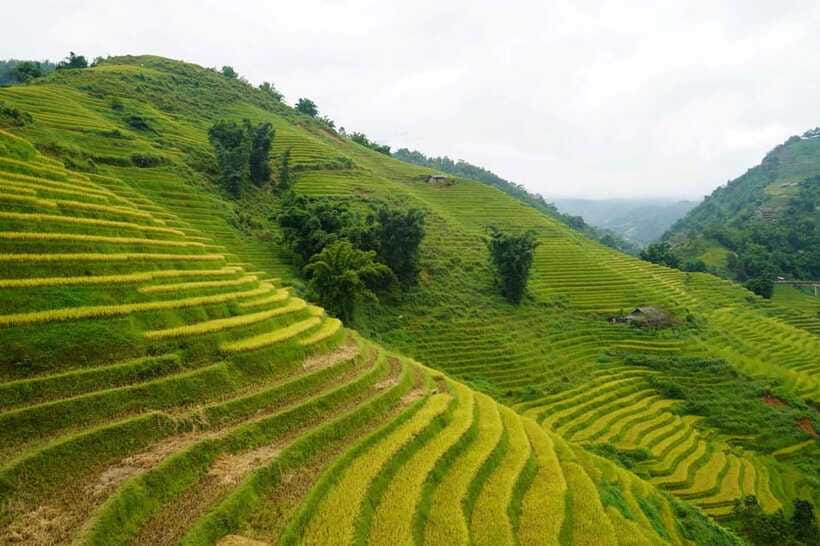
From Y Linh Ho, you continue through rice terraces and along the Muong Hoa Stream toward Lao Chai. This is the visual heart of the walk. When the weather cooperates, you can see layered fields, the river below, villages spread through the valley, and the Hoang Lien Son mountains beyond.
Cloud is common in Sapa, and it can change the view quickly. On one clear morning, the clouds lifted after the walk began, revealing the river, terraces, villages, and mountain scenery. On another outing, rain and heavy cloud hid much of the view. I would treat the weather as part of the deal, not a minor detail.
The terraces also change character with the season and current farm work. You may see rice or corn fields, depending on the time of year. The walk is more interesting when you pay attention to the work around you, not only to the biggest mountain view.
Your guide is important here. Soso was praised for explaining village life and for taking a small group along quieter paths. Sua shared details about her own fields and farming methods, even allowing a visitor to try a little of the work. Those personal explanations give the walk a human scale that a viewpoint bus cannot provide.
Lao Chai and the Black Hmong connection
Lao Chai is home to Black Hmong people, and the stop adds cultural context to the scenery. You are not simply looking at rice fields from a distance. You walk through a place where farming, homes, village paths, and local trade are part of daily life.
The guide can explain differences between local ethnic communities and discuss customs, clothing, farming, and family life. Several guides have been praised for speaking excellent English, but the quality of the experience still depends on which guide leads your group. Names that appear repeatedly in positive accounts include Soso, Sua, Song, Tung, Tran, and Ku.
This is also where you should set expectations about interaction with local sellers. Women dressed in traditional clothing may join the walk and offer handmade goods. Some simply accompany the group for part of the route, while others can be persistent. One person found the pressure from women and children especially uncomfortable, and another felt the friendliness changed after declining a purchase.
I would prepare for this without letting it define the whole outing. A polite, firm answer and a decision in advance about buying something can help. If you do purchase, do so because you want the item, not because you feel cornered. The commercial side is real, and it is fair to find it distracting from the walk.
More Sapa Trips and Treks:
- Sapa: Fansipan Cable, Cat Cat Village & Moana Instagram Tour
★ 5.0 · 777 reviews - Cat Cat Village, Moana, Fansipan Cable Car, Alpine Coaster – Sapa
★ 5.0 · 420 reviews - From Sapa: 1-Day Guided Trek to Lao Chai & Ta Van with Lunch
★ 4.9 · 416 reviews - Sa Pa Full Day Trekking Tour
★ 5.0 · 414 reviews
The final village, Ta Van
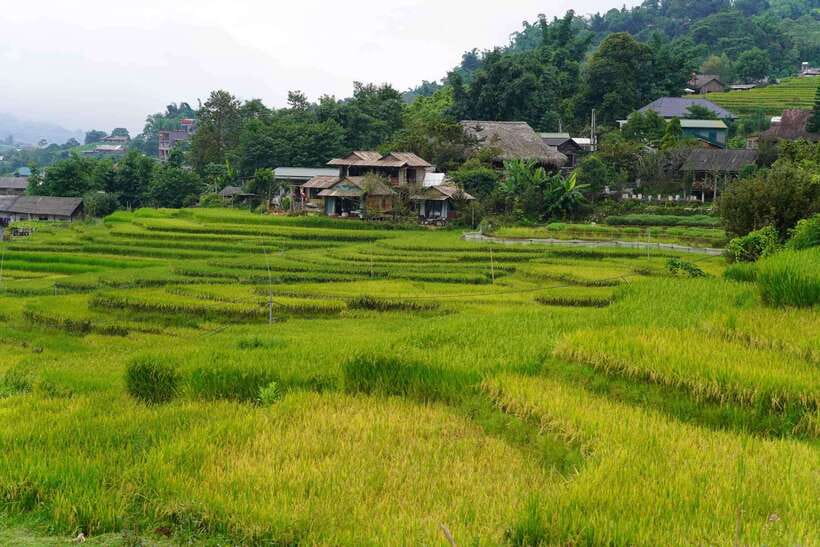
From Lao Chai, the route continues to Ta Van, home to the Dzay ethnic community. This section gives you another village setting rather than repeating the first. The change matters because the point of the walk is not only the rice terraces, but also the different communities living around them.
Ta Van is the longest scheduled stop, with about an hour and a half for a break, photographs, a visit, and further guiding. You have time to slow down here, ask questions, and take in the village rather than rushing straight to the vehicle.
The route can feel peaceful in less crowded stretches. One small group reached quiet paths, visited a village home, and walked through fields with very few other people around. That quieter quality is one reason I prefer this experience to a tour built only around famous photo points.
Do not expect a museum-style cultural presentation. The value comes from walking through the villages with someone who can explain what you are seeing. You may learn most when you ask direct questions about farming, homes, clothing, and the guide’s own community.
The journey ends at Ta Van Bridge, where the bus collects you at about 11:30. The drive back to Sapa takes around 45 minutes. The official end is around noon in Sapa Town, although the exact time can shift with the start, road conditions, group pace, and weather.
Guides make the difference
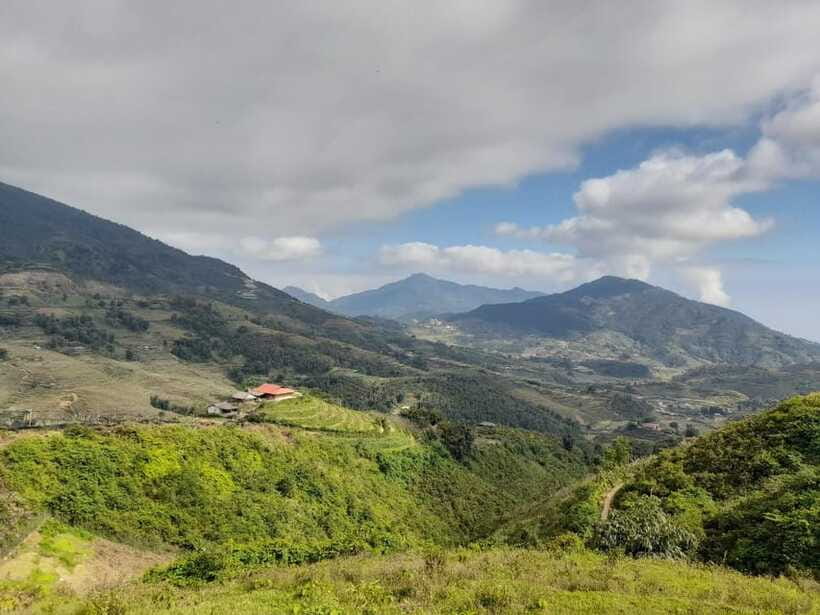
The guide is more than a person who keeps the group moving. On this route, the guide connects the mountain scenery with the people who live among it.
Soso received particularly strong praise for her English, humor, and explanations of village life. Sua made the walk personal by showing farming areas connected to her home. Tung was praised for excellent English and an engaging manner, while Tran handled wet, muddy tracks with care. Ku was described as friendly and clear from the first minutes of the outing.
You may not receive one of these named guides, so I would not treat a particular guide as guaranteed. Still, the repeated praise for local guiding is encouraging. The guides are from the area, and that gives the cultural explanations a useful connection to real life.
The group size can affect how much you get from the walk. One particularly enjoyable outing had only four people, allowing everyone to keep a similar pace and use quieter paths. If your fitness is limited, a smaller or private group would likely be more comfortable, although this specific experience does not promise a private departure.
How difficult is the 9-kilometer route?
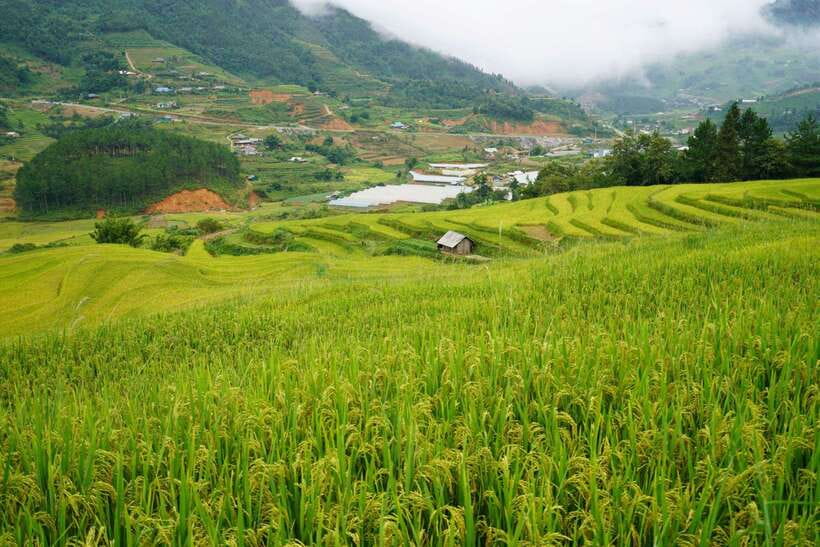
I would call the trek moderate, with conditions that can make it feel hard. The route is not described as a paved village promenade. Expect dirt paths, uneven ground, steep sections, rural roads, village streets, and slippery areas after rain.
Good shoes matter more than fashionable clothing. Bring hiking shoes or sturdy sports shoes, and consider rubber boots if the forecast suggests wet conditions. Hiking pants and sportswear are sensible because mud and damp vegetation can make the lower parts of the route messy.
Heat is another factor. One outing through corn and rice fields became physically demanding in extreme heat, even though the distance was manageable. Carry water, wear a sun hat, and use sunscreen. Sunglasses are also useful in clear weather.
You should be comfortable walking for about four hours. The experience is not suitable for wheelchair users, and I would not recommend it if you have difficulty with steep, uneven ground. A basic first aid kit is listed among the recommended items, which tells you something about the route’s rural character.
Weather, views, and the right season of mind
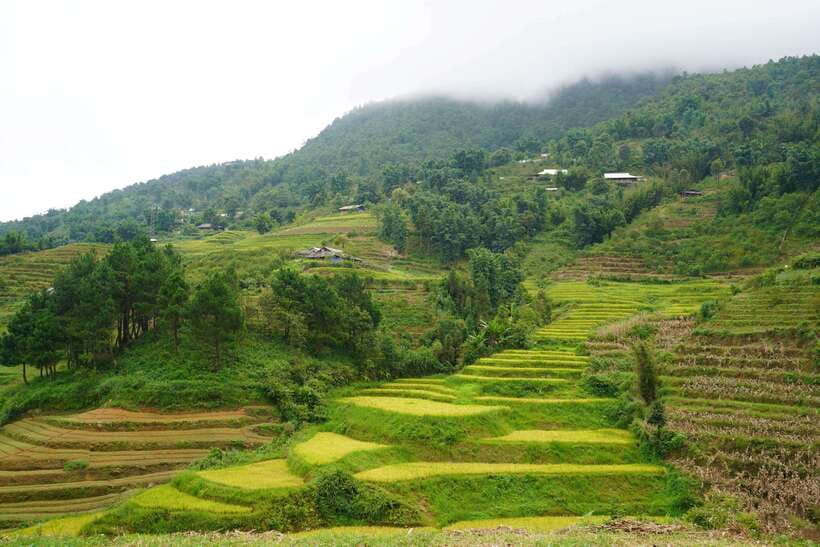
Sapa weather can be changeable, so the same route may feel gentle one day and rough the next. Clear conditions give you the full sweep of terraces and mountains. Rain creates mud, reduces visibility, and can slow the group, but it also makes the need for proper shoes obvious.
Cloudy weather does not make the villages worthless, though it can remove the views that justify much of the effort. If scenery is your main reason for booking, check the forecast and keep your expectations flexible.
The strongest experiences combine decent weather with a local guide who takes time to explain the area. You may see rice or corn fields, village homes, streamside paths, and mountain views in one morning. That variety is the main reason this route feels worthwhile at a short duration.
What the $22 price really covers
At $22 per person, this is good value if you want a guided walk without arranging several separate services. The price includes the air-conditioned bus from Sapa to Y Linh Ho, onward transport from Ta Van back to Sapa, an experienced driver, a local guide, and entrance tickets to the listed sites.
That package removes the awkward logistics. You do not need to bargain for a ride to the valley or find a vehicle at Ta Van Bridge after walking. For a half-day outing, the transport and guide alone make the cost reasonable.
You still pay for drinks, personal expenses, travel insurance, and VAT. Food is not listed as included, although one account refers to a delicious lunch, so I would not assume lunch is part of the standard price. Bring money only if you genuinely want drinks or handicrafts.
The booking terms are flexible: you can cancel up to 24 hours before departure for a full refund, and you can reserve now and pay later. Starting times should still be checked at booking because availability controls the exact departure.
Who should book this Sapa experience?
I would choose this trek if you have only one day or one night in Sapa and want more than town streets. It suits people who want mountain scenery, village contact, and a meaningful walk without committing to a full-day or overnight trek.
Families with older children may find the distance manageable, provided everyone is comfortable on uneven ground. One family of five found the length just right. Fit adults who enjoy walking will likely appreciate the route, especially in cool and dry weather.
I would think twice if you want a polished path, guaranteed sunshine, quiet interaction with local communities, or no sales pressure. The walk is rural and authentic in the practical sense, which means muddy ground, uneven footing, changing weather, and commercial activity along the route.
Bring a camera, but do not spend the whole morning looking through it. The best moments may be a guide explaining how a field is worked, a bend beside the stream, or a clear view appearing after the clouds lift.
Should you book the Lao Chai and Ta Van trek?
Yes, if you want a short, affordable taste of Sapa’s valley villages and you are ready for a proper walk. The combination of transport, entrance fees, local guiding, terraces, streamside paths, and two ethnic communities gives you a lot for $22.
Book it with sensible expectations. Wear shoes that can handle mud, bring sun and rain protection, prepare for about 9 kilometers, and decide beforehand how you will respond to handicraft sellers. If you can accept those small frustrations, this is one of the most efficient ways to see the countryside around Sapa and hear about it from someone who lives there.
FAQ
How long does the Sapa trek last?
The activity lasts 270 minutes, or about four and a half hours. The planned morning schedule runs from hotel pickup around 8:10 or 8:20 until arrival back in Sapa at about noon.
How far do you walk?
The trek is described as approximately 9 kilometers and lasts about four hours. The pickup information also mentions preparing for a 5-kilometer trek, so plan for the longer distance.
Which villages does the tour visit?
The route visits Y Linh Ho, Lao Chai, and Ta Van. Lao Chai is associated with the Black Hmong community, while Ta Van is home to Dzay people.
Is transport included?
Yes. Transport by modern air-conditioned bus is included from Sapa to Y Linh Ho, from Ta Van to Sapa, and through the stated route. An experienced driver is provided.
What language does the guide speak?
Guides are available in English and Vietnamese. The activity includes a local English-speaking guide in Sapa.
Are entrance tickets included?
Yes. Entrance tickets to the indicated sites are included in the price.
What should I wear and bring?
Bring hiking shoes or sturdy sports shoes, hiking pants, sportswear, a sun hat, sunglasses, sunscreen, and a camera. A basic first aid kit is also recommended.
Is the trek suitable for wheelchair users?
No. The activity is not suitable for wheelchair users because the route includes uneven, steep, muddy, and slippery sections.
Can I cancel the booking?
You can cancel up to 24 hours in advance for a full refund. The reserve-now, pay-later option is also available, subject to the booking conditions.
More Hiking and Trekking Tours
- Sapa 1 Day Long Trek: Trek to Hau Thao and Sa Seng Villages
★ 4.6 · 344 reviews - EXPLORE SAPA: 2D1N TREKKING & HMONG CULTURE WITH DINH
★ 4.9 · 191 reviews - 1-day Authentik trek & Panorama valley views
★ 5.0 · 189 reviews - 1 day Fansipan Trekking
★ 5.0 · 180 reviews
Just added around Sapa
- Sapa trekking 2 days small group★ 5.0 · 32 reviews
- From Sapa: 3 Day Ha Giang Loop Guided Motorbike Tour With Rider★ 5.0 · 33 reviews
- Vietnamese Spring Rolls Cooking Class★ 5.0 · 34 reviews
- Sapa: 3-Day Ha Giang Loop Motorbike Tour★ 4.9 · 34 reviews
- 2 Day Trekking Experience: Explore with knowledgeable local guide★ 5.0 · 34 reviews
- Trek Adventure in Ta Van Village, Lao Chai★ 5.0 · 36 reviews
- Sapa Trekking & Cooking with H’Mong Locals –Local Culture★ 5.0 · 36 reviews
- Sapa Private Car Rental–Half & Full Day & English Speaking Driver★ 5.0 · 37 reviews
Sapa Trips and Treks, compared.

Sapa 2 Days 1 Night From Hanoi – Overnight in Ta Van Village
Read our review →

Muong Hoa Valley Trek and Local Ethnic Villages
Read our review →
Fansipan Cable, Cat Cat Village & Moana Instagram Tour
Read our review →

Sapa 3 Days 2 Nights Trekking Tour (1 Night In Ta Van Village, 1 Night In Hotel)
Read our review →
Eco Adventure Terrace Fields and Local Villages Trek
Read our review →
3-Day Trekking Adventure of Sapa from Hanoi – Stay Ta Van Village
Read our review →Browse the lists this tour appears in