
Reviewed · HIKING & TREKKING
Mountain views & Rice Terraced Fields Hiking – 2D 1N
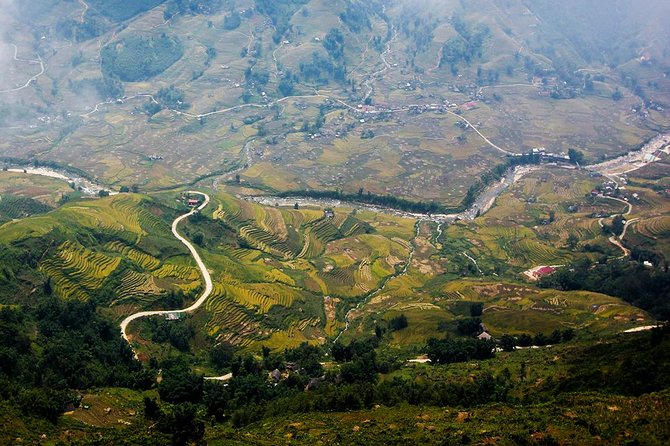
Sapa rewards walkers who leave town early. This two-day trek combines wide mountain views with rice terraces and visits to Hmong, Giay, and Red Dao communities. I like that the route includes a homestay, two lunches, dinner, breakfast, village fees, water, a local guide, and transport back to Sapa for $90 per person.
I also like the small group size, capped at 10 people, and the chance to learn about local life rather than simply stop for photographs. Guide San received especially warm praise for explaining the area well. The main consideration is the walking itself: the tour requires moderate fitness, includes uphill and downhill trails, and depends on decent weather.
In This Review
- Five useful things to know before booking
- Why this Sapa trek is worth two days
- Starting from Sapa Church at 9 a.m.
- Hang Da and the first mountain views
- Hau Thao after lunch
- The homestay night and included meals
- Giang Ta Chai and its waterfall
- Ta Van and the final village stretch
- What the $90 price really covers
- Who will enjoy this trek most
- Practical advice for a smoother two days
- Should you book the Mountain Views and Rice Terraced Fields Trek?
- FAQ
- Where does the tour start?
- What time does the tour begin?
- How long does the experience last?
- Which ethnic communities are included?
- Which villages are named in the route?
- Is accommodation included?
- Which meals are included?
- Is transport included?
- How large is the group?
- What happens if bad weather cancels the tour?
Five useful things to know before booking
- The trek begins at 9 a.m. Meet at Sapa Church or arrange pickup from your Sapa hotel.
- You sleep in a local homestay in Hau Thao, with dinner and breakfast included.
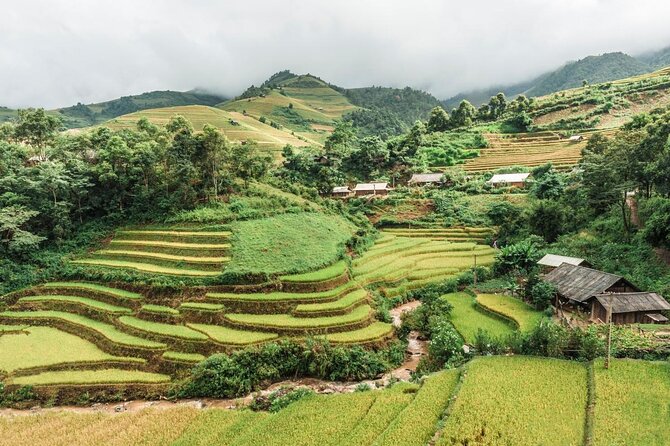
- The route includes rice terraces, a waterfall, and village life, not only viewpoints.
- The ethnic focus is strong, with Hmong, Giay, and Red Dao culture explained along the way.
- The group is limited to 10 people, which should make guiding and conversation easier.
- The price covers more than the walk, including meals, one night of lodging, entry fees, water, and the ride back to Sapa.
Why this Sapa trek is worth two days
Sapa is famous for its steep hills and rice terraces, but a quick viewpoint visit only gives you the postcard version. This tour gives you time to walk through the countryside, stop in several villages, and sleep outside the town center.
The route is built around the daily setting of the Hmong, Giay, and Red Dao people. You are not simply driven from one scenic stop to another. You walk between communities, see homes and fields, and hear explanations about marriage customs, rice growing, house building, and local work.
That extra day matters. The first morning takes you into the hills above Sapa, while the second day brings waterfalls, valleys, and more village paths. You get a fuller sense of how the communities connect to the land.
The tour price is $90 per person. For two days, that is a fair package if you value local guiding and a simple overnight stay. Dinner, breakfast, two lunches, village entry fees, one large bottle of water, and the return ride are included. You will still need to pay for extra drinks at the homestay, tips, and personal travel insurance.
More Hiking and Trekking Tours in Sapa
- Sa Pa: Muong Hoa Valley Trek and Local Ethnic Villages
★ 4.6 · 864 reviews - Sapa: Eco Adventure Terrace Fields and Local Villages Trek
★ 4.9 · 636 reviews - Number one top rated ethical cultural trekking and homestay by ETHOS
★ 5.0 · 456 reviews
Starting from Sapa Church at 9 a.m.
The meeting point is Sapa Church in central Sapa, with pickup also offered from a hotel in town. The listed start time is 9 a.m., which gives you a useful morning rather than forcing a pre-dawn departure.
After a short introduction, the guide leads you onto a small trail. The first section climbs about 1 kilometer toward mountain viewpoints near Hang Da Village. This early uphill walk sets the tone for the tour. You should expect real walking, not a gentle stroll through town.
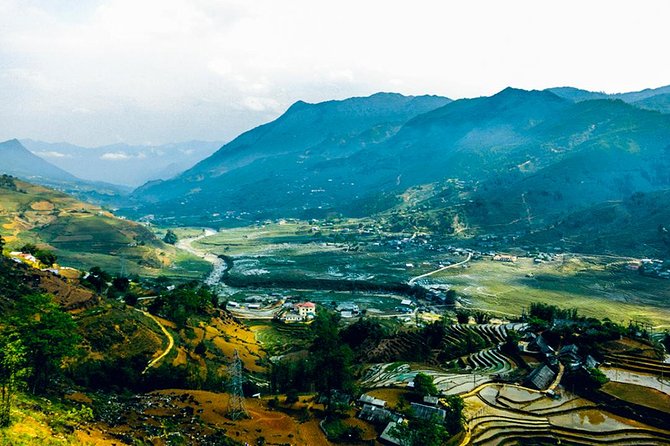
Hang Da is the first named stop and takes about an hour. The reward is the view across Sapa’s mountains and valleys. This is a good place to get your bearings and understand the shape of the countryside before heading farther from town.
Bring shoes with a firm sole. The route description does not give a total distance, so you should judge the trip by its moderate fitness requirement rather than by a mileage figure. The walk includes small trails, roads, and downhill sections, and the conditions can change with the weather.
Hang Da and the first mountain views
The Hang Da section is important because it gives you the broadest early view of the area. Rice terraces are not just decorative bands on a hillside. They are working fields shaped by steep terrain, water, and seasonal farming.
The guide also introduces the Hmong way of life, including rice fields, work, house building, and marriage traditions. Those subjects give the scenery some meaning. You begin to see the terraces as part of a community’s daily work rather than as a photo backdrop.
The views are likely to be the tour’s most immediate reward, but weather will affect them. Clouds and rain can reduce visibility, and the operator states that the trip may be changed or canceled in poor weather. That policy is sensible in a mountain area, though it means you should keep some flexibility in your schedule.
Hau Thao after lunch
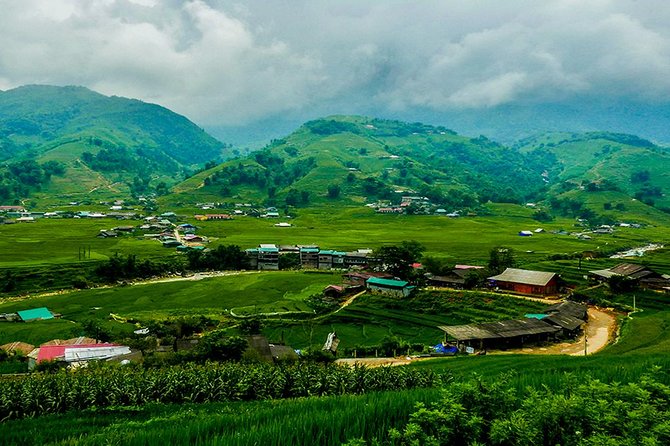
After lunch, the route continues down a small road to Hau Thao, a village associated with the Black Hmong. The stop itself is brief in the schedule, but it gives you a chance to see local daily life and watch people at work if the timing is right.
This part of the tour should appeal to you if you prefer ordinary scenes over staged entertainment. The value is in walking through a lived-in village and listening to the guide explain customs and work. You should not expect a formal museum or a long list of monuments.
Hau Thao is also where you spend the night in a homestay. Accommodation is basic by design. The appeal is the local setting and shared meal, not hotel-style facilities. The package includes dinner, but drinks bought at the homestay cost extra.
A homestay can be one of the most memorable parts of a rural trip, but it is also where comfort expectations matter. If you need polished rooms and a full range of hotel services, this may feel too simple. If you are happy with practical lodging and a local evening, it fits the trip well.
More Hiking and Trekking Tours:
- From Sapa: 1-Day Guided Trek to Lao Chai & Ta Van with Lunch
★ 4.9 · 416 reviews - Sa Pa Full Day Trekking Tour
★ 5.0 · 414 reviews - Sapa 1 Day Long Trek: Trek to Hau Thao and Sa Seng Villages
★ 4.6 · 344 reviews - EXPLORE SAPA: 2D1N TREKKING & HMONG CULTURE WITH DINH
★ 4.9 · 191 reviews
The homestay night and included meals
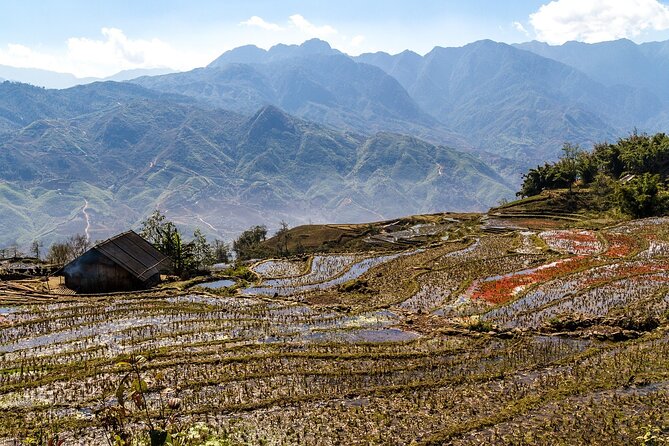
The one-night stay gives the itinerary a useful pause. Rather than returning to Sapa after the first day, you remain in the countryside and begin the second morning close to the next trail.
Dinner and breakfast are included, as are two lunches during the tour. The food quality can vary with the homestay and the day’s menu, but one booking described both the food and accommodation as quite good. That is encouraging, while still leaving room for ordinary variation in a rural setting.
A large bottle of water per person is provided. I would still ask before departure if you want to buy more water, since extra bottled water and beer at the homestay are not included.
The guide is central to the evening as well as the walking. San was singled out for clear explanations and a strong overall performance. Guides may vary by departure, but the company describes itself as a small local Hmong operation, so the cultural explanations are a key reason to choose this tour.
Giang Ta Chai and its waterfall
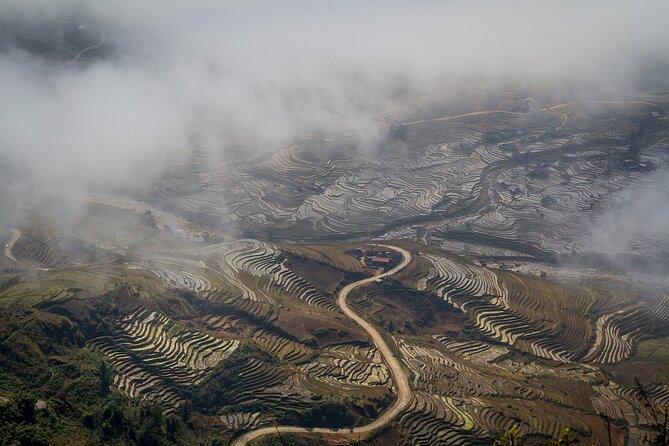
After breakfast, the second day begins from Hau Thao. The route heads down toward Giang Ta Chai Village, with a waterfall along the way. This section adds moving water and forested mountain scenery to the terraces and open viewpoints of the first day.
The stop is scheduled for about an hour. That gives you time to enjoy the waterfall and surrounding views without turning the morning into a rushed photo stop.
The downhill direction may feel easier than the first day’s climb, but downhill walking can still be hard on knees and ankles. Take care on uneven ground, especially if the weather has been wet. The tour does not promise a flat or paved route, so moderate fitness is more than a formality.
Giang Ta Chai also brings another cultural layer. The village is linked with the Red Dao community, one of the three main ethnic groups highlighted by the tour. You will hear more about how different communities live in the same wider Sapa region, with their own customs and traditions.
Ta Van and the final village stretch
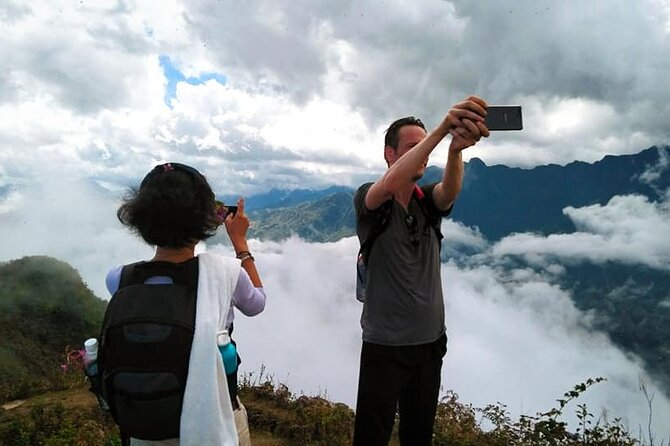
From Giang Ta Chai, the route continues downhill to Ta Van Village. Here you can see both Giay and Black Hmong communities.
Ta Van is the final named village on the provided route. The scheduled stop is short, but the village gives the trek a clear finish because it brings together two ethnic groups in one place. You have already seen Hmong life in Hang Da and Hau Thao, then learned about the Red Dao connection at Giang Ta Chai. Ta Van rounds out that picture with the Giay community.
The tour description refers to five villages, while the detailed stop schedule names Hang Da, Hau Thao, Giang Ta Chai, and Ta Van. Because routes can be adjusted locally, confirm the exact village count and walking plan when you book if that detail matters to you.
After the village visits, transport returns you to Sapa. This is a practical benefit. You do not need to arrange a separate ride from the valley, and you finish back at the original meeting area.
What the $90 price really covers
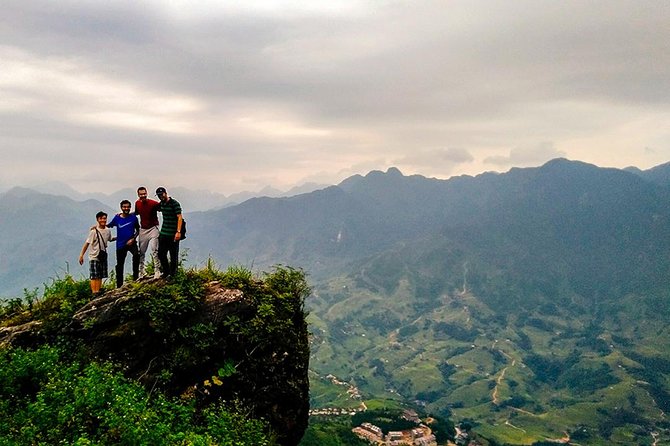
At $90, the package offers solid value for a two-day guided trek. You are paying for more than access to a trail. The price includes:
- A local guide
- One night in a homestay
- Dinner and breakfast
- Two lunches
- Village entry fees
- One large bottle of water
- Transport back to Sapa
The guide and overnight stay are the main value points. Independent walking may cost less, but it would not include the same cultural explanation, meal plan, village fees, or return transport.
The group maximum of 10 is another plus. A small group makes it easier to ask questions and keep a steady pace. It also reduces the chance of the walk feeling like a large procession through the villages.
The price does not include insurance, tips, or extra drinks. These are manageable additions, but budget for them. Since the tour requires good weather and a minimum number of people, keep your booking flexible. You can cancel for a full refund up to 24 hours before the start time. If poor weather or low enrollment causes cancellation, you are offered another date or a full refund.
Who will enjoy this trek most
I would recommend this trip to you if you want three things in one experience: mountain scenery, moderate walking, and contact with rural communities. It suits people who would rather spend a night in a homestay than return to a hotel in Sapa after the first day.
It is also a good choice if you want a small group. With no more than 10 people, the guide should have a better chance to explain local customs and respond to individual questions.
You should think twice if you dislike uphill paths, downhill walking, simple accommodation, or changing plans because of weather. The route is not presented as a difficult expedition, but it is not a casual urban walk either.
The trip may also suit you if cultural detail matters as much as scenery. The guide covers Hmong marriage traditions, rice farming, house building, and local work. That makes the walk more than a sequence of viewpoints.
Practical advice for a smoother two days
Wear shoes suited to small trails and downhill walking. The route includes an uphill section near Hang Da and a longer descent toward Giang Ta Chai and Ta Van, so comfort matters more than appearance.
Keep your schedule open around the tour. Weather can affect mountain visibility and trail conditions, and the operator may offer another date if conditions are poor.
Meet at Sapa Church at 9 a.m. unless your pickup arrangement is confirmed. The tour ends back at the meeting point after transport from the villages.
Carry some money for extra drinks and tips. Personal travel insurance is not included, and the operator specifically advises that you should have moderate physical fitness.
The tour is often booked about five days ahead. That is a useful planning guide, but it is not a promise of availability. A small-group trip can fill up, especially when you need a particular date.
Should you book the Mountain Views and Rice Terraced Fields Trek?
Book it if you want an active, culturally focused Sapa trip with meals, a homestay, and return transport included. The price is reasonable, the group size is controlled, and the route gives you more than a single famous viewpoint.
The strongest reasons to choose it are the local guide, the range of villages, and the chance to connect rice terraces with real work and customs. San’s praised guiding suggests the experience can be especially good when you are matched with a strong local interpreter.
Skip it if you want luxury, a fixed weather-proof schedule, or a short and easy walk. For most reasonably fit visitors who want to see Sapa beyond the town center, this two-day trek offers a useful balance of scenery, culture, and practical value.
FAQ
Where does the tour start?
It starts at Sapa Church on P. Hàm Rồng in Sapa. Pickup from a Sapa hotel is also offered.
What time does the tour begin?
The scheduled start time is 9 a.m.
How long does the experience last?
The tour lasts approximately two days and includes one night in a homestay.
Which ethnic communities are included?
The tour focuses on the Hmong, Giay, and Red Dao ethnic minorities in the Sapa area.
Which villages are named in the route?
The named stops are Hang Da Village, Hau Thao, Giang Ta Chai Village, and Ta Van Village. The tour description also refers to five villages, so you can confirm the final route with the operator.
Is accommodation included?
Yes. One night of homestay accommodation is included.
Which meals are included?
Dinner, breakfast, and two lunches are included.
Is transport included?
Transport back to Sapa after the village portion of the tour is included. Pickup is also offered at the start.
How large is the group?
The activity has a maximum of 10 people.
What happens if bad weather cancels the tour?
You will be offered a different date or a full refund if poor weather causes cancellation. You can also cancel up to 24 hours before the start time for a full refund.
More 2-Day Experiences
- Sa Pa: 2-Day Trekking Trip with Ethnic Minority Homestay
★ 4.7 · 145 reviews - Sapa : 2-Day Trek & Heartwarming Homestay with an Ethnic Family
★ 5.0 · 143 reviews - Rice Terraced Fields & Homestay Experience– 2D 1N
★ 5.0 · 118 reviews - From Hanoi: 2-Day 2-Night Sapa Tour by Overnight Train
★ 4.4 · 96 reviews
Just added around Sapa
- Sapa trekking 2 days small group★ 5.0 · 32 reviews
- From Sapa: 3 Day Ha Giang Loop Guided Motorbike Tour With Rider★ 5.0 · 33 reviews
- Vietnamese Spring Rolls Cooking Class★ 5.0 · 34 reviews
- Sapa: 3-Day Ha Giang Loop Motorbike Tour★ 4.9 · 34 reviews
- 2 Day Trekking Experience: Explore with knowledgeable local guide★ 5.0 · 34 reviews
- Trek Adventure in Ta Van Village, Lao Chai★ 5.0 · 36 reviews
- Sapa Trekking & Cooking with H’Mong Locals –Local Culture★ 5.0 · 36 reviews
- Sapa Private Car Rental–Half & Full Day & English Speaking Driver★ 5.0 · 37 reviews
Hiking & Trekking, compared.

Halong Bay Full Day with Kayaking, Hiking viewpoint, Cave – Deluxe To Luxury
Read our review →
Muong Hoa Valley Trek and Local Ethnic Villages
Read our review →

Sapa 3 Days 2 Nights Trekking Tour (1 Night In Ta Van Village, 1 Night In Hotel)
Read our review →
Eco Adventure Terrace Fields and Local Villages Trek
Read our review →
3-Day Trekking Adventure of Sapa from Hanoi – Stay Ta Van Village
Read our review →
3D and 2N Lan Ha Bay Cat Ba Island Kayaking & Trekking with Vega
Read our review →
Number one top rated ethical cultural trekking and homestay by ETHOS
Read our review →Browse the lists this tour appears in