
Reviewed · SAPA TRIPS AND TREKS
Sa Pa: 2-Day Trekking Trip with Ethnic Minority Homestay
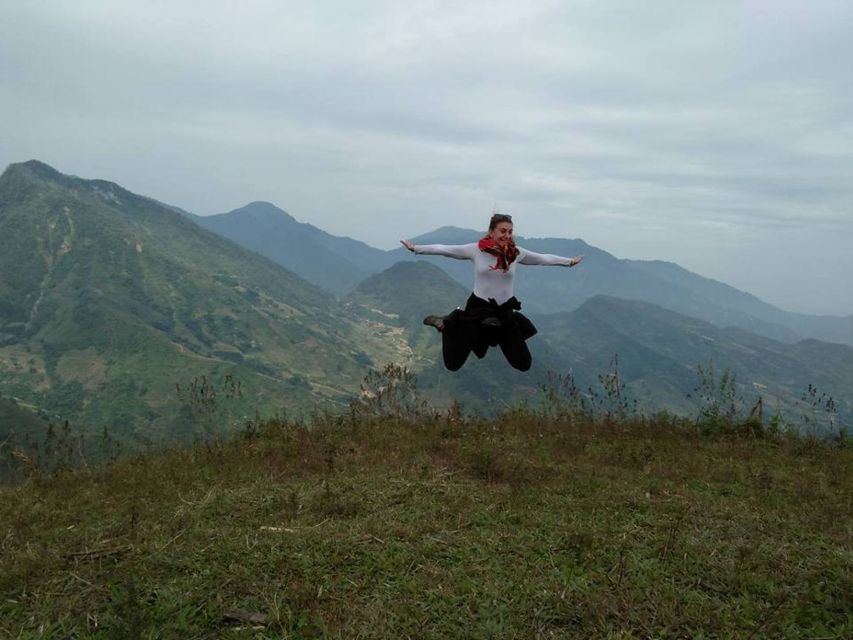
Rice terraces, village paths, and a warm homestay make this a memorable way to see Sa Pa beyond town. I like the small groups of up to 14 and the chance to learn about Black H’mong and Dzay life from local guides. The $55 price also covers meals, entry fees, water, lodging, and transport. The main catch is muddy, slippery footing after rain, plus occasional pressure from local sellers who walk alongside the group.
This is a proper two-day walk, not a gentle sightseeing outing. You cover about 11 kilometers on the first day and 8 kilometers on the second, with hills, dirt trails, and uneven ground. Guides such as Lan, Khu, Lang, Nhu, and Coo receive especially strong praise for their English, patience, humor, and care with different walking speeds. Still, you should bring real trekking shoes and be ready for simple village accommodation.
In This Review
- Key points to know before booking
- Why this Sa Pa trek is worth two days
- Day one: from Sa Pa to Y Linh Ho and Lao Chai
- Ta Van and the Dzay homestay
- Day two: bamboo forest, Giang Ta Chai, and the river
- The guides make the difference
- How hard is the walking?
- Culture, commerce, and respectful travel
- Weather, comfort, and what to pack
- Who will enjoy this most?
- Should you book this Sa Pa homestay trek?
- FAQ
- Where does the trek start?
- How far do you walk each day?
- Where do you stay overnight?
- What meals are included?
- Is transportation included?
- Is an English-speaking guide provided?
- What should you bring?
- Is the trek suitable for children?
- What happens if I need to cancel?
Key points to know before booking
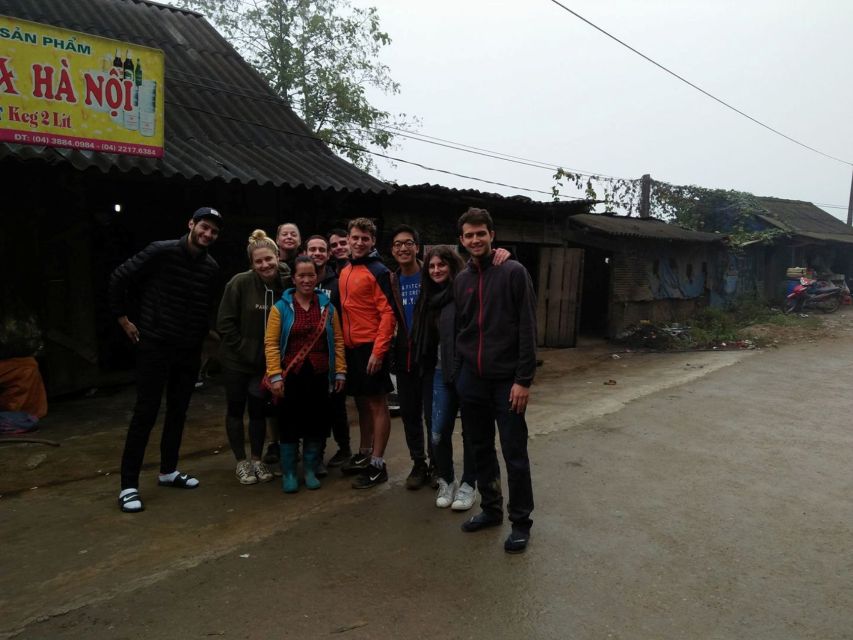
- The first day links Y Linh Ho, Lao Chai, and Ta Van: You walk through rice paddies and mountain villages while meeting Black H’mong and other local communities.
- The overnight stay is in a Dzay village homestay: You get a hosted dinner, breakfast, and a direct look at local home life rather than a standard Sa Pa hotel.
- The second day has the most varied walking: A dirt trail leads through a bamboo forest, past Giang Ta Chai, and to a waterfall and the Muong Hoa River.
- Rain changes the trek: Mud can make the descent from Sa Pa slippery, though local women sometimes help walkers over difficult sections.
- The food is part of the appeal: Two local restaurant lunches, a home-cooked dinner, and breakfast are included.
- This suits healthy walkers, not everyone: It is not suitable for children under six, pregnant women, people with back problems, or anyone with mobility limitations.
Why this Sa Pa trek is worth two days
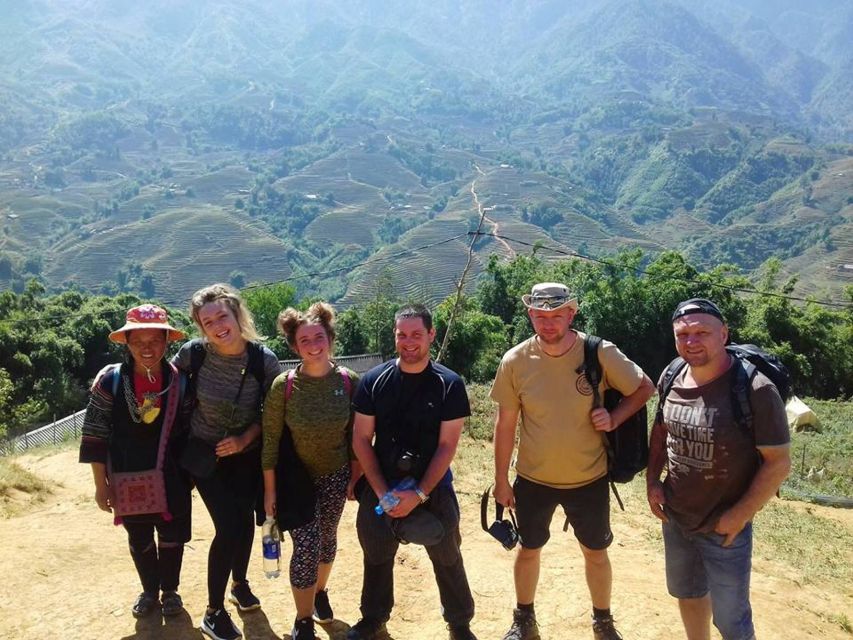
Sa Pa town can feel busy and tour-focused. The Muong Hoa Valley gives you a different view, with footpaths dropping toward rice fields and settlements occupied by several ethnic minority groups. The value of this trip comes from the combination: you get scenery, village contact, a local guide, meals, and an overnight stay in one package.
I especially like the overnight arrangement. A day tour can show you a village and then rush you back to Sa Pa. Here, you have time for dinner with the host family and a slower look at the home. The accommodation is simple, but many people find it comfortable enough, with warm blankets and, in at least one homestay, internet and electrical outlets.
At $55 per person, the cost is reasonable for what is included. You are not paying only for a guide and a walk. The price includes two lunches, a hosted dinner, breakfast, mineral water, entrance tickets, the homestay, and return bus transport. Drinks are extra, and there is a $30 surcharge during Lunar New Year from January 26 through February 2, 2025.
The small-group limit matters too. A group of 14 is easier to manage on narrow paths than a large coach party. Some departures have been much smaller, with one group numbering only five people. That gives you more time to ask questions and makes it easier for the guide to adjust the pace.
More Hiking and Trekking Tours in Sapa
- Sa Pa: Muong Hoa Valley Trek and Local Ethnic Villages
★ 4.6 · 864 reviews - Sapa: Eco Adventure Terrace Fields and Local Villages Trek
★ 4.9 · 636 reviews - Number one top rated ethical cultural trekking and homestay by ETHOS
★ 5.0 · 456 reviews
Day one: from Sa Pa to Y Linh Ho and Lao Chai
The first day begins with pickup at hotels in Sa Pa town center. From there, you head toward the Muong Hoa Valley and start the roughly 11-kilometer walk.
The opening section brings broad views of Fansipan, Vietnam’s highest mountain, along with rice paddies cut into the hillsides. Clear weather gives you the best views, but clouds and rain are common enough that you should not treat blue skies as guaranteed. Even in poor weather, the valley and villages remain worthwhile, though photographs will be less dramatic.
Y Linh Ho is your first major village stop. This is where you meet members of the Black H’mong community and may look inside a typical wooden house. That detail is important. You are not only walking past houses for a quick photograph. You get some context for how local homes are built and how village life differs from what you see in Sa Pa.
Your guide helps explain customs and the differences between the ethnic groups in the valley. Guides Lan and Khu receive repeated praise for answering questions clearly, while Lang is praised for sharing her H’mong background in a friendly, accessible way. The quality of this explanation can shape the whole trip, so it is worth asking questions rather than simply following the path.
The route continues toward Lao Chai, passing other settlements and rice terraces. This is a scenic section, but it is not flat. The path can be uneven and slick, especially after rain. Some local women may join the group for part of the first day and offer a steadying hand on muddy sections. That help can be useful, but you should understand the social arrangement: they generally hope you will buy something from them afterward.
I would handle this politely and clearly. If you want to shop, look at the handicrafts and decide what you genuinely like. If you do not want to buy, say so kindly before the walk turns into an uncomfortable sales exchange. This is one of the few recurring annoyances in an otherwise well-liked experience.
Ta Van and the Dzay homestay
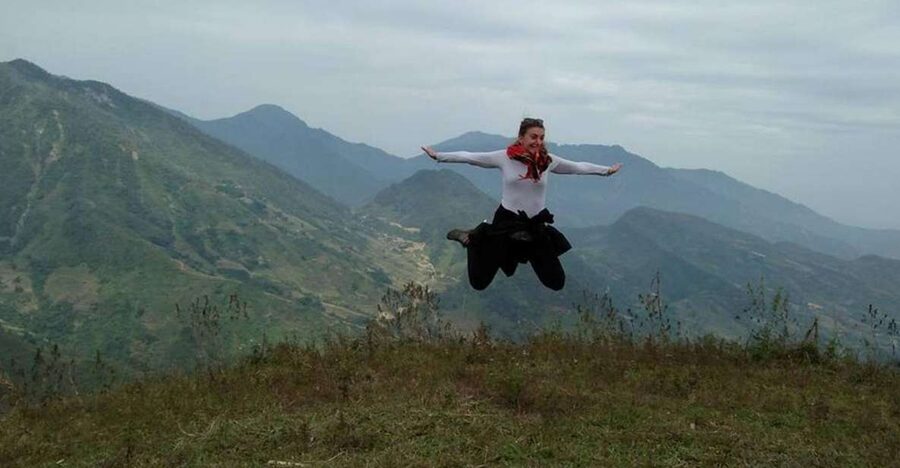
The first day ends in Ta Van village, where you stay with a Dzay family. The homestay is a major reason to choose this trip instead of a one-day trek.
Expect a local home rather than a private hotel room with full resort service. The accommodation has been described as clean and comfortable, though one person reported bedbugs in some beds. That is not a reason to reject the trip outright, but it is a sensible reminder to inspect your sleeping area and keep your belongings organized.
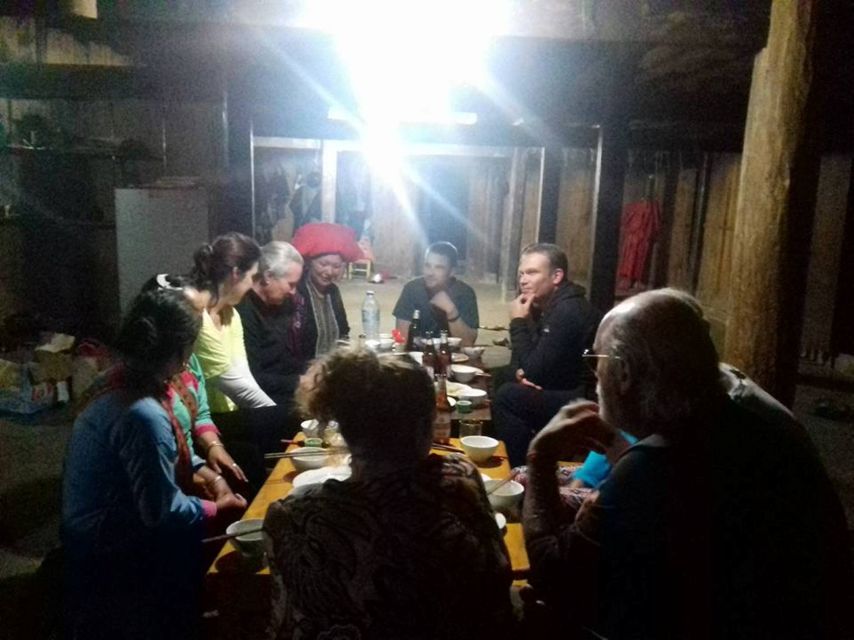
Dinner is served at the homestay and is one of the strongest parts of the experience. The food is home-cooked Vietnamese fare, and the shared meal gives the evening a social feel. Some groups also try locally made rice alcohol, sometimes called happy water. You can take part if you wish, but drinks are not included, so ask what costs extra.
There may not be much scheduled entertainment after dinner. That is fine for most people because the trek takes energy out of your legs. You can use the evening to talk with your group, learn about Dzay customs, and enjoy a quieter side of the valley.
The homestay is also where the trip feels most personal. You are not just taking photographs of traditional homes from a path. You are spending a night in a local village and sharing food under the same roof. That does not turn the visit into a complete picture of Dzay culture, but it gives you more contact than a short roadside stop.
Day two: bamboo forest, Giang Ta Chai, and the river
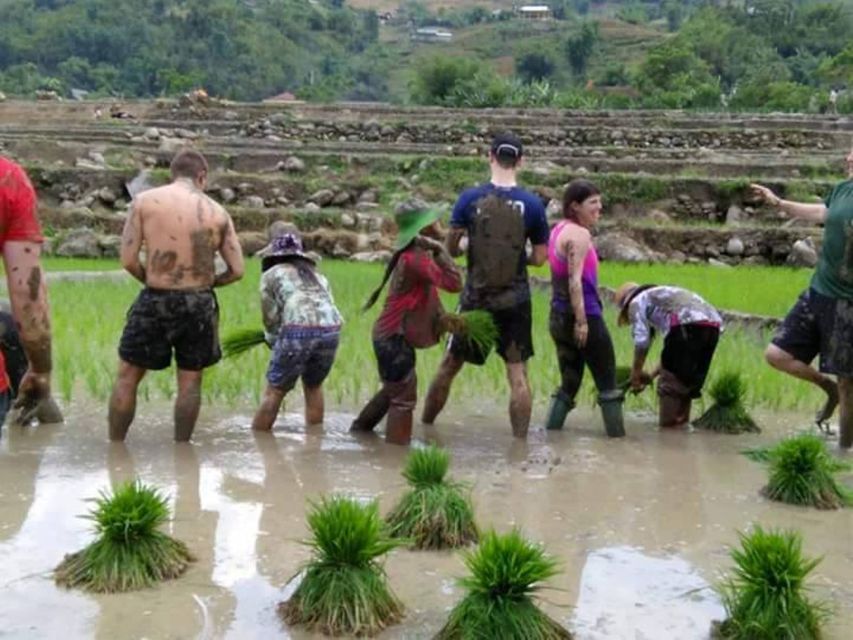
Breakfast comes at the homestay before you set out on the second day. This section covers about 8 kilometers on a dirt trail and is often described as manageable for a healthy person, though the total experience still calls for basic fitness.
You pass a small H’mong village before reaching a bamboo forest. The route feels different from the open rice terraces of the first day. Instead of wide mountain views at every turn, you get a more enclosed walk through woodland and village paths.
The trail leads toward Giang Ta Chai and a waterfall, where you can stop for a break. If conditions are suitable, you can cool off with a swim in the Muong Hoa River. Do not assume you must swim. Bring a towel or spare clothing only if you want that option, and ask the guide about conditions on the day.
The second day is often the favorite because it mixes forest, water, villages, and open views. The route can still be muddy, and wet weather makes the rocks and dirt harder to manage. Good footwear matters far more than stylish travel shoes here.
Lunch is served at a local restaurant before the group returns to Sa Pa by bus. One useful warning concerns the final transfer. A group once waited about 40 minutes in the van for another party, nearly missing a bus to Hanoi. If you have a train, bus, or other fixed connection after the trek, leave a generous time cushion.
More Sapa Trips and Treks:
- Sapa: Fansipan Cable, Cat Cat Village & Moana Instagram Tour
★ 5.0 · 777 reviews - Cat Cat Village, Moana, Fansipan Cable Car, Alpine Coaster – Sapa
★ 5.0 · 420 reviews - From Sapa: 1-Day Guided Trek to Lao Chai & Ta Van with Lunch
★ 4.9 · 416 reviews - Sa Pa Full Day Trekking Tour
★ 5.0 · 414 reviews
The guides make the difference
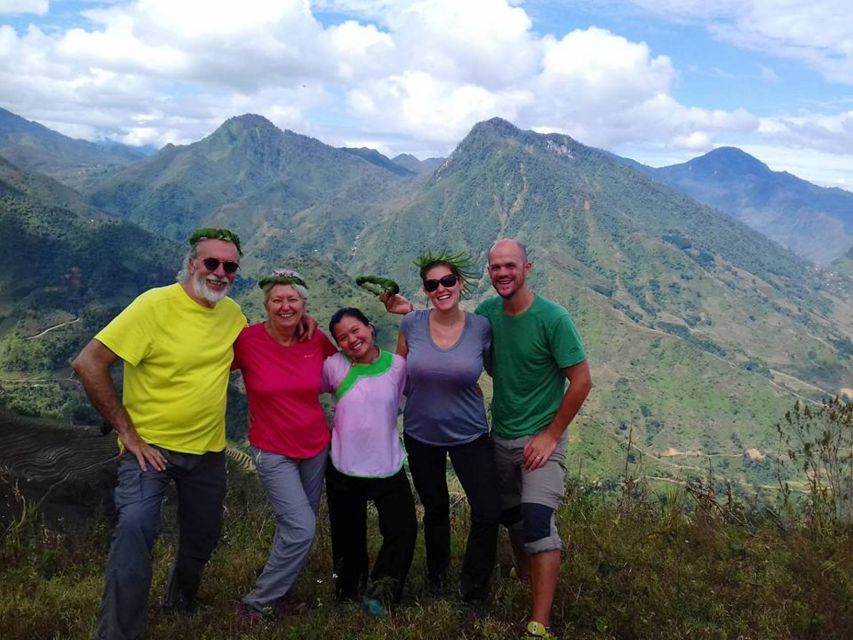
The guide is central to this experience. You are walking for two days, crossing uneven ground, and visiting communities where a little cultural care goes a long way.
Lan receives especially warm praise for her humor, patience, and explanations of H’mong culture. Khu is also frequently praised for being friendly, helpful, and willing to answer questions. Nhu, Coo, Son, and Lang are among the other guides singled out for kindness, clear English, and good support on the paths.
A strong guide does more than point toward the next village. The best guides explain why homes look different, introduce local customs, keep an eye on the group, and adjust the walking plan when people tire. One guide regularly asked the group if they wanted a longer or shorter route and what time they preferred to finish. That flexibility is valuable because a mixed group rarely walks at one identical pace.
There was one less positive account of a guide spending too much time on a phone and seeming disengaged. That appears to be an exception, but it is worth remembering that guide quality can vary by departure. The company uses different guides, so you should not book solely because one particular person is named in a past account.
How hard is the walking?
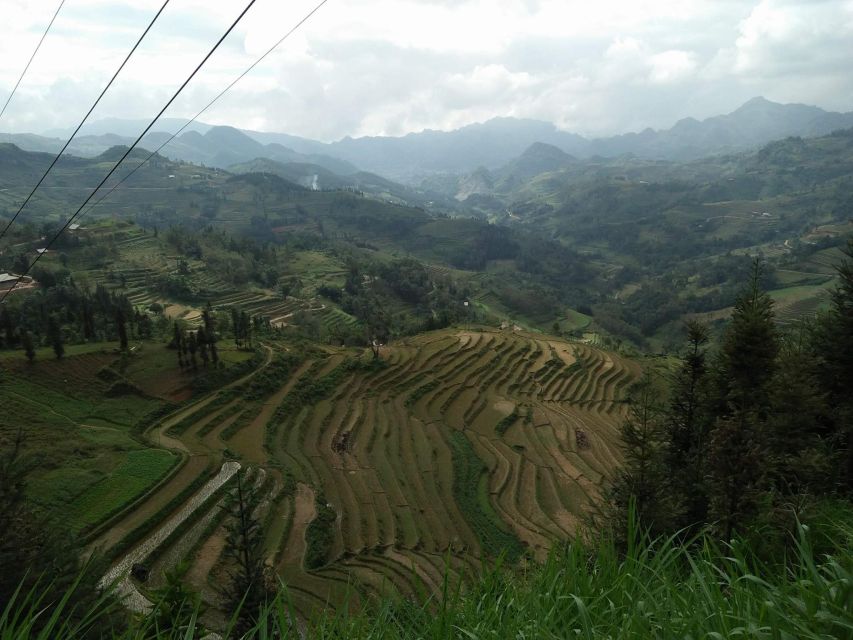
This trek is not described as extreme, but it is more demanding than ordinary sightseeing. The first day is about 11 kilometers and includes a descent into the valley, while the second day adds another 8 kilometers over dirt trails.
You need comfortable shoes with a reliable grip. Sunglasses, sunscreen, insect repellent, and mineral water are also useful. Water is included, but you should still bring enough personal supplies for your comfort.
Rain is the biggest variable. Wet paths can become slippery, and the first descent may feel more difficult than the distance suggests. Local women may help people over muddy areas, but you should not depend on that. Take short steps, keep your hands free, and give yourself time.
Warm clothing is recommended from October through March. Sa Pa can feel cool, especially in the evening and at higher points on the route. Pack layers rather than one bulky coat, since walking can make you warm while the homestay night may feel chilly.
The trip is not suitable for people with mobility impairments, back problems, or pregnancy. It is also not suitable for children under six. The practical test is simple: if you can comfortably walk several hours on uneven ground, you are more likely to enjoy it.
Culture, commerce, and respectful travel
The trip gives you access to villages belonging to Black H’mong, H’mong, and Dzay communities. That access carries responsibility. Ask before entering homes, listen when the guide explains customs, and avoid treating people or houses as photo props.
The local women who accompany part of the first day can be helpful, but the sales pressure can bother some people. You can reduce tension by deciding in advance if you want to shop. If you do buy something, choose an item because you want it, not because you feel trapped on a muddy path.
The homestay is a better setting for cultural contact because it includes a meal and an overnight stay. Still, one night does not explain every part of village life. Think of it as a respectful introduction, not a complete cultural course.
Weather, comfort, and what to pack
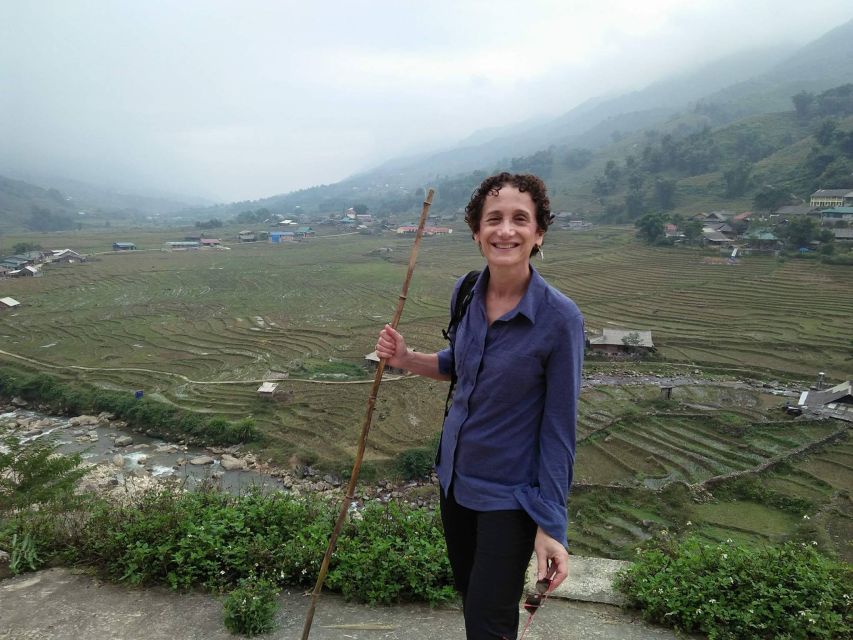
Your packing list should be practical:
- Trekking shoes with good grip
- Warm layers, especially from October to March
- Sunglasses and sunscreen
- Insect repellent
- Comfortable clothing that can get muddy
- Spare clothes if you plan to swim in the river
- Personal drinks or any snacks you prefer
The trip provides mineral water and meals, but drinks beyond that are not included. The food receives strong praise, including the lunches, dinner, and breakfast. Vegetarians or people with food restrictions should confirm arrangements before departure because no special menu information is provided here.
The homestay has been described as warm and welcoming, with one account noting internet and outlets. Conditions can vary between homes, and the report of bedbugs means you should keep normal lodging precautions in mind.
Who will enjoy this most?
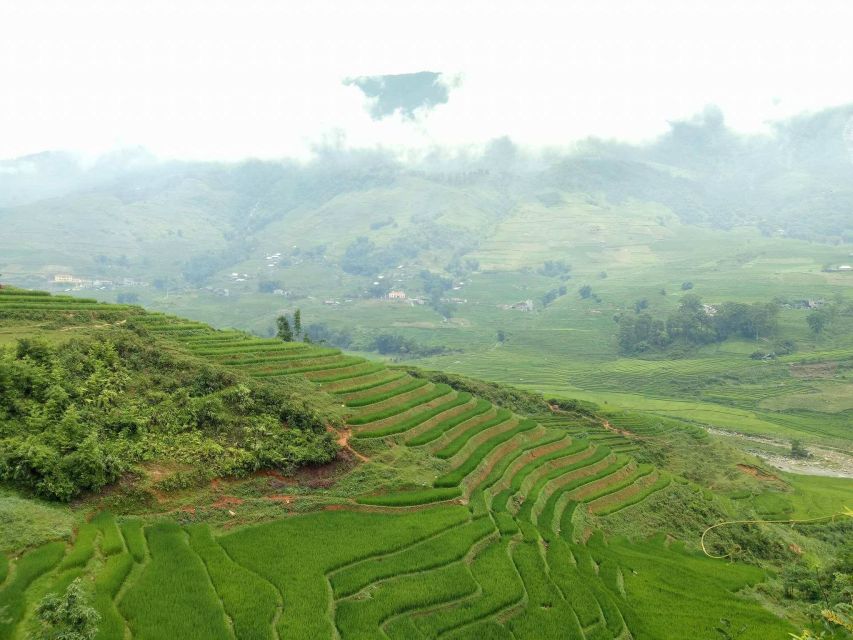
I would recommend this trek to you if you want Sa Pa scenery with more contact than a quick viewpoint visit. It suits people who like walking, shared meals, small groups, and simple accommodation.
It is also a good fit if you want a guide to explain local customs rather than trying to interpret every village on your own. The English-speaking guides are a major part of the value.
I would think twice if you need private, polished accommodation, dislike mud, or have a tightly fixed departure from Sa Pa after lunch on day two. The walking is not punishing for a healthy person, but it is still a real trek. Rain can change the character of the route quickly.
Free cancellation up to 24 hours before departure and the reserve-now, pay-later option make planning easier. Pickup is available from hotels in central Sa Pa, and return bus transport is included. Check the starting time when you select your date.
Should you book this Sa Pa homestay trek?
Book it if your priority is a balanced Sa Pa experience: mountain views, rice terraces, village paths, local food, and one night with a Dzay host family. The guides receive unusually strong praise, and the $55 price covers enough meals and services to make it good value.
Skip it if you want a dry, fully private, hotel-style trip or if you have mobility, back, or pregnancy concerns. Also allow extra time after the return to Sa Pa if you are catching transport to Hanoi.
For most fit visitors who arrive prepared for mud and simple lodging, this is one of the better ways to spend two days in the Muong Hoa Valley.
FAQ
Where does the trek start?
Pickup is available from hotels in Sa Pa town center. The route then heads into the Muong Hoa Valley.
How far do you walk each day?
Day one covers about 11 kilometers from Sa Pa through Y Linh Ho and Lao Chai to Ta Van. Day two covers about 8 kilometers through the bamboo forest and Giang Ta Chai before returning to Sa Pa.
Where do you stay overnight?
You stay at a homestay in a Dzay ethnic minority village in Ta Van.
What meals are included?
The price includes two lunches at a local restaurant, one hosted dinner in the village, and one breakfast at the homestay.
Is transportation included?
Yes. Pickup in central Sa Pa and return transfer by bus are included.
Is an English-speaking guide provided?
Yes. The trip includes a live English-speaking guide.
What should you bring?
Bring comfortable trekking shoes, warm clothing, sunglasses, sunscreen, and insect repellent. Warm clothes are especially recommended from October to March.
Is the trek suitable for children?
It is not suitable for children under six years old. It is also not suitable for pregnant women, people with back problems, or people with mobility impairments.
What happens if I need to cancel?
You can cancel up to 24 hours in advance for a full refund. A reserve-now, pay-later option is also available.
More 2-Day Experiences
- Sapa : 2-Day Trek & Heartwarming Homestay with an Ethnic Family
★ 5.0 · 143 reviews - Rice Terraced Fields & Homestay Experience– 2D 1N
★ 5.0 · 118 reviews - Mountain views & Rice Terraced Fields Hiking – 2D 1N
★ 5.0 · 99 reviews - From Hanoi: 2-Day 2-Night Sapa Tour by Overnight Train
★ 4.4 · 96 reviews
More Hiking and Trekking Tours
- Sapa 1 Day Long Trek: Trek to Hau Thao and Sa Seng Villages
★ 4.6 · 344 reviews - EXPLORE SAPA: 2D1N TREKKING & HMONG CULTURE WITH DINH
★ 4.9 · 191 reviews - 1-day Authentik trek & Panorama valley views
★ 5.0 · 189 reviews - 1 day Fansipan Trekking
★ 5.0 · 180 reviews
Just added around Sapa
- Sapa trekking 2 days small group★ 5.0 · 32 reviews
- From Sapa: 3 Day Ha Giang Loop Guided Motorbike Tour With Rider★ 5.0 · 33 reviews
- Vietnamese Spring Rolls Cooking Class★ 5.0 · 34 reviews
- Sapa: 3-Day Ha Giang Loop Motorbike Tour★ 4.9 · 34 reviews
- 2 Day Trekking Experience: Explore with knowledgeable local guide★ 5.0 · 34 reviews
- Trek Adventure in Ta Van Village, Lao Chai★ 5.0 · 36 reviews
- Sapa Trekking & Cooking with H’Mong Locals –Local Culture★ 5.0 · 36 reviews
- Sapa: Local Exploration on a Guided Motorbike Tour★ 4.2 · 37 reviews
Sapa Trips and Treks, compared.

Sapa 2 Days 1 Night From Hanoi – Overnight in Ta Van Village
Read our review →

Muong Hoa Valley Trek and Local Ethnic Villages
Read our review →
Fansipan Cable, Cat Cat Village & Moana Instagram Tour
Read our review →

Sapa 3 Days 2 Nights Trekking Tour (1 Night In Ta Van Village, 1 Night In Hotel)
Read our review →
Eco Adventure Terrace Fields and Local Villages Trek
Read our review →
3-Day Trekking Adventure of Sapa from Hanoi – Stay Ta Van Village
Read our review →Browse the lists this tour appears in