
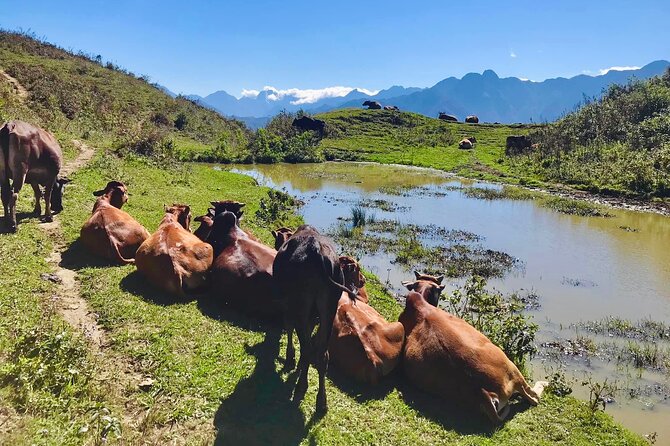
Reviewed · SAPA TRIPS AND TREKS
Sapa The Hidden Trail Trek 1 Day – Mountain & Rice Valley
Sapa rewards strong legs. This private 5 to 6 hour trek leads from town toward Dragon Jaw Mountain, bamboo paths, Hmong and Dao villages, and the rice terraces of Muong Hoa Valley. I like the wide views from the 1,970-meter summit and the chance to meet local guides such as Nhu, Zo, and Phenh, who explain family life, customs, plants, and farming along the way.
I also like the practical value: lunch, bottled water, entry fees, and transport back to Sapa are included for $35 per person. The main caution is the terrain. Expect steep climbs, uneven ground, mud after rain, and a long walking day. In poor weather, clouds can hide the very valley views you came to see.
In This Review
- Key Points Before You Book
- What This Sapa Trek Really Offers
- Starting at 9:00 at Ham Rong Mountain
- Hang Da Village and the Black Hmong Hillsides
- Lunch After the Long Climb
- Hau Chu Ngai and the Bamboo Forest Path
- Giang Ta Chai Village and Dao Culture
- How Hard Is the Dragon Jaw Trek?
- The Guides Are a Major Part of the Value
- Is $35 Good Value in Sapa?
- Best Time and Best Type of Hiker
- Should You Book Sapa The Hidden Trail Trek?
- FAQ
- How long does the Sapa Hidden Trail Trek take?
- What time does the trek start?
- Is this a private tour?
- What is included in the price?
- How difficult is the trek?
- Which villages are visited?
- Can I cancel for a full refund?
Key Points Before You Book
- Dragon Jaw Mountain reaches about 1,970 meters, with high views over Sapa town and the Muong Hoa Valley when the weather cooperates.
- The route combines mountain paths and village roads, including Hang Da, Hau Chu Ngai, and Giang Ta Chai.
- Local guides add real context, with Nhu, Zo, Chu, Phenh, TJ, Jacob, and other guides praised for patience and cultural explanations.
- Plan for serious exercise, including steep inclines, slippery sections, and roughly 20,000 steps or 9 miles on some versions of the trek.
- Lunch is included, though the setting and menu may vary. It can be a local restaurant rather than a family home.
- This is a private activity, so the pace can be adjusted for your own group, subject to the route and guide.
What This Sapa Trek Really Offers
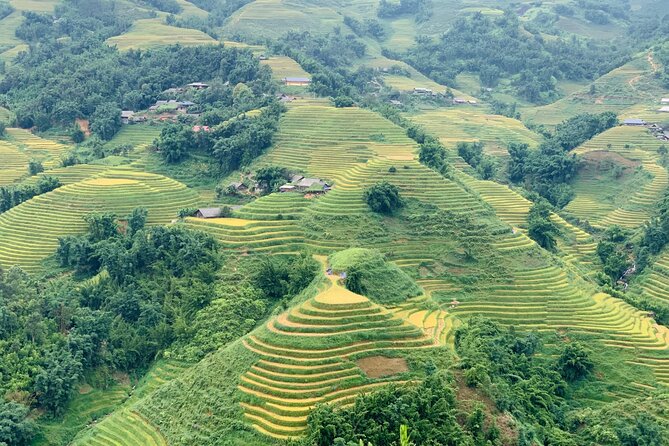
This is not a gentle stroll through rice fields. It is a mountain hike that uses village tracks, rough paths, short forest sections, and steep slopes above Sapa. The reward is a fuller picture of the area than you get from a quick viewpoint stop.
The route links several kinds of scenery. You begin near the town center, climb toward Ham Rong and Dragon Jaw Mountain, pass through Hmong country around Hang Da, then continue toward Hau Chu Ngai and Giang Ta Chai. The day ends with village culture and a return ride to town.
I see the tour as a good first look at Sapa if you have two or three days in the area. It gives you mountain views, rice terraces, village life, and a meal in one outing. If you have only a short stay, you will need to weigh it against a trip to Fansipan.
The advertised duration is about 5 to 6 hours, though the actual day can stretch longer depending on pace, weather, breaks, and route changes. One account described about 6 to 7 hours of near-continuous walking, while another recorded around 20,000 steps. Treat this as a full physical day, not a half-day sightseeing stop.
More Hiking and Trekking Tours in Sapa
- Sa Pa: Muong Hoa Valley Trek and Local Ethnic Villages
★ 4.6 · 864 reviews - Sapa: Eco Adventure Terrace Fields and Local Villages Trek
★ 4.9 · 636 reviews - Number one top rated ethical cultural trekking and homestay by ETHOS
★ 5.0 · 456 reviews
Starting at 9:00 at Ham Rong Mountain
Your guide picks you up at your hotel in Sapa at 9:00 a.m., or meets you at Sapa Church. After a short briefing, you begin near the center of town and head toward Ham Rong Mountain.
The early climb sets the tone. You gain height on paths with inclines and uneven surfaces, so the first section may feel harder than the distance suggests. Take your time. Guides are used to slowing the pace, and Nhu was especially praised for staying with less experienced hikers and changing to an easier route when needed.
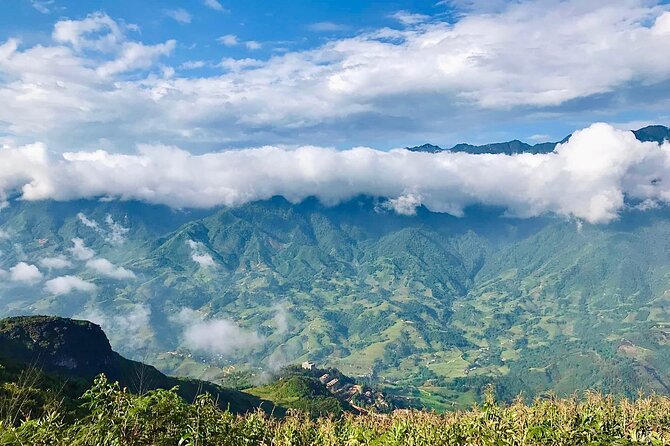
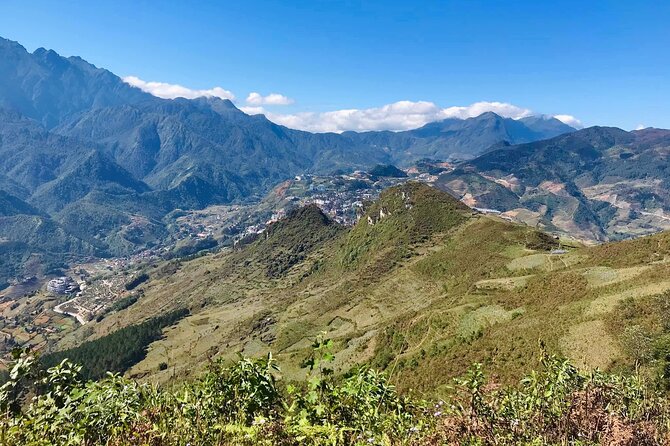
Ham Rong and Dragon Jaw are valuable for orientation. From higher ground, you can look back toward Sapa and see how the town sits among the surrounding mountains. On a clear day, the views extend toward scattered villages and the Muong Hoa Valley.
Cloud is part of the Sapa experience, but it can also erase the view. During rainy June conditions, one group reached the summit but saw mostly mist and greenery instead of the valley. March and April, along with September and October, were identified as better trekking periods for clearer conditions, though mountain weather can never be promised.
The name Dragon Jaw suggests something dramatic, and the climb does provide the day’s big mountain moment. You should not expect a paved viewpoint or an easy cable-car experience. This is a proper uphill walk, with the reward earned one step at a time.
Hang Da Village and the Black Hmong Hillsides
After the mountain section, the route reaches Hang Da Village, a settlement associated with the Black Hmong people. The village is known for large rocks, open mountain views, and its position above the valley.
This is where the trek becomes more than a scenic hike. Your guide can explain local life, farming, clothing, family customs, and the differences among ethnic communities in the area. Guides including Nhu, Chu, Zo, and Phenh were praised for answering questions in clear English and sharing personal connections to the region.
The views from Hang Da are a strong reason to choose this route. You look across hillsides shaped by fields, paths, homes, and folds in the mountains. The view changes with the weather. In sun, the terraces and village roofs may appear sharply defined. In rain or cloud, the scene becomes softer and more enclosed.
The ground also changes underfoot. Expect dirt, stones, steps, and slopes rather than a smooth walking surface. Mud can add both fun and trouble. One hiker described a muddy route as part of the enjoyment, but another found wet ground slippery enough to slow the group.
Wear shoes with a firm grip. Walking poles are worth considering, especially for older hikers or anyone who feels unsteady on descents. A customer in their forties recommended poles for steep sections, and that is sensible advice.
Lunch After the Long Climb
The day includes lunch, which is important because you will have used plenty of energy before reaching the villages. Several meals were described as tasty local food, including rice from the Sapa terraces. Another meal was considered bland, so it is best to keep expectations flexible.
The lunch stop is not always a meal inside a local family home. At least one group expected that but ate at a small restaurant instead. That does not erase the value of the break, but it matters if your main goal is a home visit or a close look at household life.
Use lunch as a proper rest. The route continues afterward, and the downhill sections can be tiring in a different way from the climb. You will want water, dry socks if rain is expected, and enough patience for a slower second half.
Bottled water is included, as are village admission fees. Personal expenses and insurance are not included, and tips are optional.
More Sapa Trips and Treks:
- Sapa: Fansipan Cable, Cat Cat Village & Moana Instagram Tour
★ 5.0 · 777 reviews - Cat Cat Village, Moana, Fansipan Cable Car, Alpine Coaster – Sapa
★ 5.0 · 420 reviews - From Sapa: 1-Day Guided Trek to Lao Chai & Ta Van with Lunch
★ 4.9 · 416 reviews - Sa Pa Full Day Trekking Tour
★ 5.0 · 414 reviews
Hau Chu Ngai and the Bamboo Forest Path
After lunch, you continue toward Hau Chu Ngai through village roads and a short bamboo forest trail. This section gives the trek a quieter feel. Instead of one major viewpoint, you get a series of small changes in scenery as the path passes farms, forest, homes, and mountain slopes.
The bamboo section is short, but it breaks up the open terraces and adds texture to the walk. You might find this part especially pleasant in cloudy weather, when the forest feels close and the path offers some shelter.
The descent toward Giang Ta Chai is one of the route’s more demanding portions. Going downhill may sound easy, but steep and wet ground puts pressure on your knees and requires careful footing. The guide’s job becomes very practical here: pointing out safer steps, helping the group keep a reasonable pace, and making sure nobody is rushed.
The route can be adjusted for a private group. That does not mean every section becomes easy, but it does give your guide room to slow down or choose a less difficult option when conditions or fitness levels call for it. This flexibility helped novice hikers stay involved rather than being left behind.
Giang Ta Chai Village and Dao Culture
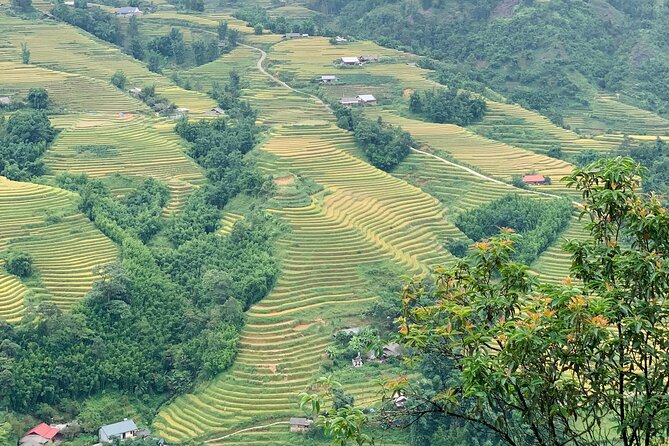
Giang Ta Chai is associated with Black Hmong and Red Dao communities. The village visit gives you a cultural finish after the day’s physical work.
A small museum is included. The local guide can explain traditional clothing, customs, and everyday culture, including the distinctive dress connected with the area’s ethnic groups. This is a useful counterpoint to the scenery. Rice terraces are beautiful, but they are also working farmland, and village life gives you a better sense of the people who maintain it.
The stop lasts about 30 minutes, so it is not a long cultural program. Think of it as a focused introduction rather than a full museum visit or extended homestay. Your guide’s ability to explain the displays will shape how much you get from it.
The final transfer back to Sapa is included. That is welcome after a day of climbing and descending, especially if the ground has been muddy.
How Hard Is the Dragon Jaw Trek?
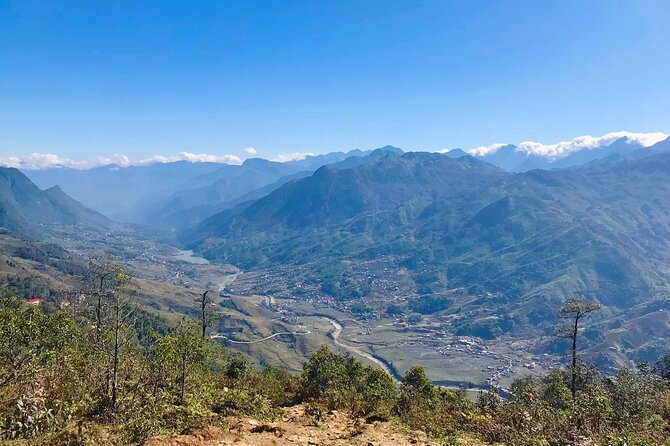
You need moderate physical fitness for this experience. The exact effort depends on the chosen route, weather, and walking speed, but the evidence points to a demanding day for casual walkers and a manageable day for regular hikers.
Expect:
- Steep uphill sections near the mountain
- Uneven village paths
- Mud and slippery ground after rain
- A long descent toward the valley
- Around 20,000 steps or 9 miles on some route versions
- Several stops, but no promise of constant rest
The tour can suit a family or mixed-age group if everyone can handle a sustained mountain walk. One group included a 15-year-old and a 51-year-old, while another changed routes for a novice hiker. Still, you should not book this expecting an easy outing.
Good footwear matters more than stylish clothing. Bring layers because Sapa weather can shift, plus rain protection, sun protection, and a small bag that stays comfortable while walking. I would also bring a phone battery, though the tour includes a mobile ticket and booking confirmation.
The Guides Are a Major Part of the Value
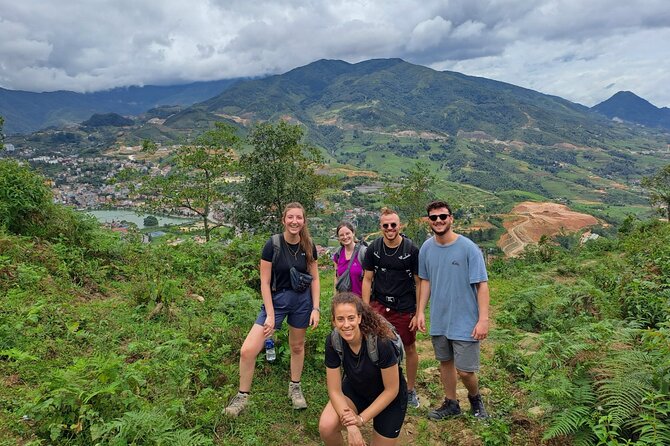
The scenery attracts people to this trek, but the guide determines how much you understand. The strongest guiding moments came from local guides who connected the walk to real life.
Nhu was repeatedly praised for patience, care, and a willingness to adjust the pace. Zo was appreciated for her English and for explaining local culture, ethnic groups, plants, and farming. Chu was noted for her information about the Hmong people, while Phenh tailored the day to the group.
Other named guides, including TJ, Jacob, Keyni, Fin, and Paine, were also described as friendly and attentive. The specific guide assigned to you may differ, but the pattern is useful: ask questions as you walk. This is not just a route from one viewpoint to another. The guide can help you understand why the villages look and function as they do.
English ability may vary from guide to guide, but the feedback points to effective communication overall. If cultural learning is important to you, tell the guide at the start. That gives the day a better chance of matching your interests.
Is $35 Good Value in Sapa?
At $35 per person, this is a strong-value day if you want several elements bundled together. The price includes a local guide, lunch, bottled water, village entry fees, and transport back to town. You also get a private activity, meaning only your group participates.
The private format matters. You are not locked into the pace of a large mixed group, and the guide may be able to adjust the route or allow more breaks. That is especially useful when one person in your party is slower than the rest.
The value is less clear if you mainly want a polished viewpoint visit or a guaranteed meal inside a family home. Lunch can be at a small restaurant, and the weather may block the mountain views. You are paying for a day of access and guidance in the hills, not a guaranteed postcard.
Group discounts are available, though the exact savings are not specified. Confirmation is received when you book, and pickup is offered from your hotel or the meeting point at Sapa Church.
Free cancellation is available if you cancel at least 24 hours before the 9:00 a.m. start time. Changes or cancellations inside that window are not accepted for a refund.
Best Time and Best Type of Hiker
March, April, September, and October are suggested as better months for trekking conditions and clearer views. June can bring persistent rain, clouds, and slippery trails, although the route remains possible.
I would choose this outing if you want:
- A serious walk rather than a short village stroll
- Mountain views above Sapa
- Rice terraces and village roads in one day
- Local cultural explanations
- A private pace and flexible route
- A good introduction to Sapa before attempting a bigger mountain trip
I would think twice if you dislike mud, steep climbs, uncertain weather, or basic lunch arrangements. The tour is also a poor match if your main goal is Fansipan’s summit experience, since this day focuses on villages, trails, and the Muong Hoa Valley instead.
Should You Book Sapa The Hidden Trail Trek?
Book it if you want the best mix of exercise, views, rice terraces, and local culture for a modest price. The guide support is a real strength, and the private format can make a difficult route more manageable.
Go with realistic expectations. This is not an effortless photo tour, and the mountain views depend on weather. Wear proper shoes, consider walking poles, and tell your guide if your group needs a slower pace.
For active visitors with at least one full day in Sapa, I think this trek is a worthwhile choice. It gives you a broad introduction to the hills and villages without the higher cost of a full multi-day trek.
FAQ
How long does the Sapa Hidden Trail Trek take?
The stated duration is approximately 5 to 6 hours. Depending on walking speed, weather, breaks, and route conditions, the day may take closer to 6 to 7 hours.
What time does the trek start?
The activity starts at 9:00 a.m. The guide can pick you up at your hotel in Sapa or meet you at Sapa Church.
Is this a private tour?
Yes. Only your group participates in the activity.
What is included in the price?
The $35 price includes bottled water, village entry fees, a local guide, lunch, and transportation back to Sapa town.
How difficult is the trek?
You should have a moderate level of physical fitness. The route includes steep inclines, uneven ground, muddy areas, and downhill sections. Some route versions cover around 20,000 steps or 9 miles.
Which villages are visited?
The route includes Hang Da Village, Hau Chu Ngai, and Giang Ta Chai Village. It also passes through mountain paths, a small bamboo forest, and the Muong Hoa Valley area.
Can I cancel for a full refund?
Yes, if you cancel at least 24 hours before the experience begins. Cancellations or changes made less than 24 hours before the start time are not refunded.
More 1-Day Tours
- Sapa Motorbike Tour With Local Guide 1 Day – Waterfalls, Villages
★ 5.0 · 254 reviews - Motorbike 1 Day Off The Beaten Track, Hidden Villages, rice field
★ 5.0 · 203 reviews - Sapa 1 day trek with local guide to the village by Comlam
★ 5.0 · 148 reviews - Sapa: Motorbike Tour 1 Day Visit Waterfalls & Local Villages
★ 5.0 · 112 reviews
More Hiking and Trekking Tours
- Sapa 1 Day Long Trek: Trek to Hau Thao and Sa Seng Villages
★ 4.6 · 344 reviews - EXPLORE SAPA: 2D1N TREKKING & HMONG CULTURE WITH DINH
★ 4.9 · 191 reviews - 1-day Authentik trek & Panorama valley views
★ 5.0 · 189 reviews - 1 day Fansipan Trekking
★ 5.0 · 180 reviews
Just added around Sapa
- Sapa trekking 2 days small group★ 5.0 · 32 reviews
- From Sapa: 3 Day Ha Giang Loop Guided Motorbike Tour With Rider★ 5.0 · 33 reviews
- Vietnamese Spring Rolls Cooking Class★ 5.0 · 34 reviews
- Sapa: 3-Day Ha Giang Loop Motorbike Tour★ 4.9 · 34 reviews
- 2 Day Trekking Experience: Explore with knowledgeable local guide★ 5.0 · 34 reviews
- Trek Adventure in Ta Van Village, Lao Chai★ 5.0 · 36 reviews
- Sapa Trekking & Cooking with H’Mong Locals –Local Culture★ 5.0 · 36 reviews
- Sapa Private Car Rental–Half & Full Day & English Speaking Driver★ 5.0 · 37 reviews
Sapa Trips and Treks, compared.

Sapa 2 Days 1 Night From Hanoi – Overnight in Ta Van Village
Read our review →

Muong Hoa Valley Trek and Local Ethnic Villages
Read our review →
Fansipan Cable, Cat Cat Village & Moana Instagram Tour
Read our review →

Sapa 3 Days 2 Nights Trekking Tour (1 Night In Ta Van Village, 1 Night In Hotel)
Read our review →
Eco Adventure Terrace Fields and Local Villages Trek
Read our review →
3-Day Trekking Adventure of Sapa from Hanoi – Stay Ta Van Village
Read our review →Browse the lists this tour appears in