
Reviewed · SAPA TRIPS AND TREKS
Sapa Trekking Bargains With Local Guide
Sapa is best seen on foot. This one-day trek links Hmong and Dzay villages with a local guide, giving you direct contact with village life rather than a quick drive past rice fields. I especially like the choice of routes from 5 to 11 kilometers and the chance to adjust the walk to your fitness, the weather, and how busy the trails are. The included Hmong lunch and ride back to Sapa add real value for only $19.
The main consideration is that this is not always an easy country walk. Mud, steep slopes, slippery paths, and a possible route of around 12 kilometers can make the day demanding. You need sturdy shoes and a reasonable level of fitness, even though the guide can usually shape the trek around your ability.
In This Review
- The key things to know before you book
- Why this Sapa trek offers good value at $19
- Meeting Chan, Sung, and the local guiding family
- Walking from Sapa toward Y Linh Ho
- Y Linh Ho, rice fields, and the cost of quiet paths
- Lunch at a Hmong family restaurant in Lao Chai
- Walking on to Ta Van and meeting the Dzay community
- How hard is the walking?
- What to pack for the Sapa mountain paths
- The cultural side, and how to approach it well
- Booking, cancellation, and who should choose this trek
- Should you book Sapa Trekking Bargains With Local Guide?
- FAQ
- Where does the Sapa trek start?
- What time does the trek begin?
- How long does the experience last?
- Which villages does the route visit?
- How far do you walk?
- Is lunch included?
- Is transport back to Sapa included?
- What language does the guide speak?
- Can I leave my luggage somewhere during the trek?
The key things to know before you book
- Local guides with strong English: Chan, Sung, Vu, and other family guides explain Hmong customs, farming, family life, and local traditions in clear, friendly English.
- Three villages in one day: Walk through Y Linh Ho, Lao Chai, and Ta Van, meeting Hmong and Dzay communities along the route.
- Flexible trekking distance: Choose an easier walk or a longer, quieter route, with options generally ranging from 5 to 11 kilometers.
- A proper local lunch: Stop at a Hmong family restaurant in Lao Chai, with vegetarian food available.
- Less crowded paths: The guide can steer you away from the most heavily used routes, though quieter paths may be muddier and steeper.
- Useful Sapa services: Leave luggage at the office and use a shower before or after the trek, a small but welcome help for bus connections.
Why this Sapa trek offers good value at $19
At $19 per person, this is an unusually inexpensive way to spend most of a day in the Sapa mountains. The price includes a live English-speaking guide, lunch, and transport back to Sapa. You are not paying simply for a scenic walk. You are also getting local explanation, route planning, food, and help with the practical end of the day.
The trek lasts about 330 minutes, or five and a half hours. It begins around 9 AM and finishes in Ta Van at about 3 PM, followed by transport back to Sapa. That timing works well if you need to catch a later bus to Hanoi, though you should still leave yourself some extra time for traffic and changing clothes.
The value improves if you have luggage with you. The operator allows you to leave bags at the office and take a shower before or after the walk. Sapa is often damp, dusty, or muddy, so this can be more useful than it sounds.
The low price does come with a simple format. This is a walking-focused day, not a luxury excursion with elaborate facilities or a private vehicle following you between every stop. You spend the bulk of the time on foot, which is exactly why it works well for anyone who wants a closer look at rural Sapa.
More Hiking and Trekking Tours in Sapa
- Sa Pa: Muong Hoa Valley Trek and Local Ethnic Villages
★ 4.6 · 864 reviews - Sapa: Eco Adventure Terrace Fields and Local Villages Trek
★ 4.9 · 636 reviews - Number one top rated ethical cultural trekking and homestay by ETHOS
★ 5.0 · 456 reviews
Meeting Chan, Sung, and the local guiding family
The guides are a major part of the experience. Chan is repeatedly praised for her warm personality, strong English, humor, and ability to answer detailed questions about Hmong culture. She has been leading tours for more than 15 years, even though her presence on this booking platform is more recent.
Sung, Chan’s husband, also guides the route. He has been praised for meeting people at hotels outside central Sapa and changing the walk to suit their confidence and hiking ability. Chan’s sister Vu guides as well, and her stories about growing up in the area add a personal touch that you will not get from a guide who only memorized a script.
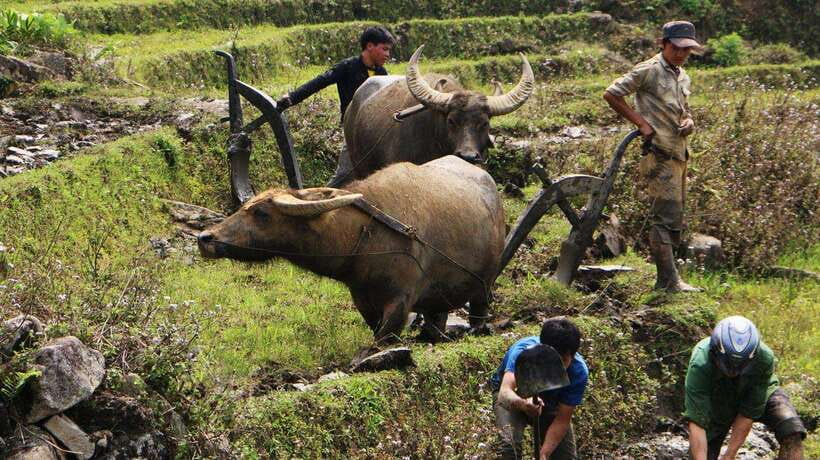
I like that the guides do more than point toward a rice terrace and name a village. They talk about how people live, how crops are processed, what plants can be collected, and how local customs shape daily routines. If you ask questions, the conversation becomes a central part of the day.
English ability appears to be a strong point. You should be able to ask about ethnic minorities, farming, family life, and village traditions without relying on a few memorized phrases. Chan and Sung are also described as honest about the route, which matters when a path becomes steep or slippery.
Walking from Sapa toward Y Linh Ho
The day starts at 9 AM, usually with a meeting at Sapa Stone Church or pickup in Sapa town or at your hotel. The walk then heads toward Y Linh Ho, a Hmong village set among the hills and rice fields below Sapa.
This first section takes about two and a half hours, including stops, walking, views, and explanation. It is the part where you begin to leave the town behind and get a feel for the valley.
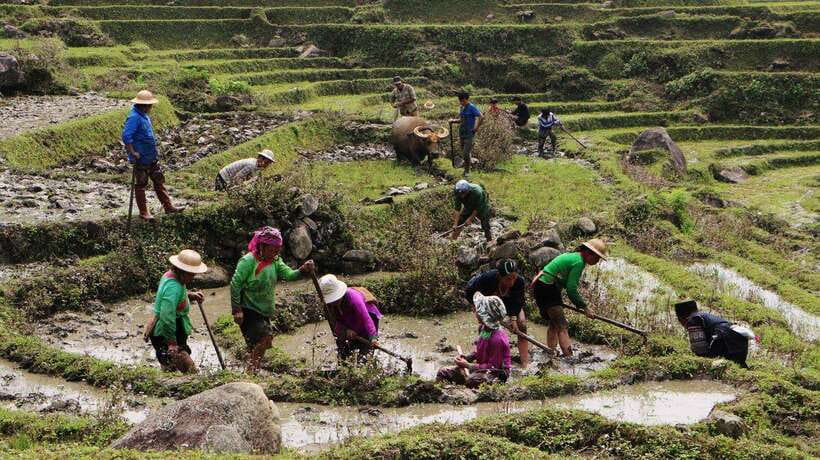
The scenery changes with the season. During rice planting or harvest, you may see people working in the fields. At greener times of year, the terraces can be especially striking, while wet weather can turn the paths into a genuine test of balance.
The exact route is flexible. An easier version may use broader roads or less steep sections. A more adventurous option can use small paths through fields and hills, where you may pass local people moving livestock or working near their homes.
That flexibility is useful, but you should be clear about your ability at the start. A walk described as moderate may still involve steep ground. One route taken by a previous participant reached about 12 kilometers, slightly longer than the usual advertised range, so ask the guide to confirm the day’s distance if that matters to you.
Y Linh Ho, rice fields, and the cost of quiet paths
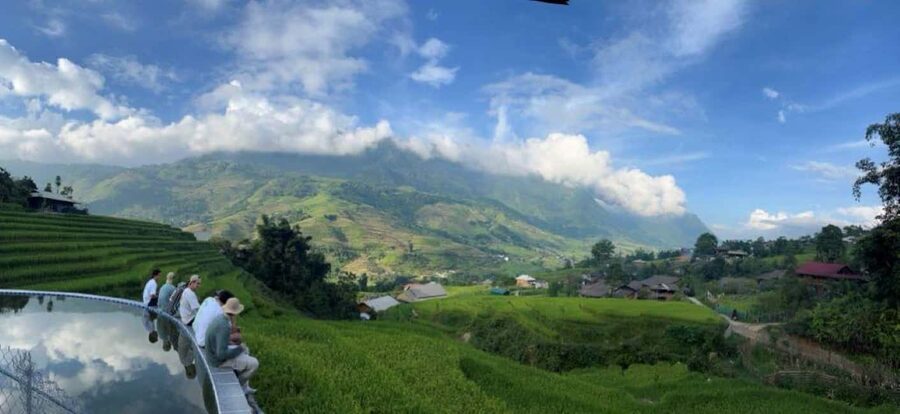
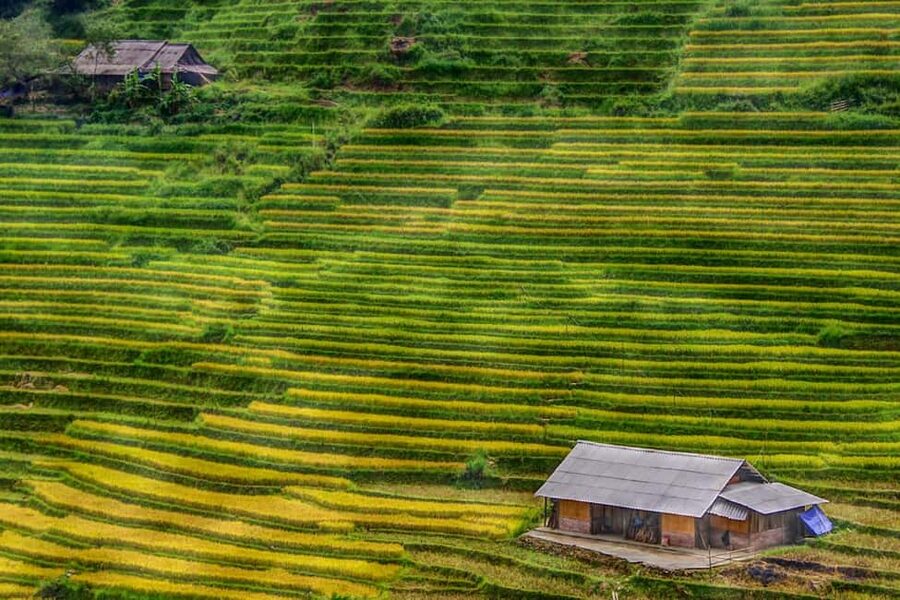
Y Linh Ho is not just a photo stop. The village gives you a chance to see how the scenery connects to work and home life. The rice terraces are beautiful, but they are also practical farmland shaped by years of cultivation on difficult hillsides.
The quieter routes are one of the best reasons to choose this experience. You may avoid some of the crowded paths used by larger groups and get more space for conversation and views. The tradeoff is simple: small paths can be muddy, narrow, or slippery.
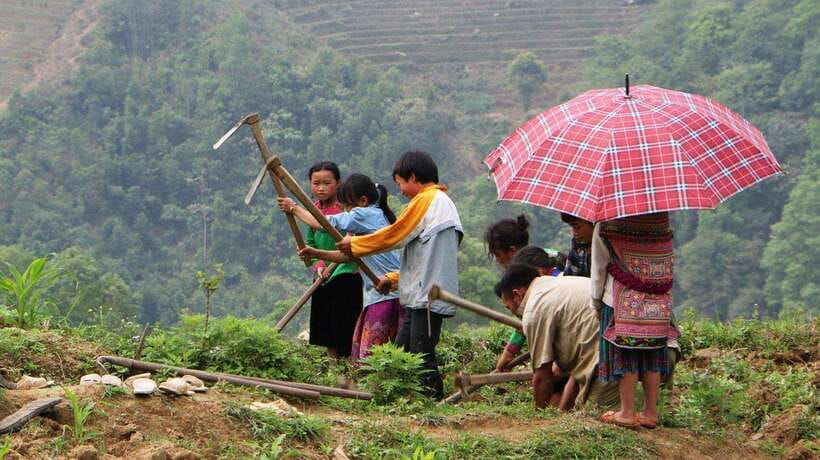
Several useful details came through strongly from the day-to-day experience of this trek. On wet routes, local Hmong women and children may help you over difficult patches. Some may later offer handmade items for sale. It is wise to treat this as part of the local economy rather than as an annoyance, while also remembering that you are not required to buy anything.
A walking stick or trekking poles would be useful, although they are not listed as included. At minimum, bring shoes with real grip, cover your legs, and pack rain gear. Trainers with smooth soles are a poor choice here.
More Sapa Trips and Treks:
- Sapa: Fansipan Cable, Cat Cat Village & Moana Instagram Tour
★ 5.0 · 777 reviews - Cat Cat Village, Moana, Fansipan Cable Car, Alpine Coaster – Sapa
★ 5.0 · 420 reviews - From Sapa: 1-Day Guided Trek to Lao Chai & Ta Van with Lunch
★ 4.9 · 416 reviews - Sa Pa Full Day Trekking Tour
★ 5.0 · 414 reviews
Lunch at a Hmong family restaurant in Lao Chai
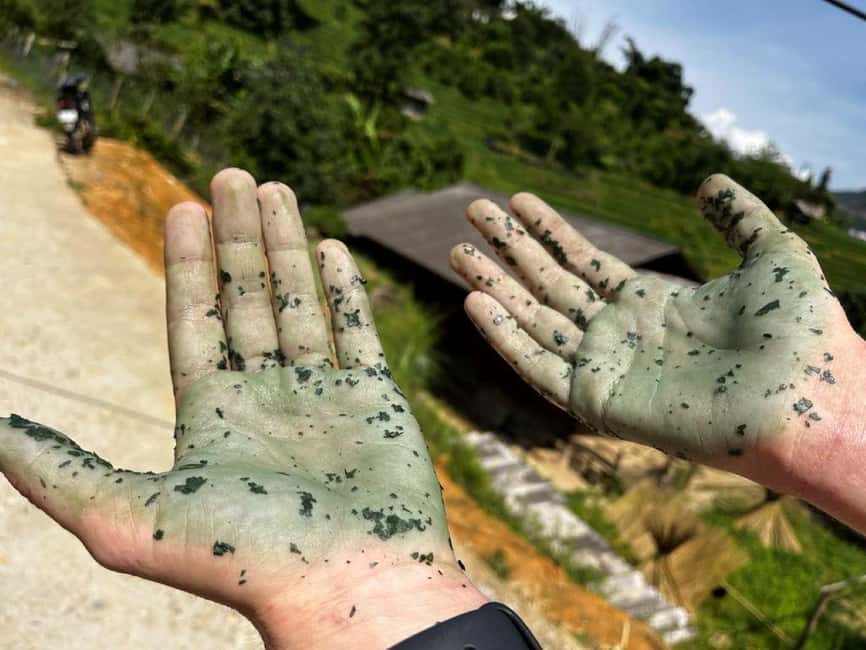
After the first major walking section, you stop in Lao Chai for lunch. The meal lasts about an hour and is included in the price.
Lao Chai is one of the oldest and largest Hmong communities in the area. It is a good place to pause because you have already earned the break, and the food gives you time to talk with the guide about what you have seen.
The meal has been praised for its flavor and generous portions. Vegetarian food is available, which is useful if you mention your needs early. The lunch setting is also part of the appeal, with views over the surrounding valley rather than a meal back in central Sapa.
Do not expect a formal restaurant experience. The attraction is the family-style setting and the chance to eat during the trek. If you have lactose intolerance, take note that the booking information lists this activity as unsuitable for people with lactose intolerance. That warning is unusual for a trek, so you should clarify the meal arrangements before booking if it affects you.
Walking on to Ta Van and meeting the Dzay community
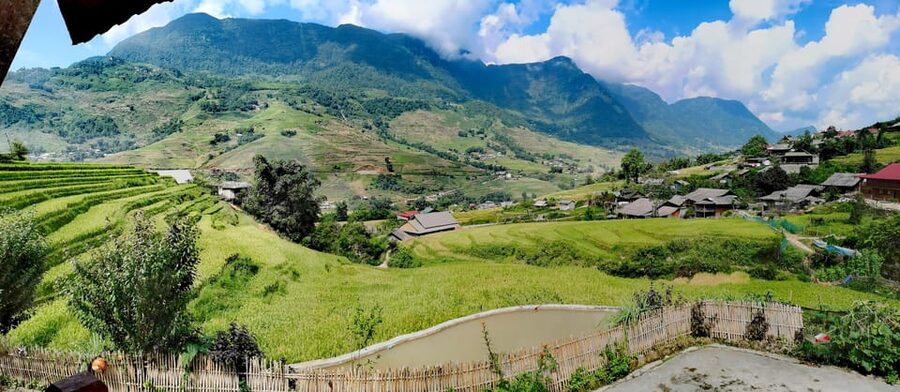
The final walking section takes about an hour and a half and leads to Ta Van. This village is associated with the Dzay people, giving the day a wider cultural range than a route focused only on Hmong communities.
You will continue through village paths and scenic areas while learning how different ethnic groups in the region maintain their own customs and ways of life. The value here is the contrast between communities, not simply ticking off another place name.
Ta Van is the endpoint of the trek. The walk finishes at about 3 PM, after which transport takes you back to Sapa. This saves you from having to arrange your own ride from the valley and lets you enjoy the route without worrying about how to return.
The transport is practical rather than a major feature of the tour. Its main benefit is timing. You can finish in the countryside and still return to Sapa in time for onward travel, provided your bus is not scheduled too soon.
How hard is the walking?
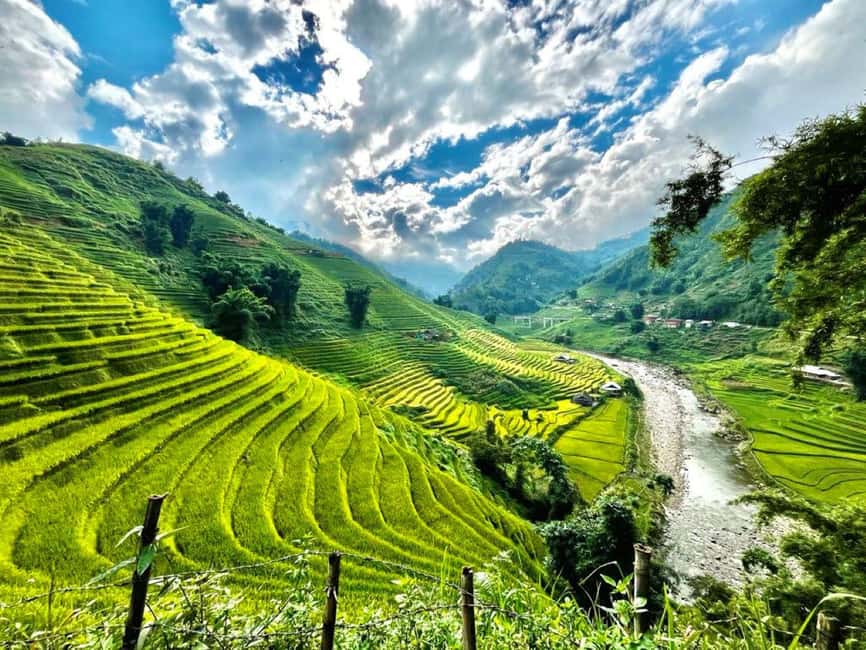
The answer depends on the route chosen and the weather. Some people found the walk manageable across a range of fitness levels, while others described steep hills, slippery sections, and difficult mountain conditions. Both impressions can be true because the guide changes the path and conditions vary greatly.
You should be comfortable walking for several hours. The route may include:
- Rice-field paths
- Steep hills
- Muddy ground
- Slippery sections after rain
- Uneven village trails
- Possible off-road sections
Good hiking shoes are strongly recommended. Several people specifically wished they had proper footwear or advised others to bring it. In wet conditions, some local helpers may assist you on steep sections, but you should not treat that as a substitute for fitness or suitable shoes.
The activity is not suitable for wheelchair users, people with heart problems, people with high blood pressure, people with haemophilia, or people with a low level of fitness. The booking information also lists non-swimmers, uncertified divers, and people who have been diving within the previous 24 hours as unsuitable. Those restrictions do not all seem closely connected to a mountain walk, so ask the operator for clarification if any apply to you.
What to pack for the Sapa mountain paths
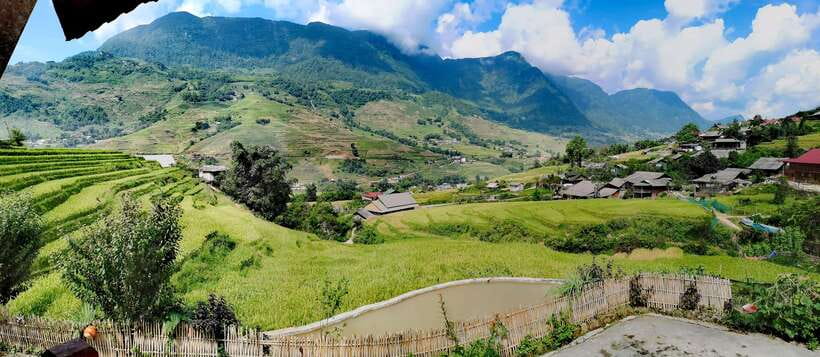
Pack for changing weather and muddy ground. Sapa can look gentle from town, but the walking route takes you into exposed hills and working farmland.
Bring:
- Hiking or trekking shoes with strong grip
- Rain gear
- Comfortable clothing that can get dirty
- Sunglasses and a sun hat
- Drinks
- A camera
- A fully charged smartphone
- Trekking gear if you already own it
A waterproof bag for your phone and spare clothing would be sensible, though it is not specifically listed as required. You may also want a small amount of cash for optional purchases from local people.
The operator provides lunch and transport back to Sapa, but not personal trekking equipment. Do not assume that boots, poles, or rain clothing will be supplied.
The cultural side, and how to approach it well
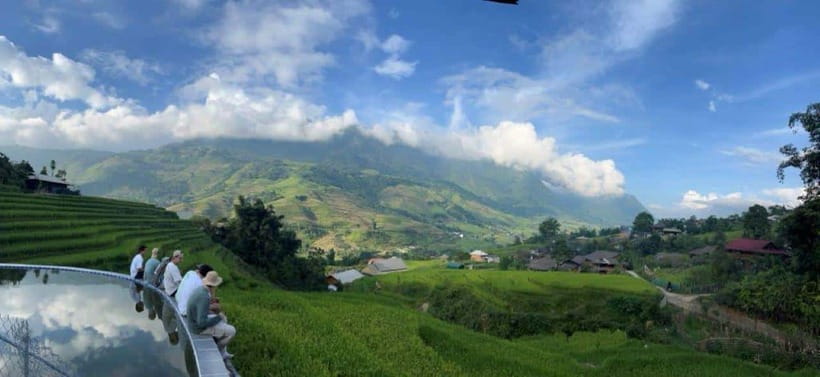
The best part of this trek is the chance to ask about ordinary life. You can learn about farming, crops, plants, village customs, family stories, and the traditions of Hmong and Dzay communities.
Because the guides are local, the explanations can be personal. Chan has spoken about her own life and upbringing, while Vu shares stories from growing up in the area. That kind of conversation gives the scenery more meaning without turning the walk into a lecture.
You should still approach the villages with care. Ask before taking close-up photographs of people, especially while they are working. If someone helps you on a slippery path or offers goods for sale, be polite and patient. A small purchase is optional, but respectful behavior is not.
The experience is more authentic when you stay curious and avoid treating village life as a staged performance. The guide can help explain what you are seeing, but you should give people space.
Booking, cancellation, and who should choose this trek
You can cancel up to 24 hours before the start for a full refund, and a reserve-now, pay-later option is available. The operator also says that after booking and paying, you can move the tour to another day if needed, but should not request a refund for simply deciding not to go.
This trek suits you if you want:
- A full day of walking rather than frequent vehicle transfers
- Local conversation in English
- A choice of difficulty and route length
- Hmong and Dzay village life
- Rice terraces and mountain views
- A reasonably priced tour with lunch included
- Help returning to Sapa after reaching Ta Van
It may not suit you if you want a gentle sightseeing trip, dislike mud, or need completely predictable terrain. The phrase less touristy also means less polished. That is part of its appeal, but it demands better shoes and a more flexible attitude.
Should you book Sapa Trekking Bargains With Local Guide?
I would choose this trek if your priority is local contact, flexible walking, and strong value. The guide quality is the clearest reason to book. Chan, Sung, and Vu bring personal knowledge, humor, and a willingness to adjust the day instead of forcing everyone along one fixed route.
The $19 price is hard to fault when lunch, guiding, and the return ride are included. Just be honest about your fitness, confirm the route length, and prepare for mud. If you want to see Sapa’s villages at walking pace and learn how people live among the rice fields, this is one of the better low-cost choices.
FAQ
Where does the Sapa trek start?
The main meeting point is Sapa Stone Church. Pickup can also take place in Sapa town or at your hotel.
What time does the trek begin?
The trek begins at 9 AM.
How long does the experience last?
The total duration is about 330 minutes, or five and a half hours. The day generally finishes around 3 PM in Ta Van before transport back to Sapa.
Which villages does the route visit?
The route includes Y Linh Ho, Lao Chai, and Ta Van. Y Linh Ho and Lao Chai are associated with the Hmong people, while Ta Van is home to the Dzay people.
How far do you walk?
Routes are offered from about 5 to 11 kilometers, depending on your preferred difficulty. Some individual routes may reach around 12 kilometers, so confirm the distance with the guide.
Is lunch included?
Yes. Lunch at a local Hmong family restaurant in Lao Chai is included. Vegetarian food is available.
Is transport back to Sapa included?
Yes. Transport back to Sapa from Ta Van is included.
What language does the guide speak?
The live guide speaks English.
Can I leave my luggage somewhere during the trek?
Yes. You can leave your luggage at the office and use a shower before or after the trek.
More Hiking and Trekking Tours
- Sapa 1 Day Long Trek: Trek to Hau Thao and Sa Seng Villages
★ 4.6 · 344 reviews - EXPLORE SAPA: 2D1N TREKKING & HMONG CULTURE WITH DINH
★ 4.9 · 191 reviews - 1-day Authentik trek & Panorama valley views
★ 5.0 · 189 reviews - 1 day Fansipan Trekking
★ 5.0 · 180 reviews
Just added around Sapa
- Sapa trekking 2 days small group★ 5.0 · 32 reviews
- From Sapa: 3 Day Ha Giang Loop Guided Motorbike Tour With Rider★ 5.0 · 33 reviews
- Vietnamese Spring Rolls Cooking Class★ 5.0 · 34 reviews
- Sapa: 3-Day Ha Giang Loop Motorbike Tour★ 4.9 · 34 reviews
- 2 Day Trekking Experience: Explore with knowledgeable local guide★ 5.0 · 34 reviews
- Sapa Trekking & Cooking with H’Mong Locals –Local Culture★ 5.0 · 36 reviews
- Trek Adventure in Ta Van Village, Lao Chai★ 5.0 · 36 reviews
- Sapa Private Car Rental–Half & Full Day & English Speaking Driver★ 5.0 · 37 reviews
Sapa Trips and Treks, compared.

Sapa 2 Days 1 Night From Hanoi – Overnight in Ta Van Village
Read our review →

Muong Hoa Valley Trek and Local Ethnic Villages
Read our review →
Fansipan Cable, Cat Cat Village & Moana Instagram Tour
Read our review →

Sapa 3 Days 2 Nights Trekking Tour (1 Night In Ta Van Village, 1 Night In Hotel)
Read our review →
Eco Adventure Terrace Fields and Local Villages Trek
Read our review →
3-Day Trekking Adventure of Sapa from Hanoi – Stay Ta Van Village
Read our review →Browse the lists this tour appears in