
Reviewed · SAPA TRIPS AND TREKS
Sapa Valley Trek and Homestay – 3D2N
Sapa’s best views come on foot. This three-day trek from Sapa follows mountain paths through five villages, rice terraces, waterfalls, and communities of the Hmong, Giay, Red Dao, Tay, and Black Hmong peoples. I like the local Hmong guides, who explain daily life rather than simply pointing out scenery, and I like the chance to sleep in village homes instead of returning to town each night. The main caution is simple: this is a real trek, with long and sometimes slippery sections, so you need moderate physical fitness.
The $170 price includes village entry fees, meals, a guide, water, village accommodation, and transport back to Sapa. That is a fair package for three days, especially if you value cultural contact and not having to arrange each part yourself. You should still confirm the exact overnight plan, since the booking details list one homestay night while the three-day schedule and guest feedback refer to homestays in the plural.
In This Review
- Key points at a glance
- Why this Sapa trek is worth considering
- Day one: from Sapa Town toward Ta Van
- Day two: waterfalls, rice fields, and Ban Ho
- Day three: Tay homes and Nam Tong Village
- What the scenery is really like
- The guide is the heart of the trip
- What $170 buys you
- Who should book this trek?
- Should you book the Sapa Valley Trek?
- FAQ
- Where does the trek start?
- How long does the experience last?
- How many villages does the route visit?
- What level of fitness do I need?
- Is a local guide included?
- Which meals are included?
- Is accommodation included?
- Is transport back to Sapa included?
- What is not included in the price?
Key points at a glance
- Five villages, several ethnic communities: You pass through Hmong, Giay, Red Dao, Tay, and Black Hmong areas, with a focus on local customs and daily work.
- A true walking tour: The routes include rice terraces, mountain paths, bamboo forest, waterfalls, and uphill sections. The trek can be adjusted for ability, but it is not a gentle town stroll.
- Guides make the difference: Guides named in guest feedback include Soso, Ly, Mae, May, Dom, and Sush. Their value comes from cultural explanation, encouragement, and help on difficult tracks.
- Village homestay experience: You have time to rest, shower, eat local meals, and meet a host family. Some accounts also mention cooking activities such as making fried spring rolls.
- Meals and transport are covered: Three lunches, two breakfasts, two dinners, one large bottle of water per person, and return transport are included.
- Small-group format: The maximum group size is 15 people, giving the guide room to adjust the pace more easily than on a large coach tour.
Why this Sapa trek is worth considering
Sapa town is easy to enjoy from a café window, but the terraces and villages become more meaningful once you walk among them. This tour takes you away from the main streets and into areas where farming, house building, marriage customs, and village life are part of the conversation.
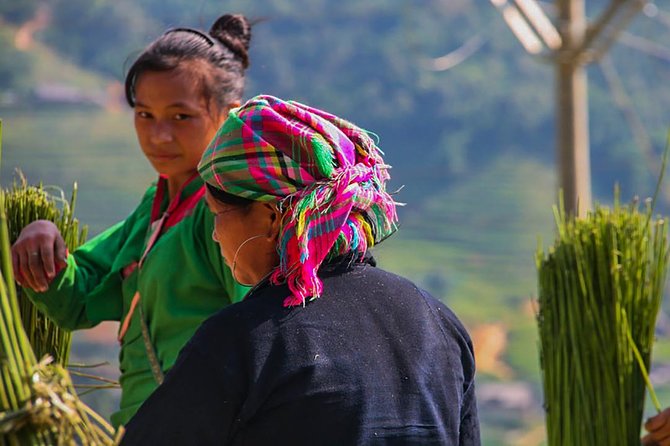
I especially like the cultural side of the program. The guide is expected to explain Hmong marriage traditions, rice-field work, house-building methods, and the customs of the Hmong, Giay, and Red Dao communities. The route also brings you into contact with Tay and Black Hmong communities, giving the three days more variety than a short trek to one nearby village.
The other strong point is the guiding. Soso is praised for being caring and ready to help, while Ly is described as clear and generous with information about culture and daily life. Mae is noted for her friendly manner and strong English, and May is praised for helping on slippery sections. Dom adjusted the pace to suit the group. These details matter because the quality of your guide will shape both your safety and your understanding of what you see.
This is not a luxury escape. The routes can be long and difficult, and wet weather may make the paths harder. You should expect basic village accommodation rather than hotel comforts. Still, if you want a more personal look at Sapa than a short viewpoint visit provides, the effort is well directed.
More Hiking and Trekking Tours in Sapa
- Sa Pa: Muong Hoa Valley Trek and Local Ethnic Villages
★ 4.6 · 864 reviews - Sapa: Eco Adventure Terrace Fields and Local Villages Trek
★ 4.9 · 636 reviews - Number one top rated ethical cultural trekking and homestay by ETHOS
★ 5.0 · 456 reviews
Day one: from Sapa Town toward Ta Van
The trek begins at 9 a.m. Your guide meets you at your hotel in Sapa Town or at the main church on Ham Rong Street. The meeting point is central and easy to identify, and the tour offers pickup from town hotels.
From there, you are taken about 2 kilometers down Cat Cat Road toward the Y Linh Ho area. The route introduces you to the highland scenery quickly, with views toward Sapa’s large valley and the rice terraces that make this region famous.
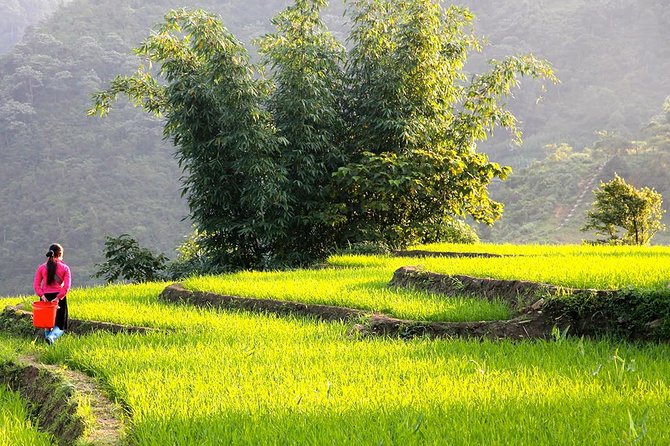
Y Linh Ho is more than a photo stop. It gives you an early sense of how the Hmong communities live and work among steep fields. Depending on conditions and the pace selected for your group, you may spend time learning about farming, houses, local work, and the practical demands of life in the mountains.
The published schedule gives Y Linh Ho about one hour, with admission included. That short listed time should not be read as the full duration of the day’s trek. The overall program continues on foot through the valley toward Ta Van, and the route can take considerably more effort than the short stop description suggests.
Ta Van is associated with the Giay minority and serves as the first major village base. When you arrive, your host family welcomes you and you have time to rest, take a hot shower, and prepare for dinner. That pause is welcome after the first day on the trail.
The homestay is an important part of the experience because it changes the rhythm of the trip. Instead of finishing at a tourist office or returning to Sapa, you end the day in a village setting. Feedback describes the accommodation as cozy, clean, and equipped with what was needed. Keep your expectations practical: the point is local hospitality and location, not resort service.
Dinner is included, as is breakfast the following morning. Extra drinks at the homestay, including bottled water or beer, cost extra, so carry enough water for the walking portions and use the included large bottle as part of your supply.
Day two: waterfalls, rice fields, and Ban Ho
Day two begins with breakfast at the homestay. The morning schedule allows time for coffee or tea and a look around the nearby rice fields before the route heads uphill toward Giang Ta Chai.
Giang Ta Chai is known for its waterfall and its position among mountain paths and terraces. The uphill approach is part of the appeal, but it also makes this one of the more demanding sections. If the ground is wet, you should take careful steps and accept help from the guide when offered.
This is where a local guide can make a practical difference. May is praised for assisting on slippery tracks, while Dom is praised for changing the difficulty to match how the group felt. You should tell your guide early if your legs, knees, or balance are struggling. A small adjustment can keep the rest of the day enjoyable.
After a break at Giang Ta Chai, the route continues toward Su Pan, connected with the Black Hmong community, and then on to Ban Ho. This section gives the trip a wider cultural range. In and around Ban Ho, you encounter Red Dao and Tay communities as well as the Black Hmong.
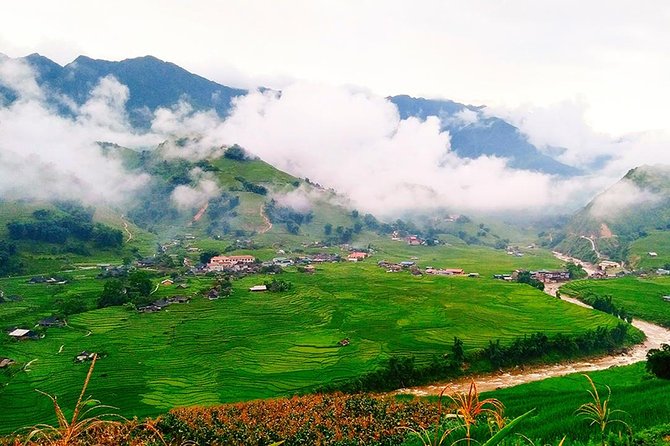
The tour description also identifies Ban Ho as a place to see Sapa’s biggest river and valley. Water, terraces, forest, and steep slopes give the area a different feel from the streets around Sapa town. You get a better idea of how villages are connected by paths rather than roads.
Lunch is included on the second day, as are dinner and accommodation according to the program. The supplied details are not perfectly consistent about the number of homestay nights: the inclusions list one night, while the three-day format and personal accounts refer to two homestays. I would ask the operator to confirm where you sleep on the second night before paying, especially if accommodation standards matter to you.
One appealing detail from the feedback is the chance to take part in simple cooking, including making fried spring rolls. That sort of activity is not guaranteed in every departure, but it shows the kind of interaction the homestay can provide. You are not only passing through a village for photographs. You may have a chance to share a task and a meal with the family hosting you.
Day three: Tay homes and Nam Tong Village
The final morning begins in Ban Ho. The plan includes a visit to traditional houses and an introduction to Tay culture before continuing to Nam Tong Village.
This is a useful final day because it slows the focus from physical trekking to village life. Traditional homes reveal how families organize domestic space and adapt buildings to the local climate and terrain. The guide’s explanations are central here, so ask questions rather than treating the houses as scenery.
Nam Tong marks the final village portion of the route. The exact walking length and timing are not provided, so you should ask for a current day-by-day distance if you need to plan around a train, bus, or other Sapa booking.
Transport back to Sapa is included after the village section ends. The meeting details say the activity ends back at the meeting point, so you should return to central Sapa rather than arranging your own ride from a remote village. Even so, allow extra time before a fixed onward departure. Mountain roads and trekking schedules do not always obey a tight timetable.
More Sapa Trips and Treks:
- Sapa: Fansipan Cable, Cat Cat Village & Moana Instagram Tour
★ 5.0 · 777 reviews - Cat Cat Village, Moana, Fansipan Cable Car, Alpine Coaster – Sapa
★ 5.0 · 420 reviews - From Sapa: 1-Day Guided Trek to Lao Chai & Ta Van with Lunch
★ 4.9 · 416 reviews - Sa Pa Full Day Trekking Tour
★ 5.0 · 414 reviews
What the scenery is really like
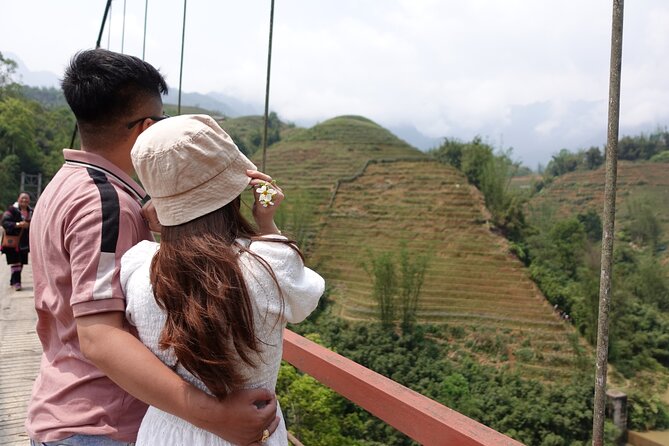
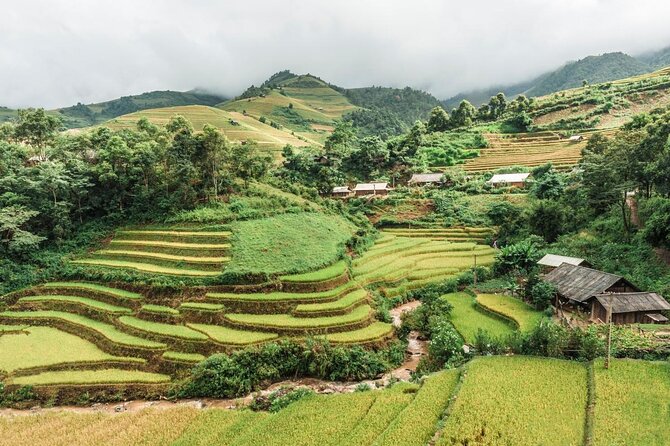
The visual reward comes from variety rather than one grand viewpoint. You move through terraced rice fields, deep valleys, mountain paths, bamboo forest, and waterfalls. The route also gives you views of the river and the broad valley around Ban Ho.
Rice terraces change with the season, and the supplied information does not promise a particular planting or harvest period. You should expect the setting to look different depending on when you go. The mountain views remain a draw, but clouds and rain can limit what you see.
The tour requires good weather. If poor conditions force a cancellation, you are offered another date or a full refund. That policy is useful in Sapa, where rain can affect both visibility and trail safety.
Bring shoes with a firm grip, clothing that can handle mud, and a light layer for changing mountain conditions. Those are practical recommendations based on the stated difficulty and the reports of slippery paths, not a promise that equipment is supplied. The tour includes one large bottle of water per person, but additional drinks are not included.
The guide is the heart of the trip
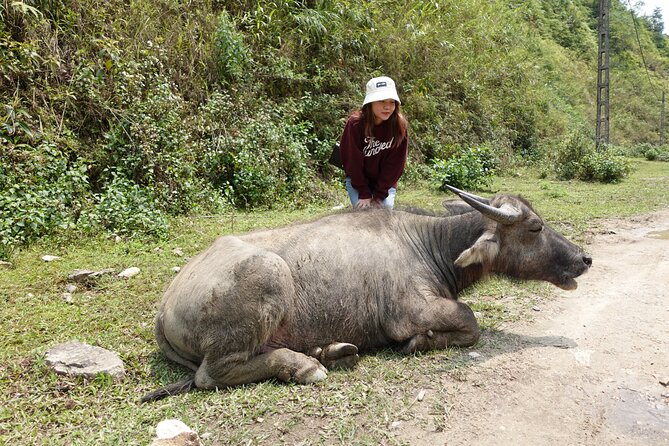
This experience depends heavily on the person walking beside you. The guide does more than lead the route. The program calls for explanations of ethnic traditions, marriage customs, rice farming, house construction, and daily work.
The strongest feedback centers on guides who combine warmth with useful information. Soso is praised for making a family group feel comfortable and for helping when needed. Ly is praised for clear communication and explanations of culture and village life. Mae is noted for speaking good English and even taking a group to her home for lunch.
May is described as attentive on difficult trails, and Dom as flexible with the pace. Sush is praised for making people feel welcome and cared for while sharing information about Hmong culture. You cannot choose a particular guide from the information provided, but these examples show the type of service the company aims to provide.
The company describes itself as a small local Hmong operation in Sapa. That local connection is a major advantage if the guide assigned to you is able to translate customs into clear, respectful explanations. Ask questions about what you see, and avoid reducing the villages to photo stops. The best moments are likely to come from conversation.
What $170 buys you
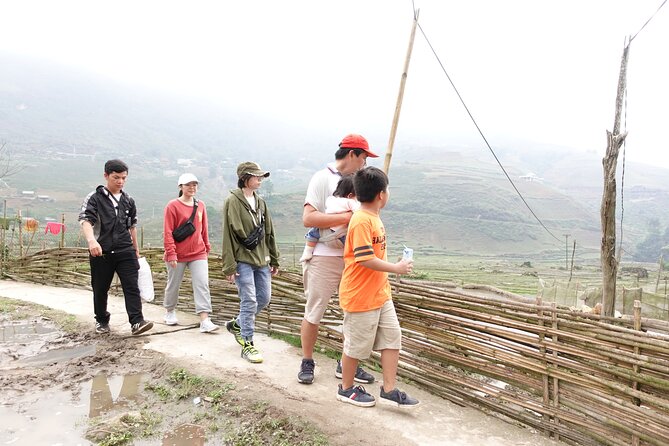
At $170 per person, the price covers more than the walking itself. You receive:
- Village entry fees
- A local guide
- Village homestay accommodation
- Three lunches
- Two breakfasts
- Two dinners
- One large bottle of water
- Transport back to Sapa after the village portion
The value is strongest for visitors who would otherwise need to arrange meals, admissions, accommodation, and transport separately. A three-day guided route also reduces the risk of losing time choosing paths or finding village connections.
The price does not include personal travel insurance, extra drinks at the homestay, or tips. Insurance is especially worth arranging because the activity calls for moderate physical fitness and includes uneven mountain paths.
The maximum group size is 15. That is not a private trek, but it is still small enough for the guide to communicate with the group and make some pace adjustments. If you want a completely private route or a fixed level of comfort, ask about alternatives before booking.
The experience is often reserved about 31 days ahead. That suggests you should not leave it until the last moment if your Sapa dates are fixed, though availability can change.
Who should book this trek?
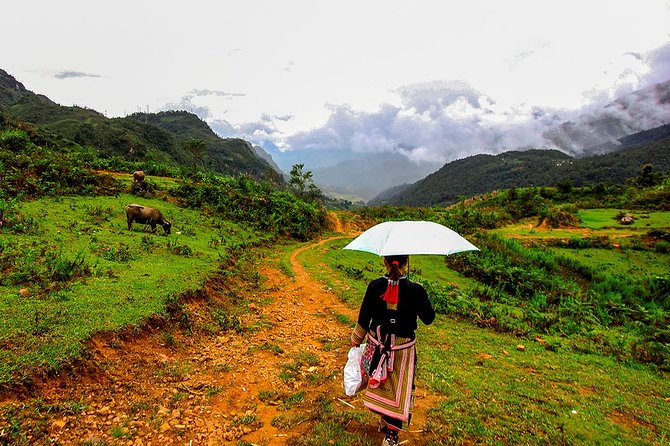
I would recommend it to you if you want:
- Several days away from Sapa town
- Rice terraces and mountain scenery viewed on foot
- Contact with Hmong, Giay, Red Dao, Tay, and Black Hmong communities
- A guide who can explain customs and daily work
- Basic village accommodation and included meals
- A route that can sometimes be adjusted to suit the group
You should think twice if you dislike long walks, uneven ground, or simple accommodation. The tour requires moderate fitness, and direct feedback describes the trek as long and difficult, though manageable for an average person with a reasonable level of fitness.
Families can enjoy it too. A group with children aged 12 to 16 completed the route and selected longer distances because they had strong trekking experience. That does not mean every child will find it easy. Your family should be comfortable with sustained walking and changing trail conditions.
Should you book the Sapa Valley Trek?
Book this tour if you want Sapa to be more than a scenic stop. The route combines terraces, waterfalls, river valleys, five villages, local meals, and cultural explanation in one organized package.
The strongest reasons to choose it are the local guiding and the chance to spend time in village homes. The main reasons to hesitate are the physical demands, basic accommodation, weather risk, and the unclear number of homestay nights in the supplied details.
Before booking, ask for the expected walking distance each day, the exact overnight villages, and the likely accommodation arrangement. If those answers suit you, $170 is a sensible price for a three-day introduction to rural Sapa, with the practical work of meals, admissions, guidance, and return transport already handled.
FAQ
Where does the trek start?
The trek starts at 9:00 a.m. at Sapa Church on Ham Rong Street, or with pickup from your hotel in Sapa Town.
How long does the experience last?
The tour lasts approximately three days and includes two nights according to the tour title.
How many villages does the route visit?
The experience is designed to visit five villages connected with the Hmong, Giay, and Red Dao communities, while the route also includes areas associated with the Tay and Black Hmong.
What level of fitness do I need?
You need a moderate level of physical fitness. The trek includes long and difficult sections, uphill walking, and paths that may become slippery.
Is a local guide included?
Yes. A local guide is included in the price.
Which meals are included?
The tour includes three lunches, two breakfasts, and two dinners.
Is accommodation included?
Yes. Village homestay accommodation is included. The supplied details list one homestay night, while the three-day schedule refers to homestay stays, so confirm the exact overnight arrangement before booking.
Is transport back to Sapa included?
Yes. Transport back to Sapa is included after the village portion of the tour ends.
What is not included in the price?
Personal travel insurance, extra drinks such as bottled water or beer at the homestay, and tips are not included.
More 3-Day Experiences
- From Sapa: 3-Day Ha Giang Loop with Safe Rider (max 8 pax)
★ 4.9 · 285 reviews - From Hanoi: Sapa 3-Day Medium Trek and Limousine Trip
★ 4.5 · 59 reviews - 3-Day Trek in Amazing Muong Hoa Valley & ethnic Homestay
★ 5.0 · 49 reviews - Sapa: 3-Day Ha Giang Loop Motorbike Tour
★ 4.9 · 34 reviews
More Hiking and Trekking Tours
- Sapa 1 Day Long Trek: Trek to Hau Thao and Sa Seng Villages
★ 4.6 · 344 reviews - EXPLORE SAPA: 2D1N TREKKING & HMONG CULTURE WITH DINH
★ 4.9 · 191 reviews - 1-day Authentik trek & Panorama valley views
★ 5.0 · 189 reviews - 1 day Fansipan Trekking
★ 5.0 · 180 reviews
Just added around Sapa
- Sapa trekking 2 days small group★ 5.0 · 32 reviews
- From Sapa: 3 Day Ha Giang Loop Guided Motorbike Tour With Rider★ 5.0 · 33 reviews
- Vietnamese Spring Rolls Cooking Class★ 5.0 · 34 reviews
- Sapa: 3-Day Ha Giang Loop Motorbike Tour★ 4.9 · 34 reviews
- 2 Day Trekking Experience: Explore with knowledgeable local guide★ 5.0 · 34 reviews
- Trek Adventure in Ta Van Village, Lao Chai★ 5.0 · 36 reviews
- Sapa Trekking & Cooking with H’Mong Locals –Local Culture★ 5.0 · 36 reviews
- Sapa Private Car Rental–Half & Full Day & English Speaking Driver★ 5.0 · 37 reviews
Sapa Trips and Treks, compared.

Sapa 2 Days 1 Night From Hanoi – Overnight in Ta Van Village
Read our review →

Muong Hoa Valley Trek and Local Ethnic Villages
Read our review →
Fansipan Cable, Cat Cat Village & Moana Instagram Tour
Read our review →

Sapa 3 Days 2 Nights Trekking Tour (1 Night In Ta Van Village, 1 Night In Hotel)
Read our review →
Eco Adventure Terrace Fields and Local Villages Trek
Read our review →
3-Day Trekking Adventure of Sapa from Hanoi – Stay Ta Van Village
Read our review →Browse the lists this tour appears in