
Reviewed · SAPA TRIPS AND TREKS
2 days authentic trekking tour in Sapa ( Homestay – Less touristy )
Sapa reveals itself one footstep at a time. This two-day trek pairs terraced rice paddies with visits to Hmong and Dzao villages, then adds a night in a traditional wooden house. I like the quiet dirt trails through pine forest, and I like that meals, water, transport, entrance fees, and a guide are covered. The main caution is simple: this is not an easy stroll.
You will walk about nine hours over two days, including steep sections that can become tiring in hot weather. I also like the private format, since only your group takes part and the guide can adjust the walking level. The homestay is rustic rather than polished, so book this for local contact and mountain scenery, not hotel comforts.
In This Review
- At a glance: what makes this Sapa trek worthwhile
- Why this two-day route feels different from a short Sapa walk
- Day 1: downhill trails from Ta Phin Village
- Evening in a traditional wooden house
- Day 2: Suối Thầu and the Ngũ Chỉ Sơn area
- What the $89 price really covers
- How hard is the walking?
- The local contact is the main attraction
- Who should book this Sapa experience?
- Should you book the two-day Sapa trek?
- FAQ
- How long is the Sapa trekking tour?
- What time does the tour start?
- Where does the first day of trekking take place?
- Where do you stay overnight?
- Are meals and water included?
- Is this a private tour?
At a glance: what makes this Sapa trek worthwhile
- Five hours on Day 1: Follow downhill dirt paths from Ta Phin through pine forest, rice terraces, cornfields, and quiet mountain country.
- A real village homestay: Spend the night in a traditional wooden house, with dinner and breakfast included.
- Two ethnic cultures in one trip: Visit Hmong and Dzao communities, with time for local meals, workshops, and conversation through your guide.
- A mountain finish on Day 2: Walk toward Suối Thầu and Ngũ Chỉ Sơn, crossing rice fields and climbing to a mountain viewpoint.
- Private, not mass-market: Only your own group participates, with an English-speaking guide and transport included.
- Strong value at $89: The fee covers two lunches, dinner, breakfast, water, entrance fees, the homestay, transport, and guiding.
Why this two-day route feels different from a short Sapa walk
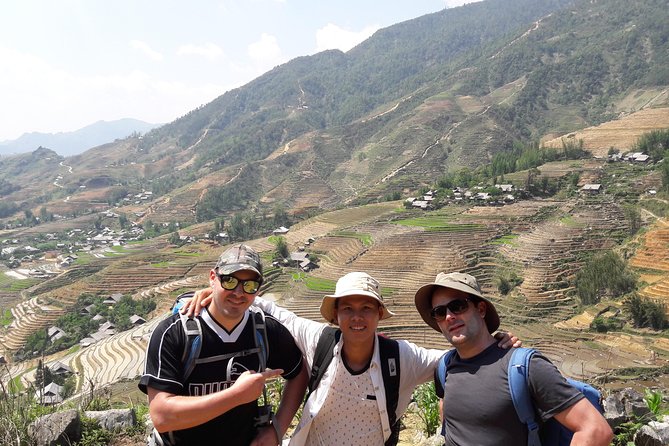
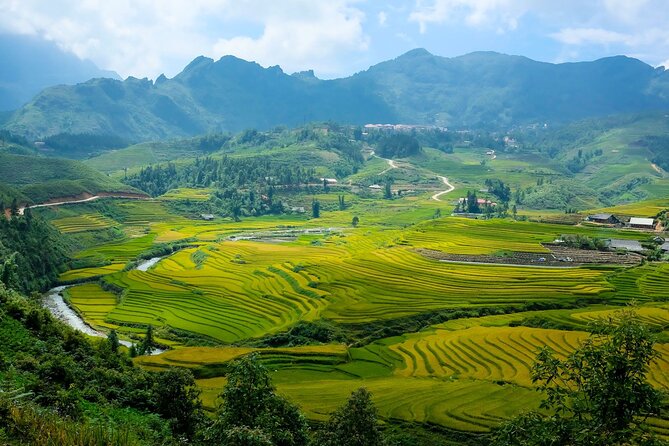
Sapa is famous for rice terraces, but a quick town excursion can leave you seeing little more than a scenic path and a few souvenir stalls. This trip gives you more time outside town and lets the day unfold at walking pace. You move through working countryside, village areas, forest, and mountain trails rather than simply stopping for photographs.
The route is also built around an overnight stay. That matters because a homestay changes the rhythm of the trip. Instead of returning to Sapa after a few hours, you eat dinner in the local community, sleep in a wooden house, and begin the next morning from the village itself.
The tour is described as private, so you do not have to match your pace to a large mixed group. The walking level may be adjusted between medium and heavy, which is helpful if everyone in your party has a similar ability. Still, flexibility does not remove the physical demands. The total walking time is about nine hours, and some parts are steep.
The best reason to choose this outing is the combination of nature and local life. The views matter, but the guide’s explanations about village customs, daily work, and local craftsmanship give the scenery a human meaning.
More Hiking and Trekking Tours in Sapa
- Sa Pa: Muong Hoa Valley Trek and Local Ethnic Villages
★ 4.6 · 864 reviews - Sapa: Eco Adventure Terrace Fields and Local Villages Trek
★ 4.9 · 636 reviews - Number one top rated ethical cultural trekking and homestay by ETHOS
★ 5.0 · 456 reviews
Day 1: downhill trails from Ta Phin Village
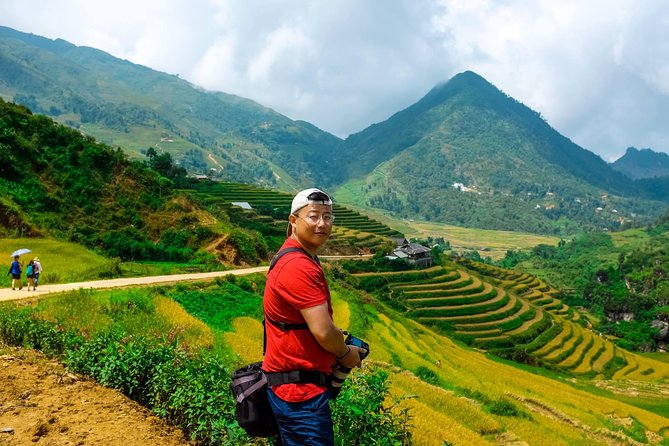
The first morning begins at 9:00 a.m. Transport is included, and the route starts in the Ta Phin area. From there, you trek downhill through mountainous country on a dirt trail lined in part by pine forest.
Downhill sounds easy, but it can put pressure on your knees and requires care on uneven ground. You will want sturdy shoes with a good grip. The route is not described as a paved village walk, and the steep sections make this a poor choice for anyone expecting a gentle half-day outing.
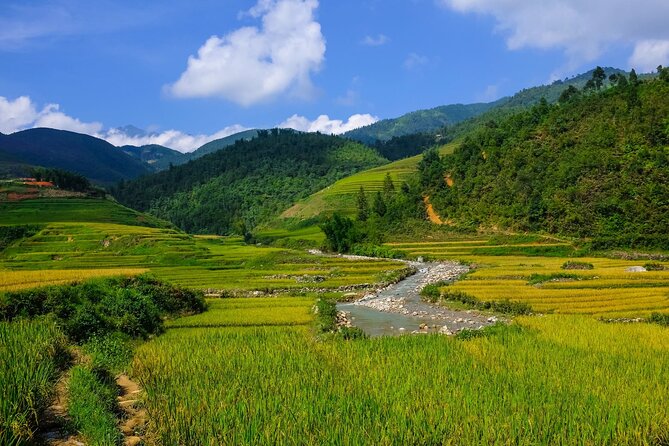
The reward comes quickly. The trail offers broad views over rice paddy terraces and cornfields, with quieter surroundings than the central Sapa routes. The fields change with the season. In October, for example, the rice may already be harvested, so you should not assume every visit will show bright green paddies. Even then, the shapes of the terraces and the mountain setting remain part of the experience.
The trail also gives you chances to notice how the valley is used. Rice paddies and cornfields are not just pretty scenery here. They are part of the local economy and daily routine, and the guide can help explain what you are seeing. This is where the English guide adds real value. Without that context, you might photograph the terraces and miss the story behind them.
Ta Phin is associated with Dzao communities, while the wider trip also includes Hmong villages. You will have opportunities to learn about local customs and craftsmanship, with workshops and meals forming part of the cultural side of the tour. The exact activities can vary, so I would treat the workshops as a chance for contact rather than a fixed performance.
The first walking section lasts about five hours. That is a serious opening day, especially in hot weather or when the trail is muddy. One useful feature is the guide’s ability to choose a medium or heavier walking level. Discuss your comfort honestly at the start. It is better to set the right pace early than to struggle during the final stretch.
Evening in a traditional wooden house
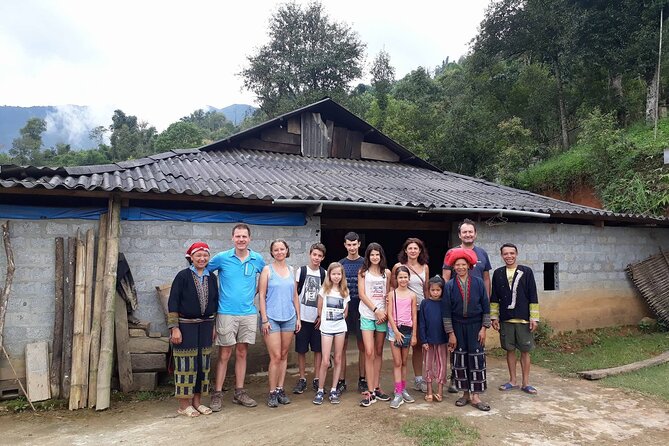
After the first day’s walk, you spend the night in a local community homestay. The house is traditional and wooden, and the arrangement is described as rustic but comfortable. That combination is important. You get a more direct sense of village life, but you should not expect the privacy, furniture, or finish of a standard hotel in Sapa.
Dinner is included, and food is one of the strongest parts of the trip. The meals are described as delicious and well organized, which makes the evening more than a place to sleep. You can sit down after the walk, eat local food, and let the day’s scenery settle in.
Breakfast is also included the next morning. Two lunches are part of the package as well, along with 1.5 liters of water per day. Carrying enough water still matters, especially in warm conditions. Soft drinks are not included, and personal expenses remain your responsibility.
The homestay is best understood as a practical cultural exchange. You are not simply checking into a rural hotel. You are staying in a local home or community house, with the chance to see how accommodation works beyond the tourist center. If you value comfort above local contact, this may feel too basic. If you want a more grounded night in the highlands, it is a strong part of the plan.
The people connected with the tour include guides named Mai and Maykeiun, while Mr. Tinh has helped with arrival arrangements and homestay coordination. Guides are praised for explaining the region and local cultures, finding paths that are difficult to locate alone, and changing the route when fog blocks the original view. That last point is useful in Sapa, where mountain weather can quickly change what you see.
Day 2: Suối Thầu and the Ngũ Chỉ Sơn area
After breakfast, you head toward Suối Thầu village. The second day lasts about four hours, making it shorter than the opening trek, but it still includes uphill walking and mountain paths.
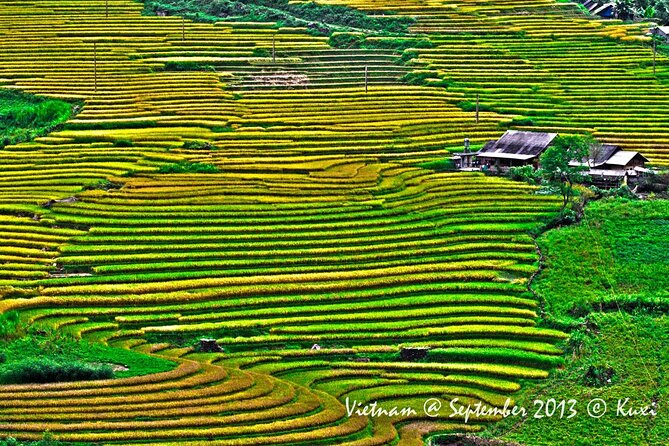
You pass through several minority villages along the way. The route then crosses rice paddy fields before reaching higher ground. The description points to a climb toward the top of a mountain, where you can stop for views around Ngũ Chỉ Sơn.
This second day gives the tour a different feel. Day 1 focuses on the descent through forest and farmland. Day 2 gradually takes you upward, linking village paths with a higher viewpoint. The change in direction keeps the trip from feeling like the same walk repeated twice.
Fog is a real consideration in Sapa. If the weather closes in, the mountain views may be limited. That is not a flaw in the tour, but it is part of visiting a highland area known for mist. A good guide can adapt the route, as has happened on past departures, rather than forcing you toward a viewpoint with nothing to see.
The village crossings are valuable because they put the walking in context. You are not only moving between scenic points. You are seeing homes, fields, and communities connected by the same narrow paths you use. The guide’s role is to explain local ways of life and habits without turning the villages into a stage show.
You return to the meeting point at the end of the activity. The supplied details do not give a precise return time, so leave your later schedule flexible. Four hours of walking does not include every transport or meal transition.
More Sapa Trips and Treks:
- Sapa: Fansipan Cable, Cat Cat Village & Moana Instagram Tour
★ 5.0 · 777 reviews - Cat Cat Village, Moana, Fansipan Cable Car, Alpine Coaster – Sapa
★ 5.0 · 420 reviews - From Sapa: 1-Day Guided Trek to Lao Chai & Ta Van with Lunch
★ 4.9 · 416 reviews - Sa Pa Full Day Trekking Tour
★ 5.0 · 414 reviews
What the $89 price really covers
At $89 per person, this is a strong package if you use most of what is included. The cost covers:
- English-speaking guide
- Transport
- Village homestay
- Dinner and breakfast
- Two lunches
- Entrance fee
- 1.5 liters of water per day
That list matters because separate transport, meals, and entrance charges can quickly raise the cost of a rural outing. You are also paying for route planning and local access. The guide takes you along paths you may not find independently, and the private setup means the day is not built around a large tour bus schedule.
The value is best for two or more people who want a private outing, especially since group discounts are offered. Solo bookers should compare the final price with other small-group treks, because the per-person rate may feel less economical if you are alone.
You should budget extra for tips, insurance, personal expenses, herbal baths, and soft drinks. Insurance is particularly worth considering for a physically demanding trek. The tour includes water, but not every drink or snack you may want during the day.
The price also reflects a tradeoff. You receive a local homestay rather than a full hotel night, and you spend much of the tour walking rather than being driven between attractions. That is good value if those are the parts you want. It is less appealing if your priority is comfort or a long list of sightseeing stops.
How hard is the walking?
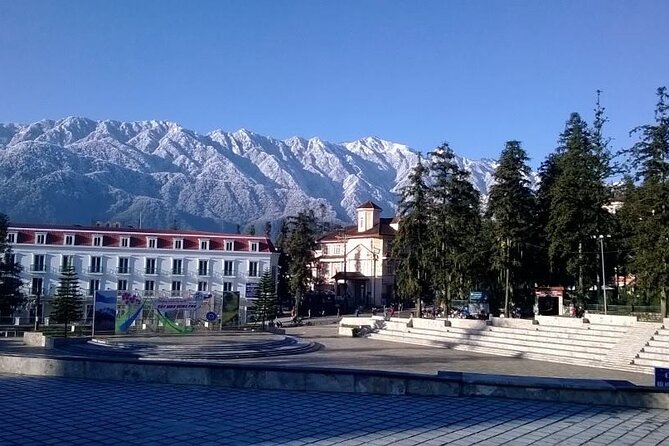
The most important practical detail is the terrain. One direct account puts the total at about nine hours and calls out steep sections, especially in hot weather. Another departure allowed people to choose between medium and heavy walking levels. Put those facts together and you get a clear picture: this is moderate to strenuous trekking, not a gentle walking tour.
Most travelers can participate according to the supplied activity information, but you should still be comfortable with several hours on foot. The route includes dirt trails, downhill sections, mountain paths, rice fields, and uphill walking. Your shoes should suit uneven ground.
Weather will shape the experience. Heat can make the same route much harder. Fog can hide the best views. Rice fields may be green, golden, or recently harvested depending on the time of year. The cultural parts of the tour help keep the day worthwhile when the weather is not perfect.
Your guide is the person to speak with about pace and route choices. Do that early, not after your legs are already tired. A private tour gives your group room to adjust, but it does not turn steep ground into flat ground.
The local contact is the main attraction
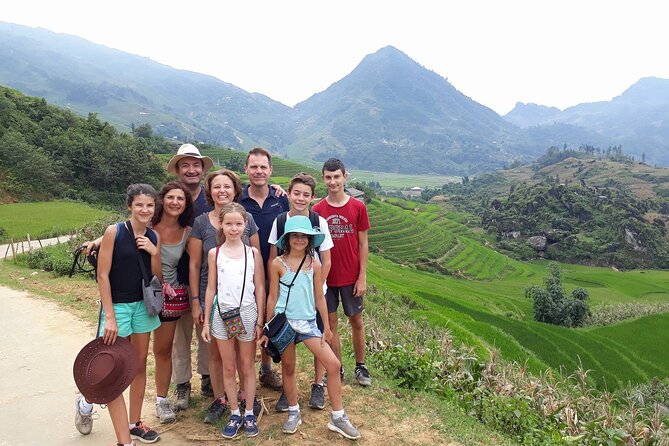
The scenery is easy to praise, but the human side gives this trip its character. Hmong and Dzao villages are not just photo stops. With the guide’s help, you can learn about local habits, daily life, and craftsmanship.
Workshops are included in the experience, although the available information does not specify every workshop or its exact duration. Think of them as a way to see local skills and customs up close, rather than a guaranteed shopping event.
The food also helps connect the route to the place. You eat dinner at the homestay and receive lunches during the walking days. After a long trek, a shared meal is not a minor detail. It becomes part of the sense of place.
The tour does not promise luxury or a staged cultural show. That is its strength, but it also means the experience may feel less controlled than a standard sightseeing package. You are visiting working villages and staying in a simple house. Keep an open mind and follow your guide’s lead about respectful behavior.
Who should book this Sapa experience?
I would choose this trek if you want:
- A private two-day route away from the busiest Sapa paths
- Long walks through terraces, forest, fields, and villages
- A night in a traditional wooden homestay
- Direct contact with Hmong and Dzao communities
- Meals and transport bundled into one price
- A guide who can explain local culture and adjust the route
I would hesitate if you want a relaxed schedule, hotel-level comfort, or guaranteed clear mountain views. I would also think twice if steep trails are a concern or if you dislike changing plans because of fog and weather.
The tour suits couples, families with suitable walking ability, and small groups who want their own guide. Since only your group participates, it is easier to keep the day at a shared pace. Group discounts may also make the price more attractive.
Confirmation is provided at booking, pickup is available, and the meeting point is near public transportation. Free cancellation is available if you cancel at least 24 hours before the 9:00 a.m. start. Inside that window, the payment is not refunded, and changes are not accepted.
Should you book the two-day Sapa trek?
Book it if you want Sapa beyond the main viewpoints, and if you are ready for real walking. The combination of terraced fields, pine forest, Hmong and Dzao villages, local meals, and a wooden homestay gives you more substance than a short scenic outing.
Skip it if you want an easy walk or a polished hotel night. At $89, the trip offers good value because so much is included, but the real return is time on mountain paths and contact with village life. Bring sensible shoes, accept that weather may alter the views, and you will be choosing this tour for the right reasons.
FAQ
How long is the Sapa trekking tour?
The experience lasts two days. Day 1 includes about five hours of trekking, and Day 2 includes about four hours.
What time does the tour start?
The tour starts at 9:00 a.m.
Where does the first day of trekking take place?
Day 1 begins in the Ta Phin Village area and follows downhill dirt trails through pine forest, rice terraces, cornfields, and mountain country.
Where do you stay overnight?
You stay in a traditional wooden house in a local community homestay.
Are meals and water included?
Yes. The package includes dinner, breakfast, two lunches, and 1.5 liters of water per day.
Is this a private tour?
Yes. Only your group participates, and an English-speaking guide accompanies the activity.
More 2-Day Experiences
- Sa Pa: 2-Day Trekking Trip with Ethnic Minority Homestay
★ 4.7 · 145 reviews - Sapa : 2-Day Trek & Heartwarming Homestay with an Ethnic Family
★ 5.0 · 143 reviews - Rice Terraced Fields & Homestay Experience– 2D 1N
★ 5.0 · 118 reviews - Mountain views & Rice Terraced Fields Hiking – 2D 1N
★ 5.0 · 99 reviews
More Hiking and Trekking Tours
- Sapa 1 Day Long Trek: Trek to Hau Thao and Sa Seng Villages
★ 4.6 · 344 reviews - EXPLORE SAPA: 2D1N TREKKING & HMONG CULTURE WITH DINH
★ 4.9 · 191 reviews - 1-day Authentik trek & Panorama valley views
★ 5.0 · 189 reviews - 1 day Fansipan Trekking
★ 5.0 · 180 reviews
Just added around Sapa
- Sapa trekking 2 days small group★ 5.0 · 32 reviews
- From Sapa: 3 Day Ha Giang Loop Guided Motorbike Tour With Rider★ 5.0 · 33 reviews
- Vietnamese Spring Rolls Cooking Class★ 5.0 · 34 reviews
- Sapa: 3-Day Ha Giang Loop Motorbike Tour★ 4.9 · 34 reviews
- 2 Day Trekking Experience: Explore with knowledgeable local guide★ 5.0 · 34 reviews
- Trek Adventure in Ta Van Village, Lao Chai★ 5.0 · 36 reviews
- Sapa Trekking & Cooking with H’Mong Locals –Local Culture★ 5.0 · 36 reviews
- Sapa Private Car Rental–Half & Full Day & English Speaking Driver★ 5.0 · 37 reviews
Sapa Trips and Treks, compared.

Sapa 2 Days 1 Night From Hanoi – Overnight in Ta Van Village
Read our review →

Muong Hoa Valley Trek and Local Ethnic Villages
Read our review →
Fansipan Cable, Cat Cat Village & Moana Instagram Tour
Read our review →

Sapa 3 Days 2 Nights Trekking Tour (1 Night In Ta Van Village, 1 Night In Hotel)
Read our review →
Eco Adventure Terrace Fields and Local Villages Trek
Read our review →
3-Day Trekking Adventure of Sapa from Hanoi – Stay Ta Van Village
Read our review →Browse the lists this tour appears in